




In This Article (19 sections)
History of Overwatch: Full Timeline from Project Titan to Launch
The history of Overwatch begins long before its official release, tracing back to one of Blizzard Entertainment’s most ambitious cancelled projects, Project Titan. Originally conceived as a massively multiplayer online role-playing game (MMORPG), Project Titan was in development for several years before being officially cancelled in 2014. However, instead of discarding all the work, Blizzard repurposed several core ideas, assets, and design philosophies into what would eventually become Overwatch.
The transition from Titan to Overwatch marked a major shift in game design philosophy. Instead of building a complex MMO with vast systems and persistent worlds, the development team pivoted toward a more focused, fast-paced team-based shooter. This decision fundamentally shaped the identity of Overwatch, emphasizing accessibility, hero diversity, and objective-based gameplay rather than traditional MMO mechanics.
By 2014, the Overwatch prototype had already begun internal testing, showcasing early versions of heroes, maps, and abilities. The game quickly gained internal support due to its polished feel and clear gameplay loop, leading Blizzard to fully commit to its development. Within two years, Overwatch transitioned from concept to a fully playable product, culminating in its official release in May 2016.
How Overwatch Was Created After Blizzard Cancelled Project Titan
The cancellation of Project Titan was a pivotal moment in Blizzard Entertainment’s history. Rather than viewing it as a failure, the development team re-evaluated the assets and systems they had created. They discovered that the first-person combat prototype built within Titan was significantly more engaging than the MMO framework surrounding it.
This realization led to a radical redesign. The team stripped away traditional MMO elements such as classes with complex skill trees and persistent worlds, replacing them with distinct heroes, each with unique abilities designed for short, competitive matches. This transformation allowed Blizzard to focus on tight gameplay balance and rapid iteration.
The early Overwatch prototype was built around simplicity and clarity. Matches were designed to last around 10–15 minutes, encouraging replayability and fast matchmaking. This approach made the game more accessible to both casual and competitive players, a key factor in its eventual global success.

Blizzard Entertainment and the Origins of Overwatch Development
Blizzard Entertainment played a crucial role in shaping Overwatch’s identity. Known for franchises like Warcraft, StarCraft, and Diablo, Blizzard had a long-standing reputation for creating polished, long-lasting games with strong community support.
During the early 2010s, Blizzard was searching for a new franchise to expand beyond its existing universes. Project Titan was intended to be that flagship title. However, after its cancellation, Blizzard redirected its creative energy toward Overwatch, bringing together experienced developers from across its internal teams.
The development philosophy emphasized “easy to learn, difficult to master” gameplay. This principle became central to Overwatch’s hero design, map structure, and competitive balance. Each hero was designed to fulfill a specific role while still offering depth and counterplay.
Overwatch Release Date and Early Development History Explained
Overwatch officially launched on May 24, 2016. Prior to release, the game underwent extensive internal and external testing phases, including alpha and beta programs that helped refine gameplay mechanics and balance.
The development timeline between 2014 and 2016 was unusually fast for a Blizzard title. This accelerated pace was possible due to the reusable assets from Project Titan and a highly focused development scope. Blizzard prioritized core gameplay systems over expansive content, ensuring the game launched with a polished competitive experience.
At launch, Overwatch featured 21 heroes and 12 maps, each designed around specific gameplay objectives such as escort, control, and hybrid modes. The game was immediately praised for its art style, accessibility, and team-based mechanics.
Jeff Kaplan and the Early Vision Behind Overwatch
One of the most influential figures in Overwatch’s development was Jeff Kaplan, who served as game director during the project’s most critical phase. Kaplan was known for his emphasis on player experience, clarity in game design, and community communication.
Kaplan’s vision for Overwatch centered on creating a game where teamwork was essential but not restrictive. He wanted players to feel powerful individually while still contributing meaningfully to team objectives. This balance became a defining feature of the game.
Under his leadership, Overwatch also adopted a strong narrative identity, with character-driven storytelling, animated shorts, and comics expanding the universe beyond gameplay. Kaplan frequently engaged with the community through developer updates, helping shape player expectations and trust.
How Team Fortress 2 Inspired the Gameplay of Overwatch
A significant influence on Overwatch’s design was Team Fortress 2. Blizzard openly acknowledged that Team Fortress 2 provided a foundational blueprint for hero-based multiplayer gameplay.
Both games emphasize class-based roles, objective-focused matches, and team synergy. However, Overwatch expanded on this formula by introducing more diverse hero abilities, deeper lore integration, and a stronger emphasis on visual storytelling.
Unlike Team Fortress 2, Overwatch characters are deeply tied to a global narrative universe. Each hero has a backstory, personality, and role within the larger conflict between Overwatch and Null Sector forces. This narrative depth helped differentiate Overwatch in a competitive multiplayer market.

Overwatch Closed Beta and Open Beta Timeline Explained
Before its official release, Overwatch underwent multiple testing phases. The closed beta began in late 2015, allowing selected players to test early versions of the game. This phase focused heavily on balancing heroes, refining map design, and stress-testing servers.
The open beta followed in May 2016 and became one of the most successful beta tests in gaming history. Millions of players participated, providing valuable feedback that shaped the final release version. The beta also helped build massive anticipation for the game’s launch.
During this period, Blizzard made significant adjustments, including hero rebalancing, UI improvements, and matchmaking enhancements. The success of the beta demonstrated the game’s strong market potential and community appeal.
The First Heroes of Overwatch and Their Original Concepts
The initial roster of Overwatch heroes was carefully designed to represent a wide range of playstyles and cultural backgrounds. Characters like Tracer, Reinhardt, Mercy, and Widowmaker were among the earliest concepts developed during the Titan transition.
Each hero was built around a core gameplay fantasy. Tracer represented speed and mobility, Reinhardt embodied tank-style protection, and Mercy focused on support and healing. These roles formed the foundation of Overwatch’s “holy trinity” structure: Tank, Damage, and Support.
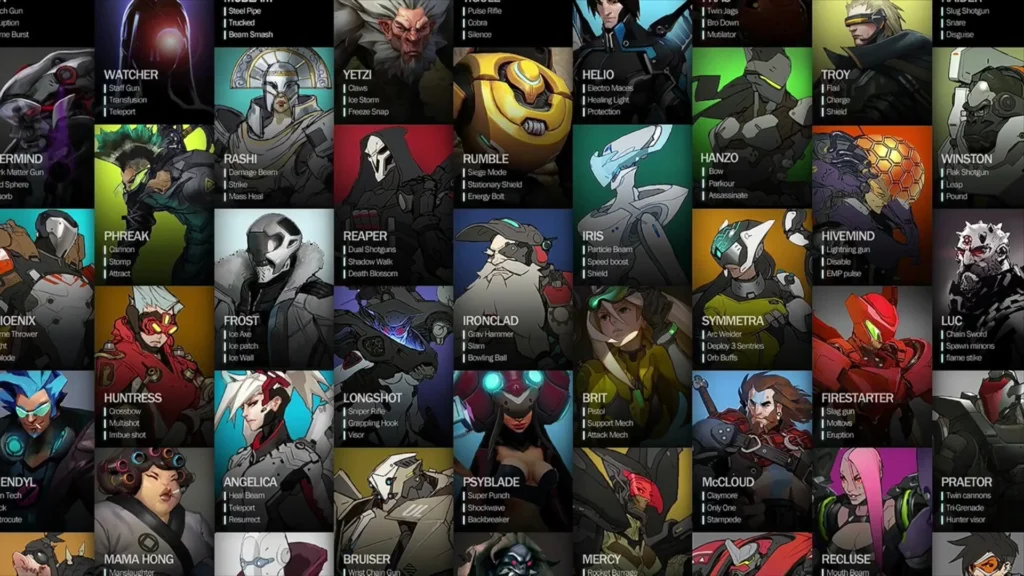
Early concept art shows that some heroes underwent significant redesigns before release. Abilities were adjusted to ensure clarity and balance, while visual designs were refined to enhance readability during fast-paced gameplay.
Omnic Crisis Lore: the Backstory that Shaped Overwatch History
The lore of Overwatch is deeply rooted in the Omnic Crisis, a global war between humans and artificial intelligence known as omnics. This conflict reshaped the world and led to the formation of international peacekeeping forces.
The Omnic Crisis serves as the foundational historical event in Overwatch’s universe. It explains the rise of organizations like Overwatch and Talon, as well as the global distrust between humans and omnics. Characters such as Bastion and Zenyatta are directly tied to this lore.
This narrative backdrop adds emotional depth to gameplay, transforming matches into symbolic representations of larger ideological conflicts between order, chaos, and coexistence.
The Founding of Overwatch Organization in the Game’s Universe
Within the game’s story, Overwatch was formed as a response to the Omnic Crisis. It began as a multinational peacekeeping force designed to restore stability after the global conflict.
The organization brought together elite operatives from around the world, including soldiers, scientists, and explorers. Over time, Overwatch expanded its influence, becoming both a military and scientific institution.
However, internal corruption, political pressure, and external threats eventually led to its downfall. Despite its dissolution, former members continue to shape global events within the Overwatch universe.

Overwatch Map Development History: from King’s Row to Hanamura
Maps in Overwatch are not just battlegrounds but storytelling environments. Locations such as King’s Row and Hanamura were designed to reflect the game’s lore and aesthetic diversity.
King’s Row represents a dystopian London under omnic oppression, while Hanamura reflects traditional Japanese architecture and clan-based conflict. Each map was carefully crafted to support specific gameplay modes while reinforcing narrative themes.
The evolution of map design has focused on improving competitive balance, visual clarity, and strategic depth. Over time, Blizzard introduced new layouts and reworks to maintain freshness in gameplay.
Evolution of Overwatch Updates, Events, and Live Service Model
Overwatch pioneered a strong live-service model that included seasonal events, balance patches, and cosmetic updates. Events such as Halloween Terror and Winter Wonderland introduced limited-time game modes and themed cosmetics.
Blizzard consistently updated the game to maintain balance and engagement. Hero reworks, map adjustments, and system overhauls were introduced regularly based on player feedback.
This live-service approach helped sustain the game’s popularity for years after its release, creating a dynamic and evolving competitive environment.
Overwatch Esports Growth and the Rise of the Overwatch League
The competitive scene for Overwatch rapidly evolved into a structured esports ecosystem. Blizzard launched the Overwatch League (OWL) in 2018, introducing city-based teams and professional competition formats.
The league aimed to replicate traditional sports structures, with franchises representing global cities. This model brought stability and mainstream attention to Overwatch esports.
While the league experienced fluctuations in popularity over time, it played a significant role in legitimizing hero shooters as competitive esports titles.
Overwatch 2 Transition and How it Changed the Original Game
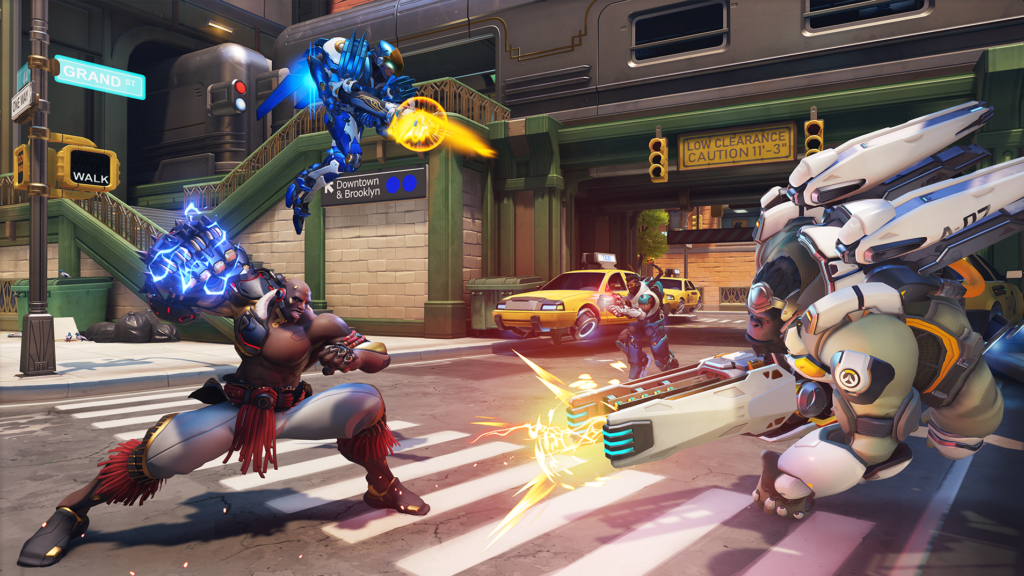
The release of Overwatch 2 marked a major transition for the franchise. It introduced updated visuals, new heroes, reworked abilities, and a shift to a 5v5 format.
The transition also replaced the original Overwatch client, effectively merging the player base into a single evolving platform. This change shifted the game toward a more aggressive live-service model with seasonal content updates.
Narratively, Overwatch 2 expanded the ongoing storyline, focusing on the return of global threats and the reformation of the Overwatch team.
Future of Overwatch: Updates, Rebranding, and What Comes Next
The future of Overwatch continues to evolve through ongoing updates, seasonal content, and balance changes. Blizzard’s focus remains on maintaining competitive integrity while expanding narrative depth.
Future developments are expected to include new heroes, map reworks, and expanded story-driven content. The franchise is also likely to continue refining its esports ecosystem and live-service structure.
As the gaming industry evolves, Overwatch remains a key example of how hero-based shooters can adapt over time while maintaining core identity.
Frequently Asked Questions (FAQs)
- What is Overwatch about?
Overwatch is a team-based hero shooter focused on objective gameplay and character abilities. - When was Overwatch released?
It was released on May 24, 2016. - Who created Overwatch?
Blizzard Entertainment developed the game. - What inspired Overwatch gameplay?
Team Fortress 2 heavily influenced its class-based design. - What was Project Titan?
It was a cancelled MMORPG project that evolved into Overwatch. - How many heroes were in the original Overwatch?
There were 21 heroes at launch. - What is the Omnic Crisis?
It is a fictional global war between humans and robots in Overwatch lore. - What is Overwatch 2?
It is the sequel and evolution of the original game with major gameplay changes. - Is Overwatch an esports game?
Yes, it has a professional league known as the Overwatch League. - Will Overwatch continue to get updates?
Yes, it continues as a live-service game with ongoing updates.
Conclusion
The history of Overwatch represents one of the most significant transformations in modern gaming development, evolving from a cancelled MMO project into a globally recognized hero shooter franchise. Its development history reflects innovation, adaptation, and a strong focus on player experience, while its lore and competitive ecosystem continue to expand its influence across the gaming industry.
Sources and Citations
- Overwatch Official Blizzard Site
https://overwatch.blizzard.com/ - Blizzard Entertainment News and Updates
https://www.blizzard.com/news - Overwatch Wikipedia Page
https://en.wikipedia.org/wiki/Overwatch_(video_game) - Overwatch League Official Information
https://overwatchleague.com/
Recommendations
- Blizzard Entertainment
- Overwatch Development
- Final Fantasy 14 Patch 7.51 Mounts & Minions Guide: All Rewards and How to Get Them
- Wishlist God of War Laufey Now
- What is the “Follow Path” constraint for cameras in Blender?
- NVIDIA RTX PRO 6000 Blackwell Price Surges Past $13,000: Specs, Performance, and AI Demand Explained
- PUBG MOBILE Celebrates 8th Anniversary with Landmark Event Blending Gaming, Music and Culture Worldwide
- Harry Potter HBO Teaser Reveals Anton Lesser as Ollivander
- Company of Heroes 3: Final Stand Official Announcement Trailer Breakdown: Release Date, Gameplay, Co-Op, Factions, and Everything Revealed
- Creating Interactive Water in Godot: Ripples, Splashes, Shaders, and Buoyancy (Godot 4)



































































































