







In This Article (9 sections)
Lucid Blocks Gameplay, Release Date, and Expected Steam Price
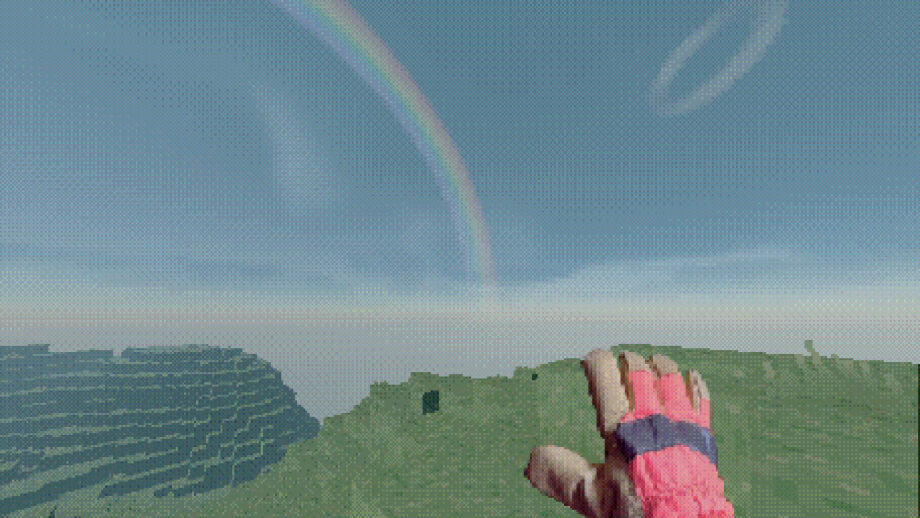
Lucid Blocks is an indie sandbox survival and exploration game that combines voxel-style building with surreal, dreamlike environments. Although its block-based mechanics have drawn comparisons to Minecraft, it distinguishes itself through liminal spaces, abstract world design, and atmospheric storytelling. Players enter a vast, procedurally generated world where reality feels unstable, with gameplay centered on surviving, exploring, crafting, building, and uncovering the strange logic governing the universe. This combination of creativity, mystery, and survival creates an experience that feels both familiar and unsettling.
Lucid Blocks does not yet have a fully confirmed global release date. The game has appeared in development updates and early-access previews, with its launch expected to take place through an early-access rollout. The developers have focused on iterative development, meaning the game is likely to change substantially after its initial release as new features, creatures, crafting systems, and other content are introduced.
An official Steam price has also not been permanently confirmed. The expected price is projected to fall within the typical range for indie sandbox games, with comparable early-access titles generally launching between $10 and $25. The price may increase when Lucid Blocks reaches its full release, particularly as additional gameplay systems, features, and content updates are added.
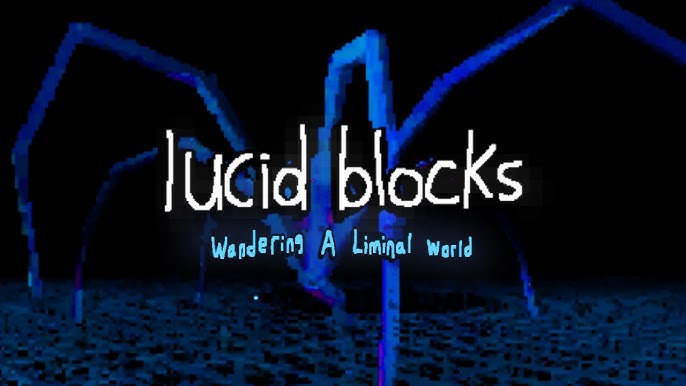
Lucid Blocks Gameplay, Liminal Environments, and Procedural World Generation
Lucid Blocks combines survival, crafting, and exploration within an unpredictable world that can shift between familiar landscapes and unsettling dreamlike spaces. Rather than focusing only on base-building or combat, the game places greater emphasis on exploration-driven progression. Players are encouraged to leave safe areas, investigate unusual locations, and adapt to threats that may appear as the environment becomes increasingly strange.
The three core gameplay pillars are:
- Survival: Players must manage resources, avoid hostile entities, and maintain their safety in an unpredictable world. Food, shelter, lighting, and defensive tools all play important roles in staying alive. Because environments can shift from familiar to unsettling, survival also requires awareness and the ability to adapt to unexpected threats.
- Crafting: Materials gathered from terrain, ruins, and unusual generated locations can be transformed into tools, structures, equipment, and advanced items. Crafting becomes increasingly important as players travel farther, enter more dangerous areas, and prepare for longer journeys.
- Exploration: Hidden zones, surreal landmarks, unusual terrain, and environmental storytelling reward curiosity. Investigating mysterious spaces can lead to valuable resources, rare crafting materials, and clues that deepen the atmosphere of the world.
A defining feature of Lucid Blocks is its use of liminal spaces, which are transitional, empty, or oddly familiar environments that gradually become unsettling. These areas create psychological tension without always depending on direct danger. A location may initially appear recognizable, but its repetition, emptiness, or impossible layout can make it feel increasingly unnatural as the player continues exploring.
These surreal environments include:
- Endless corridors: Long, repeating hallways that create tension through repetition and uncertainty.
- Empty suburban layouts: Quiet neighborhoods and streets with little sign of life, making ordinary spaces feel unnatural.
- Floating landscapes: Broken terrain, suspended platforms, and impossible geography that challenge normal expectations.
- Abstract geometric realms: Dreamlike areas constructed from unusual shapes, patterns, and structures.
Lucid Blocks uses procedural generation to create an infinite world, ensuring that each playthrough presents different terrain, structures, and anomalies. The procedural system supports both replayability and the game’s surreal tone because players cannot fully predict what they will encounter beyond the next area.
Each generated world can contain:
- Unique terrain layouts: Different biomes, landforms, and environmental shapes appear whenever players begin a new world.
- Randomized structures: Buildings, ruins, corridors, and surreal landmarks can emerge in unexpected locations.
- Dynamic environmental anomalies: Strange events and visual distortions may appear during exploration, increasing the world’s mystery and unpredictability.
Because no two worlds are identical, survival, crafting, and exploration remain closely connected throughout the experience. Players must gather resources and prepare equipment while continuously adapting to unfamiliar environments. The infinite procedural world keeps long-term exploration fresh, while its liminal spaces and environmental anomalies ensure that discovery remains as important as staying alive.
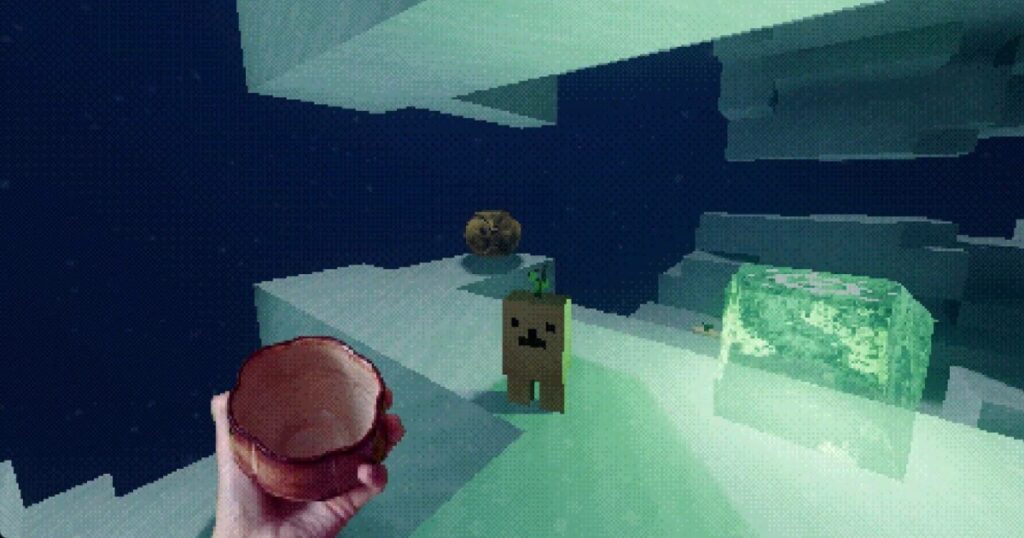
Lucid Blocks Apotheosis Crafting, Tools, Enemies, and Bosses
The Apotheosis crafting system is one of the most advanced mechanics in Lucid Blocks, allowing players to transform rare resources into powerful and unusual items that change how they explore, fight, and interact with the world. Unlike standard crafting, Apotheosis is tied to deeper progression and encourages players to search strange biomes, hidden structures, and dangerous areas for the materials required to create higher-tier equipment.
Through Apotheosis crafting, players can:
- Combine rare materials into powerful artifacts
- Upgrade tools with mystical properties
- Create reality-altering items
The system adds an element of experimentation beyond making basic gear. Players can work toward items with unique effects, including enhanced mobility, magical attacks, and special environmental interactions. This makes Apotheosis crafting particularly useful for those who want to move beyond ordinary survival and unlock more creative approaches to exploration and combat.
Some of the most effective tools in Lucid Blocks expand movement, improve exploration, and provide flexible ways to handle enemies or environmental obstacles:
- Grappling Hook: Supports fast traversal across vertical terrain, floating islands, cliffs, and difficult platforms. Once mastered, it can make movement through complex areas much smoother.
- Bee Glider: Allows players to glide over long distances, cross large gaps, and descend safely from elevated locations.
- Bombs: Serve both combat and terrain-manipulation purposes. They can damage enemies, remove obstacles, and open new routes.
- Wands: Magical tools that can affect enemies, blocks, or the environment depending on their type, often providing more strategic options than conventional weapons.
These tools can be combined to make traversal and combat more dynamic. Rather than moving through the world along a single path, players can glide from elevated terrain, grapple toward hard-to-reach platforms, clear blocked passages with bombs, or use wands to interact with enemies and the environment. Experimenting with different combinations can help players move faster, escape danger, and reach hidden areas.
Lucid Blocks also features surreal enemies that match its strange, dreamlike atmosphere. Many are designed not only to challenge players, but also to make each location feel unsettling and unpredictable:
- Manikins: Uncanny humanoid figures that may move in strange or unpredictable patterns, creating tension in dark and surreal areas.
- Gels: Slime-like enemies with unusual or adaptive behavior. They may appear easy to handle but can become dangerous in groups or confined spaces.
- Spiders: Fast, aggressive creatures commonly found in darker zones, where their speed can force players to move carefully and react quickly.
Boss encounters are typically more intense and symbolic than ordinary fights. They are often linked to particular regions, themes, or progression milestones within the world. Defeating them may provide access to new areas, rare materials, or important crafting opportunities, making bosses a significant part of advancement in Lucid Blocks.
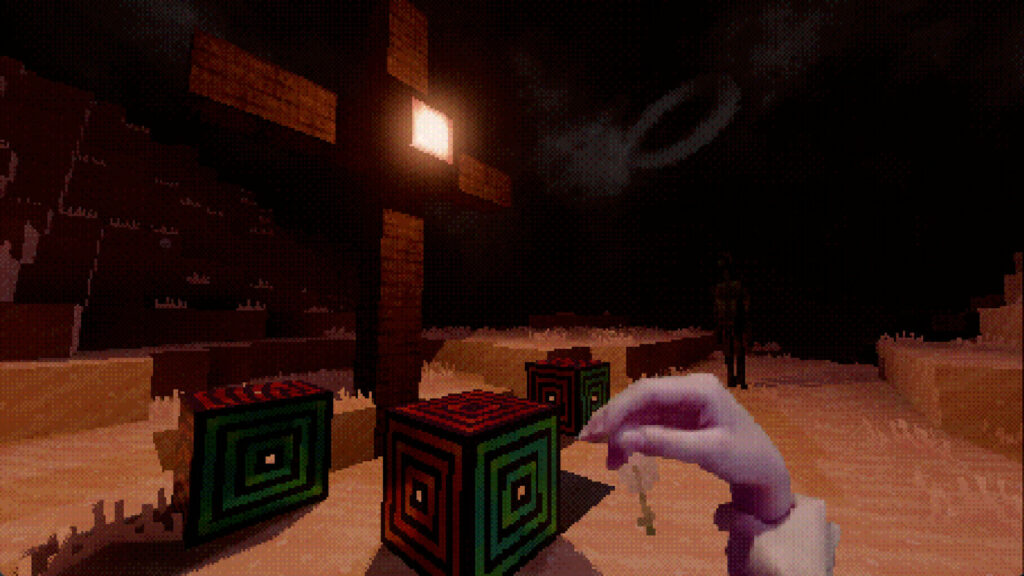
Lucid Blocks Base Building, Dynamic Lighting, and Friendly Companions
Building in Lucid Blocks is both practical and creative. A well-designed base should protect the player, support exploration, and complement the strange, dreamlike world around it. Because the environment can be unpredictable, choosing an effective location and planning the layout carefully can make a significant difference. Bases may range from compact survival shelters with storage and crafting areas to elaborate fantasy structures that serve as landmarks, safe zones, or creative showcases.
Key building tips include:
- Choose elevated locations for safety: Building on hills, floating landforms, cliffs, or raised platforms can make it harder for enemies to reach the base. Elevated locations also provide a clearer view of nearby threats, resources, and landmarks.
- Use lighting to prevent enemy spawns: Dark corners, caves, and open areas near the base can become dangerous when left unlit. Placing lights around entrances, paths, storage spaces, and surrounding terrain improves visibility and helps keep the area safer.
- Incorporate layered defenses: Rather than depending on a single wall or door, players can create several layers of protection. Outer walls, traps, raised walkways, narrow entrances, and fallback rooms can provide additional security, particularly in more dangerous regions.
- Experiment with surreal architecture: Lucid Blocks encourages designs that match its unusual atmosphere. Players can create curved towers, floating rooms, glowing bridges, impossible staircases, and dreamlike shapes that would not make sense in an ordinary world.
Lighting is closely connected to both base design and exploration. It does more than improve visibility, as the dynamic lighting system also establishes the mood of each area and makes the world feel alive, mysterious, and occasionally unsettling. A familiar location may appear completely different as light sources move, environmental conditions change, or night approaches, encouraging players to consider how illumination affects movement, safety, and the appearance of their structures.
The lighting system can create:
- Shifting shadows: Moving light sources, changing angles, and environmental effects cause shadows to move across blocks and structures, making familiar areas feel different under changing conditions.
- Mood-based color palettes: Different zones may use distinct lighting colors to produce specific emotions. Soft blues and purples can make an area feel calm or dreamlike, while reds, greens, and harsh contrasts can make a space appear dangerous or unnatural.
- Day-night cycles that affect gameplay: Changes between day and night can influence visibility, enemy activity, exploration routes, and base safety. Players may need to illuminate paths, prepare defenses, or return to shelter before nightfall.
Not every creature in Lucid Blocks is hostile. Friendly creatures and summons can provide companionship, practical assistance, and strategic support, making long journeys through surreal environments feel less isolated. Their abilities may help with exploration, environmental interaction, movement, or detecting danger, giving players practical reasons to seek them out, protect them, and include them in their adventures.
Examples include:
- Bubblebears: Gentle companions that assist during exploration and may help players feel safer while traveling through strange environments. Their soft, friendly appearance contrasts with the darker and more surreal parts of the world.
- Noots: Small creatures with utility-focused abilities. They may help locate items, interact with the environment, warn players about danger, or support movement through difficult areas, making them useful during exploration and base-building.
Together, building, lighting, and friendly companions shape how players establish safety within the unpredictable world of Lucid Blocks. A carefully positioned base can provide protection and support longer journeys, dynamic lighting can transform the atmosphere and influence survival decisions, and helpful creatures can make exploration more manageable while adding emotional depth to the experience.
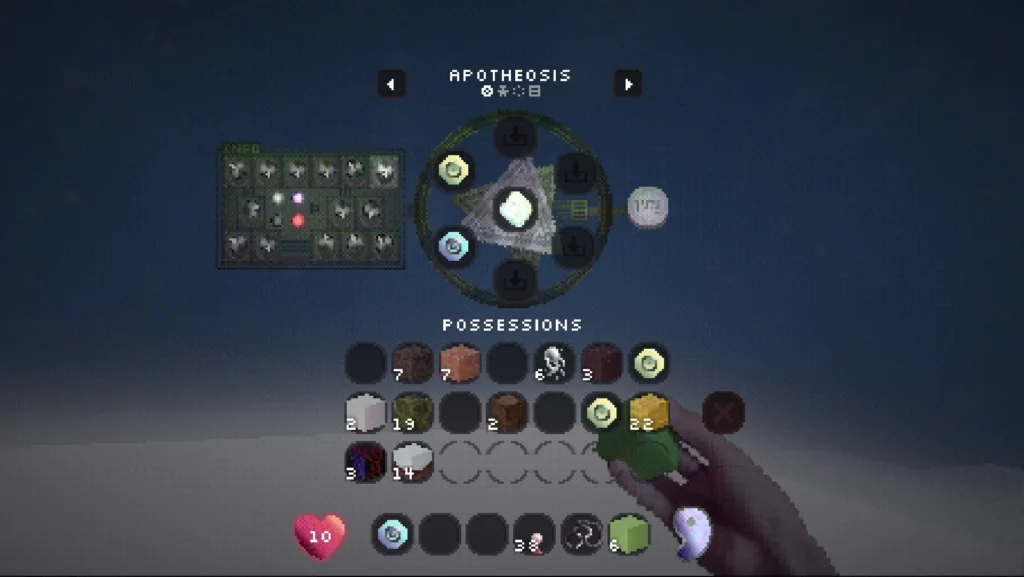
Lucid Blocks Beginner Tips, System Requirements, and Single-Player Experience
The first hour in Lucid Blocks establishes the foundation for early survival and exploration. New players should avoid traveling too far immediately and instead develop a safe starting routine near the spawn area. Gathering resources, crafting basic equipment, and learning how the environment behaves can make the opening stages feel less overwhelming while preparing the player for deeper exploration.
Recommended early-game strategies include:
- Gather basic resources immediately: Collect common materials such as wood, stone, plants, and other nearby resources needed for crafting, building, and survival.
- Craft essential tools early: Prioritize tools that improve mining, chopping, defense, and environmental interaction so resources can be gathered more efficiently and safely.
- Avoid dark or unfamiliar zones: Stay in visible, open areas until properly equipped, since dark regions and strange structures may contain hazards, stronger enemies, or unfamiliar mechanics.
- Build a temporary shelter quickly: A simple structure provides a safe place to store items, wait through dangerous periods, and plan the next stage of progression.
- Observe environmental patterns before exploring deeper: Monitor day and night cycles, enemy movement, weather, lighting conditions, and resource locations to understand how the world changes and avoid unnecessary risks.
Lucid Blocks is designed to remain accessible while offering advanced graphical features for stronger hardware. Its Vulkan support may improve communication between the game and compatible modern graphics cards, potentially producing smoother performance and more efficient rendering in large or detailed environments.
Vulkan support may provide:
- Improved performance on modern GPUs: Supported graphics cards may deliver higher frame rates and smoother gameplay.
- Better rendering efficiency: Reduced performance overhead can help the game handle larger or more visually complex environments more effectively.
- Enhanced visual fidelity: Appropriate hardware and settings may improve lighting, textures, shadows, and general image quality.
System requirements are expected to vary according to the selected graphics settings. Lower settings should make Lucid Blocks more playable on mid-range systems, while higher settings may require a more powerful processor and graphics card to achieve the best performance and visual quality.
Lucid Blocks is primarily designed as a single-player experience focused on personal exploration, survival, discovery, and immersion. This structure allows players to progress at their own pace, learn systems naturally, and investigate the world without pressure from other players. Multiplayer could still be introduced later depending on development plans and community demand. Potential additions may include cooperative exploration, shared construction, or group survival mechanics, but these features have not been confirmed.
Frequently Asked Questions (FAQs)
- What is Lucid Blocks about?
Lucid Blocks is a sandbox survival and exploration game set in procedurally generated, dreamlike environments. Players gather resources, craft tools, build shelters, avoid hostile creatures, and explore liminal spaces filled with unusual structures, environmental anomalies, and hidden areas. - Is Lucid Blocks similar to Minecraft?
Yes, Lucid Blocks shares Minecraft’s block-based building, resource gathering, crafting, and survival mechanics. However, it places much greater emphasis on surreal environments, psychological atmosphere, liminal spaces, and exploration-driven discovery. - When will Lucid Blocks be released?
Lucid Blocks is expected to launch through an early-access release, but an exact global release date has not been confirmed. The game is likely to continue evolving after launch through updates that add features, creatures, crafting systems, and other content. - How much will Lucid Blocks cost?
The expected early-access price is between $10 and $25, although an official price has not been permanently confirmed. The price may increase when the full version is released and more gameplay systems, features, and content have been added. - What makes Lucid Blocks unique?
Lucid Blocks stands out through its combination of survival gameplay, infinite procedural generation, surreal world design, and unsettling liminal spaces. Its advanced Apotheosis crafting system also allows players to use rare materials to create powerful artifacts, mystical upgrades, and unusual items with special effects. - Are there enemies in Lucid Blocks?
Yes, the game includes hostile creatures such as manikins, gels, and spiders. Manikins are unsettling humanoid figures, gels can become dangerous in groups or confined areas, and spiders are fast enemies commonly associated with darker zones. More intense boss encounters may also be tied to specific regions and progression milestones. - Can you build structures in the game?
Yes, building is a major part of both survival and creative play. Players can construct simple shelters, storage and crafting areas, defensive bases, raised platforms, floating rooms, glowing bridges, and other structures that fit the game’s surreal environment. - Does Lucid Blocks support Vulkan?
Yes, Lucid Blocks supports Vulkan. On compatible hardware, Vulkan may improve frame rates, reduce rendering overhead, and help the game display detailed environments, lighting, textures, and shadows more efficiently. - Are there friendly creatures?
Yes, friendly creatures such as bubblebears and noots can provide companionship and practical assistance. Bubblebears can accompany players during exploration, while noots may offer utility through environmental interaction, item location, danger warnings, or movement support. - Is Lucid Blocks multiplayer?
Lucid Blocks is currently designed primarily as a single-player experience focused on personal survival, exploration, building, and discovery. Multiplayer has not been confirmed, although future development could potentially introduce features such as cooperative exploration, shared building, or group survival.
Conclusion
Lucid Blocks stands out as a bold evolution of the sandbox survival genre, combining familiar block-building mechanics with deeply surreal and atmospheric design. Its focus on liminal spaces, infinite procedural worlds, and advanced crafting systems like Apotheosis offers a unique experience that goes beyond traditional gameplay loops. As development continues, Lucid Blocks has the potential to become a defining title in the indie sandbox space.
Sources and Citations
- Developer updates and early-access previews of Lucid Blocks
https://store.steampowered.com/app/1786520/Lucid_Blocks/ - Steam marketplace trends for indie sandbox survival games
https://store.steampowered.com/genre/Sandbox/ - Steam marketplace trends for indie sandbox survival games
https://store.steampowered.com/genre/Survival/ - Comparative analysis with Minecraft and similar voxel-based titles
https://www.minecraft.net/en-us/article - Comparative analysis with Minecraft and similar voxel-based titles
https://en.wikipedia.org/wiki/Minecraft
Recommended
- PixelHair vs. Manual Hair Grooming in Blender: Which is Better?
- Camera Switching in Blender Animations: Mastering The View Keeper
- PlayStation Portal Guide (2026): Setup, Remote Play Tips, Cloud Streaming, and Troubleshooting
- How to Import Metahuman into Unreal Engine 5: Step-by-Step Guide for Beginners and Artists
- God of War TV Series Adds Lost Star Sonya Walger as Freya in Prime Video Adaptation
- Nacon Subsidiaries Enter Insolvency Proceedings: Spiders, Kylotonn, Cyanide, and Nacon Tech Explained
- How To Create Hexagon Fans Blender: Step-by-Step Hexagon Fan Grill (Honeycomb Fan Cover) Tutorial
- Daredevil: Born Again Season 2 Review, A Darker, Grittier Marvel Comeback That Surpasses Season 1
- Marvel’s New Avengers Crossover to Include Exclusive Magic: The Gathering Card: Everything to Know About Avengers: Armageddon #1
- How to Create a Hyper Realistic Metahuman in Unreal Engine 5: Complete Workflow Guide



































































































