







In This Article (19 sections)
New Xbox Controller Leak Explained in 2026
A new wave of Xbox hardware leaks has sparked major discussion across the gaming industry after two separate controller designs reportedly appeared in regulator databases, supply-chain reports, and insider hardware discussions. The leaked devices suggest that Microsoft is preparing two very different approaches to the future of Xbox input hardware. One appears to be the long-rumored Xbox Elite Series 3 controller, while the other looks like a cloud-focused Xbox controller designed specifically for streaming and connected gaming ecosystems.
The timing of the leaks is important because Microsoft has spent the last several years reshaping Xbox into a broader ecosystem rather than a traditional console-only business. Xbox Game Pass, Xbox Cloud Gaming, PC integration, mobile expansion, and cross-device compatibility have become central to Microsoft’s strategy. New controller hardware represents one of the clearest ways Microsoft can support this transition.
According to leaked filings and hardware discussions circulating online, the Elite Series 3 controller may include upgraded haptics, redesigned ergonomics, removable battery functionality, new onboard controls, and deeper wireless customization. Meanwhile, the second leaked controller appears focused almost entirely on cloud gaming performance, particularly through direct Wi-Fi connectivity instead of relying only on Bluetooth.
These leaks have generated excitement because Microsoft has not released a major new Elite controller since the Xbox Elite Series 2. Despite its popularity among competitive players, the Elite Series 2 has faced years of criticism regarding durability issues, stick drift complaints, bumper failures, and battery limitations. Many players believe the next Elite controller must address those concerns if Microsoft wants to maintain its premium controller reputation.
At the same time, the possibility of a cloud-first controller signals that Microsoft may be preparing for a future where Xbox hardware exists beyond the living room console. A controller optimized for cloud gaming could work across smart TVs, tablets, handheld devices, PCs, phones, and streaming platforms without requiring a traditional Xbox console nearby.
The combination of these two leaks paints a picture of Microsoft pursuing two separate audiences simultaneously. One controller targets enthusiasts and competitive players looking for premium customization and performance. The other targets the rapidly growing cloud gaming audience that values convenience, flexibility, and low-latency wireless streaming.
Xbox Elite Series 3 Leaked Features and Design Changes
The leaked Xbox Elite Series 3 details suggest Microsoft is focusing heavily on improving both reliability and modularity. Early information points toward a design philosophy that refines the Elite Series 2 rather than completely reinventing it.
One of the biggest rumored upgrades involves improved stick modules. Microsoft reportedly wants to reduce long-term drift problems while making the controller easier to service or customize. Some reports suggest the sticks may use more durable components or even partially modular assemblies that can be replaced more easily than previous versions.
The grips also appear to be changing. The Elite Series 2 used rubberized grips that some owners reported peeling after prolonged use. Leaked descriptions indicate Microsoft may use new textured materials with stronger adhesion and improved sweat resistance.
Another notable rumored feature is enhanced trigger customization. Players may gain finer control over trigger stops and sensitivity tuning. Competitive shooters and racing games especially benefit from this type of hardware flexibility because different genres require different trigger response profiles.
The D-pad design may also receive revisions. Microsoft has experimented with multiple D-pad styles across Xbox hardware generations, and the Elite Series 3 could include swappable magnetic D-pad options similar to the Elite Series 2 while improving precision and tactile feedback.
The leaked controller also reportedly includes expanded onboard profile storage. Competitive players often maintain separate control schemes for different games, and Microsoft may allow more profiles to be stored directly on the controller itself.
Additional rumors mention stronger internal processors for faster input polling and lower latency. While modern Xbox controllers already perform well, professional players and esports enthusiasts constantly look for even minor responsiveness improvements.
The overall shape reportedly remains close to the existing Xbox controller layout because Microsoft’s ergonomic design has consistently received praise. However, subtle grip contour refinements and adjusted weight balancing may make long gaming sessions more comfortable.
Elite Series 3 Removable Battery Details
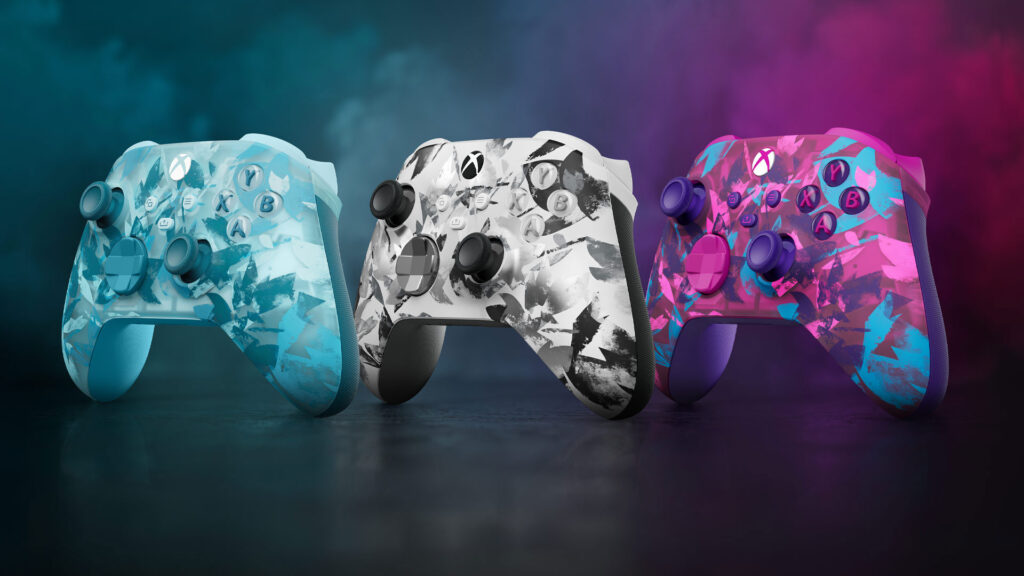
One of the most surprising rumored features involves a removable battery system for the Elite Series 3. The Elite Series 2 used an internal rechargeable battery, which divided the Xbox community. Some players appreciated the convenience, while others strongly preferred removable battery packs or traditional AA battery support.
The rumored return of removable battery functionality suggests Microsoft may be responding directly to consumer feedback. A removable battery offers several practical advantages. Players can instantly swap depleted batteries during long gaming sessions without needing to connect charging cables. It also improves long-term controller lifespan because battery degradation becomes less problematic when batteries are replaceable.
Leaks indicate Microsoft could use a hybrid approach that supports both rechargeable battery packs and standard AA batteries. This would align with Xbox’s longstanding philosophy of offering flexibility rather than forcing a single power solution.
Battery accessibility also matters for repairability. Internal batteries eventually lose capacity over time, and replacing them often requires partial disassembly. A removable system makes maintenance significantly easier for users.
Another possibility is that Microsoft wants Elite Series 3 owners to use hot-swappable battery packs designed for competitive gaming environments. Tournament players and streamers frequently game for extended periods, making instant battery replacement a useful feature.
The leak also raises questions about charging accessories. Microsoft may release updated charging docks, travel charging cases, or modular battery accessories alongside the controller itself.
Battery improvements would represent one of the clearest examples of Microsoft responding to years of user feedback regarding premium controller ownership experience.
Mysterious Scroll Wheels on the Elite Series 3 Controller
One of the strangest rumored additions involves mysterious scroll wheels reportedly appearing in leaked hardware references connected to the Elite Series 3. The exact purpose of these wheels remains unclear, but speculation has exploded across gaming communities.
Some believe the wheels may function similarly to audio mixers, allowing players to adjust game and chat volume directly from the controller. This would appeal to multiplayer players who frequently balance party communication against in-game audio.
Others speculate the wheels could control trigger sensitivity, aiming acceleration, or weapon selection shortcuts. If Microsoft integrates programmable wheel functionality, the Elite Series 3 could offer entirely new forms of control customization beyond traditional paddles and buttons.
There is also speculation that the wheels may function similarly to PC productivity hardware. Microsoft increasingly treats Xbox as part of a broader gaming ecosystem that includes Windows PCs. Scroll wheels could theoretically improve menu navigation, browser usage, streaming controls, or desktop interaction.
Another theory suggests accessibility features may play a role. Scroll wheels could provide alternative input methods for players with mobility limitations or physical disabilities.
The positioning of the wheels remains unclear based on current leak information. If placed near the grips or shoulders, they could serve quick-access gameplay functions. If positioned near the center, they may act as multimedia controls.
Regardless of their final implementation, the rumored wheels suggest Microsoft wants the Elite Series 3 to feel meaningfully different rather than simply serving as a minor hardware refresh.
New Xbox Cloud Controller Leaked by Foreign Regulator Filings
The second leaked controller appears even more interesting from a long-term strategic perspective. Reports tied to foreign regulatory filings suggest Microsoft is developing a dedicated cloud gaming controller with integrated Wi-Fi connectivity.
Regulator leaks often emerge before official announcements because companies must certify wireless devices in multiple countries before launch. According to reports tied to Brazilian certification filings and related wireless hardware listings, the new controller may support direct cloud communication features.
Unlike standard controllers that connect primarily through Bluetooth or proprietary console wireless protocols, this device reportedly focuses on direct internet connectivity.
This approach resembles how some cloud gaming services attempt to minimize latency. Instead of sending inputs through a local device before forwarding them online, a Wi-Fi-enabled controller can potentially communicate more directly with cloud servers.
Microsoft has spent years expanding Xbox Cloud Gaming through Xbox Game Pass Ultimate, and a dedicated cloud controller would fit naturally into that ecosystem.
The controller could potentially connect directly to smart TVs, streaming apps, mobile devices, or cloud servers without requiring a physical Xbox console nearby. That would significantly simplify cloud gaming setup for casual users.
The existence of these filings also reinforces the idea that Microsoft remains deeply invested in cloud gaming infrastructure despite mixed industry reactions to streaming-focused gaming models.
Xbox Cloud Controller Wi-Fi vs Bluetooth Connectivity
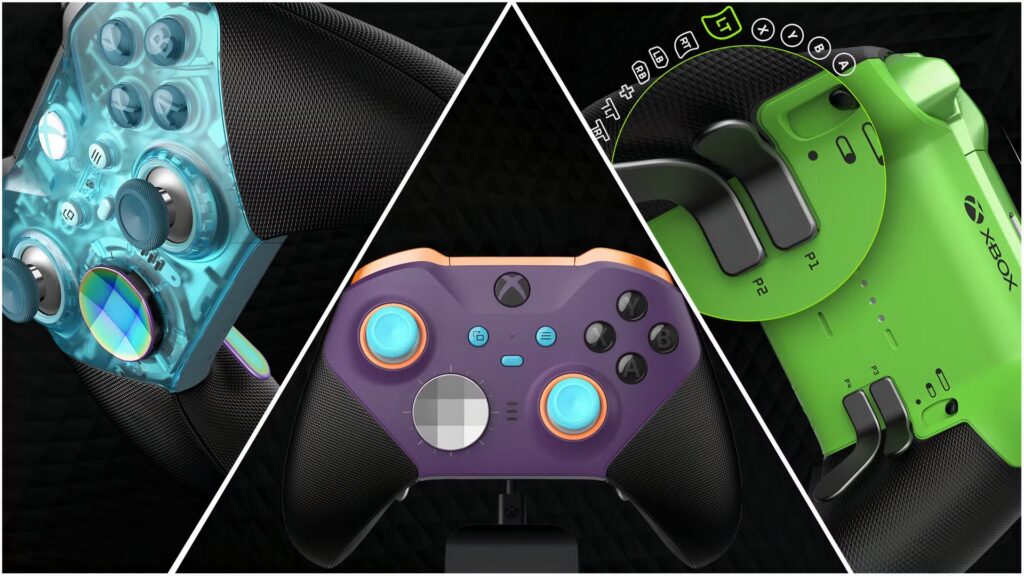
The leaked cloud controller’s most important rumored feature is direct Wi-Fi connectivity. Understanding why this matters requires comparing Wi-Fi and Bluetooth behavior in gaming environments.
Traditional Bluetooth controllers send inputs to a nearby device, such as a console, phone, or PC. That device then processes the inputs locally or transmits them online during cloud gaming sessions. This creates multiple communication steps.
A direct Wi-Fi controller could theoretically bypass some of those steps. Inputs may travel directly from the controller to cloud servers or streaming infrastructure, reducing communication delays.
Lower latency is critical for cloud gaming because streaming already introduces unavoidable network delay. Even small latency reductions can improve responsiveness, especially in fast-paced games like shooters, fighting games, or racing titles.
Google previously explored similar ideas with Stadia controllers, which connected directly through Wi-Fi. Although Stadia itself failed commercially, many engineers praised the underlying latency concepts.
Bluetooth also faces bandwidth and interference limitations in crowded wireless environments. Wi-Fi-based communication may provide more stable connections in certain conditions.
However, Wi-Fi controllers also present challenges. They require internet connectivity, firmware maintenance, account pairing systems, and more complex networking features. Battery consumption may also increase compared to Bluetooth-only controllers.
The leaked Xbox cloud controller will likely support both Bluetooth and Wi-Fi modes to maximize compatibility. Players still expect local device connectivity for non-cloud gameplay.
If Microsoft executes the technology properly, the controller could become a major component of Xbox Cloud Gaming’s future expansion strategy.
Why Microsoft Might Push a Cloud-First Xbox Controller
Microsoft’s broader gaming strategy increasingly emphasizes platform flexibility rather than hardware exclusivity. A cloud-first controller fits perfectly within that philosophy.
Xbox Game Pass already allows players to access games across consoles, PCs, handhelds, mobile devices, and streaming platforms. Microsoft repeatedly describes Xbox as an ecosystem rather than a single device category.
A dedicated cloud controller would strengthen this ecosystem by reducing setup friction. New users could potentially subscribe to Game Pass, pair a controller to a TV app, and start playing instantly without purchasing a console.
This model also expands Xbox’s reach into international markets where console adoption rates differ from North America and Europe. Cloud streaming can reduce hardware cost barriers for some users.
Microsoft additionally faces growing competition from handheld PCs, streaming devices, and alternative gaming ecosystems. A cloud controller helps Xbox remain visible across multiple device categories.
Another important factor is smart TV integration. Xbox Cloud Gaming apps are already expanding onto televisions and streaming hardware. A Wi-Fi-enabled controller pairs naturally with that direction.
Cloud-focused hardware may also help Microsoft compete with subscription-driven entertainment ecosystems. Gaming increasingly overlaps with streaming media consumption, and Microsoft appears determined to position Xbox as a service accessible everywhere.
Differences Between Elite Series 2 and Elite Series 3
The leaked Elite Series 3 reportedly introduces multiple upgrades over the Elite Series 2 beyond cosmetic changes.
Battery flexibility may become one of the biggest differences if removable batteries return. Many players disliked being locked into internal rechargeable systems.
Durability improvements are another major rumored focus. The Elite Series 2 received criticism for bumper reliability, stick drift, and grip wear. Microsoft likely understands that premium controller buyers expect better long-term quality.
Wireless performance also appears set to improve. Faster polling rates, reduced latency, and expanded connectivity options may separate the Elite Series 3 from its predecessor.
The rumored scroll wheels represent entirely new hardware functionality not present on the Elite Series 2. If programmable, they could significantly expand customization possibilities.
Enhanced onboard software and profile management may also improve usability for competitive players who regularly switch between games.
The Elite Series 3 may additionally feature improved haptic systems and adaptive feedback technology. While Microsoft has historically taken a different approach from PlayStation’s DualSense features, there is growing pressure to modernize premium controller feedback systems.
The controller’s materials may also evolve. Stronger grip textures, refined plastics, and reinforced internal mechanisms could help justify the expected premium pricing.

Expected Price Range for the Leaked Xbox Controllers
Pricing speculation has become one of the hottest topics surrounding the leaks because premium gaming accessories continue becoming more expensive.
The Elite Series 2 already launched at a premium price point, and inflation combined with advanced features suggests the Elite Series 3 could cost even more. Many analysts expect pricing between $180 and $250 depending on included accessories and bundles.
If Microsoft includes modular batteries, advanced wireless hardware, new onboard controls, and upgraded materials, the final price could push toward the higher end of that range.
The cloud-focused controller may target a different audience entirely. Because cloud gaming emphasizes accessibility, Microsoft may try to keep pricing more affordable. Estimates currently place the cloud controller somewhere between $70 and $130.
Pricing strategy will matter significantly because controller competition has intensified. Sony, Nintendo, SCUF, Razer, ASUS, and third-party manufacturers all compete aggressively in the premium accessory market.
Microsoft must balance premium features with consumer expectations regarding durability and long-term value.
What the Brazilian Regulator Leak Revealed About Specs
Brazilian regulator filings reportedly revealed several technical details connected to the leaked controllers. Although certification documents rarely provide complete product breakdowns, they often confirm wireless standards, battery configurations, and connectivity features.
Reports suggest the filings referenced updated wireless communication protocols alongside USB-C support and battery specifications.
USB-C appears guaranteed across both controllers. Microsoft has already transitioned most modern Xbox accessories toward USB-C connectivity, making older Micro-USB standards highly unlikely.
The filings also reportedly hinted at upgraded wireless modules capable of supporting expanded connectivity modes. This aligns with rumors surrounding direct Wi-Fi cloud functionality.
Battery capacity details remain incomplete, but leaks suggest Microsoft may increase battery efficiency while maintaining lightweight controller design.
The documents also reportedly referenced multiple model variants, suggesting Microsoft could launch several controller editions or regional configurations.
Certification leaks rarely reveal final marketing names, but they often provide strong evidence that hardware announcements are approaching.
USB-C, Battery Size, and Wireless Features on the New Controllers
USB-C has become the modern standard for gaming accessories, and both leaked controllers reportedly embrace the format fully.
USB-C offers faster charging, reversible connections, stronger cable durability, and improved data transfer compared to older connector standards. Competitive players especially appreciate stable wired connectivity during tournaments.
Battery improvements appear central to Microsoft’s plans. Whether through removable systems or larger internal capacity, battery longevity remains one of the most requested controller features.
Wireless functionality may become the biggest technological leap. The Elite Series 3 reportedly improves existing Xbox Wireless protocols while the cloud controller potentially introduces entirely new networking approaches.
Bluetooth support will likely remain universal for compatibility reasons. However, Microsoft appears increasingly interested in multi-mode connectivity that supports console, PC, mobile, and cloud platforms simultaneously.
The leaked hardware strategy suggests Microsoft wants Xbox controllers to function seamlessly across all modern gaming environments rather than serving only console owners.

How Direct Wi-Fi Controllers Could Reduce Cloud Gaming Latency
Latency remains one of cloud gaming’s biggest technical challenges. Every millisecond matters in interactive entertainment, especially in competitive genres.
A direct Wi-Fi controller reduces communication layers between player input and remote game servers. Traditional cloud gaming often involves the controller communicating with a local device first, then routing inputs online. Each stage introduces potential delay.
By communicating directly with streaming infrastructure, a Wi-Fi-enabled controller may eliminate unnecessary translation steps.
Reduced latency improves aiming precision, reaction timing, menu responsiveness, and overall gameplay feel. Even slight improvements can dramatically change player perception.
Cloud gaming skeptics frequently criticize input delay as the technology’s biggest weakness. Microsoft likely understands that solving latency concerns is essential for long-term streaming adoption.
Wi-Fi controllers may also improve synchronization consistency during unstable wireless conditions. Instead of relying entirely on Bluetooth translation through secondary hardware, direct server communication can potentially streamline data flow.
The success of such technology depends heavily on Microsoft’s network infrastructure, regional server availability, and software optimization.
Potential Xbox Showcase Reveal Dates for New Hardware
The timing of these leaks has fueled speculation about upcoming Xbox hardware presentations.
Microsoft traditionally reveals major gaming hardware around summer showcases, large gaming conventions, or dedicated Xbox events. Industry watchers believe an Xbox Games Showcase presentation could become the most likely reveal window.
Holiday-season hardware launches also remain possible because controllers represent strong gift-market products.
Another possibility involves staggered announcements. Microsoft could reveal the cloud controller first to support expanding Xbox Cloud Gaming initiatives while saving the Elite Series 3 for a separate premium hardware showcase.
Regulatory filings often appear several months before official launches, meaning these controllers may already be nearing final production stages.
If Microsoft wants to align hardware launches with major Game Pass initiatives or cloud platform updates, reveal timing could coincide with broader ecosystem announcements.
How These Controllers Fit into Microsoft’s Xbox Hardware Strategy
These leaks make the most sense when viewed through Microsoft’s larger Xbox strategy.
The company no longer defines Xbox purely as a console platform. Xbox now spans PCs, cloud services, subscriptions, handheld partnerships, mobile devices, and streaming ecosystems.
The Elite Series 3 supports Microsoft’s premium enthusiast audience. Competitive players, content creators, and hardcore Xbox fans remain important customers willing to invest heavily in accessories.
The cloud controller supports Microsoft’s long-term expansion goals. It helps Xbox exist beyond traditional console ownership models.
Together, the two controllers represent Microsoft targeting both ends of the gaming market simultaneously. One product pushes premium hardware innovation. The other pushes accessibility and ecosystem expansion.
This dual approach reflects Microsoft’s broader business strategy across gaming services, subscription models, and platform integration.
What Gamers Want Most from the Next Elite Controller
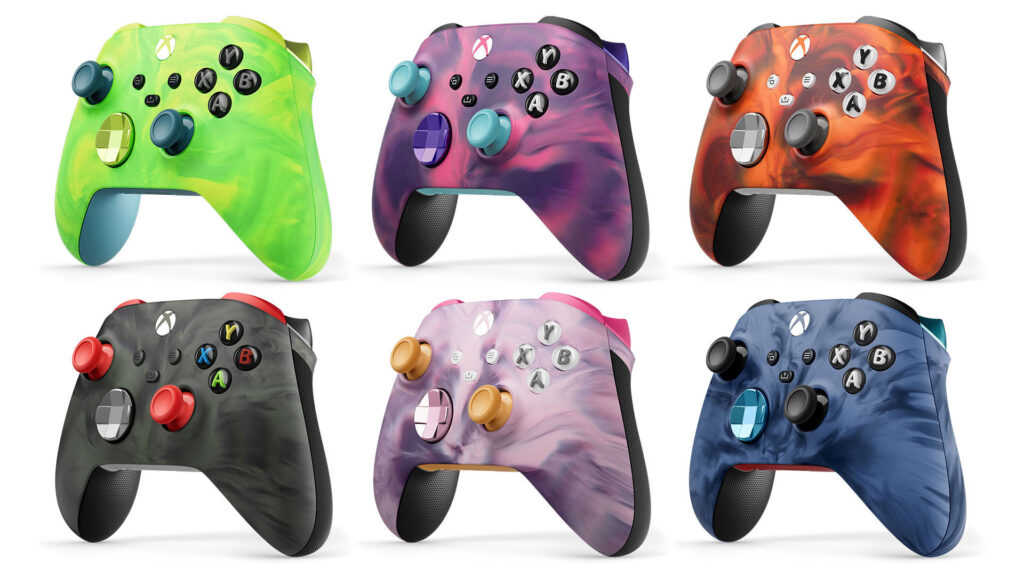
Community discussion surrounding the leaks has highlighted several consistent requests from Xbox players.
Reliability remains the single biggest demand. Many players want Microsoft to eliminate stick drift, bumper failures, and grip peeling problems permanently.
Battery flexibility ranks extremely high on player wish lists. Some users want removable batteries while others simply want longer-lasting rechargeable systems.
Improved customization also remains important. Players want more remappable controls, advanced sensitivity tuning, deeper profile management, and expanded accessory compatibility.
Lower latency and faster wireless response continue growing in importance as competitive gaming expands.
Many players also want quieter buttons, stronger triggers, improved carrying cases, and easier repair options.
Another recurring request involves better software integration across Xbox consoles and Windows PCs. Players increasingly expect unified ecosystem support rather than platform fragmentation.
If Microsoft successfully addresses these concerns while introducing meaningful innovation, the Elite Series 3 could become one of the company’s most important gaming accessories in years.
Frequently Asked Questions (FAQs)
- What is the biggest Xbox controller leak in 2026?
The biggest Xbox controller leak in 2026 involves two separate devices: the rumored Xbox Elite Series 3 controller and a new cloud-focused Xbox controller with direct Wi-Fi connectivity. - What new features are rumored for the Xbox Elite Series 3?
Rumored features include removable batteries, improved stick durability, new scroll wheel controls, upgraded wireless performance, expanded customization options, and refined ergonomics. - Why are gamers excited about removable batteries returning?
Many players prefer removable batteries because they allow instant swapping during gameplay and improve long-term controller lifespan. - What is the purpose of the leaked Xbox cloud controller?
The cloud controller appears designed to improve Xbox Cloud Gaming performance through direct Wi-Fi connectivity and lower latency streaming. - How could Wi-Fi improve controller performance over Bluetooth?
Direct Wi-Fi communication may reduce latency by minimizing the number of communication steps between player input and cloud gaming servers. - What problems does Microsoft need to fix with the Elite Series 3?
Players want Microsoft to address stick drift, bumper failures, grip peeling, battery concerns, and overall long-term durability. - Will the leaked controllers work on PC and mobile devices?
Leaks strongly suggest both controllers will support broad cross-platform compatibility including Xbox consoles, PCs, mobile devices, and cloud gaming platforms. - How much could the Xbox Elite Series 3 cost?
Current estimates place the Elite Series 3 between $180 and $250 depending on included accessories, charging systems, and modular hardware features. - When could Microsoft officially reveal the new Xbox controllers?
Many industry observers expect potential reveals during a future Xbox Games Showcase or major Microsoft gaming presentation. - Why is Microsoft focusing so heavily on cloud gaming hardware?
Microsoft sees cloud gaming as a major part of Xbox’s future ecosystem strategy, allowing players to access games across TVs, phones, PCs, handhelds, and streaming platforms without relying entirely on traditional consoles.

Conclusion
The leaked Xbox controllers reveal two very different visions for the future of Xbox hardware. The Xbox Elite Series 3 appears focused on satisfying enthusiast players who demand premium materials, deeper customization, better reliability, and advanced competitive gaming features. Meanwhile, the cloud-focused Xbox controller signals Microsoft’s continued push toward platform flexibility, streaming integration, and cloud-first gaming experiences.
Together, the leaks show Microsoft attempting to strengthen every layer of the Xbox ecosystem at the same time. One controller improves the high-end local gaming experience while the other potentially expands Xbox accessibility across entirely new devices and environments.
The rumored additions including removable batteries, direct Wi-Fi connectivity, USB-C upgrades, scroll wheel controls, improved wireless performance, and enhanced customization all suggest Microsoft understands the increasing complexity of modern gaming habits. Players now move constantly between consoles, PCs, mobile devices, handhelds, and cloud streaming platforms, and future Xbox hardware appears designed around that reality.
Whether every leaked feature proves accurate remains uncertain until Microsoft officially announces the hardware. However, the consistency of regulator filings, insider reports, and wireless certification leaks strongly suggests that major new Xbox controller hardware is approaching sooner rather than later.
Sources and Citations
- Xbox Official Website Official Xbox platform information and hardware details.
https://www.xbox.com/ - Microsoft Gaming Official News Official Xbox and Microsoft Gaming announcements.
https://news.xbox.com/ - Xbox Elite Wireless Controller Series 2 Official product specifications and feature details.
https://www.xbox.com/accessories/controllers/elite-wireless-controller-series-2 - Xbox Cloud Gaming Official Information Cloud gaming support and streaming features.
https://www.xbox.com/xbox-game-pass/cloud-gaming - Microsoft Support Xbox Controllers Documentation Official setup, troubleshooting, and controller support guides.
https://support.xbox.com/help/hardware-network/controller - Windows Central Xbox Hardware Reports Xbox hardware leaks, reports, and analysis.
https://www.windowscentral.com/gaming/xbox - The Verge Xbox Coverage Xbox gaming news and hardware reporting.
https://www.theverge.com/xbox - GameSpot Xbox Coverage Xbox hardware news and gaming coverage.
https://www.gamespot.com/games/xbox-series-x/ - IGN Xbox Coverage Xbox news, previews, and hardware analysis.
https://www.ign.com/xbox - Brazil National Telecommunications Agency (ANATEL) Brazilian certification filings and telecom approvals.
https://www.gov.br/anatel/pt-br
Recommended
- Best Starter Car in Forza Horizon 6: Which Starter Should You Pick & Why it Doesn’t Matter as Much as You Think
- Amazon Introduces New DDoS Protection for Devs Using AWS GameLift Servers (How It Works + Setup)
- Hunter: The Reckoning – Deathwish Revealed at Xbox Partner Preview Showcase: Release Window, Story, Gameplay, and Platforms
- Improving Blender Rendering: How The View Keeper Makes Rendering a Fun Experience
- Mastering Massive Crowd Animation in Unreal Engine: Techniques, Tools, and Optimization Strategies
- Arc Raiders Rushes Out Emergency Fix After Its Discord Accidentally Spied On Players
- Anthropic Will Ask Claude Users to Verify Their Identities “For a Few Use Cases” What It Means and How It Works
- Marathon Official “Triage Shell” Cinematic Trailer Explained: Story, Gameplay Details, Release Insights, and Everything We Know
- Disney and Deaf West Theatre Respond to Readability Concerns in Fast-Paced ASL Animation (Songs in Sign Language Explained)
- MetaHuman Animator: A Complete Guide to High-Fidelity Facial Animation in Unreal Engine



































































































