








In This Article (7 sections)
Paralives 1 Million Sales Milestone and Why It Became a Breakout Indie Success
Paralives selling more than 1 million copies, reportedly around 10 times its initial expectations, represents a major achievement for an independently developed life simulation game. The milestone reflects more than commercial success. It demonstrates growing demand for alternatives within the life simulation genre and shows how a relatively small development team can build a large international audience through community engagement, creative freedom, and transparent development.
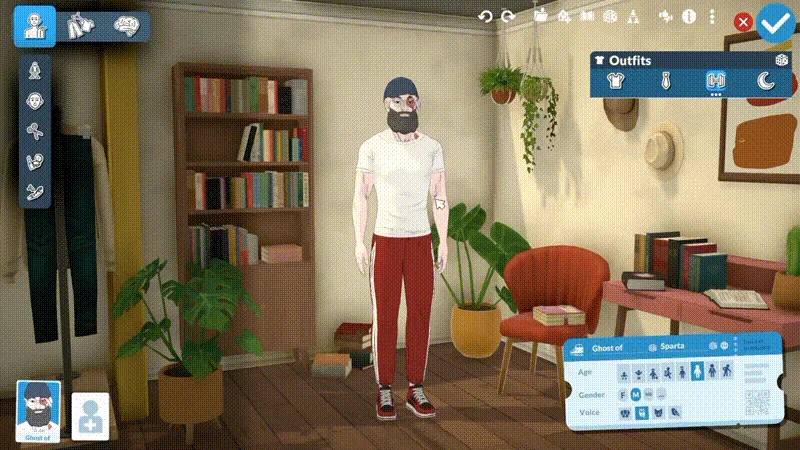
Several factors contributed to the game’s performance. Customization became one of its strongest selling points, with Paralives emphasizing detailed control over characters, homes, and virtual environments. This appealed to players who wanted greater flexibility from life simulation games and helped establish a recognizable identity long before release.
The development team’s communication also played an important role. Regular progress updates, development discussions, and behind-the-scenes material allowed players to follow the project closely and develop confidence in its direction. This created a substantial audience of interested players before early access began, helping convert existing wishlists into initial purchases.
After release, visibility expanded through content creators, streamers, screenshots, custom builds, and social media discussions. Life simulation games naturally generate shareable content because different players create different characters, homes, and stories. This helped Paralives continue reaching audiences beyond those who had followed its development from the beginning.
The game’s early access model strengthened that relationship. Rather than treating the initial release as a finished endpoint, the developers could gather player feedback and use it to refine mechanics, improve performance, introduce quality of life changes, and determine priorities for future updates. New features could then create additional periods of attention and encourage existing players to return.
Steam has been particularly important to this growth. Its wishlist system provided Paralives with a built-in launch audience, while reviews, community discussions, and user generated content increased organic visibility after release. Steam therefore functioned as both a distribution platform and an important community hub.
Lead developer Alex Massé’s reaction to the sales milestone reflected the significance of the achievement for a relatively small team. Rather than using the unexpected success as a reason to radically change direction, the response emphasized continuing development and maintaining the principles that originally attracted the community.
The result is a strong example of how an indie studio can compete in a genre historically associated with much larger companies. Instead of attempting to match a major publisher through marketing spending or production scale, Paralives built its position around focused design priorities, direct communication, and a community willing to support the project over an extended development period.

Paralives vs The Sims, Player Engagement, Mods, and Its Community Focus
Comparisons between Paralives and The Sims 4 are inevitable, but the two games operate at very different scales. The Sims 4 belongs to an established franchise with years of expansions, worldwide recognition, and a much larger overall player base. Paralives is a newer independent project whose significance comes from how quickly it established itself within the same genre.
Its appeal among some The Sims players is largely connected to customization and development philosophy. Players interested in greater control over character appearance, home construction, and environmental details may see Paralives as another way to experience the genre rather than simply as a replacement for The Sims.
The indie structure is another attraction. Direct communication between developers and players gives the community greater visibility into how the game evolves. Feedback during early access can influence balancing, quality of life improvements, performance changes, and the priorities assigned to upcoming features.
Community engagement also extends beyond official development. Player created screenshots, homes, characters, stories, and customization showcases generate a continuing stream of content that keeps the game visible between major updates. Player counts may increase when significant features arrive, showing how continued development can bring existing owners back into the game.
Mod support strengthens this approach by allowing players to expand the experience beyond official content. Steam Workshop integration can make community created modifications easier to distribute and install, helping players personalize the game while extending its replayability.
Mods can potentially cover areas such as:
- Cosmetic customization
- Building additions
- Character options
- Gameplay adjustments
- Quality of life improvements
- Additional community created content
This type of ecosystem has particular value for life simulation games because they depend heavily on creativity and long-term experimentation. Even after players have explored official systems, community content can provide additional reasons to start new households, redesign homes, or experiment with different play styles.
The game’s approach to future content also contributes to community trust. Paralives emphasizes free updates rather than relying heavily on a fragmented paid DLC structure. Continued additions to core systems can therefore reach the broader player base without requiring repeated purchases for every significant feature.
Its roadmap follows an iterative development philosophy. Instead of attempting to deliver every planned feature immediately, the developers can expand simulation mechanics, customization systems, and world building gradually while responding to player feedback. This allows individual systems to be tested and refined as development continues.
The success of this model demonstrates that community involvement can become a commercial advantage. Players who feel connected to development are more likely to follow updates, provide feedback, create content, recommend the game, and return when new features arrive.

What Paralives’ Success Means for Indie Developers and the Life Simulation Genre
The rise of Paralives has broader implications for the life simulation market. For years, the genre has been strongly associated with a small number of established franchises, making it difficult to determine whether audiences would substantially support independent alternatives. Reaching more than 1 million sales demonstrates that demand exists for different interpretations of life simulation.
One important lesson is that smaller studios do not necessarily need to reproduce the production scale of major publishers. Paralives focused its resources on systems closely connected to its identity, including customization, building, simulation, and user experience. A smaller team can therefore compete by offering something distinctive rather than attempting to match every feature of a long-running franchise immediately.
Its development also illustrates the value of early community building. Interest was established long before release through progress updates and communication, creating an audience that understood what the project was trying to accomplish. Early access then turned that community into an active source of feedback while simultaneously providing revenue for continued development.
This model creates a reinforcing cycle:
- Developers introduce or improve features.
- Players test those systems and provide feedback.
- Updates encourage existing players to return.
- Community content creates additional visibility.
- New players discover the game.
- Continued sales help support further development.
The game’s success may also encourage more independent studios to explore life simulation. A market with several successful titles creates greater diversity in areas such as building systems, relationships, character customization, world simulation, art direction, and monetization.
For players, that means more choice. Some games may emphasize realistic simulation, while others concentrate on storytelling, construction, social relationships, or creative freedom. Competition can also encourage established developers to improve their own systems as audience expectations evolve.
The 1 million sales milestone therefore matters beyond the number itself. It demonstrates that an independent life simulator can attract a substantial global audience without relying on an established franchise or massive publisher. It also validates community-driven development, early access, mod support, and consumer-friendly content strategies as potential foundations for long-term success.
If Paralives continues expanding its simulation systems and maintaining player engagement, its achievement could become an important reference point for future indie developers. More broadly, it suggests that the life simulation genre is becoming less dependent on a single dominant model and more open to smaller teams offering different ideas about how virtual lives, homes, relationships, and communities should work.

Frequently Asked Questions (FAQs)
- What does it mean that Paralives sold over 1 million copies?
It means Paralives passed a major commercial milestone by selling more than one million units across its available distribution channels. For a small independent life simulation project, reaching seven figure sales is especially significant because it shows the game attracted an audience far beyond its original expectations. - Why did Paralives exceed sales expectations by so much?
Its success appears to come from several factors working together, including years of community interest, transparent development updates, strong wishlist momentum, and demand for a fresh alternative in the life simulation genre. Positive word of mouth and creator coverage also helped expand its audience after release. - Is Paralives more successful than expected indie games usually are?
Yes. Selling around 10 times more than originally projected places Paralives well above the expectations usually associated with smaller independent projects. It demonstrates that an indie game can reach a very large audience when it finds the right market and builds strong community support. - How important was early access to Paralives’ success?
Early access played an important role because it allowed players to support the game while development continued. It also gave the developers a steady stream of feedback, helped generate ongoing revenue, and created repeated attention whenever major updates or improvements were released. - How does Paralives compare to The Sims 4?
Paralives emphasizes flexible building, detailed customization, and a community focused development approach, while The Sims 4 benefits from a much larger established ecosystem and years of expansions. The comparison is less about one replacing the other and more about giving life simulation players additional choices. - Will Paralives continue receiving updates?
Yes. The development roadmap is built around continued expansion of the game’s systems, customization options, simulation depth, and other features. The team has emphasized an iterative approach where new content and improvements are added progressively based partly on community feedback. - Does Paralives support mods?
Yes. Mod support and Steam Workshop integration allow players to create, share, and download community made content. This can expand customization and gameplay possibilities while helping the game remain fresh between official updates. - Why are players interested in switching to Paralives?
Some players are attracted by its deeper customization, transparent communication, and indie development philosophy. Others simply want another life simulation experience with different design priorities rather than relying entirely on one long established franchise. - Is Paralives only successful on Steam?
Steam is one of the most important platforms for the game’s visibility, wishlists, reviews, and sales, but the overall success is not limited to Steam alone. The broader milestone reflects the game’s performance across its available distribution channels. - What does Paralives’ success mean for future games?
It shows that independent life simulation games can attract large audiences even in a genre traditionally dominated by major franchises. That success could encourage more studios to experiment with different simulation systems, business models, customization options, and community driven development approaches.

Conclusion
The achievement of “Paralives has sold over 1 million copies, which is 10 times more than expected” represents a defining moment in modern indie gaming. It highlights a powerful shift in player preferences, where creativity, transparency, and community involvement can rival even the most established franchises.
Paralives stands as proof that a small team with a strong vision can reshape expectations within an entire genre. Its success not only validates the development approach but also signals a future where life simulation games become more diverse, flexible, and player driven than ever before.
Sources and Citations
- The paragraph does not name specific publications, so its original sources cannot be identified. These links provide relevant background on the topics mentioned.
- Video Game Insights, Global Indie Games Market Report 2024 : Examines indie game market growth, Steam revenue trends, successful releases and differences between studio sizes. Provides industry context for discussing independent game distribution and commercial performance. vginsights.com
Citation: Global Indie Games Market Report 2024. (Sensor Tower) - Valve, Steam Early Access documentation : Explains how Early Access supports development through community feedback, including pricing, communication and the transition to a full release. Discusses how player satisfaction and existing demand can affect launch performance, without establishing a universal forecasting model. partner.steamgames.com
Citation: Early Access. (Steamworks) - Valve, Visibility on Steam documentation : Describes how games receive exposure through launch placements, recommendations, genre tags and update promotions. Explains the role of purchasing and playing activity in helping games reach interested audiences. partner.steamgames.com
Citation: Visibility on Steam. (Steamworks) - Eludamos, research on cozy game player motivations : Investigates why people play cozy games, identifying motivations including personal agency, escapism, narrative interest and emotionally meaningful experiences. Provides related audience research, although its scope is broader than life simulation games alone. Eludamos: Journal for Computer Game Culture
Citation: Curled up with a good game: A survey study on personality traits and game motives of cozy game players. (Eludamos) - Johan Linåker, Elizabeth Bjarnason and Fabian Fagerholm, November 2024 : Research based on interviews with ten indie developers examines testing, player feedback and experimentation before release. Explains how limited resources and access to representative players constrain the evidence available during early development. arxiv.org
Citation: Pre-Release Experimentation in Indie Game Development: An Interview Survey. (arXiv)
Recommended
- Saber Interactive’s Road Kings Truck Sim Launches March 11, 2027 on PS5, Xbox Series X|S and PC
- How to Create a Hyper Realistic Metahuman in Unreal Engine 5: Complete Workflow Guide
- World Humanoid Robot Games in Beijing: Robot Fire and Fortnite Emotes
- Why miHoYo Is Considered the World’s Most Valuable Private Gaming Company: The Important Catch according to Hurun Research Institute
- Tomb Raider Studio Faces Fourth Round Of Layoffs In Just 12 Months: Crystal Dynamics Cuts Staff While New Tomb Raider Games Continue
- Supergirl Reviews Are Mixed as James Gunn’s DC Universe Enters Its Second Movie
- Switch 2 and PS5 Versions of Mewgenics Teased by Developers: Release Date, Gameplay, and Console Plans Explained
- How to Use MetaHuman Animator: A Step-by-Step Guide for Realistic Facial Animation
- James Gunn Heading Back to Marvel Studios After Paramount Deal? Latest Rumors, Timeline, and What’s Confirmed



































































































