




The recent wave of discussion surrounding the Paranormal Activity franchise has intensified following a statement attributed to director Brian Clarke, in which he alleged that the intellectual property holder, Paramount, refused to grant additional development time for a new expansion project tied to the horror series. The statement quickly circulated across entertainment industry circles and fan communities, igniting debates about creative control, studio constraints, and the future of long-running horror IPs.
At the center of the controversy is Clarke’s claim that the project required more time to refine its narrative structure, gameplay integration (if applicable), and cinematic pacing, but that Paramount declined to extend the development window. According to Clarke’s remarks, this limitation significantly impacted the scope of what the team could achieve creatively.
The Paranormal Activity franchise, known for its minimalist found-footage horror style and psychological tension, has historically relied on tight production cycles and low-budget efficiency. However, Clarke’s statement suggests a growing tension between creative ambition and studio-driven scheduling models.
Industry observers note that such disputes are not uncommon when established IPs are being expanded into new formats such as interactive media, streaming spin-offs, or hybrid cinematic experiences. The controversy highlights a broader issue: how legacy horror franchises evolve under corporate ownership while balancing artistic intent and financial constraints.
In This Article (18 sections)
Why Paramount Allegedly Refused Extra Development Time for Paranormal Activity Project
According to Clarke’s account, Paramount’s decision to refuse additional development time was rooted in production scheduling priorities and franchise management strategies. Studios often operate under strict timelines designed to align with release windows, marketing cycles, and cross-platform synergy opportunities.
In the case of the Paranormal Activity IP, the franchise has long been considered a reliable low-risk, high-return asset. This makes it particularly sensitive to delays, as even minor schedule shifts can affect broader strategic planning.
Clarke suggested that the requested extension was intended to enhance narrative depth and technical execution. However, Paramount allegedly prioritized maintaining the existing timeline to avoid disrupting internal release strategies and associated licensing agreements.
From a business perspective, studios frequently weigh the cost of delays against potential quality improvements. While additional development time can lead to more polished outcomes, it also introduces financial risks, including increased labor costs, missed market windows, and scheduling conflicts with other productions.
This tension between creative development cycles and corporate scheduling efficiency lies at the heart of the dispute, according to interpretations of Clarke’s statement.
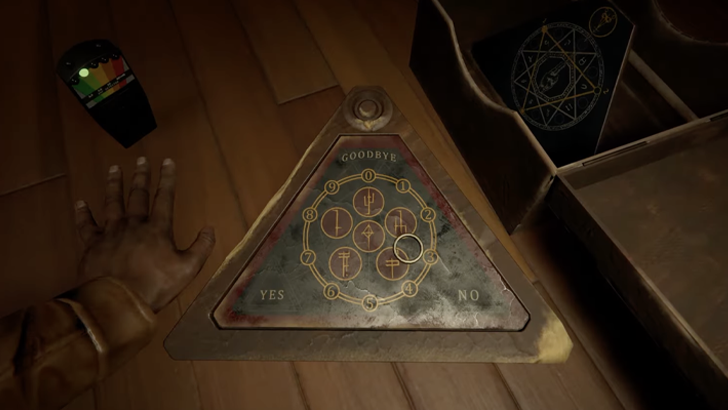
Director Brian Clarke Speaks Out on Paranormal Activity Production Delays
Brian Clarke’s public remarks mark one of the most direct criticisms of studio decision-making tied to the Paranormal Activity franchise in recent years. He reportedly emphasized that the development team faced constraints that limited iterative testing, refinement, and creative exploration.
Clarke’s comments highlight production delays not as accidental setbacks, but as consequences of structural limitations imposed by external oversight. He described the situation as one where the project’s evolution was compressed into a timeline that did not fully accommodate its design ambitions.
In creative industries, especially horror media, pacing and atmosphere are critical. Any reduction in development time can significantly alter the final tone and effectiveness of the experience. Clarke’s statement implies that certain narrative layers or interactive elements may have been reduced or simplified as a result.
While Paramount has not publicly confirmed or expanded on these claims in detail, the discourse around Clarke’s statement has fueled renewed interest in how horror franchises are developed under major studio ownership.
How Development Time Disputes Impact Horror Franchise Adaptations
Development time disputes are particularly impactful in horror franchise adaptations because the genre relies heavily on atmosphere, timing, and psychological build-up. Unlike action-driven franchises, horror experiences often require extensive iteration to fine-tune tension curves, sound design, and narrative pacing.
When development time is restricted, creators may be forced to cut experimental mechanics, reduce branching narrative paths, or simplify cinematic sequences. This can directly influence audience reception, especially among fans expecting innovation within established IP frameworks.
In franchise adaptations such as Paranormal Activity, which transitioned from film into broader media interpretations, the stakes are even higher. Each new installment must balance franchise identity with modern audience expectations.
Shortened development cycles can lead to:
- Reduced narrative complexity
- Limited environmental storytelling
- Fewer iterative testing phases
- Simplified gameplay or cinematic mechanics
- Increased reliance on proven franchise formulas
These constraints often lead to a safer but less innovative final product, which may satisfy commercial goals but disappoint creative ambitions.

Paranormal Activity Franchise Timeline and How the New Project Fits In
The Paranormal Activity franchise began in 2007 and quickly became a defining example of low-budget horror success. Its original installment revolutionized found-footage horror, relying on minimalistic production and maximum psychological tension.
Over time, the franchise expanded through multiple sequels, prequels, and spin-offs, each exploring different aspects of the supernatural mythology introduced in the original film. The series has also experimented with expanding its narrative universe beyond traditional film formats.
The project referenced in Clarke’s statement appears to be part of this broader expansion strategy, potentially aimed at modernizing the franchise for contemporary audiences. Whether as an interactive experience, narrative reboot, or hybrid adaptation, the project was positioned as a significant evolution of the IP.
Within the franchise timeline, this new project represents an attempt to bridge legacy storytelling with modern media expectations. However, the alleged development constraints suggest a friction between innovation and established production frameworks.
What Brian Clarke Revealed About Behind-the-Scenes Production Struggles
Clarke’s statements shed light on several behind-the-scenes challenges that reportedly affected the project’s development. Among the key issues mentioned were compressed timelines, iterative limitations, and restricted creative flexibility.
He suggested that the development team encountered difficulties in fully realizing the intended scope of the project due to time constraints. This included challenges in refining narrative cohesion and optimizing user or viewer engagement mechanics.
Behind-the-scenes struggles in franchise projects often involve coordination between multiple departments, including writing, production design, technical development, and executive oversight. When timelines are shortened, synchronization across these teams becomes more difficult.
Clarke’s remarks imply that the project may have been in a constant state of adaptation, responding to shifting deadlines rather than following a stable creative roadmap.

Paramount’s Reported Stance on Paranormal Activity IP Development Constraints
While Paramount has not issued a detailed public response to Clarke’s specific claims, industry interpretation of its typical IP management approach suggests a strong emphasis on controlled production timelines and budget efficiency.
Studios like Paramount often manage franchises through tightly structured development pipelines. These pipelines ensure that multiple projects across different IPs remain aligned with broader corporate strategies.
From this perspective, development constraints are not necessarily intended to limit creativity, but to ensure predictability and financial stability across the portfolio.
In the case of Paranormal Activity, the franchise’s history as a cost-effective horror property may influence expectations regarding production speed and resource allocation. This could explain why additional development time requests might be resisted in favor of maintaining established schedules.
Fan Reactions to Alleged Paranormal Activity Development Shutdown Claims
Fan reactions to Clarke’s statement have been mixed, reflecting both concern and skepticism. Long-time followers of the franchise expressed disappointment at the possibility that creative limitations may have affected the project’s quality.
Some fans argue that the Paranormal Activity series thrives on innovation within minimalistic constraints, and that additional development time could have elevated the experience significantly.
Others remain cautious, noting that statements from individual creators do not always reflect the full complexity of studio decision-making processes.
Online discussions have also highlighted broader frustration with how legacy horror franchises are handled in modern entertainment ecosystems, particularly when corporate priorities appear to override creative experimentation.

Could the Paranormal Activity IP Expansion Still Move Forward Despite Setbacks?
Despite the reported setbacks, it remains possible for the Paranormal Activity IP expansion to continue in some form. Development cycles in the entertainment industry are often fluid, with projects undergoing revisions, delays, or restructuring before eventual release.
If the core concept remains viable, studios may revisit earlier development phases or allocate additional resources in future iterations. Alternatively, the project could be re-scoped to fit within existing constraints.
Franchise IPs rarely remain dormant indefinitely, especially when they retain strong brand recognition and audience demand. Even if the current iteration is impacted, future adaptations or spin-offs may still emerge.
Horror Franchise Development Issues: Comparing Paranormal Activity to Other Studios
The situation described by Clarke is not unique to Paranormal Activity. Many horror franchises experience similar tensions between creative ambition and production efficiency.
Franchises such as Halloween, Saw, and The Conjuring have all undergone periods of rapid production cycles, where tight deadlines influenced creative decisions.
In comparison, some studios have adopted more flexible development models, allowing extended pre-production phases to refine narrative and technical elements. However, these approaches are less common in lower-budget horror franchises due to cost considerations.
The comparison highlights a structural divide in the industry between high-budget cinematic universes and efficiently produced horror IPs.
The Role of IP Holders Like Paramount in Controlling Franchise Direction
IP holders such as Paramount play a central role in shaping the direction of long-running franchises. They oversee budgeting, scheduling, distribution planning, and overall brand consistency.
This control ensures that franchises remain commercially viable and aligned with broader corporate strategies. However, it can also introduce friction when creative teams seek additional time or flexibility.
In cases like the Paranormal Activity expansion, IP control may influence not only production timelines but also narrative direction, tone, and scope.
The balance between creative autonomy and corporate oversight is a persistent issue in modern franchise development.

What “Refused Extra Development Time” Could Mean for the Project’s Quality
The phrase “refused extra development time” can have multiple implications depending on context. In production terms, it may indicate that the project was required to proceed without extending its pre-production or refinement phase.
This can affect:
- Narrative depth and coherence
- Technical polish and optimization
- Testing and iteration cycles
- Creative experimentation opportunities
While not necessarily indicative of a flawed final product, reduced development time often limits the ability to fully explore creative possibilities.
In horror media, where subtlety and atmosphere are crucial, even small compromises in development can significantly alter audience experience.
Industry Response to Brian Clarke’s Comments on Paranormal Activity
Industry reactions to Clarke’s comments have been measured, with analysts focusing on broader implications for franchise management rather than the specifics of the dispute.
Some commentators view the statement as reflective of a larger trend in entertainment production, where timelines are increasingly compressed due to streaming competition and franchise saturation.
Others emphasize the importance of balancing creative ambition with operational efficiency, particularly in established IP ecosystems.
Overall, the response underscores ongoing industry debate about how much flexibility should be granted to creative teams working within legacy franchises.
Potential Impact on Future Paranormal Activity Games or Spin-Offs
If the Paranormal Activity IP continues to expand into games or other spin-off formats, the issues raised by Clarke could influence future development strategies.
Studios may reconsider how they allocate development time for interactive or experimental adaptations, especially if fan expectations continue to rise.
Future projects might adopt:
- Longer pre-production phases
- Modular development structures
- Increased iterative testing
- Hybrid storytelling approaches
Alternatively, studios may maintain existing frameworks but refine internal workflows to better accommodate creative needs within fixed schedules.

Latest Updates and What’s Next for the Paranormal Activity IP Under Paramount
At present, the future of the Paranormal Activity IP under Paramount remains active but uncertain in terms of specific project timelines. While Clarke’s statement has drawn attention to internal development tensions, it does not necessarily indicate cancellation or permanent shelving.
Industry patterns suggest that franchises of this scale often undergo cycles of revision before reaching final release stages. As such, the IP is likely to continue evolving through internal restructuring, creative reassessment, or future development phases.
What remains clear is that the Paranormal Activity franchise continues to hold value as a recognizable horror brand, making it a candidate for ongoing adaptation across multiple media formats.
Frequently Asked Questions (FAQs)
- What did Brian Clarke say about Paramount?
He stated that Paramount allegedly refused to allow extra development time for a Paranormal Activity expansion project. - Was the Paranormal Activity project cancelled?
There is no confirmed cancellation, only reports of development constraints. - Why is development time important in horror games or films?
It allows for refining atmosphere, pacing, narrative depth, and technical quality. - Has Paramount responded to the claims?
No detailed public response has been released regarding Clarke’s statement. - What is the Paranormal Activity franchise about?
It is a horror franchise centered on supernatural found-footage storytelling. - Could the project still be released later?
Yes, projects often re-enter development or get restructured. - Why do studios limit development time?
To manage budgets, scheduling, and franchise release strategies. - How does this affect fans?
Fans may experience delays or changes in expected quality or content. - Is this common in the film industry?
Yes, development time disputes are common in major franchises. - Will there be future Paranormal Activity projects?
Likely yes, as the IP remains commercially active.

Conclusion
The controversy surrounding Brian Clarke’s statement about the Paranormal Activity IP highlights a recurring tension in modern entertainment production: the conflict between creative ambition and studio-imposed constraints. While Paramount’s alleged refusal to extend development time has sparked debate, it also reflects broader industry realities where scheduling, budgeting, and franchise management often dictate production outcomes.
Whether the specific project ultimately succeeds, evolves, or transforms into a different form, the situation underscores the complexities of adapting legacy horror franchises in a rapidly changing media landscape. The Paranormal Activity IP remains a valuable and flexible brand, but its future direction will likely continue to be shaped by the balance between creative vision and corporate structure.
Sources and Citations
- Brian Clarke PAX East interview remarks on Paranormal Activity: Threshold and franchise adaptation, https://bossrush.net/2026/03/pax-east-2026-paranormal-activity-threshold-demo-impressions-and-interview-with-creator-brian-clarke/
- Brian Clarke official announcement and commentary on the Paranormal Activity game project, https://x.com/DSDigitalDev/status/1762532980176593380
- GamesRadar reporting on Paranormal Activity: Threshold cancellation and development timeline, https://www.gamesradar.com/games/horror/paranormal-activity-game-dead-after-paramount-refuses-to-give-legendary-mortuary-assistant-dev-more-time-to-make-it-the-best-it-could-possibly-be/
- Yahoo Tech reporting on the canceled Paranormal Activity game project and studio scheduling issues, https://tech.yahoo.com/gaming/articles/paranormal-activity-game-project-dead-222816629.html
- Wikipedia production history and franchise development timeline for Paranormal Activity, https://en.wikipedia.org/wiki/Paranormal_Activity_%28franchise%29
- ScreenRant analysis of Paranormal Activity franchise timeline and sequel structure, https://screenrant.com/paranormal-activity-full-movie-timeline-explained/
- Collider breakdown of Paranormal Activity continuity and chronological franchise structure, https://collider.com/paranormal-activity-timeline-explained/
- SlashFilm analysis of Paranormal Activity’s non-linear storytelling and franchise evolution, https://www.slashfilm.com/654396/the-paranormal-activity-timeline-explained/
- People coverage of Paranormal Activity franchise expansion into Broadway and franchise management strategy, https://people.com/paranormal-activity-is-bringing-its-jump-scares-to-broadway-11972425/
- San Francisco Chronicle reporting on Paranormal Activity stage adaptation success and audience growth metrics, https://www.sfchronicle.com/entertainment/theater/article/paranormal-activity-act-22092744.php
- Axios review and reporting on Paranormal Activity theatrical adaptation production approach, https://www.axios.com/local/san-francisco/2026/02/26/paranormal-activity-san-francisco-toni-rembe-theater-act-review-march-2026
- Times of India reporting on Paranormal Activity reboot development and Ian Tuason directing involvement, https://timesofindia.indiatimes.com/entertainment/english/hollywood/news/paranormal-activity-reboot-undertone-director-ian-tuason-confirmed-to-helm-film/articleshow/125943820.cms
- GamesRadar reporting on Undertone director Ian Tuason leading the next Paranormal Activity film project, https://www.gamesradar.com/entertainment/horror-movies/new-supernatural-horror-undertone-is-being-called-one-of-the-scariest-movies-ever-and-drawing-comparisons-to-paranormal-activity-and-luckily-the-director-is-moving-onto-that-franchise-next/
Recommended
- Street Fighter Movie New Trailer Breakdown: Every Major Game Reference Spotted
- Custom Skyboxes with Blender: Create Equirectangular HDRIs, Fix Seams, and Export to Unity & Unreal
- The Original Final Fantasy 7 Gets a New Re-release for PC on Steam: New Features, Free Upgrade, and Known Issues
- What is Hot Dogs, Horseshoes & Hand Grenades 2? Everything We Know so Far
- According to YouTube, “Independant Animators Are Changing the Industry” What the 2026 Animation Trends Report Reveals
- Riot Games Downsizing the 2XKO Development Team: February 2026 Layoffs, Official Update, and What’s Next
- Absolute Batman Drops Three of Its Biggest Twists Yet as the Dark Knight’s World Crumbles
- The First-Ever Fight Club 4K Blu-Ray Release Explained
- What is the “Follow Path” constraint for cameras in Blender?
- Suikoden Anime Trailer Breakdown: Suikoden: The Anime PV1 Reveals Cast, Story Clues, and October 2026 Release



































































































