






In This Article (19 sections)
What Happened to Party Animals’ AI Video Contest Controversy?
The controversy surrounding Party Animals emerged after the announcement of a large-scale AI video creation contest designed to encourage community participation using generative AI tools. The contest was framed as an experimental initiative aimed at expanding user-generated content possibilities, allowing participants to submit short-form videos created with or assisted by AI systems. However, the framing of the event immediately placed it within a highly sensitive debate occurring across the gaming industry regarding artificial intelligence, creativity, and authorship.
At the core of the controversy was the perception that the contest signaled a shift in how the game’s community contributions would be valued. Historically, community events in multiplayer party games have rewarded human-created fan art, machinima, and manually edited videos. By introducing AI-assisted submissions into a competitive, high-value event, many players felt that the developers were redefining what constituted “creative effort” in a way that diminished human input.
The announcement rapidly spread across forums, social media platforms, and Steam community hubs, where discussions escalated from curiosity to concern and ultimately to outrage. The lack of detailed guardrails around AI usage further intensified uncertainty. Players questioned whether submissions would be judged based on creativity, prompt engineering, editing skill, or the sophistication of the AI tools used.
This ambiguity became the foundation of the backlash, as communities began interpreting the contest not as a harmless experiment, but as a potential precedent for future AI-driven content systems integrated into the game ecosystem.
Why Party Animals is Being Review-Bombed on Steam in 2026
The review-bombing of Party Animals on Steam in 2026 was driven less by gameplay dissatisfaction and more by ideological disagreement over the use of generative AI in community events. Review bombing occurs when large groups of users coordinate negative reviews to influence a game’s public rating, often in response to decisions unrelated to core gameplay mechanics.
In this case, the negative reviews were largely focused on the perception that the AI contest undermined human creativity. Many users explicitly stated in their reviews that the gameplay remained enjoyable, but their ratings reflected disapproval of the developer’s direction regarding AI-generated content.
This form of protest is not new in gaming culture, but the scale of participation in this instance was amplified by the emotional intensity surrounding artificial intelligence debates in creative industries. Players who had previously contributed fan content felt particularly alienated, arguing that their work was being indirectly devalued.
As a result, the game’s rating system reflected not only sentiment about the contest but also broader anxieties about AI replacing traditional creative roles. The review-bombing effectively turned the game’s Steam page into a battleground for industry-wide debates.
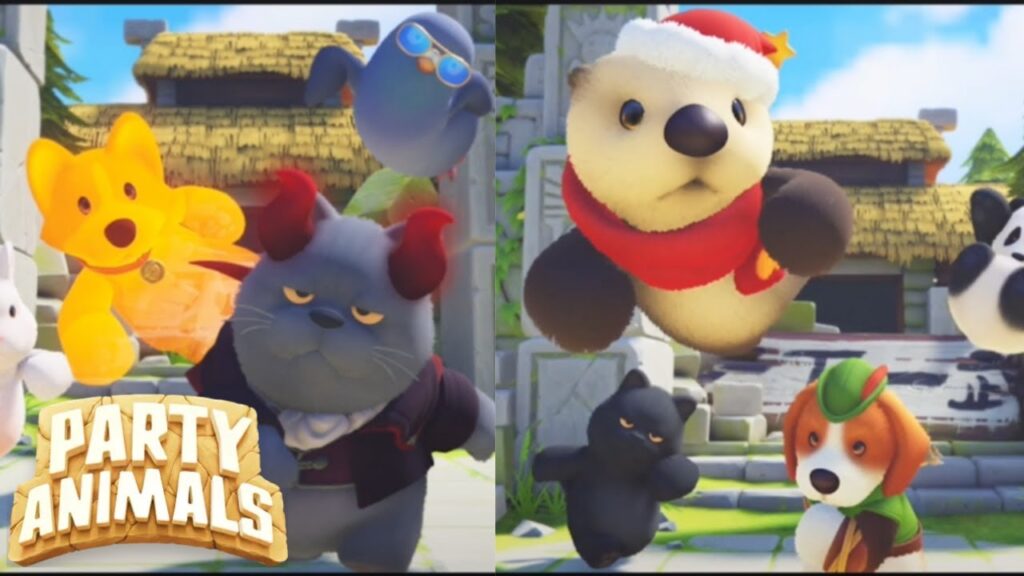
How the $75,000 AI Video Contest Triggered Player Backlash
The reported $75,000 prize pool associated with the AI video contest significantly escalated the controversy surrounding Party Animals. While monetary rewards are common in large-scale community events, the size of the prize pool in this case was interpreted by many players as a strong endorsement of AI-generated content as a core creative direction.
The backlash intensified because players believed the funding allocation reflected priorities that favored machine-assisted production over human artistry. Critics argued that such a large financial incentive could reshape community engagement incentives, encouraging participants to rely heavily on AI tools rather than traditional creative processes such as animation, editing, or storytelling.
There was also concern that the contest might encourage mass-produced submissions generated through automated pipelines rather than individually crafted creative works. This raised fears that originality would be replaced by volume-based participation, where success depended on prompt optimization rather than artistic skill.
Supporters of the contest, however, argued that AI tools democratize creativity, allowing users without advanced editing skills to participate in content creation. This tension between accessibility and authenticity became a central theme of the debate.
Party Animals Developer Response to AI Contest Criticism Explained
The development studio behind Party Animals, Recreate Games, issued a public response addressing the backlash. The studio clarified that the AI video contest was intended as an experimental initiative rather than a long-term shift in content strategy.
The response emphasized that AI tools were being explored as supplementary creative instruments, not replacements for human-generated content. According to the studio’s statement, the goal was to broaden the range of creative expression available to the community, particularly for users who might lack traditional video editing skills.
However, the response was met with mixed reception. While some players appreciated the clarification, others felt it did not address the deeper concern: the symbolic endorsement of AI in competitive creative spaces. Critics argued that even experimental inclusion of AI in high-visibility contests could influence long-term community expectations.
The communication gap between developer intent and player interpretation became a key factor in prolonging the controversy.
Steam Reviews Turn “Mostly Negative” After AI Contest Announcement
Following the announcement, the review score of Party Animals on Steam experienced a sharp decline. While the gameplay itself remained unchanged, the timing of the AI contest led to a sudden influx of negative reviews.
Steam’s review system is particularly sensitive to short-term spikes in sentiment, especially when large numbers of recent reviews cluster around a single controversy. As a result, the game’s overall rating shifted toward a “Mostly Negative” or “Mixed” perception depending on the review window being analyzed.
Importantly, many of these reviews explicitly stated that they were not related to gameplay mechanics, bugs, or balance issues. Instead, they focused on ethical and creative concerns regarding AI usage in community events.
This phenomenon highlighted a broader challenge for digital distribution platforms: separating product quality evaluation from ideological or external controversies that may not reflect the game experience itself.

Is Party Animals Using AI to Replace Human Creativity?
One of the most widely discussed concerns surrounding Party Animals was whether AI would eventually replace human creativity within its ecosystem. The developers consistently maintained that AI was not intended to replace artists, animators, or community creators.
Instead, AI tools were positioned as optional enhancements for content creation. However, skepticism persisted due to broader industry trends where generative AI is increasingly used for asset generation, animation assistance, and procedural content development.
Players feared a gradual normalization process in which AI starts as an optional tool but becomes increasingly central to content pipelines. This concern is rooted in observable patterns in other industries where experimental tools eventually become standard production infrastructure.
As a result, even limited AI integration was interpreted by some segments of the community as an early indicator of deeper structural change.
Why Gamers Are Angry About Generative AI in Party Animals
The anger surrounding generative AI in Party Animals reflects broader tensions in the gaming community regarding originality, authorship, and fairness. Many gamers argue that creative work in games should prioritize human expression, particularly in community-driven events.
A major concern involves the training data used by generative AI systems. Critics question whether AI models are trained on copyrighted or artist-created material without explicit consent, raising ethical concerns about intellectual property usage.
Another issue is the perceived imbalance between effort and output. Traditional creators may spend hours or days producing a video, while AI-assisted tools can generate similar outputs in minutes. This disparity leads to concerns about devaluing skilled creative labor.
There is also emotional resistance tied to identity and culture. Many players view fan art and community content as extensions of personal expression, and AI-generated content is seen by some as lacking that human connection.
Party Animals AI Contest Rules and Why Players Opposed Them
The contest rules for the AI event in Party Animals allowed participants to use generative AI tools in producing video submissions, but did not clearly define the extent of AI involvement permitted.
This ambiguity became one of the primary sources of opposition. Players argued that without strict boundaries, the contest risked favoring fully AI-generated content over human-crafted submissions enhanced by AI tools.
Concerns also emerged around fairness. Participants with advanced knowledge of AI prompting and model manipulation could potentially gain an advantage over traditional editors or animators. This introduced a perceived inequality in creative skill evaluation.
The lack of clear categorization, such as separating AI-assisted and non-AI submissions, further contributed to confusion and frustration within the community.
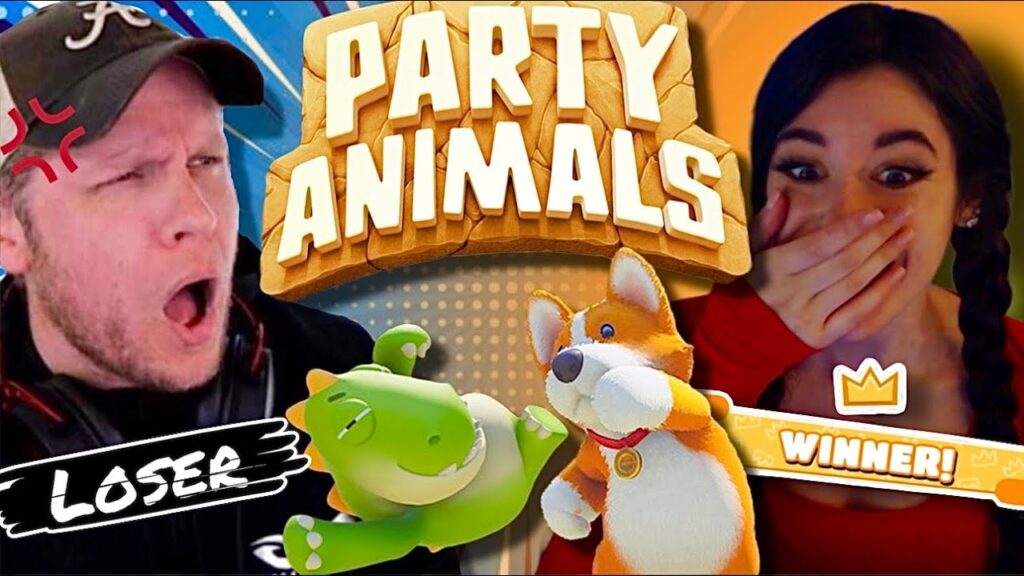
Recreate Games Apology: What the Studio Said About the AI Backlash
In response to escalating criticism, Recreate Games issued a formal apology addressing concerns raised by the community of Party Animals players.
The apology acknowledged that the communication around the AI contest could have been clearer and that player concerns were valid and taken seriously. The studio reiterated its commitment to maintaining a strong relationship with its community and emphasized that feedback would be used to reassess future initiatives.
However, the apology did not explicitly cancel the contest, which led to continued debate. Some players interpreted the response as insufficiently decisive, while others viewed it as a reasonable attempt to balance innovation with community sentiment.
The situation highlighted the difficulty developers face when navigating rapidly evolving technology debates while maintaining trust with their player base.
How the Community Reaction Escalated into a Review Bomb Campaign
The escalation into a review bombing campaign against Party Animals was fueled by coordinated discussions across forums, social media, and community hubs. As frustration grew, influential community members encouraged users to leave negative reviews as a form of protest.
This form of collective action is often driven by a sense of urgency, where players believe that mass feedback is necessary to influence developer decisions. In this case, the target was not gameplay but policy direction regarding AI integration.
The speed of escalation was also influenced by algorithmic amplification on social platforms, where controversial topics tend to gain visibility quickly. As more users engaged, the campaign gained momentum, creating a feedback loop of increasing negativity.
AI in Gaming Controversy: Party Animals Joins Growing Industry Debate
The controversy surrounding Party Animals is part of a broader industry-wide debate about generative AI in gaming. Across the sector, developers are experimenting with AI for animation, storytelling, voice synthesis, and asset creation.
Supporters argue that AI can reduce development costs, increase accessibility, and accelerate prototyping. Critics, however, emphasize ethical concerns, job displacement risks, and potential homogenization of creative output.
This debate is not limited to indie or multiplayer party games but extends to AAA studios and major publishers as well. The Party Animals case serves as a microcosm of these larger tensions.
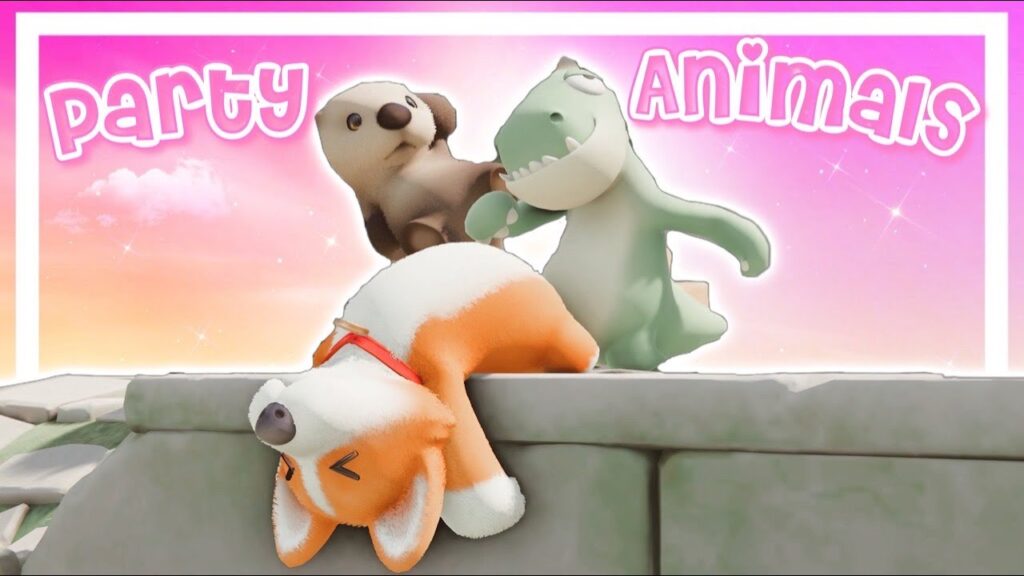
Could the Party Animals AI Contest Have Been Handled Differently?
Many analysts suggest that the controversy involving Party Animals could have been mitigated with clearer planning and communication. One commonly suggested improvement would have been the separation of contest categories into AI-assisted and fully human-created submissions.
Another potential improvement would have been detailed transparency regarding evaluation criteria. If participants understood exactly how AI usage would be assessed, much of the confusion could have been avoided.
Earlier community consultation might also have helped identify potential friction points before the announcement was made public. In modern game development, especially for live-service titles, community involvement in decision-making is increasingly seen as essential.
Player Poll Controversy: Cancel or Continue the AI Video Contest?
A significant moment in the controversy surrounding Party Animals involved informal and formal player polls debating whether the AI contest should continue or be canceled.
The community was divided. One group argued that cancellation was necessary to preserve trust and protect human creators. Another group believed that the contest should proceed, potentially with revised rules, as a way to embrace technological innovation.
This division reflected a deeper philosophical split within gaming culture: whether AI should be treated as a creative partner or a disruptive force.
The lack of consensus made it difficult for developers to adopt a single response that would satisfy all stakeholders.
Impact of AI-Generated Content on Game Reputation and Steam Ratings
The impact of AI-related controversy on Party Animals demonstrates how external issues can significantly affect game reputation systems. Platforms like Steam rely heavily on user-generated reviews, which can be influenced by factors unrelated to gameplay quality.
This creates volatility in ratings, especially when communities mobilize around ethical or ideological concerns. Even highly polished games can experience rating fluctuations if they become associated with controversial topics.
The case illustrates the growing importance of reputation management in the age of social media-driven feedback loops.
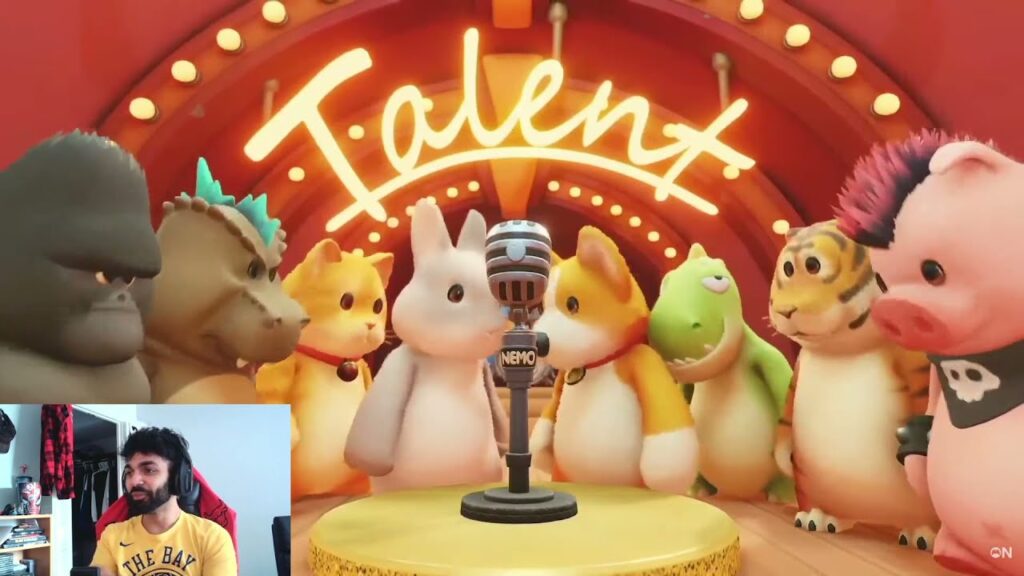
What the Party Animals AI Backlash Means for Future Game Events
The backlash surrounding Party Animals is likely to influence how future community events are structured across the industry. Developers may implement stricter disclosure requirements for AI usage and clearer boundaries between human and AI contributions.
Future contests may also include tiered categories that separate AI-assisted creativity from traditional submissions. This would help reduce perceived unfairness while still allowing experimentation.
The broader implication is that developers must now treat AI integration not only as a technical decision but also as a community trust issue.
Frequently Asked Questions (FAQs)
- What caused the Party Animals controversy?
The announcement of an AI video contest sparked backlash over concerns about creativity and fairness. - Was Party Animals gameplay affected?
No, gameplay remained unchanged. - Why did Steam reviews drop?
Users posted negative reviews in protest against the AI contest. - What was the prize pool?
The contest reportedly offered around $75,000 in rewards. - Did developers require AI use?
No, AI use was optional for contest submissions. - What is review bombing?
It is coordinated negative reviewing to influence public perception. - Why are players against AI content?
Concerns include originality, ethics, and job displacement. - Did Recreate Games respond?
Yes, they issued a statement clarifying intent and acknowledging concerns. - Was the contest canceled?
It faced backlash and reconsideration, but outcomes varied. - Is AI common in gaming now?
Yes, many studios are exploring AI for development and creative tools.

Conclusion
The controversy surrounding Party Animals demonstrates the complexity of introducing generative AI into community-driven gaming ecosystems. While the AI video contest was intended as an innovative creative opportunity, it became a catalyst for widespread debate about authorship, fairness, and the future of digital creativity.
The resulting review-bomb campaign on Steam highlights how quickly player sentiment can shift when technological experimentation intersects with cultural values. As the gaming industry continues to evolve, developers will need to navigate not only technical innovation but also the ethical and emotional expectations of their communities.
Sources and Citations
- Steam Community: Party Animals Game Page
https://store.steampowered.com/app/1260320/Party_Animals/ - Xbox News Hub
https://news.xbox.com/
Recommended
- Nintendo Switch 2 Production Target Reaches 20 Million Units by March 2027
- Paramount Pictures at CinemaCon 2026: Full Reveal Guide
- All characters and color variations in Mario Tennis Fever: Full roster, unlocks, and alternate colors
- Valve Has Received Two More Lawsuits: Steam Loot Boxes Gambling Claims and PRS Music Rights Dispute
- Pokemon Champions Will Not Support All 1000+ Pokemon At Launch: Full Roster, Final Evolutions, and Season Plans Explained
- Procedurally Generate Realistic Sea Foam in Unity, Unreal, Blender and Houdini: Complete Ocean Shader and Simulation Guide
- Super Mario Galaxy Movie Set for Massive First Weekend With $350 Million Worldwide as Global Box Office Soars Past Projections
- New Ghost in the Shell Anime Finally Has a Streaming Date on Prime Video
- Sparseal Launched New 3D Texturing App For iPad: Wafer Brings Stylized PBR Texture Painting to iPad
- Best Selling Books of All Time Ranked



































































































