





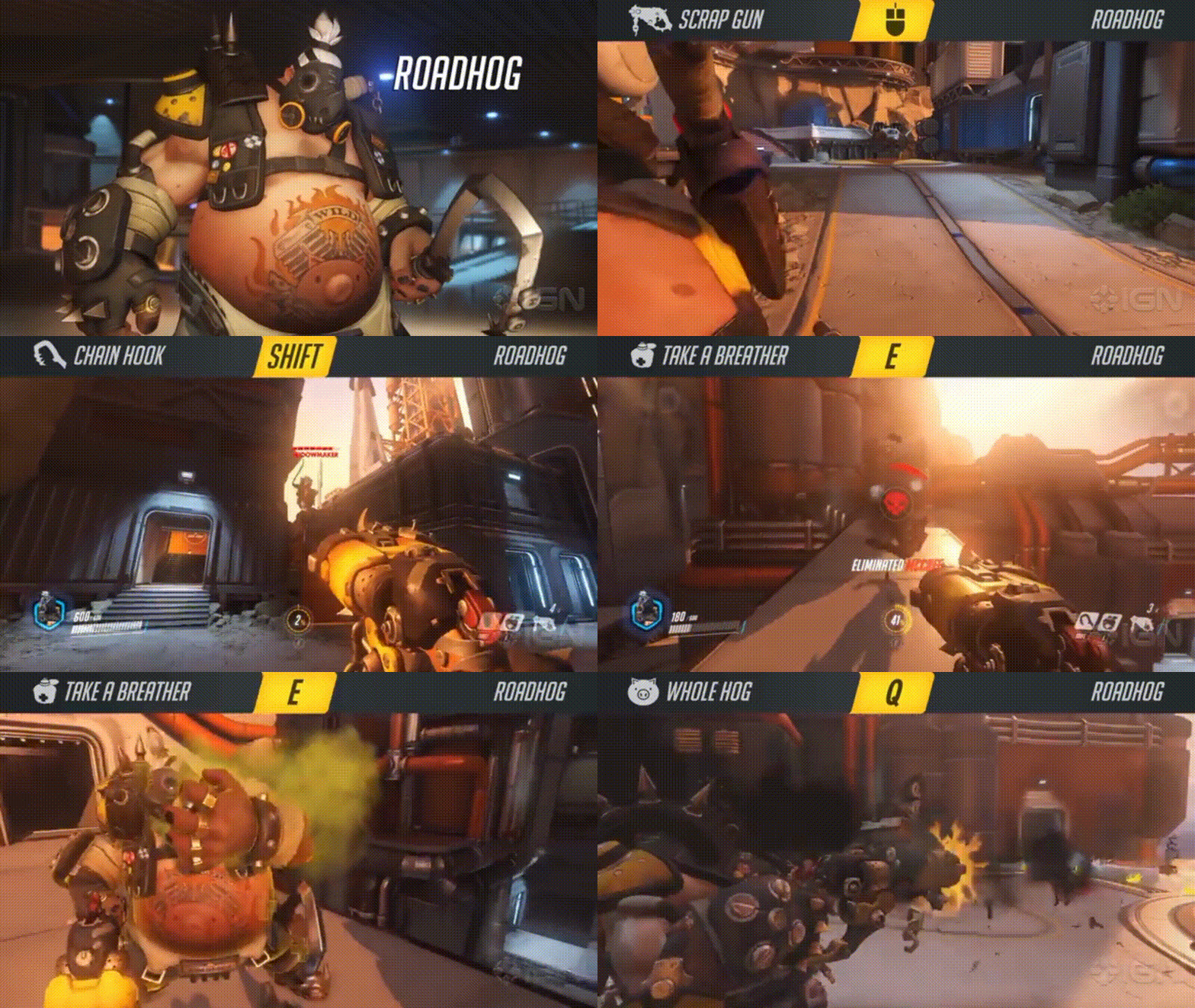
Roadhog is one of the headline balance targets in Reign of Talon – Season 2: Summit, which launched on April 14, 2026. Alongside the arrival of new DPS hero Sierra and wider perk refreshes, Blizzard Entertainment pushed through a focused Roadhog rebalance: Chain Hook now has a longer cooldown, Scrap Gun reloads more slowly, Invigorate has been removed from his current perk setup, and Hogdrogen Exposure has been added back into the live tree. Blizzard’s own explanation is straightforward: Roadhog’s combo had become more reliable, so the studio wanted to reduce how often he can execute it and make hook usage more deliberate.
This matters beyond one hero. In Season 2, Blizzard is also using perks more aggressively as balance levers, moving some into baseline kits and replacing others where they overlap with new subrole passives. Roadhog is a prime example of that design philosophy, and he is also on Blizzard’s early shortlist for a larger rework later in 2026, likely after Season 3. In other words, these Season 2 changes are not random tuning; they are a deliberate attempt to cool down one of Overwatch’s most contentious tank designs while the developers work on bigger questions around his long-term identity.
Which Tank is Getting Rebalanced in Overwatch Season 2? (Roadhog Explained)
The tank getting rebalanced is Roadhog. In the official Season 2: Summit patch notes, Blizzard singles him out for direct adjustments to Scrap Gun, Chain Hook, and his Major Perk slot. On the official hero page, Roadhog remains defined by the same core gameplay loop he has long had: Scrap Gun for close-range burst, Chain Hook for displacement, Take a Breather for self-healing and damage reduction, and Whole Hog for knockback-heavy area denial. That kit is exactly why small number changes can have oversized ranked impact.
Roadhog’s design has always centred on punishment. He does not protect a team in the same way a barrier tank does; instead, he creates threat by pulling enemies out of position and deleting them if they misstep. Blizzard’s Season 2 notes effectively acknowledge that this identity had become too reliable again, which is why the rebalance targets frequency and cadence rather than fully redesigning the hero in this update.
Overwatch Season 2 Roadhog Changes: Full Breakdown
The full Season 2 Roadhog package is small on paper but meaningful in practice. Scrap Gun reload time increases from 1.5 to 1.75 seconds. Chain Hook cooldown increases from 6 to 8 seconds. Invigorate is removed from the live Major Perk slot. Hogdrogen Exposure is added, and it makes Take a Breather heal nearby allies for 50% of its healing amount. Blizzard says those changes are meant to reduce how frequently Roadhog’s combo can be executed and to replace Invigorate because it overlaps with the Bruiser subrole.
That means Blizzard did not directly nerf Roadhog’s raw damage in this patch. Instead, the studio attacked the two things that make him oppressive when he is strong: how often he can threaten the hook combo, and how quickly he can cycle back into another burst window. At the same time, the perk swap gives him more team-facing utility, suggesting Blizzard wants him to be less of a solo pick machine and more of a situational brawl tank with support value.

Roadhog Chain Hook Cooldown Increased in Season 2
Chain Hook’s cooldown has gone from 6 seconds to 8 seconds in Season 2. That is a 33.3% cooldown increase, and because Hook is Roadhog’s core fight-starting tool, it is the most important nerf in the patch. Every miss now costs more. Every failed attempt into a bubble, cleanse, or tank cooldown leaves a larger punish window. Every fight where Hook does not secure an elimination now has a longer dead period before Roadhog can threaten again.
Community reaction has largely treated this as the biggest pain point. In Roadhog-focused discussion, players repeatedly described the longer hook timer as the real breaker of the patch, with one of the most upvoted early reactions calling it “the biggest nerf.” The broader Overwatch subreddit reacted similarly, with commenters saying the Roadhog nerf looked “pretty significant” specifically because the hook cooldown jump from 6 to 8 seconds is so large for a hero whose value is built around one repeating pick cycle.
Roadhog Scrap Gun Reload Speed Nerf: What Changed and Why
Scrap Gun’s reload time now increases from 1.5 seconds to 1.75 seconds. Numerically, that is a 16.7% slower reload. Mechanically, it means Roadhog’s pressure between hooks is weaker, his missed shots are more punishable, and his post-combo cleanup is a little less forgiving. Even if the reload nerf looks minor next to the hook cooldown increase, it matters because Roadhog is a tempo hero: his damage windows are short, explosive, and highly timing dependent.
Blizzard’s reasoning is tied to the same issue behind the hook nerf. The developers wrote that Roadhog’s combo had become more reliable and that his overall effectiveness had increased. Rather than chop his burst damage directly, Blizzard chose to slow the rhythm of his engagements. That keeps the hero recognisably Roadhog while making repeated combo attempts less frequent and less comfortable to spam in ranked.
Roadhog Perk Changes in Season 2: What Was Removed and What’s New
The Season 2 perk reshuffle removes Invigorate from Roadhog’s live Major Perk slot and adds Hogdrogen Exposure. There is an important nuance here: Hogdrogen Exposure is new to Roadhog’s current Season 2 loadout, but it is not brand-new to Overwatch history. When Blizzard originally rolled out the perk system in February 2025, Roadhog had both Invigorate and Hogdrogen Exposure available as perk options. Season 2’s live patch is effectively restoring Hogdrogen Exposure to Roadhog’s current tree while dropping Invigorate.
That distinction matters because many early summaries framed Hogdrogen Exposure as a completely new idea. It is more accurate to say Blizzard has brought back a previously known Roadhog perk to replace one that no longer makes as much sense in the current system. That fits the studio’s broader Season 2 philosophy of refreshing perk trees, moving some functionality into baseline kits, and using perks to create cleaner hero identities rather than piling on overlapping effects.

Hogdrogen Exposure Perk: How it Works and Best Use Cases
Hogdrogen Exposure makes Take a Breather heal nearby allies for 50% of its healing amount. Because Take a Breather already heals Roadhog and reduces damage taken, the perk changes that button from a selfish sustain tool into a compact area-of-effect sustain moment for nearby teammates as well. Blizzard’s current patch notes confirm the allied healing conversion, and Roadhog’s official hero page still describes Take a Breather as a self-heal that also reduces incoming damage.
In practical terms, that makes Hogdrogen Exposure strongest in brawl-heavy situations: holding a corner with your team, stabilising after an engage, helping a nearby support or DPS survive chip damage, or buying time during point fights on maps with tight geometry. It is much less valuable when Roadhog is playing isolated flank angles or when his team is too spread to sit inside the healing radius. So while the perk does improve his utility, it rewards a more disciplined, team-adjacent Roadhog than the solo-hook style many players associate with the hero. That is an inference from how the ability and perk interact, but it follows directly from the official description.
Invigorate Removed: What Roadhog Players Lose in Season 2
Invigorate’s original perk text gave Take a Breather a rapid 30% movement speed increase. With its removal, Roadhog loses a proactive speed burst that helped him chase, disengage, re-angle, or keep pressure while healing. That is not just a comfort nerf; it changes how safely he can convert a hooked target, reset after committing, or stabilise while kiting damage.
Blizzard says Invigorate was removed because it overlapped with the Bruiser subrole. When tank subroles were introduced in Season 1, Bruiser tanks — including Roadhog — gained passive critical damage reduction and a movement speed bonus while at critical health. So Roadhog does still retain some movement value in his kit, but it is now conditional and health-threshold based rather than tied directly to Take a Breather timing. In effect, Roadhog players lose a more reliable, player-controlled movement tool and keep only a narrower version of that mobility through the subrole passive.
Why Roadhog is Considered the Most Annoying Tank in Overwatch
“Most annoying tank” is not an official Blizzard label, but it is a fair summary of how Roadhog is often discussed by media and the community. Polygon’s Season 2 coverage described him in exactly those terms, and Blizzard forum threads from April 2026 show a familiar pattern: players arguing that even when Roadhog is not statistically dominant, he is still “hated,” “too relevant for how cancer he is,” or simply “sucks to fight.” That sentiment has been remarkably persistent across multiple metas.
The reason is not subtle. Roadhog’s frustration factor comes from displacement plus burst. A landed hook can erase positioning mistakes instantly; a successful combo compresses a fight into a single moment; and Take a Breather makes him difficult to punish if your team does not have the right answer ready. Blizzard’s own Season 2 comments say his combo had become more reliable, while long-running player complaints still revolve around the same issues: one-shot potential, forced movement, and a hero identity that many people feel is fundamentally awkward for the solo-tank format.
Roadhog One-Shot Potential After Season 2 Changes
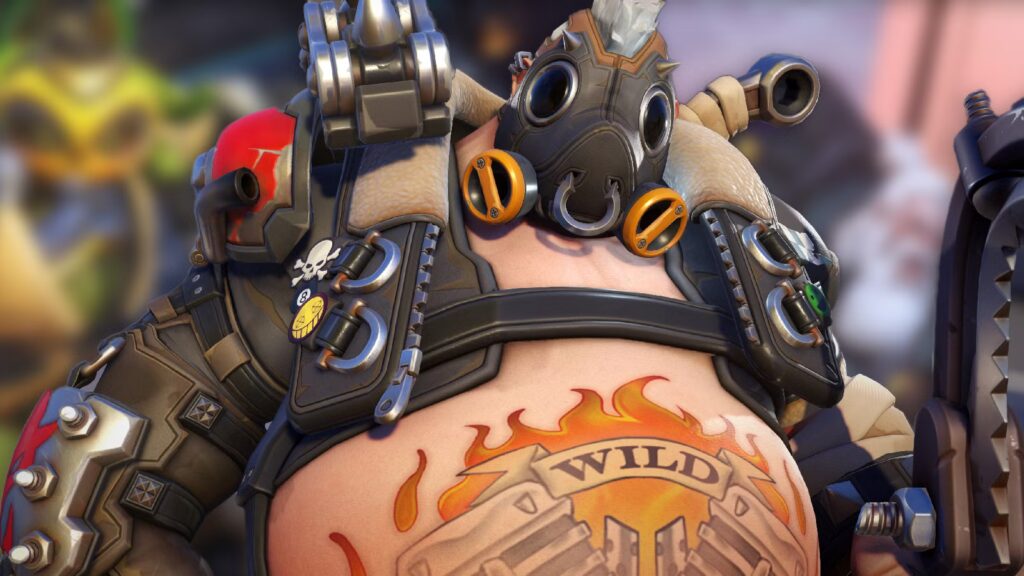
Roadhog’s one-shot potential has been reduced in frequency, not explicitly removed. Blizzard did not nerf his damage in the April 14, 2026 patch. Instead, the developers said the goal was to make the combo happen less often and require more deliberate use of Chain Hook. That wording strongly suggests the hook-kill pattern still exists in live play when Roadhog executes it cleanly against the right targets.
The wider community read the patch the same way. In the main patch-notes discussion on Reddit, one of the most cited early reactions was that Blizzard “didn’t nerf the damage,” but made the combo significantly less available through the hook and perk changes. So the cleanest way to describe Season 2 Roadhog is this: he can still threaten lethal hook confirms on squishier heroes, but he gets fewer attempts per fight and is punished more heavily when those attempts fail.
How to Play Roadhog After the Season 2 Rebalance
The first adjustment is simple: Roadhog players have to value Hook more. With an 8-second cooldown, random fishing is less efficient, and the best Roadhog play now comes from staging hooks off corners, punishing already-pressured targets, or syncing with team follow-up rather than trying to solo-carry every neutral fight. The second adjustment is positional: Hogdrogen Exposure pays you for staying closer to your team, so there is more incentive to operate as a brawl anchor in short lanes instead of taking extended off-angles alone.
The third adjustment is matchup awareness. Because Ana still has Sleep Dart and Biotic Grenade, and because Biotic Grenade still prevents healing, Roadhog remains highly vulnerable to anti-heal and crowd control when he commits Take a Breather. That means playing him well after the rebalance is less about greed and more about timing: wait out critical enemy cooldowns, stay near cover, and use Breather where its allied healing matters rather than treating it as a solo reset button every time you are pressured.
Best Roadhog Counters in Season 2
Ana remains the cleanest support counter. Her official ability kit still includes Sleep Dart, which puts enemies to sleep, and Biotic Grenade, which prevents healing on enemies. Roadhog’s Take a Breather, meanwhile, is a channeled ability that ends if he is stunned, knocked down, or hacked. Season 2 also reduces Ana’s Biotic Grenade cooldown from 14 to 12 seconds, giving her even more frequent access to one of the best anti-Roadhog tools in the game.
Zarya is one of the best tank answers because her barriers can ruin the hook-confirm sequence. The Overwatch Wiki’s Roadhog matchup notes describe Zarya as especially frustrating for Roadhog because she can protect herself or a hooked teammate at the last second, while also farming energy from his attempts to burst through the barrier. With Hook now on a longer cooldown, every denied pick matters more.
Orisa is still awkward for Roadhog to fight into because Javelin Spin destroys incoming projectiles and helps her control the close-range space Roadhog wants to occupy. On the support side, Kiriko and Lifeweaver are valuable anti-pick responses: Kiriko’s Protection Suzu is built around cleansing negative effects, and Life Grip in Season 2 now cleanses allies when pulled, making both heroes strong at undoing Roadhog’s hook-based win condition.
If you want extra pressure beyond direct saves, Reaper and Zenyatta are also strong answers in many lobbies. Third-party counter guides continue to rank them highly into Roadhog because of his large hitbox, lack of a barrier, and dependence on winning close-range trades quickly.

Roadhog Matchups: How Season 2 Affects Tank Duels
Season 2 should make Roadhog’s tank duels more volatile and less forgiving. He was already strongest when he could punish mistakes instantly; the new longer Hook cooldown and slower reload make failed punish attempts much more costly. That especially hurts him into Zarya, where a single mistimed hook into bubble can flip the entire trade, and into sturdier pressure tanks that are happy to drag the duel out rather than gamble on burst moments.
One useful live-data snapshot comes from Blizzard’s public Hero Statistics page for tank role queue in the Americas on console, where Roadhog was listed at a 10% pick rate and 48.4% win rate, compared with 11% and 53.2% for Reinhardt and 8.1% and 52.8% for Sigma. That is only one filter, not a universal truth, but it supports the broader read that Roadhog was not clearly outperforming the more stable frontline tanks even before these Season 2 nerfs. In longer tank duels, that likely means he loses more ground unless he converts hooks cleanly and early.
How Season 2 Roadhog Nerfs Impact the Tank Meta
The most likely meta effect is that Roadhog becomes more situational and less generically frustrating. Season 2 does not delete him; it trims the parts of his kit that produce the most oppressive match flow. Fewer hooks per game and slower reload cycling mean fewer sudden pick windows, especially in ranked environments where teams peel faster and punish misses harder. That should naturally make more room for tanks that create steadier value over time rather than betting everything on one displacement cooldown.
At the same time, Hogdrogen Exposure keeps him from collapsing into irrelevance. On tight maps, in brawl mirrors, or in compositions that want a selfish tank to contribute a bit of local sustain, Roadhog still has a niche. The meta takeaway is not “Roadhog is dead.” It is closer to “Roadhog is being pushed away from low-interaction pubstomping and toward narrower, more team-dependent use cases” — which is consistent with Blizzard’s bigger 2026 design push around cleaner hero identities and later reworks.
Community Reactions to the Roadhog Rebalance (Season 2)
The earliest reactions split cleanly into two camps. Roadhog mains and sympathetic tank players mostly see the patch as a heavy nerf, with Hook’s 8-second cooldown viewed as the real damage. In Roadhog-specific discussion, some players argued that Hogdrogen Exposure is too niche for 5v5 and that Invigorate was the more powerful perk, while others accepted the change as a trade-off that preserves the combo but lowers his ceiling.
The broader community is more mixed but still unsurprised. On Blizzard’s forums, players continued to describe Roadhog as a hero people hate seeing become relevant, while on Reddit several commenters called the nerf “significant” or joked that Blizzard had “massacred him.” Just as telling, even some Roadhog players admitted he had reached an “aggravating state” for non-Hog players and that the game is often healthier when he is not a dominant pick. That combination of relief, resentment, and resignation is very on-brand for Roadhog discourse.
Roadhog Patch Notes Vs. Real Gameplay: What to Expect in Ranked
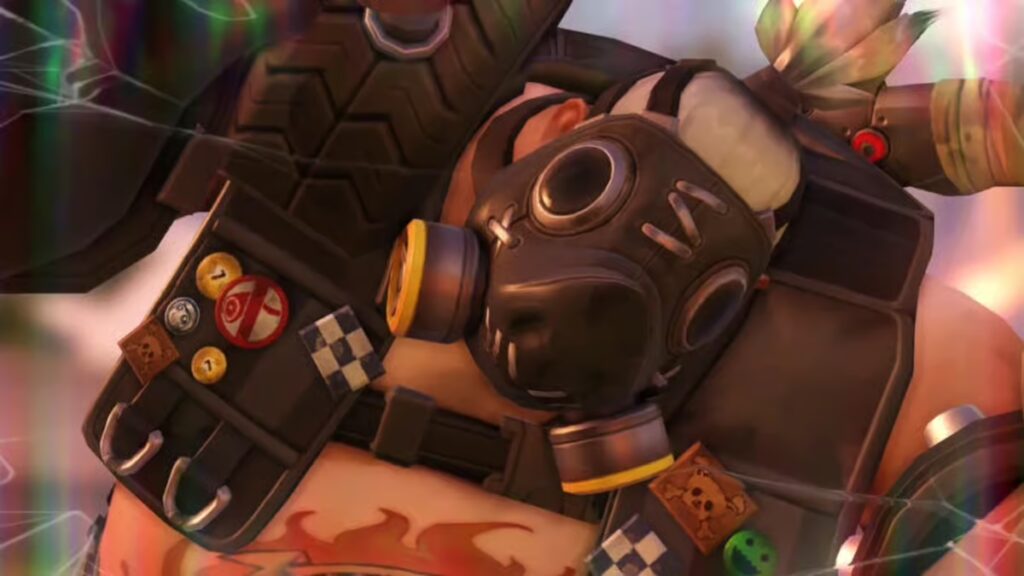
On paper, Roadhog’s Season 2 adjustments are only four lines of patch notes. In ranked, they should feel larger than that. A 2-second Hook increase changes fight pacing, target selection, and punishment windows. A 0.25-second reload nerf makes mistimed aggression noticeably clumsier. And the perk swap changes his preferred spacing, pushing him closer to allies if he wants to extract maximum value from Take a Breather.
So what should players actually expect in live ranked games? Expect Roadhog to remain dangerous when he lands first hook on a poorly positioned squishy. Expect him to feel worse when he has to force neutral engages into layered counters. Expect his best maps to remain close-quarters maps where allies can benefit from Hogdrogen Exposure. And expect this rebalance to function more like a holding pattern than a final answer, because Blizzard has already signalled that Roadhog is on the shortlist for a broader rework later in 2026, likely after Season 3.
Frequently Asked Questions (FAQs)
- What exactly changed for Roadhog in Overwatch Season 2?
Scrap Gun reload time increased from 1.5 to 1.75 seconds, Chain Hook cooldown increased from 6 to 8 seconds, Invigorate was removed from the live Major Perk slot, and Hogdrogen Exposure was added, letting Take a Breather heal nearby allies for 50% of its healing amount. - Did Blizzard remove Roadhog’s one-shot combo in Season 2?
No direct damage nerf in the April 14, 2026 patch removes the combo outright. Blizzard specifically said the goal was to reduce how often the combo happens and make Hook usage more deliberate, not to erase the combo entirely. - Is Hogdrogen Exposure completely new?
Not to Overwatch as a whole. It existed in Roadhog’s 2025 perk rollout, but Season 2 adds it back into his current live perk lineup while removing Invigorate. - Why was Invigorate removed?
Blizzard says Invigorate overlapped with the Bruiser subrole. Roadhog already receives movement speed at critical health through the Bruiser passive, so the perk’s speed effect was partially redundant in the new system. - Does Hogdrogen Exposure make Roadhog better for team play?
Yes, at least situationally. It turns Take a Breather from pure self-sustain into nearby allied healing as well, which is much more useful in grouped brawl fights than in solo flanks. - Is Chain Hook the biggest nerf in the patch?
Most early player reactions say yes. Roadhog mains and general Overwatch players alike repeatedly identified the 6-to-8-second Hook increase as the most impactful part of the rebalance. - Who counters Roadhog best after the Season 2 rebalance?
Ana remains one of the strongest counters because Sleep Dart disables him and Biotic Grenade shuts off healing. Zarya, Orisa, Kiriko, and Lifeweaver also remain strong answers in different situations because they can deny, survive, or undo his hook pressure. - Is Roadhog still viable in ranked after the nerfs?
Yes, but he is likely to be more situational. He still threatens picks, but he now pays a much higher cost for missed hooks and gets more value when playing with his team instead of off on his own. - Is this the final Roadhog rework?
No. Blizzard’s Director’s Take says Roadhog is on an early shortlist for larger hero reworks later in 2026, likely after Season 3. - When did the Season 2 Roadhog changes go live?
Blizzard posted the patch notes on April 14, 2026 ahead of launch and said Season 2: Summit would go live later that day at 11am PT.
Conclusion
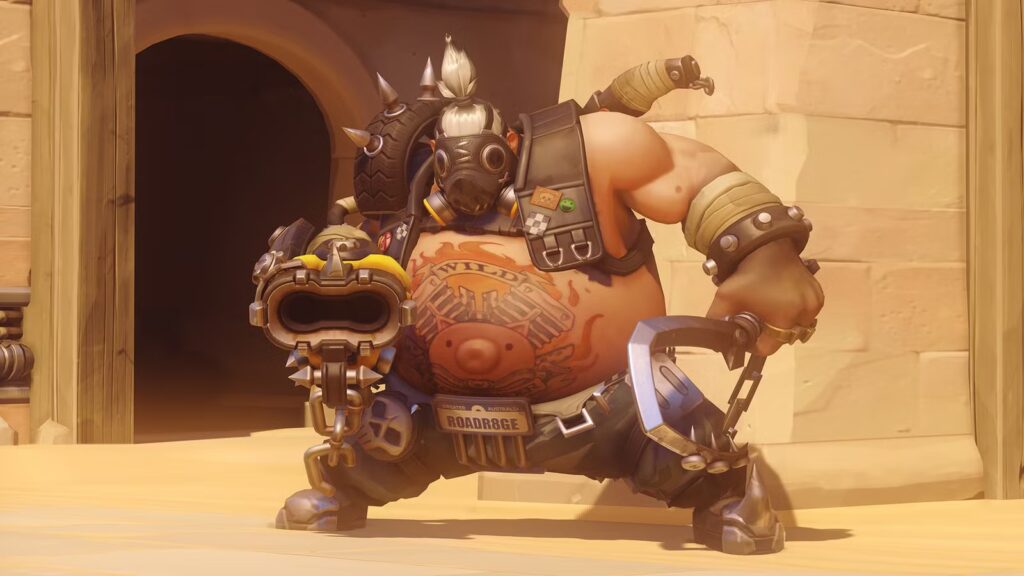
Roadhog’s Season 2 rebalance is Blizzard trying to solve a familiar Overwatch problem without deleting the hero’s core fantasy. The studio has not removed the hook combo or reinvented Roadhog in one patch. Instead, it has made the combo less available, slowed his pressure cycle, and replaced a selfish mobility perk with a team-oriented sustain option. That is a balance philosophy shift as much as a numbers patch.
For ranked players, the practical meaning is clear. Roadhog should still win games when he lands decisive hooks, but he should feel less oppressive when he misses, easier to punish in extended fights, and more dependent on timing, cover, and team proximity. For everyone else, Season 2 looks less like the end of the Roadhog debate and more like Blizzard buying time before a larger redesign.
Sources and Citations
- Blizzard Entertainment — Reach Heroic Heights in Reign of Talon – Season 2: Summit:
https://overwatch.blizzard.com/en-us/news/24266793/reach-heroic-heights-in-reign-of-talon-season-2-summit/ - Blizzard Entertainment — Director’s Take: Small Steps, Big Leaps:
https://overwatch.blizzard.com/en-us/news/24266795/director-s-take-small-steps-big-leaps/ - Blizzard Entertainment — Roadhog hero page:
https://overwatch.blizzard.com/heroes/roadhog - Blizzard Entertainment — Ana hero page:
https://overwatch.blizzard.com/heroes/ana - Blizzard Forums — “The Roadhog Problem”:
https://us.forums.blizzard.com/en/overwatch/t/the-roadhog-problem/1013819 - Blizzard Forums — “Possible Fix For Roadhog”:
https://us.forums.blizzard.com/en/overwatch/t/possible-fix-for-roadhog/1012449 - Blizzard Forums — “Is Roadhog finally balanced?”:
https://us.forums.blizzard.com/en/overwatch/t/is-roadhog-finally-balanced/1012692 - Reddit / r/Overwatch — “Overwatch Retail Patch Notes – April 14, 2026”:
https://www.reddit.com/r/Overwatch/comments/1slgpld/overwatch_retail_patch_notes_april_14_2026/ - Reddit / r/RoadhogMains — “Roadhog Nerfs For Season 2”:
https://www.reddit.com/r/RoadhogMains/comments/1slg7va/roadhog_nerfs_for_season_2/ - Reddit / r/RoadhogMains — “Season 2 Hog Nerfs”:
https://www.reddit.com/r/RoadhogMains/comments/1slg7bu/season_2_hog_nerfs/ - Polygon — “Overwatch’s most annoying tank is getting rebalanced in season 2”:
https://www.polygon.com/overwatch-season-2-patch-notes-roadhog/
Recommended
- How to Create Realistic Hair Clumping in Blender: A Step-by-Step Guide
- Windrose: 17 Minutes of Early Access Pirate-Survival Gameplay Reveals Open-World Combat, Ships, and Co-Op Adventure
- Developers With Foreign Legal Entities May Be Allowed to Include Games in the Russian Software Registry: Requirements, VAT Benefits, and What Changes in 2026
- Top Ways to Make 3D Characters: Blender, FaceGen, Metahuman, and CC3 Compared
- Project Hail Mary Review: A Spoiler-Free Guide to the New Sci-Fi Event
- How to Render Anime Style Art in Blender: A Complete Guide for Stylized 3D Renders
- How do I align the camera to a specific axis in Blender?