









In This Article (9 sections)
Scale the Depths: Release Window, Gameplay Overview, and Cozy Fishing Simulation Explained
The upcoming indie title Scale the Depths has officially positioned itself within the increasingly popular cozy simulation genre, with its release window currently set for Q2 2026. While the developers have not narrowed it down to an exact date, the confirmation of a second-quarter launch places the game between April and June 2026. This timeframe was first hinted at in the game’s announcement materials and later reinforced in its reveal trailer, which showcased both gameplay systems and atmospheric world design.
The Q2 2026 target suggests that development is currently in a late production or polishing phase, with focus likely shifting toward optimization, bug fixing, and content balancing. The timing is also strategically aligned with the growing demand for relaxing simulation games, particularly those that blend pixel art aesthetics with simple yet addictive gameplay loops. In the broader indie market, this release window places Scale the Depths among several anticipated cozy titles expected to dominate mid-2026 discussions.
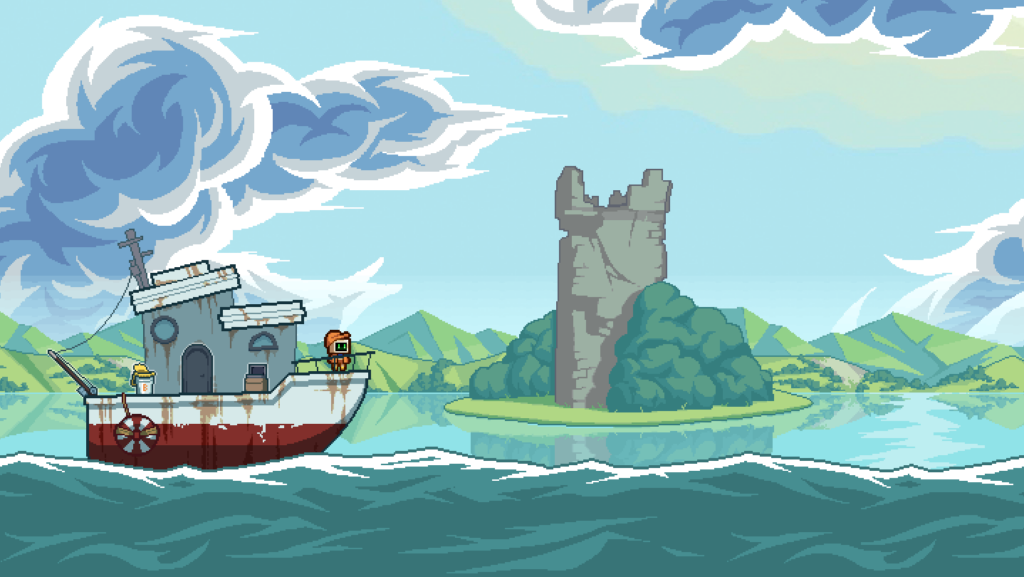
Scale the Depths is a chill pixel-art fishing simulation game centered around exploration, relaxation, and aquatic discovery. At its core, the game invites players into a tranquil underwater-inspired world where fishing is not just a mechanic but a meditative experience. Unlike traditional fishing games that emphasize realism or competition, Scale the Depths focuses on atmosphere, progression, and discovery, encouraging players to gradually explore deeper waters, unlock new tools, and encounter increasingly rare aquatic life forms.
The game’s identity is heavily rooted in several core design pillars:
- Relaxing gameplay loops
- Pixel-art visual storytelling
- Light progression systems
- Exploration-driven mechanics
- Ambient underwater environments
The title itself reflects this journey, starting from shallow waters and gradually progressing into mysterious deep-sea zones filled with rare catches and environmental storytelling. This sense of descent into deeper regions reinforces the game’s thematic focus on discovery and calm exploration rather than pressure or competition.
The core gameplay loop of Scale the Depths is built around a simple but engaging structure that emphasizes accessibility and repetition in a satisfying way. Players cast their line, wait for a bite, engage in timing or rhythm-based hook mechanics, catch fish or underwater items, and then sell, collect, or use rewards to upgrade equipment and progress into deeper zones. This loop is designed to remain easy to understand while still offering long-term progression through upgrades and discovery.
The game also introduces a subtle risk-reward system, where deeper waters offer rarer catches but require better equipment and more precise timing. Additional features expand this loop through environmental fishing conditions such as weather and tides, rare legendary fish encounters, collection-based progression systems, and relaxed idle-friendly mechanics. Together, these systems ensure that Scale the Depths maintains a calming experience while still rewarding curiosity and long-term exploration.
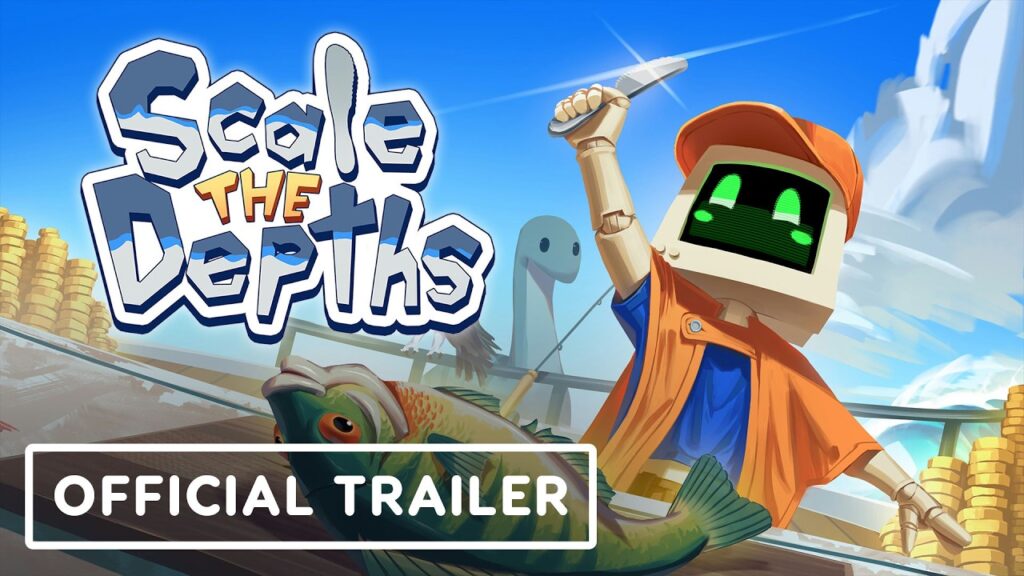
Scale the Depths: Trailer Breakdown, Release Format Speculation, and Pixel Art Visual Design Explained
The official reveal trailer for Scale the Depths provides a structured glimpse into its world, tone, and core gameplay systems. Rather than revealing everything at once, it gradually transitions from peaceful surface-level fishing into darker and more mysterious underwater environments. This pacing reflects the game’s core identity: a relaxing experience that slowly evolves into something more atmospheric and exploratory as players descend deeper.
The opening sequence establishes the game’s tone through calm pixel-art waves and ambient underwater sound design. This immediately positions Scale the Depths as a meditative fishing experience rather than a high-pressure simulation. Early gameplay then introduces shallow-water fishing mechanics, focusing on simple casting and retrieval systems that clearly communicate the core loop. These areas appear designed as safe starting zones where players learn the basics before progressing further into the ocean.
As the trailer continues, a progression shift becomes visible as players move into deeper waters. Lighting becomes darker, environmental detail increases, and aquatic life becomes more complex. This suggests that exploration depth is tied directly to progression systems, likely influenced by equipment upgrades or advancement milestones. The contrast between shallow and deep environments reinforces a sense of gradual escalation without breaking the game’s relaxed pacing.
The trailer also showcases rare fish species in a montage, highlighting a likely collection-driven system. These visually distinct creatures suggest rarity tiers, discovery incentives, or completion-based progression through a fish index or catalog system. Alongside this, brief UI flashes reveal rod upgrades, hook enhancements, and tool customization, indicating that players will be able to improve fishing efficiency and unlock access to deeper zones through equipment progression.
The final segment of the trailer shifts tone significantly, revealing a deep-sea abyss environment filled with darker visuals and unknown aquatic life. This creates a stark contrast with the calm opening, reinforcing the idea that the game transitions from relaxation into mystery as players descend. It also suggests potential endgame or late-progression content focused on exploration of the unknown.
Overall, the trailer communicates a clear structural idea: calm and accessible gameplay at the surface, gradually shifting into deeper mystery as progression continues. This positions Scale the Depths as both a relaxing fishing simulation and an exploration-driven experience built around discovery and atmosphere.
Regarding release format, Scale the Depths has not officially confirmed whether it will launch as Steam Early Access or as a full release. However, both possibilities remain open. A full launch in Q2 2026 would align with its currently stated release window, while an Early Access model would allow developers to refine systems such as fish variety, progression pacing, and environmental balance through community feedback.
If Early Access is used, it would likely focus on expanding fish species, balancing progression systems, and introducing additional environmental zones over time. This would be especially useful for a game built around long-term collection and exploration systems. However, the trailer’s polished presentation, multiple environments, and fully realized UI elements suggest that a complete version may already be close to finished.
In terms of visual design, Scale the Depths uses a highly atmospheric pixel-art style that prioritizes mood and environmental storytelling. Instead of aiming for realism, the game relies on layered pixel environments, subtle animation, and lighting effects to create depth and immersion. Key visual elements include soft underwater lighting gradients, animated water physics, particle effects such as bubbles and drifting debris, and color shifts that reflect increasing depth.
As players descend further, the visual palette transitions from bright and calming tones into darker, more muted colors, reinforcing progression without heavy UI reliance. This environmental storytelling ensures that the world itself communicates danger, mystery, and exploration. Small details like drifting particles and shifting visibility help make the underwater space feel alive while maintaining clarity and readability.
Overall, the visual design and trailer structure work together to reinforce Scale the Depths as a relaxing yet atmospheric fishing experience that gradually unfolds into deeper exploration and mystery.

Scale the Depths: Fishing Mechanics, Upgrade System, and Demo Content Explained
Fishing mechanics in Scale the Depths are designed to balance simplicity with engagement, focusing on a relaxed experience rather than complex simulation systems. Instead of overwhelming players with realism-heavy systems, the game uses timing-based inputs that keep interaction light while still rewarding attention and rhythm. This makes fishing approachable while preserving a sense of skill and progression.
Core mechanics include:
- Casting distance control
- Bite detection timing
- Hook activation window
- Fish resistance mini-feedback
Casting distance control determines how far the line travels and which fishing zones or fish types can be reached. Bite detection timing introduces a light reaction element, requiring players to pay attention without creating stress or fast-paced pressure. The hook activation window represents the most critical moment of interaction, where players must confirm the catch, adding a brief sense of tension while maintaining the game’s calm pacing. Fish resistance mini-feedback adds subtle variation between catches, helping different species feel distinct without introducing complex systems.
Progression is directly tied to both performance and exploration. Players who successfully catch rarer fish gain access to better rods, specialized hooks, deeper fishing zones, and passive bonuses. This structure encourages steady long-term engagement without forcing difficulty spikes or demanding precision gameplay. Instead, Scale the Depths rewards curiosity, patience, and gradual improvement as players move further into the ocean.
The upgrade system plays a central role in shaping how players interact with the underwater world, with each upgrade subtly changing gameplay rather than dramatically altering it. Fishing rods primarily increase casting range and allow access to deeper waters where stronger environmental pressure or rare species may exist. Hooks modify catch probability, timing windows, and rarity chances, influencing how often and how easily players can secure valuable fish. Tools introduce additional utility systems such as sonar-like scanning, bait modifiers, and environmental detection features that help uncover hidden content or influence fish behavior.
Rather than focusing on power spikes, the upgrade system is designed to maintain a calm progression curve. Each improvement enhances interaction in small, meaningful ways, ensuring the cozy atmosphere remains intact. Players can also follow different progression paths depending on their preferred playstyle, such as rare fish hunting, exploration-focused progression, or passive collection farming. This allows for personalization without breaking the relaxed pacing of the game.
The demo version of Scale the Depths is expected to release before the full launch, likely around late 2025 or early 2026 showcase periods. While not officially confirmed, a demo would be a natural fit for a cozy indie game that benefits from early player feedback and word-of-mouth impressions. It is expected to include early shallow-water zones, basic fishing mechanics, a limited selection of fish, an initial upgrade system, and a simplified progression loop.
The shallow-water section will likely introduce players to the game’s core rhythm, visual style, and fishing mechanics in a controlled environment. Even with limited content, the demo should be enough to demonstrate how fishing, upgrades, and progression work together. The early upgrade system will be particularly important, as it shows how players gradually improve their tools and gain access to deeper areas over time.
If the demo successfully communicates a satisfying loop of catching fish, earning upgrades, and unlocking slightly deeper zones, it could help build strong anticipation ahead of the full Q2 2026 release.
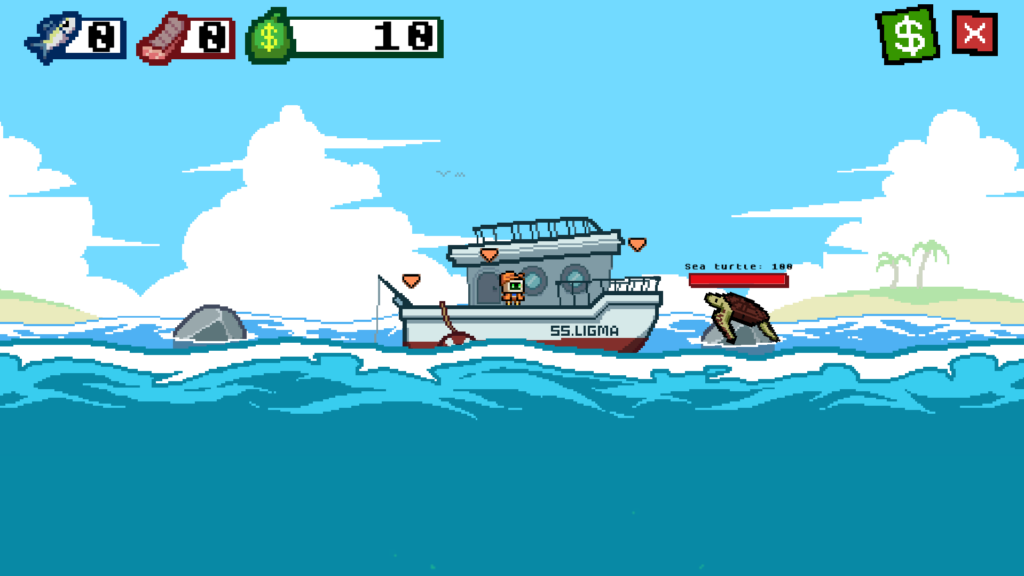
Scale the Depths: Environments, Fish Types, and Visual Design Philosophy Explained
Although the full map of Scale the Depths is not finalized, the trailer reveals several key environmental layers that define the structure of the underwater world. These areas suggest a gradual progression system built around depth, atmosphere, and discovery rather than a single static open map. Each zone appears designed to introduce new visuals, fish behavior, and gameplay mechanics tied closely to environmental conditions such as lighting and pressure.
The known environments include:
- Coastal Shallows
- Coral Fields
- Twilight Reefs
- Deep Ocean Trenches
- Abyssal Unknown Zones
The Coastal Shallows appear to function as the safest starting area, introducing basic fishing mechanics, movement, and early resource collection systems in a calm setting. From there, the Coral Fields introduce more vibrant ecosystems with increased fish variety and more detailed environmental activity, suggesting a mid-game zone where players begin encountering more specific catch requirements such as improved timing, bait usage, or upgraded equipment.
As players progress further, the Twilight Reefs and Deep Ocean Trenches represent a clear tonal shift. These deeper zones become darker and more mysterious, likely introducing stronger pressure effects, rarer fish, and more demanding exploration tools. The Abyssal Unknown Zones stand out as the most enigmatic environments shown so far, with their name suggesting endgame content, hidden creatures, and possibly lore-driven discoveries located at the deepest layers of the map.
Fish variety in Scale the Depths is structured around rarity tiers that align directly with these environmental zones. While the full catalog is not yet confirmed, the game includes multiple categories:
- Common Shore Fish
- Reef Species
- Deep Sea Creatures
- Mythic/Abyssal Entities
Common Shore Fish are expected to form the foundation of early progression, helping players learn core mechanics while earning basic resources for upgrades and collection. Reef Species introduce more visual diversity and behavioral differences, encouraging exploration of specific underwater regions and slightly more advanced fishing conditions. Deep Sea Creatures are likely tied to deeper zones where pressure, darkness, and limited visibility increase difficulty, requiring better equipment and more precise interaction.
At the highest tier, Mythic or Abyssal Entities represent the rarest and most mysterious catches, potentially serving as special discoveries rather than standard fish. These could include unique animations, lore-driven descriptions, or unusual encounter mechanics that make them stand out from regular progression-based catches.
The visual design philosophy of Scale the Depths plays a key role in bringing these environments and creatures to life. The game uses a pixel-art style that emphasizes atmosphere over realism, allowing underwater spaces to feel immersive without relying on complex 3D rendering. This approach makes use of lighting shifts, particle effects, and layered environmental details to communicate depth and movement.
Design techniques such as Pixelhair and View Keeper concepts also influence how the world is presented. Pixelhair refers to detailed pixel layering that enhances visual depth, helping elements like bubbles, plant life, and creature movement feel more dynamic while still maintaining performance. View Keeper design focuses on guiding player attention through framing, camera positioning, and environmental cues, ensuring that important details naturally stand out without intrusive UI.
Together, these visual and structural design choices allow Scale the Depths to maintain a calm and accessible gameplay experience while still delivering a rich sense of exploration. Instead of overwhelming players with complexity, the game uses environment, lighting, and subtle visual storytelling to guide progression and discovery in a natural way.
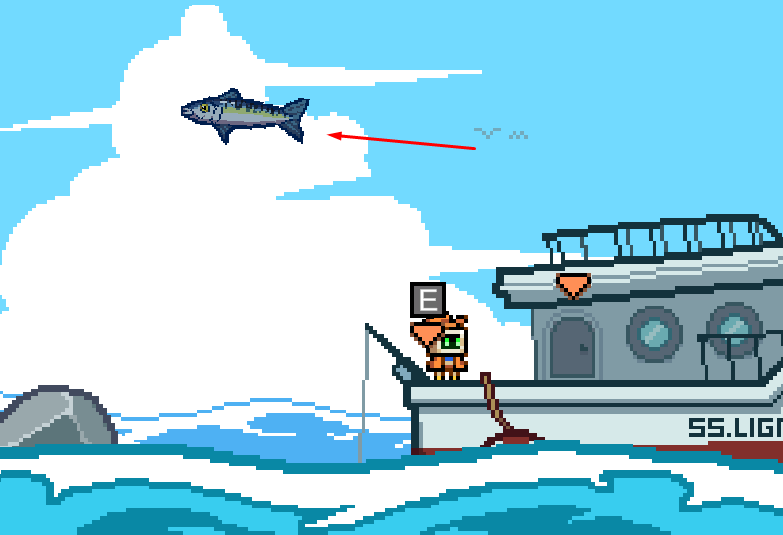
Scale the Depths: Developer Background, Trailer Secrets, and Early Impressions Explained
Scale the Depths is developed by Glass Gecko Games, an indie studio known for atmospheric and stylized projects that prioritize mood, accessibility, and gameplay simplicity. Rather than focusing on complex systems or high-intensity mechanics, the studio tends to design experiences that are easy to understand but still engaging over long play sessions. This design identity fits naturally with Scale the Depths, which emphasizes calm exploration, gradual progression, and a strong visual atmosphere.
The studio’s design philosophy typically focuses on:
- Minimalist UI design
- Environmental storytelling
- Relaxation-driven mechanics
- Artistic pixel art direction
This approach allows Scale the Depths to maintain a clear focus on tone and experience rather than overwhelming players with systems or interfaces. The underwater setting also supports this philosophy by offering a natural space for quiet exploration and subtle discovery, where mood and pacing are more important than fast reaction gameplay.
Although Glass Gecko Games remains a relatively small indie developer, its growing visibility in indie showcases has increased anticipation for Scale the Depths. Players are especially interested in how a focused team can build a game with a strong identity centered on relaxation and exploration. The appeal of the project comes from its clarity of vision, where every element appears designed to reinforce a calm, immersive underwater experience.
The reveal trailer for Scale the Depths also contains several subtle details that hint at deeper gameplay systems beneath its relaxing surface. These include flickering deep-sea silhouettes that suggest hidden creatures, UI flashes that imply multi-layer upgrade trees, sonar-like background pulses that point toward exploration tools, and environmental shifts tied directly to player progression depth. While the trailer presents a calm and meditative tone, these details suggest a more structured system of discovery and progression beneath the surface.
These hidden elements indicate that the ocean may not function as a purely passive environment. Instead, it may contain rare creatures, secret encounters, and environmental events that reward exploration and attention. The UI flashes also suggest a progression loop involving equipment upgrades, improved efficiency, and expanded interaction with deeper areas of the world, reinforcing the idea that progression is layered beneath the game’s calm presentation.
Based on available footage and descriptions, Scale the Depths appears to be aimed at players who enjoy cozy simulation games, relaxing progression systems, exploration-based gameplay, and pixel-art aesthetics. Early impressions suggest that its main strength lies in atmosphere and simplicity rather than mechanical complexity, making it suitable for players who prefer slower, meditative experiences over action-heavy or survival-focused gameplay.
However, the subtle progression hints in the trailer also suggest that there may be enough depth in upgrades, discoveries, and environmental variation to maintain long-term engagement. If successfully balanced, Scale the Depths could deliver a relaxing experience that still rewards curiosity and exploration, potentially positioning it as a notable entry in the growing cozy simulation genre.
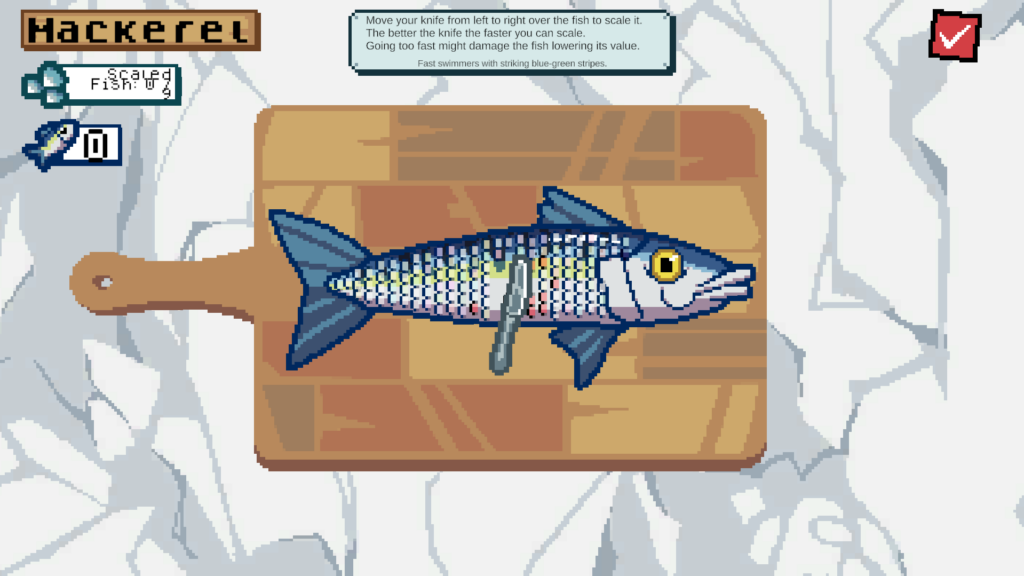
Frequently Asked Questions
- Who is developing Scale the Depths?
The game is being developed by Glass Gecko Games, an indie studio known for atmospheric and minimalist design. Their focus is on creating relaxing, mood-driven experiences that use simple mechanics and strong visual identity to deliver engaging but stress-free gameplay. - What is Scale the Depths about?
It is a chill pixel-art fishing game focused on exploration, relaxation, and underwater discovery. The game is built around slowly exploring ocean layers, catching different species of fish, and enjoying a calm atmosphere where discovery and progression matter more than pressure or competition. Players are encouraged to take their time and experience the underwater world at their own pace. - When is Scale the Depths releasing?
It is currently scheduled for Q2 2026, meaning it is expected between April and June 2026. This window suggests the game is likely in late-stage development, with the remaining time likely focused on polishing gameplay systems, balancing progression, and improving performance before launch. - Is Scale the Depths a realistic fishing simulator?
No, it is not a realistic simulator. Instead, it uses a stylized, arcade-like approach that prioritizes simplicity and relaxation over real-world fishing accuracy. Mechanics are designed to be easy to understand and enjoyable rather than technical or simulation-heavy, making it more accessible for casual players. - Will Scale the Depths have multiplayer?
No multiplayer features have been confirmed so far. The game is designed around a single-player experience where the focus is on personal exploration, relaxation, and progression through underwater environments rather than competitive or cooperative play. - Is there combat in Scale the Depths?
No combat system has been revealed. The gameplay remains entirely peaceful, focusing on fishing, exploration, and discovery. The design avoids stressful or aggressive mechanics, reinforcing its identity as a calm and meditative experience. - What platforms will Scale the Depths be on?
PC is currently the only confirmed platform, with Steam being the most likely storefront. No official console versions have been announced, so at this stage it should be considered a PC-focused indie release. - Does Scale the Depths have progression systems?
Yes, the game includes structured progression through upgraded rods, hooks, and depth-based unlocks. These systems allow players to reach deeper areas of the ocean, improve fishing efficiency, and encounter rarer species as they advance through the game. - Is there a demo for Scale the Depths?
A demo is expected before release, although no exact date has been confirmed. It will likely include early shallow-water areas and basic fishing mechanics, giving players a clear introduction to the game’s tone, systems, and progression style. - What makes Scale the Depths different from other fishing games?
Its main difference is its focus on atmosphere, exploration, and pixel-art storytelling rather than realism or competition. The game emphasizes calm progression and underwater discovery, creating a more meditative experience compared to traditional fishing simulators or arcade fishing games.
Conclusion
Scale the Depths represents a growing trend in indie gaming where relaxation, visual storytelling, and minimalist mechanics combine to create immersive experiences. With its Q2 2026 release window, pixel-art underwater world, and progression-based fishing system, the game positions itself as a strong entry in the cozy simulation genre. Its emphasis on atmosphere over complexity may be its defining strength as anticipation continues to build.
Sources and Citations
- Official Scale the Depths Reveal Trailer (Glass Gecko Games / YouTube)
- Indie Game Announcement Materials: Glass Gecko Games Official Posts
- Gaming Showcase Coverage and Trailer Breakdowns (General Indie Coverage)
- Pixel Art Game Design Trends and Analysis Articles
Recommended
- Downloading 3D Models from Sketchfab: A Step-by-Step Guide
- Why PixelHair is the Best Asset Pack for Blender Hair Grooming
- Super Mario Galaxy Movie Composer Brian Tyler Worked on the Movie While in the Hospital: What Happened and How the Score Was Made
- Sony’s Spider-Man Universe Headed For Reboot After Disastrous Morbius, Madame Web, And Kraven Movies: What Tom Rothman Confirmed
- Amazon Says Fallout Season 2 Audience Trails Only Reacher Season 2 on Prime Video
- Expedition 33 Sequel? Writer Staying Quiet On Clair Obscur Franchise’s Future
- Xbox Project Helix Could Be A Make-Or-Break Moment For Microsoft: Release Date Rumors, Specs, Price, And Everything We Know
- Every Viltrumite In Invincible Explained: Complete Character Guide to the Viltrumite Empire
- Shannon Elizabeth Reveals ‘Difficult’ American Pie Audition: Dancing for Jason Biggs Was “Opposite of the Movie”
- New Mortal Kombat Video Game in Development, Ed Boon Confirms: What “Actively Pursuing” Means and What Comes Next for NetherRealm



































































































