







In This Article (9 sections)
Smalland 2: Lost Realms Release Date, Story, and Lost Realms Explained
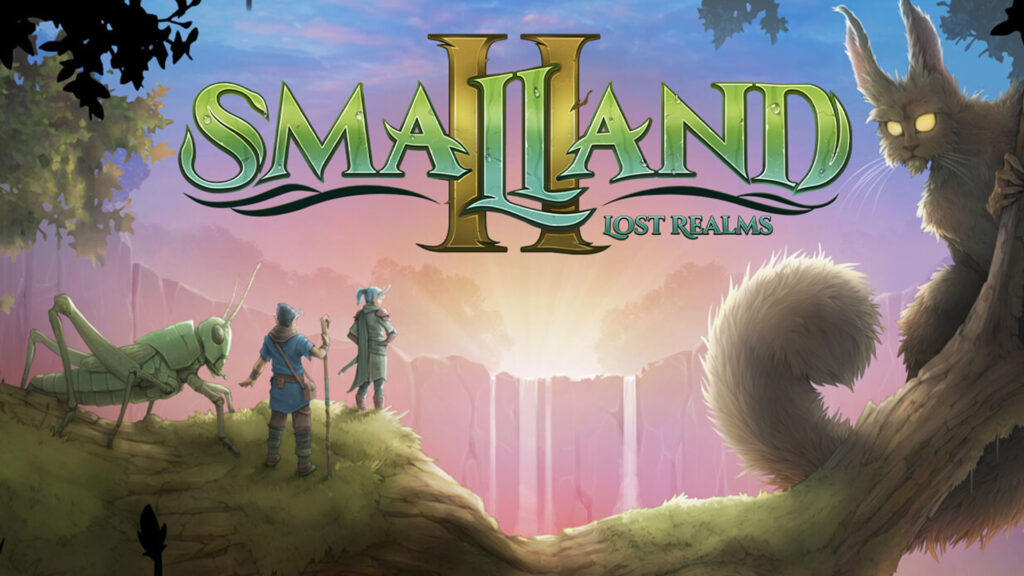
Smalland 2: Lost Realms has been confirmed for a 2026 release window, marking one of the most anticipated announcements in the survival crafting genre. Building on the success of its predecessor, the sequel is positioned as a major expansion of the Smalland universe, offering a larger world, deeper survival mechanics, and significantly enhanced multiplayer systems. While the developers have confirmed the 2026 launch year, an exact release date has not yet been publicly locked in, with industry expectations suggesting a possible mid-to-late 2026 launch window depending on optimization progress and platform certification processes across PC and next-generation consoles.
The confirmation of Smalland 2: Lost Realms has generated strong interest due to the original game’s positive reception in early access and full release phases, where its miniature survival perspective stood out among crowded survival titles. The sequel continues the fantasy survival narrative set in a world where humans exist at an extremely small scale, navigating a massive and dangerous natural environment.
The story expands beyond the original game’s wilderness survival focus by introducing a broader mythological framework known as the “Lost Realms.” These realms are ancient, hidden regions of the world that have evolved independently, filled with ruins, elemental forces, and forgotten civilizations. Players are expected to uncover the mystery behind the fragmentation of these realms while surviving against environmental hazards and hostile creatures, with the narrative emphasizing exploration, discovery, and environmental storytelling rather than linear quest progression. The Lost Realms concept also introduces lore-driven zones, each with unique ecosystems and historical context tied to the world’s collapse or transformation.
Smalland 2 Gameplay, Sequel Structure, and Open-World Survival Crafting
Smalland 2: Lost Realms is a direct sequel to Smalland: Survive the Wilds, continuing the established universe while significantly expanding its scope. Unlike a prequel, it builds upon established lore and assumes familiarity with the original game’s world rules and survival systems, though new players will still be able to enter the game without prior experience thanks to restructured onboarding systems and tutorial progression. The sequel introduces a broader narrative direction that shifts from survival isolation to world-scale exploration and discovery of interconnected realms.
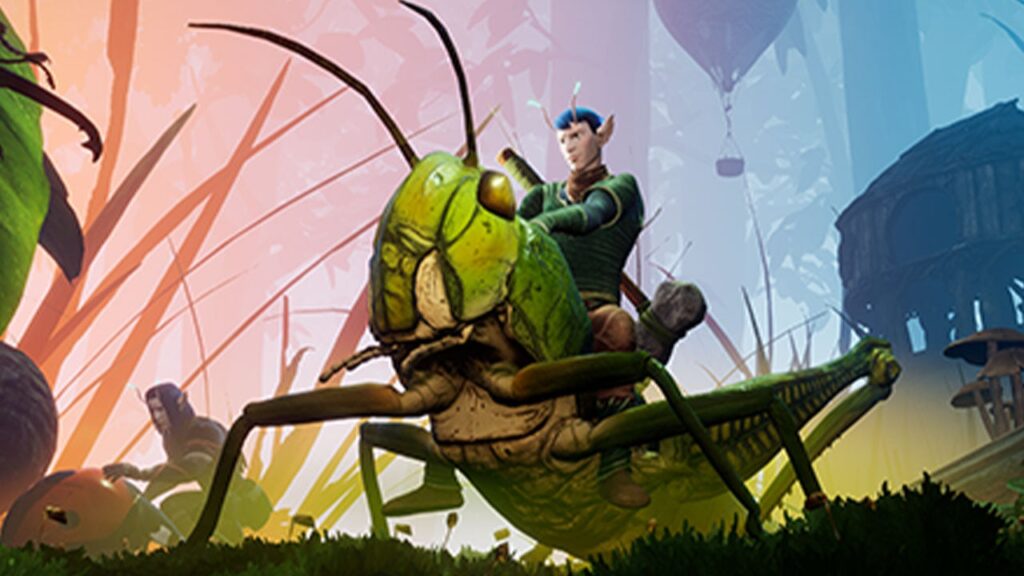
The gameplay expands the core survival loop with more advanced systems and deeper player agency while remaining centered around gathering, crafting, building, and exploration. Key gameplay enhancements include expanded survival mechanics such as temperature regulation, stamina strain, and environmental resistance; dynamic weather systems affecting traversal and combat; more advanced AI behaviors in wildlife and enemy factions; improved physics interactions with the oversized environment; and enhanced traversal mechanics including gliding, climbing, and mount riding. These additions introduce more strategic survival layers, requiring players to adapt to biome-specific challenges and evolving ecosystem threats.
The open-world structure is significantly larger and more layered compared to the original game, with verticality and biome stacking shaping exploration. Players will explore not only horizontally expanded terrain but also multi-layered environments such as canopy levels, underground systems, and ruined civilizations hidden within natural structures. Crafting remains a central pillar of progression, allowing players to gather raw materials from environmental sources, refine components into advanced tools, unlock tier-based crafting systems tied to exploration milestones, and build specialized gear for different biome conditions. Combat has also been refined with more fluid weapon transitions and improved hit detection systems, making encounters with large creatures more tactical and less predictable.
Smalland 2 Multiplayer, New Biomes, Exploration, and Creature Companions
Multiplayer is a major upgrade in Smalland 2: Lost Realms, supporting cooperative gameplay for up to 10 players in a shared world instance. This expanded co-op system enables large-scale cooperative base building, shared resource gathering and crafting progression, group exploration of high-risk Lost Realm zones, and cooperative combat against world bosses and elite creatures. The multiplayer infrastructure is designed to support persistent world progression, meaning player actions can permanently influence shared environments and resource availability, making teamwork a central pillar of progression rather than an optional feature.
The Lost Realms introduce a wide variety of new biomes, each with distinct environmental systems and hazards. These include Crystal Forests with energy-based environmental effects, Sunken Wetlands filled with submerged traversal routes, Volcanic Crevices with heat-based survival challenges, Ancient Ruins zones containing relic-based progression systems, and Windborne Sky Regions requiring aerial traversal tools. Each biome is designed to feel like a self-contained ecosystem with unique resources, creatures, and traversal mechanics, while exploration is heavily rewarded through hidden structures, rare materials, and lore fragments scattered throughout the world.
Creature companionship is also a major evolution in Smalland 2: Lost Realms, with players able to tame, train, and bond with a wider variety of creatures. The updated system includes tiered taming difficulty based on creature rarity, behavioral bonding systems affecting loyalty and combat effectiveness, mount evolution mechanics allowing creatures to grow or adapt over time, and utility roles such as transport, combat support, and resource gathering. Companions are no longer static helpers but dynamic gameplay elements that evolve alongside the player.
Smalland 2 Crafting, Base Building, Tools, Armor, and Movement Systems
The crafting system in Smalland 2: Lost Realms is more complex and interconnected than before, supporting environment-specific armor sets, modular weapons with upgrade paths, survival tools for traversal and resource efficiency, and elemental resistance gear for biome survival. Armor progression now includes layered upgrades, allowing customization based on playstyle, whether stealth, combat, or exploration-focused. Tools also degrade and require maintenance, reinforcing long-term survival planning and making crafting a more active part of progression.
Base building has been significantly expanded with more structural freedom and strategic depth. Players can build multi-level bases with structural support systems, establish defensive perimeters against environmental threats, create specialized crafting stations tied to progression tiers, and expand settlements into shared multiplayer hubs. Bases are also influenced by environmental conditions such as wind exposure, humidity, and creature migration patterns, making base placement a strategic decision rather than a cosmetic one.
Movement systems have also been significantly expanded to improve traversal freedom across the larger world. Key mechanics include advanced climbing with stamina-based grip systems, fluid water traversal with buoyancy physics, improved gliding and aerial navigation, and mount-assisted movement across large distances. Water environments are now fully integrated into gameplay, offering underwater exploration, resource gathering, and hidden cave systems.
Smalland 2 Platforms, Switch 2 Version, Unreal Engine 5 Graphics, and Performance
Smalland 2: Lost Realms is expected to release across major modern platforms, including PlayStation 5, Xbox Series X|S, PC through Steam and other digital storefronts, and Nintendo Switch 2 as an anticipated next-gen release version. The game is being developed with cross-platform optimization in mind, aiming for consistent performance across systems while leveraging next-gen hardware for enhanced visuals and simulation density.
The Nintendo Switch 2 version is expected to launch either alongside or shortly after the main 2026 release window. Due to hardware differences, the Switch 2 version is expected to include scaled-down environmental density, optimized texture streaming, reduced draw distances, and maintained core gameplay systems and co-op functionality. Despite performance scaling, the Switch 2 edition is expected to retain full gameplay parity in terms of survival systems and exploration mechanics.
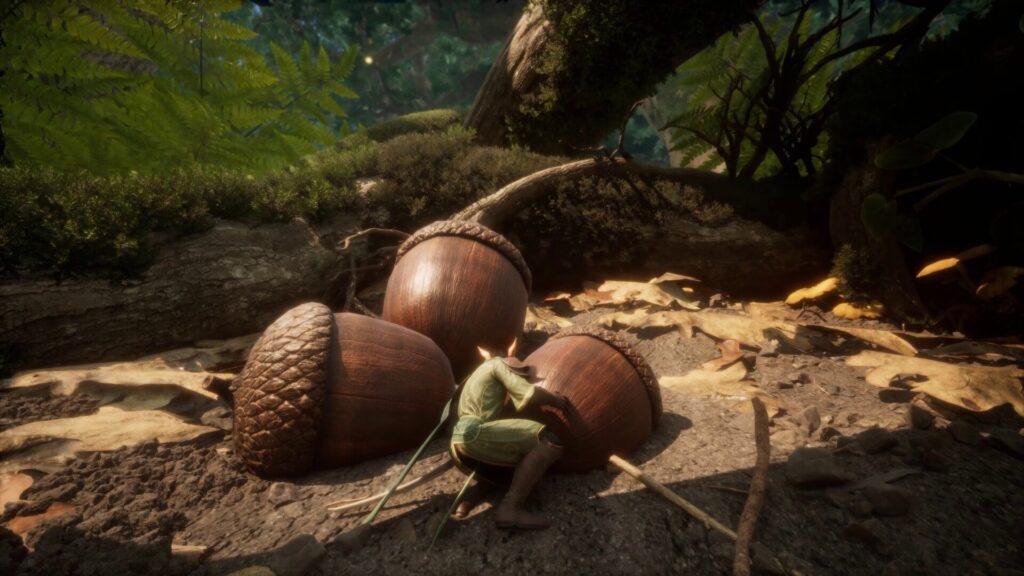
Smalland 2: Lost Realms is being developed using Unreal Engine 5 technology, enabling significant improvements in global illumination and dynamic lighting, high-detail environmental rendering, advanced particle and weather systems, and improved physics-based interactions. The engine upgrade allows for more immersive environments, particularly in dense biomes where lighting, scale, and movement are critical to player experience. Performance optimization is also a key focus, ensuring stable frame rates across large multiplayer sessions.
Frequently Asked Questions (FAQs)
- Is Smalland 2: Lost Realms officially confirmed?
Yes, Smalland 2: Lost Realms has been confirmed for a 2026 release window. An exact launch date has not yet been publicly locked in, but the game is officially positioned as the next major entry in the Smalland universe. - What type of game is Smalland 2?
It is a survival crafting open-world adventure game. Players gather resources, craft equipment, build bases, explore large environments, survive environmental hazards, and encounter dangerous creatures within the miniature fantasy world. - Is Smalland 2 multiplayer?
Yes, Smalland 2 supports co-op multiplayer for up to 10 players in a shared world instance. The multiplayer systems are designed around cooperative building, resource gathering, exploration, and combat against major threats. - Do you need to play Smalland 1 first?
No, new players can start with Smalland 2 because the game includes restructured onboarding systems and tutorial progression. However, playing Smalland: Survive the Wilds first can help with understanding the established lore, world rules, and survival systems. - What platforms will Smalland 2 release on?
Smalland 2: Lost Realms is expected to release on PlayStation 5, Xbox Series X|S, PC through Steam and other digital storefronts, and Nintendo Switch 2. The game is being developed with cross-platform optimization in mind. - What engine is Smalland 2 using?
Smalland 2: Lost Realms is being developed using Unreal Engine 5. This allows for improvements in lighting, environmental rendering, particle and weather systems, and physics-based interactions. - Is base building improved in Smalland 2?
Yes, base building has been expanded with multi-level structures, structural support systems, defensive perimeters, specialized crafting stations, and shared multiplayer hub potential. Environmental factors such as wind exposure, humidity, and creature migration patterns also affect base placement. - Can you tame creatures in Smalland 2?
Yes, creature taming has been expanded with bonding and evolution systems. Players can tame, train, and bond with creatures that may serve roles such as transport, combat support, and resource gathering. - Will Switch 2 have the same content?
Yes, the Switch 2 version is expected to maintain gameplay parity in terms of survival systems and exploration mechanics. However, it is also expected to include performance optimizations such as scaled-down environmental density, optimized texture streaming, and reduced draw distances. - What is the Lost Realms concept?
The Lost Realms are hidden biome regions with unique ecosystems, hazards, resources, creatures, and lore. These ancient regions have evolved independently and are tied to the broader mystery of the world’s collapse or transformation.


Conclusion
Smalland 2: Lost Realms represents a major evolution in the survival crafting genre, expanding the original game’s miniature-scale world into a far more complex and layered ecosystem. With enhanced multiplayer systems, deeper crafting mechanics, expanded biomes, and Unreal Engine 5-powered visuals, the sequel aims to deliver a more immersive and strategic survival experience. Its 2026 release window places it among the most anticipated upcoming survival titles, especially for players interested in exploration-driven cooperative gameplay.
Sources and Citations
- IGN
https://www.ign.com - GameSpot
https://www.gamespot.com - Smalland: Survive the Wilds (Steam Page)
https://store.steampowered.com - Unreal Engine
https://www.unrealengine.com
Recommended
- Logitech G512 X Gaming Keyboard: Is This the Most Advanced and Customizable Keyboard Yet?
- Blindfire is Now Free to Play and Will Stick Around for ‘years’ so Players Can See What the Studio Created. Failed Online Shooter Won’t Shut Down Because ‘Games Are Art and Deserve to Be Preserved’
- The Ultimate Guide to the Most Popular Black Hairstyle Options
- World Creator 2026.4 Released: New Free Community Edition, Features, Performance Boosts & What’s New
- How to Use Decals and Stickers in Substance Painter: A Complete Guide for 3D Artists
- Sonic the Hedgehog Production Company Story Kitchen is Bringing Broken Sword to the Big Screen After Years of Failed Attempts: What We Know so Far
- Star Wars Zero Company Release Date Leak Confirms August Launch, Why It’s Skipping the September Game Release Crush
- PlayStation Wireless Fight Stick Release Date August 2026 Explained
- The First Berserker: Khazan: Neople Announces Restructure of Dev Teams — What It Means for Updates and Nexon’s Plans
- How to Do Hair in Unreal Engine 5 from Blender: Materials, Physics, Modular Hair, Transparency, and Real-Time Shading



































































































