



In This Article (12 sections)
The Outer Worlds Spacer’s Choice Edition Upgrade Controversy Explained
The controversy surrounding the upgrade path for The Outer Worlds has resurfaced in 2026, as players report being unexpectedly locked out of what was widely understood to be a free or discounted upgrade to the Spacer’s Choice Edition. The issue has triggered frustration across PlayStation and Xbox ecosystems, with many players claiming entitlement confusion, missing upgrade options, or sudden prompts to repurchase the game entirely.
The situation intensified after Obsidian Entertainment publicly acknowledged the problem and stated that it intends to “make it right,” signaling that a resolution is being actively considered for affected users. At the center of the issue is the complex overlap between base game ownership, DLC entitlement, and platform-specific upgrade policies, which can vary between digital storefronts and console ecosystems.
The core of the problem lies in the transition from the original release of The Outer Worlds to the enhanced Spacer’s Choice Edition, which bundled visual upgrades, performance improvements, and DLC content. Many players expected a straightforward entitlement path: own the base game and receive a free or discounted upgrade. However, the reality was more fragmented.
Key issues included:
- Inconsistent entitlement recognition across platforms
- DLC ownership not properly syncing with upgrade eligibility
- Storefront listing changes that removed or altered upgrade pathways
- Regional licensing differences affecting availability
As a result, some users who believed they qualified for the upgrade were either denied access or prompted to purchase the full Spacer’s Choice Edition separately.
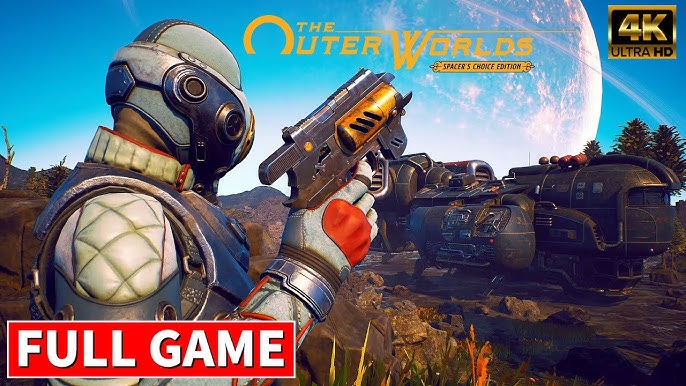
Why The Outer Worlds Players Are Locked Out of the Spacer’s Choice Edition Upgrade
The lockout issue surrounding The Outer Worlds: Spacer’s Choice Edition stems from a combination of platform policy restrictions, promotional messaging, and the way upgrade entitlements were initially structured. When the Spacer’s Choice Edition was introduced, the messaging implied a relatively simple upgrade path. However, in practice, eligibility checks were more complicated than many players expected.
Several factors contributed to the issue:
- Xbox and PlayStation handle upgrade entitlements differently.
- Some users owned only partial DLC bundles.
- Digital licenses were not always correctly categorized.
- Time-limited promotional upgrade windows expired in certain regions.
These factors created a situation where eligibility checks failed, even for users who believed they met all requirements. This mismatch between player expectations and storefront system logic is the primary reason many players are now unable to access the upgrade they were promised or assumed they would receive.
Console ecosystems are at the heart of the confusion. On Xbox, digital licensing is typically tied to account entitlements and Game Pass ecosystems, while PlayStation relies more heavily on store-based ownership validation. This difference can create inconsistent upgrade behavior for the same game across platforms.
Common issues reported include:
- Xbox accounts not recognizing DLC ownership properly.
- PlayStation users missing upgrade banners entirely.
- Region-locked storefront discrepancies.
- Cross-gen licensing confusion.
These inconsistencies have led to fragmented user experiences, especially for those trying to upgrade from the base version of The Outer Worlds to the Spacer’s Choice Edition.
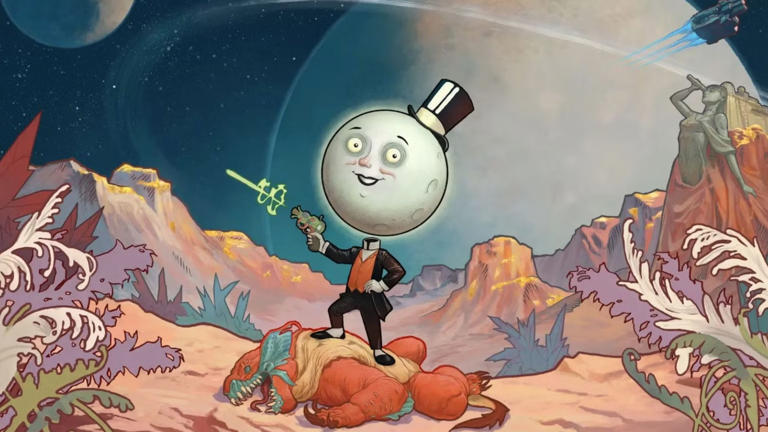
Obsidian’s Response and What “Make It Right” Could Mean
Obsidian Entertainment has acknowledged the wave of complaints regarding upgrade access issues tied to The Outer Worlds: Spacer’s Choice Edition. The studio’s response has focused on three key points:
- Recognition that some players are incorrectly flagged as ineligible.
- Commitment to investigating entitlement mismatches.
- Assurance that affected users will not be ignored.
While no immediate universal fix has been deployed, Obsidian’s promise to “make it right” has been widely interpreted as a commitment to corrective action. However, the phrase remains broad, and its exact meaning has not yet been finalized.
Based on typical industry practices, possible resolutions include:
- Retroactive upgrade access for eligible players.
- Refunds for those who repurchased the Spacer’s Choice Edition.
- Platform-specific entitlement patches.
- Free DLC or bonus content compensation.
- Storefront corrections to restore missing upgrade options.
For players of The Outer Worlds, this could mean that eligibility systems will be re-evaluated across Xbox, PlayStation, and PC ecosystems to correct inconsistencies. Until a formal rollout is announced, however, “make it right” remains a placeholder for corrective action rather than a confirmed solution.

Who Is Eligible for the Free Spacer’s Choice Edition Upgrade in 2026?
Eligibility for the Spacer’s Choice Edition upgrade is not universal and depends on several conditions. Typically eligible users include:
- Owners of the base game prior to specific promotional cutoffs.
- Users who own all major DLC expansions.
- Accounts tied to eligible digital storefront purchases.
- Users in supported regions where the promotion was active.
Complications arise when DLC was purchased separately or on sale, when physical copies were used with partial digital entitlements, or when accounts were migrated between regions or platforms. As a result, eligibility for The Outer Worlds upgrades often needs to be individually verified.
One of the most frustrating aspects of the issue is that some users are being prompted to buy the Spacer’s Choice Edition again despite already owning the base game. This typically happens due to:
- Storefront misidentification of ownership status.
- Missing DLC flags in account records.
- Bundled editions not recognizing prior purchases.
- Licensing resets after delisting or re-listing events.
In many cases, users are effectively “invisible” to the upgrade system, even though they legitimately own The Outer Worlds. This is why some players are being asked to repurchase the game instead of receiving the expected free or discounted upgrade path.

The Outer Worlds Base Game vs. Spacer’s Choice Edition: What Changed
The Spacer’s Choice Edition is not just a cosmetic update to The Outer Worlds. It significantly expands and modifies the original experience, which is why the upgrade was positioned as a major revision rather than a minor patch.
Key differences include:
- Enhanced lighting and environmental fidelity
- Improved frame rate stability and performance tuning
- Higher-resolution textures
- Included DLC expansions bundled into one package
- Rebalanced gameplay systems for smoother progression
The base version of The Outer Worlds lacks these enhancements, making the Spacer’s Choice Edition a more complete version of the game. However, because it bundles upgrades, performance improvements, and DLC content into a separate edition, the transition from the original release has created confusion around ownership and upgrade eligibility.
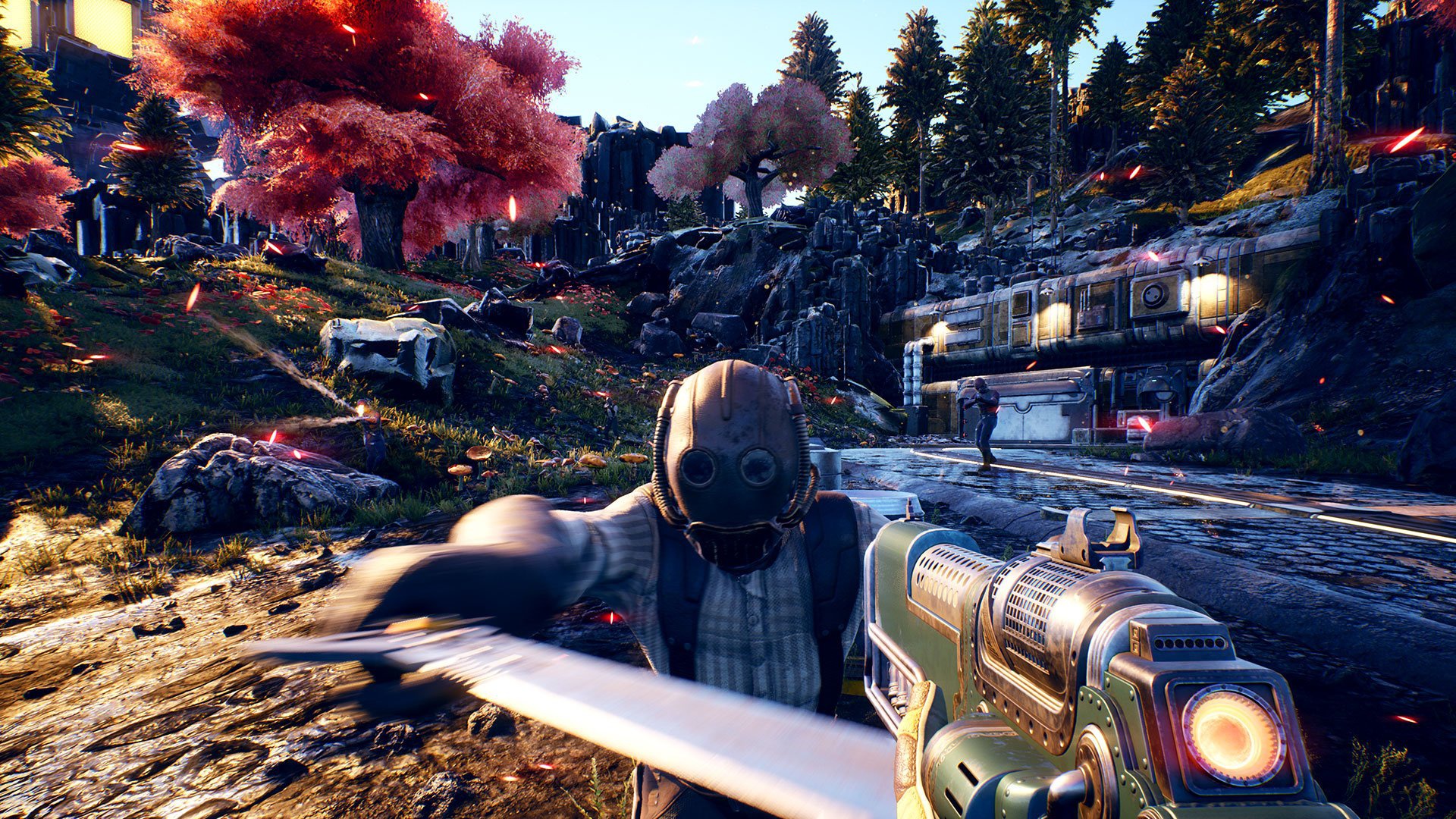
How DLC Ownership, Delisting, and Console Licensing Affect Upgrade Eligibility
DLC ownership is one of the most important factors in determining eligibility for the Spacer’s Choice Edition upgrade. Players may encounter issues if they own only one DLC instead of both, purchased DLC on a different platform, have DLC licenses that were not properly linked to their account, or bought bundles across multiple storefront transactions.
Because the Spacer’s Choice Edition often assumes complete DLC ownership, partial ownership can break eligibility checks and block upgrades for otherwise valid users of The Outer Worlds. Delisting events can complicate entitlement tracking even further. When versions of The Outer Worlds are removed and replaced with updated editions, store listings may:
- Reassign ownership identifiers
- Break legacy upgrade paths
- Replace product SKUs entirely
- Disable older promotional upgrade routes
This can result in users losing access to previously visible upgrade options, even if they meet all original requirements. Console platforms also impose strict licensing frameworks that affect how upgrade systems are delivered and verified.
Common platform limitations include:
- Separate entitlement systems for digital and physical copies
- Regional store fragmentation
- Limited cross-platform license portability
- Strict SKU-based ownership validation
These constraints directly impact how upgrades for The Outer Worlds are recognized across Xbox and PlayStation, especially when base game ownership, DLC licenses, regional storefronts, and updated product listings do not align cleanly.
Obsidian Support Guidance and How to Check Spacer’s Choice Edition Upgrade Eligibility
Support channels from Obsidian Entertainment and platform holders have advised affected users to verify their ownership details before escalating the issue. In cases where users repurchased the Spacer’s Choice Edition unnecessarily, refund eligibility is typically handled by Xbox or PlayStation support teams rather than the developer directly.
Affected players are advised to:
- Verify full game and DLC ownership in account settings
- Contact platform support for entitlement verification
- Check purchase history for missing licenses
- Submit refund requests where double purchases occurred
Players can also manually verify eligibility by following several checks. These steps can help determine whether the issue is entitlement-related or system-based for The Outer Worlds.
Eligibility checks include:
- Checking full game ownership in the library
- Confirming all DLCs are installed and licensed
- Reviewing store upgrade page availability
- Logging into the correct account region
- Verifying purchase history on platform accounts
- Restarting the console or refreshing the license cache
- Checking for bundled edition recognition
- Ensuring no refund or chargeback history exists
- Updating system and store apps
- Contacting platform support if issues persist
These steps do not guarantee access to the upgrade, but they can help identify whether the account is missing a license, affected by a storefront issue, or blocked by platform-specific entitlement rules.

Community Reaction and What Players Should Expect from Obsidian Next
Community response to The Outer Worlds free upgrade controversy has been largely critical, with players expressing frustration over unclear eligibility rules, confusing storefront changes, inconsistent entitlement enforcement, and delayed communication from support channels.
Common complaints include:
- Lack of clarity in upgrade eligibility rules
- Confusion caused by storefront changes
- Perceived inconsistency in entitlement enforcement
- Delayed communication from support channels
However, some users have noted that modern game upgrade systems are increasingly complex due to cross-platform licensing constraints, suggesting that the issue may be structural rather than purely a developer oversight.
While no permanent fix has been fully deployed, expectations are centered around:
- Backend entitlement recalibration
- Expanded eligibility verification tools
- Improved storefront clarity
- Possible compensation packages
Given Obsidian Entertainment’s statement, it is likely that future updates will focus on correcting ownership validation systems and restoring missing upgrade pathways for affected users of The Outer Worlds.

Frequently Asked Questions (FAQs)
- Why can’t I access the Spacer’s Choice upgrade?
You may be unable to access the Spacer’s Choice upgrade because your account is not properly recognizing your ownership of the base game, the required DLC, or both. This can happen because of store licensing issues, different editions of the game, subscription access, or purchases made across separate platforms or accounts. - Is the upgrade really free?
The upgrade was offered as a free or discounted option only under certain conditions. In most cases, players needed to already own the correct version of the base game and the required DLC before the eligibility window or platform rules applied. - Why am I being asked to repurchase the game?
This usually happens when the store does not detect your existing entitlement correctly. Even if you own the game, the platform may treat your copy as ineligible if it came from a subscription, physical disc, different edition, separate account, or incomplete DLC ownership. - Does DLC ownership affect eligibility?
Yes, DLC ownership can directly affect whether you qualify for the upgrade. Many upgrade paths require ownership of both the base game and the full DLC package, so owning only the main game may not be enough. - Can Xbox and PlayStation users be affected differently?
Yes, Xbox and PlayStation handle game licenses, DLC entitlements, physical discs, and store upgrades differently. Because of this, one platform may recognize eligibility correctly while another may require extra verification or show a purchase prompt. - Will refunds be available?
Refunds depend on the policy of the platform where the purchase was made. If you bought the upgrade or repurchased content because of a licensing issue, you should contact Xbox, PlayStation, Steam, Epic, or the relevant store support team as soon as possible. - Is Obsidian fixing the issue?
Yes, Obsidian has acknowledged the issue and stated that corrective action is planned. However, fixes may take time because entitlement problems often involve both the game publisher and the platform storefronts. - Do physical copies qualify for the upgrade?
Physical copies may qualify, but only under specific conditions. You may need to keep the disc inserted, own the correct regional version, and ensure that any required DLC is purchased on the same platform account. - Can I still upgrade in 2026?
Possibly, but eligibility must be checked on a case-by-case basis. Whether you can still upgrade depends on your platform, edition, DLC ownership, account history, and whether the upgrade offer remains active in your store region. - What should I do if I’m affected?
First, confirm that you own the correct base game version and all required DLC on the same account. Then check your platform’s store page, restore licenses if available, and contact platform support with proof of purchase if the upgrade still does not appear.

Conclusion
The upgrade controversy surrounding The Outer Worlds highlights the growing complexity of modern game licensing systems across multiple platforms. While Obsidian Entertainment has acknowledged the issue and promised to “make it right,” the underlying problem stems from fragmented entitlement systems, DLC dependencies, and inconsistent storefront behavior.
As the industry continues to evolve toward enhanced editions and cross-platform ecosystems, cases like this underscore the need for clearer upgrade pathways and more transparent ownership validation systems.
Sources and Citations
- Xbox Support: Game ownership and licensing help
https://support.xbox.com - PlayStation Support: Game upgrades and entitlement issues
https://www.playstation.com/support/ - Obsidian Entertainment official updates
https://www.obsidian.net - The Outer Worlds official game page
https://outerworlds.obsidian.net
Recommended
- How to Monetize Mobile Games: Proven Strategies for 2026
- The Punisher: One Last Kill and the Most Disturbing Scene in Marvel History Explained
- Understanding Interpolate Hair Curves geometry nodes preset
- Microsoft Tried to Ban “Microslop” in Its Copilot Discord Amid AI Criticism — and the Internet “Microslopped” Even Harder
- The First-Ever Fight Club 4K Blu-Ray Release Comes With a Soapy Steelbook Cover
- Next Update and Banners: Everything We Know About Version 6.5 and 6.6 (Release Dates, Livestream, and Banner Phases)
- Top 10 Cyberpunk 2077 Mods to Transform Your Night City Experience
- Witch Hat Atelier (Anime Series) Guide: Release Date, Where to Watch, Episode Schedule, Cast, and Story Overview
- Repo: All Monsters Explained, Complete Guide to Every Enemy, Behavior, Weakness & Survival Tips
- Borderlands 4’s New $30 Expansion Pack Isn’t Winning Over Fans: Mad Ellie DLC Price, Length, and Steam Backlash



































































































