








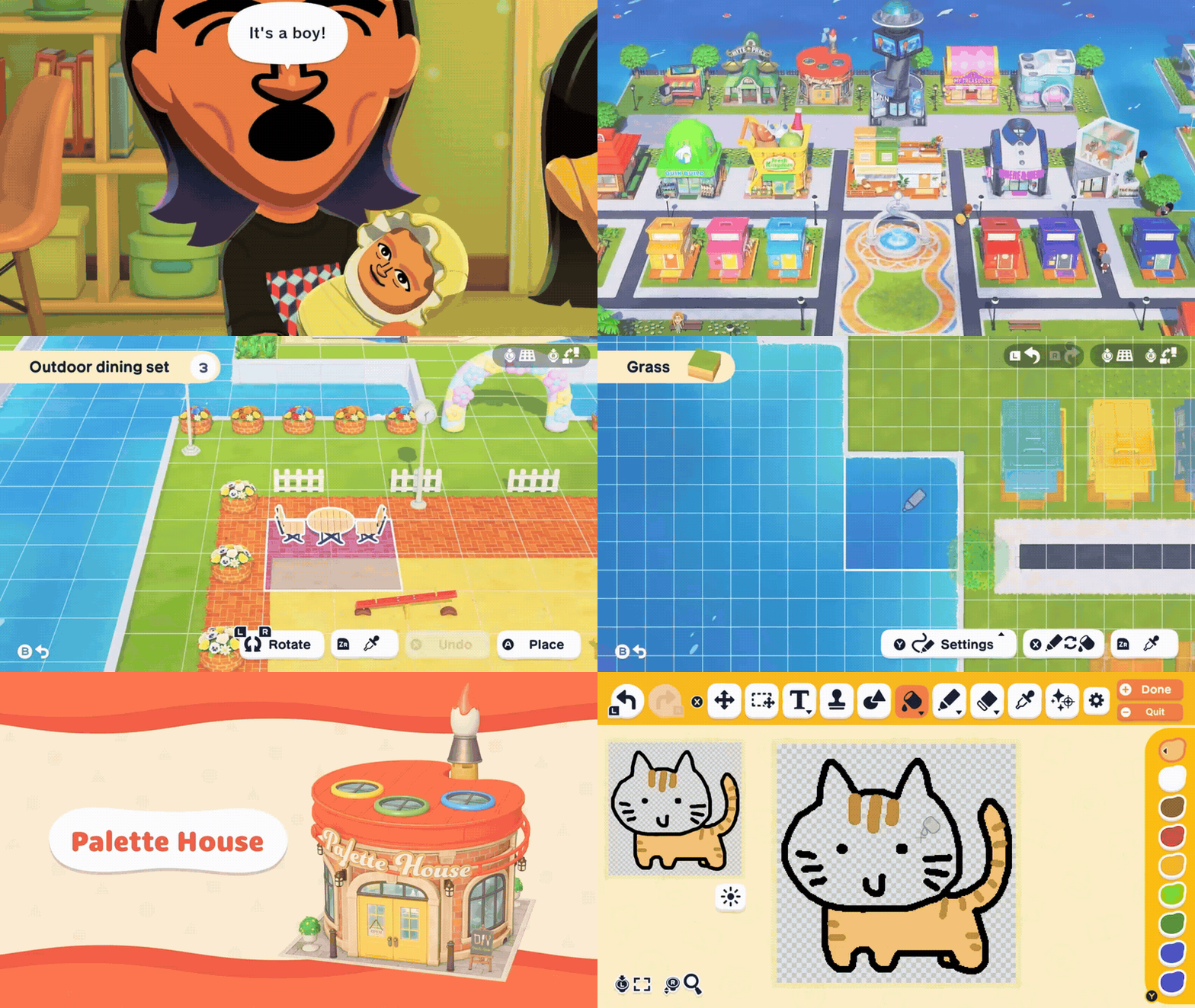
Tomodachi Life: Living the Dream Demo Overview
The free demo for Tomodachi Life: Living the Dream, released on March 25, 2026, has startled the Nintendo community by completely lacking a profanity filter. Unlike the strictly censored 3DS predecessor, this sequel allows Mii characters to speak, sing, and be named using unrestricted language. While the full game is set for release on April 16, 2026, the demo has already sparked a viral wave of uncensored player content.
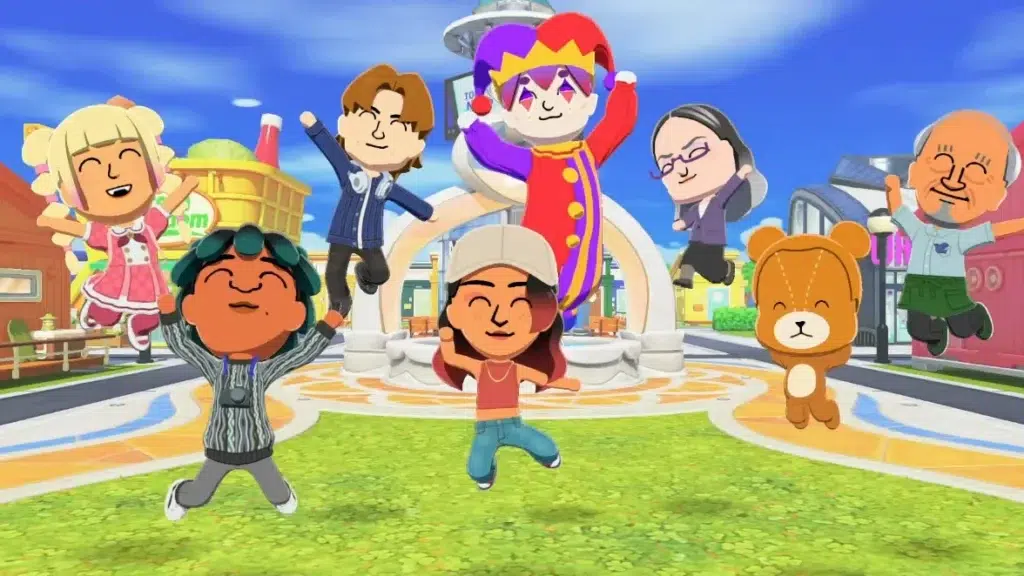
Tomodachi Life: Living the Dream Demo Has No Profanity Filter
Nintendo’s “Welcome Version” demo allows players to input any text without a blacklist or censorship system in effect.
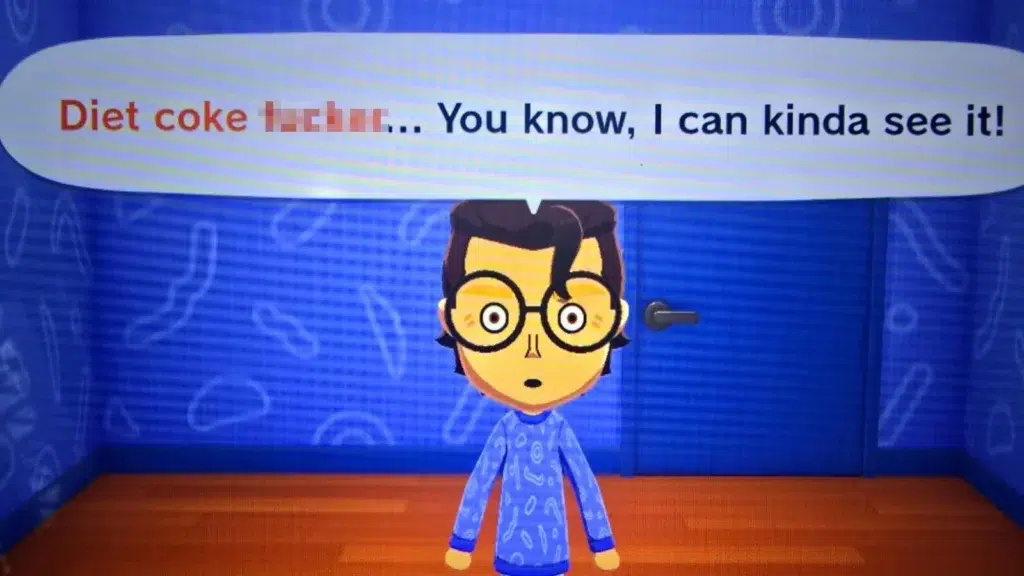
- Uncensored Speech: Miis will speak any typed word aloud using text-to-speech, including heavy profanity and explicit phrases.
- No Repercussions: Verified tests confirm that the game accepts inappropriate language in dialogue, nicknames, and island names.
- Contrast with Prequel: This marks a significant departure from Nintendo’s traditional family-friendly moderation seen in the original 3DS title.
Community Discovery and Viral Reactions
The realization that the game is unfiltered spread rapidly across social media platforms like Bluesky, Reddit, and TikTok.
- First-Hand Testing: Players rushed to confirm if the game would block foul language, finding that even extreme profanity remains unedited.
- Viral Clips: The hashtag #TomodachiLife trended as users shared “meme fuel” videos of Miis dropping “F-bombs” or performing R-rated skits.
- “Meme 2.0”: The community has embraced the absurdity, creating content reminiscent of the original game’s viral Vine era but with a new level of “no-filter” freedom.
Gameplay and Input Possibilities
Players are utilizing the lack of a filter to push the boundaries of the life-simulation’s humor.
- Explicit Dialogue: Users have created scenarios where Miis engage in vulgar discussions or confess scandalous “dreams.”
- Custom Songs: The Concert Hall feature allows for the creation of songs with explicit lyrics that the characters sing in their signature robotic voices.
- Naming Freedom: Island names and player lookalikes can be turned into dirty puns or overt swears, which are then recited by the in-game newscaster.
Reasons for the Unfiltered Experience
The prevailing theory for the lack of censorship involves Nintendo’s specific design choices for this entry.
- Lack of Online Sharing: Since the game does not feature built-in online content sharing, Nintendo may feel comfortable allowing freedom in a private, single-player environment.
- Intentional Creative Freedom: Some speculate Nintendo is leaning into the accidental “weirdness” that made the first game a cult hit to generate organic viral marketing.
- Trade-off: The “no-filter” policy appears to be balanced by a total lockdown on native console sharing features to contain inappropriate content.
Comparison: Tomodachi Life 3DS vs. Living the Dream
The difference in content moderation between the two versions is stark and reflects a shift in Nintendo’s approach.
- 3DS Over-Censorship: The original game famously blocked mild words like “fart,” “poop,” and even “basement” (due to substrings).
- Switch Freedom: The 2026 demo does not bleep any confirmed profanity, allowing for a much more “adult” or unrestricted vocabulary.
- Target Audience: This shift, along with the inclusion of same-sex relationships and non-binary options, suggests the title is aimed at a more mature or inclusive audience.
Online Sharing Restrictions
To manage the “unpredictable moments” caused by the lack of a filter, Nintendo has disabled standard Switch sharing functions for this title.
- Disabled Features: Posting to social media, transferring images to phones via QR codes, and automatic cloud uploads are turned off.
- Video Capture: The built-in 30-second video recording function is disabled during gameplay.
- Local Only: Sharing is restricted to local wireless connections with friends, effectively “sandboxing” the unfiltered content.
ESRB Rating and Parental Guidance
Despite the potential for swearing, the game has maintained an “E for Everyone” rating.
Parental Controls: Parents are encouraged to use system-level parental controls, as the game’s “cleanliness” depends entirely on the player’s own input.26, appealing to both the nostalgic fans and a new generation of players drawn in by its viral moments and inclusive twist.
User-Generated Content: The ESRB does not typically factor player-inputted text into the official age rating.
Base Content: The scripted game contains only “Comic Mischief” and “Mild Fantasy Violence,” such as cartoon flatulence.
Frequently Asked Questions (FAQs)
- When is Tomodachi Life: Living the Dream released, and on what platforms?
Tomodachi Life: Living the Dream is scheduled for release on April 16, 2026, for the Nintendo Switch. It is also compatible with the Nintendo Switch 2, featuring certain enhancements. The game will be available both physically and digitally on the eShop for $59.99 USD. - Does the Living the Dream demo progress carry over to the full game?
Yes. Data from the “Welcome Version” demo, including up to three created Miis and collected items, will transfer to the retail version. Players can resume their progress exactly where the demo concludes. - How long is the demo and what are its limitations?
The demo offers approximately 30–40 minutes of gameplay. It is limited to the creation of three Miis and early-game events. Once the third Mii is created and the clothing shop is unlocked, scripted activities cease. Features like marriage, children, and advanced shops are locked in this finite version. - Can Miis really swear in Tomodachi Life: Living the Dream?
Yes. There is no profanity filter in the demo or the anticipated full game. Miis will speak and display any user-inputted text, including heavy profanity. While the game is rated E and contains no pre-written bad language, it does not block any language added by the player. - Will the full game have a profanity filter or might Nintendo patch one in?
Nintendo has given no indication that a filter will be added. Their current strategy involves restricting sharing features rather than censoring offline, user-generated content. A day-one patch to add a filter is considered unlikely as it would fundamentally alter the marketed experience. - Does Tomodachi Life: Living the Dream have multiplayer or online features?
No. The game is primarily a single-player, local experience. There is no online multiplayer for visiting other islands. Direct online sharing of images or Miis is blocked by Nintendo. Sharing is restricted to local wireless, QR codes, or external methods like using a smartphone to record the screen. - Can you create custom hairstyles or import your own designs for Miis?
No. Players must use the built-in Mii creation system and are limited to the provided assets. You cannot import custom 3D models or meshes. While external 3D tools like PixelHair exist for platforms like Blender or Unreal Engine, they are not compatible with or related to the game’s internal systems. - What is the ESRB rating for Living the Dream, and does the swearing affect it?
The game is rated E for Everyone for “Comic Mischief” and “Mild Fantasy Violence.” The rating does not account for player-generated swearing. Because the profanity is not part of the scripted game and there are no online interactions, the ESRB does not apply a “Language” or “Users Interact” warning. - Can you share screenshots or videos of your Tomodachi Life gameplay online?
Not directly through the console. Nintendo has disabled the Switch’s internal screenshot and video capture functions for this title to prevent “out-of-context” scenes from spreading. Players must use external workarounds, such as smartphone cameras or capture cards, to share footage. - What new features does Living the Dream add compared to the original Tomodachi Life?
The sequel includes several major upgrades:- Non-binary gender options and same-sex relationships.
- Expanded Mii customization (facial features, face paint, custom pronouns, and voices).
- Roommate groups allowing up to eight Miis per house.
- Island layout customization (placing trees, benches, and moving buildings).
- The “Palette House” workshop for creating custom clothing and items.
- New shops, expanded news broadcasts, and the return of the Tomodachi Quest RPG mini-game.
Conclusion
Tomodachi Life: Living the Dream is shaping up to be a standout Nintendo release that hits that rare mix of outrageous humor and heartfelt inclusivity. The demo alone has shown us that this new Tomodachi Life isn’t afraid to let players push boundaries – from Miis dropping uncensored swear words to finally allowing everyone to love who they want. It’s been a long wait since the original game, but Nintendo has clearly used that time to both listen to fans and double down on what makes Tomodachi Life unique.
When the full game launches, we can expect a flood of new stories: hilarious dramas, sweet romances (now including all genders), ridiculous songs, and yes, undoubtedly more viral clips that slip out via enthusiastic fans. Tomodachi Life has always been about the emergent, unexpected interactions between characters – Living the Dream cranks that up to 11. Whether you’re in it for the cozy life-sim aspect of nurturing your Miis’ happiness, the comedic sandbox of making them say and do crazy things, or the collectible drive of unlocking items and customizing your island, this game promises a little something for everyone.
Nintendo has effectively given us a toy chest full of delightful possibilities: we can create ourselves and the people we care about (or fictional characters we love), set them loose, and watch as silly and sincere moments unfold. Some moments will make you laugh until your sides hurt (like a Mii blurting out a brazen one-liner), and others might genuinely warm your heart (like two unexpected Miis becoming best friends, or a long-awaited proposal between characters now that everyone is included in the love stories). Tomodachi Life has always been a generator of water-cooler stories among those who play it – and now, those stories will be even more varied and inclusive.
In conclusion, Tomodachi Life: Living the Dream looks to be living up to its name: letting players live out whatever dream (or zany nightmare) they wish with their Mii characters. It’s a bold sequel that respects what made the original a cult classic, while boldly evolving to fit 2026’s world and player expectations. If the demo is any indication, we’re in for a treat – a game that will have us laughing, sharing (responsibly!), and talking about our islands for a long time to come.
So get ready to gather your Miis, brace yourself for some unfiltered fun, and remember: what happens on the island…might just end up on the internet, one way or another, bringing smiles to faces everywhere. Living the Dream is almost here, and it might just be the chaotic good experience we all didn’t know we needed until now.
Sources and Citations
- https://kotaku.com/tomodachi-life-living-the-dream-no-filter-swearing-miis-1851370891
Kenneth Shepard. “Tomodachi Life Players Can’t Believe The Game Has Basically No Filter.” Kotaku, March 25, 2026. - https://kotaku.com/tomodachi-life-living-the-dream-screenshots-sharing-1851324412
Zack Zwiezen. “Nintendo Is Going To Make It Really Hard To Share Screenshots In Tomodachi Life: Living the Dream.” Kotaku, January 29, 2026. - https://www.nintendolife.com/news/2026/03/random-uh-oh-tomodachi-life-living-the-dream-miis-are-already-swearing
Alana Hagues. “Random: Uh Oh, Tomodachi Life: Living The Dream Miis Are Already Swearing.” Nintendo Life, March 2026. - https://www.nintendolife.com/news/2026/03/surprise-tomodachi-life-welcome-version-demo-is-live-now-on-the-switch-eshop
Gavin Lane. “Surprise! Tomodachi Life ‘Welcome Version’ Demo Is Live Now On The Switch eShop.” Nintendo Life, March 25, 2026. - https://www.nintendolife.com/news/2026/01/tomodachi-life-living-the-dream-will-allow-same-sex-relationships-and-non-binary-miis
Alana Hagues. “Tomodachi Life: Living The Dream Will Allow Same-Sex Relationships & Non-Binary Miis.” Nintendo Life, January 29, 2026. - https://www.dexerto.com/gaming/tomodachi-life-living-the-dream-demo-lets-characters-swear-and-its-pure-chaos-2601123/
Zackerie Fairfax. “Tomodachi Life: Living the Dream demo lets characters swear and it’s pure chaos.” Dexerto, March 25, 2026. - https://gamefaqs.gamespot.com/boards/643167-tomodachi-life/69751120
GameFAQs Forums. “List of inappropriate words that aren’t really inappropriate?” 2014. - https://www.reddit.com/r/tomodachilife/comments/1bozxyz/they_lock_up_your_miis_at_their_house_at_the_end/
Reddit user master050406. “They lock up your Miis at their house at the end of the demo.” r/tomodachilife, March 2026. - https://www.esrb.org/ratings/39765/tomodachi-life-living-the-dream/
ESRB. “Tomodachi Life: Living the Dream Rating Summary.” ESRB.org, 2026. - https://www.nintendo.com/us/whatsnew/tomodachi-life-living-the-dream-direct-spotlights-quirky-fun-launches-april-16/
Nintendo. “Tomodachi Life: Living the Dream Direct spotlights quirky fun… launches April 16.” Nintendo.com, January 29, 2026. - https://www.pixelhair.xyz/
Yelzkizi (PixelHair). “PixelHair – Realistic 3D Hair Asset Library for Blender and Unreal Engine.” 2026. - https://www.instagram.com/pixelhair/
Yelzkizi (PixelHair). “PixelHair Official Instagram.” 2026. - https://yelzkizi.org/
Yelzkizi. “The View Keeper and PixelHair Tools.” 2026.
Recommended
- Canva Just Bought Cavalry & MangoAI: What the 2026 Acquisitions Mean for Motion Design and AI Video Ads
- Devil May Cry Characters Guide: Meet the Heroes, Villains, and Icons of the Series
- The Witcher Comics Comes to WEBTOON: Release Date, Where to Read, and What to Expect
- 10 Tips to Start Clawing Your Way to Victory in Mewgenics (Beginner Strategy Guide)
- All characters and color variations in Mario Tennis Fever: Full roster, unlocks, and alternate colors
- Resident Evil Requiem: Japanese Players Fight “Immersion-Breaking” Censorship — Why Gore Is Blacked Out in Japan
- The Outer Worlds 2 – Release Date, Platforms, Gameplay, Story, and Everything We Know
- How Do I Create a First-Person Camera in Blender?
- GIMP 3.2 Introduces Link Layers and Vector Layers: How to Use Non-Destructive Linked Assets and Editable Shapes
- Understanding Interpolate Hair Curves geometry nodes preset
Sources