









In This Article (7 sections)
Trollheim: Gnomes Gameplay, Nordic Folklore, Story and Early Access Release Plans
Trollheim: Gnomes is an upcoming survival crafting adventure that transforms an ancient Nordic forest into an enormous world for its tiny inhabitants. Trees become towering landscapes, sheltered hollows offer potential homes, and encounters with mythical woodland creatures require careful decisions. The game combines exploration, crafting, construction and survival with an unusual approach to combat, allowing players to consider peaceful interactions rather than treating every unfamiliar creature as an enemy.
IGN’s October 15, 2026 preview highlighted the game’s optional combat, miniature characters and increasingly elaborate construction systems. The project also attracted attention because of its connections to former Mojang developers, whose experience with creative sandbox games provides an interesting background for a new adventure centered on exploration and building.
Trollheim: Gnomes takes place in a fantasy wilderness inspired by Nordic folklore. Players control tiny gnomes attempting to establish a home in the Dark Forest, where ordinary natural objects become significant features of the landscape. The setting emphasizes the challenges of survival at a miniature scale while introducing mythical beings whose behavior may depend on how players approach them.
The official announcement describes a cooperative survival experience that can also be played independently. Players explore a procedurally generated forest, collect resources, construct shelters and gradually learn how to coexist with the surrounding inhabitants. The combination gives progression a purpose beyond obtaining stronger equipment, as understanding the environment and developing a sense of belonging are central to the premise.
The game’s official Steam listing credits Trollheim and Off-leash Interactive as developers, with Trollheim and Fireshine Games identified as publishers. IGN’s announcement coverage connects the project with former Mojang developers, while CGMagazine also reports involvement from former Mojang leadership.
Those connections help explain some of the attention surrounding the reveal, particularly because Trollheim: Gnomes emphasizes creativity, construction and exploration. However, previous experience with a successful sandbox game does not establish that the new project will follow the same design. Its identity will depend on how effectively the developers combine miniature environments, survival mechanics, creature relationships and player freedom.
The official announcement targets Steam Early Access later in 2026, but the storefront currently displays “Coming soon” without a specific release date. The developers estimate that the Early Access period will last approximately 12 to 18 months, although they acknowledge that the schedule could change as development progresses.
These dates describe different stages. The proposed 2026 window concerns the initial Early Access launch, while the estimated development period refers to the time the game may remain in that state before reaching its completed release.
Early Access is particularly relevant to a survival game with interconnected systems. Crafting, exploration, multiplayer cooperation and construction may function individually while still requiring adjustments when players combine them. Community feedback can help identify problems involving progression, balance and usability.
However, an estimated Early Access duration does not guarantee a particular update schedule, content roadmap or final release date. Players should evaluate the features available at launch rather than assuming every planned addition will arrive within a fixed period.
The game’s narrative follows the Sprýg Gnomes, who have been displaced from Midgård by Oden and his corruption. Their journey into Trollheim involves reconnecting with lost kin and establishing a new home in unfamiliar surroundings.
This premise gives survival and construction a narrative purpose. Building a shelter is not simply about satisfying gameplay requirements but also represents the beginning of stability for characters who have lost their previous home.
CGMagazine’s preview describes environmental storytelling, conversations with other gnomes, written marks and journal information as ways players can learn more about the setting and its history. These elements suggest that exploration will involve discovering information about the world rather than focusing exclusively on material collection.
The narrative and gameplay could reinforce each other through several activities:
- Exploration: Discovering unfamiliar locations and learning about the forest’s inhabitants.
- Community building: Establishing shelters and creating a place where the displaced gnomes can belong.
- Environmental storytelling: Finding clues, written marks and other details that explain the setting’s history.
- Character interactions: Speaking with other gnomes and encountering mythical beings.
- Survival progression: Gathering resources and developing the equipment needed to live in the forest.
The available information does not establish the complete campaign structure, number of story objectives, narrative length or final outcome. The confirmed premise provides a reason for exploration and settlement, but more detailed claims about branching endings or major story developments would require additional announcements. Nordic folklore plays an important role in the game’s identity. The official Trollheim website describes a wider fantasy setting rooted in ancient nature, where supernatural beings known as Väsen exist alongside the world’s inhabitants.
Rather than presenting itself as a historical reconstruction of Scandinavian mythology, Trollheim uses folklore as inspiration for an original fantasy environment. This allows the developers to incorporate mythical creatures, unfamiliar behaviors and atmospheric locations without requiring every element to follow a single traditional interpretation. The setting also creates opportunities for exploration based on uncertainty. A creature’s appearance may not immediately reveal whether it is friendly, dangerous or indifferent. Players may need to observe its behavior before deciding how to respond.
This approach fits the miniature perspective because the surrounding wilderness is not presented as something the player automatically controls. Larger creatures and unfamiliar environments can encourage caution, observation and gradual learning. Procedural generation further supports that uncertainty. The official announcement describes a generated world rooted in Nordic nature, where players can encounter different beings and potentially befriend, coexist with or fight them.
However, procedural variation alone does not guarantee rewarding exploration. The forest must also contain recognizable landmarks, useful discoveries and sufficiently clear routes to make navigation understandable. At a miniature scale, dense vegetation and oversized natural objects can create impressive environments while also making movement more difficult. The challenge is balancing visual detail with practical navigation.
The available announcements do not confirm the final map size, complete location list or degree of variation between generated worlds. The quality of exploration will depend on whether players can learn their surroundings and make meaningful decisions based on what they discover. Ultimately, Trollheim: Gnomes combines a distinctive visual perspective with familiar survival systems and a narrative about finding a home. Its strongest potential lies in making exploration, construction and coexistence feel connected rather than operating as unrelated activities.

Trollheim: Gnomes Survival Mechanics, Crafting, Base Building and Forest Exploration
Survival is a central part of Trollheim: Gnomes, with cold, hunger and hidden threats confirmed as challenges players will encounter. These systems encourage preparation and give everyday activities consequences as the gnomes attempt to establish themselves in the wilderness.
Hunger creates a need to gather and manage food, while cold makes shelter and environmental conditions relevant to survival. The miniature perspective could make these challenges feel more significant because ordinary woodland features become large obstacles or potential sources of protection.
A sheltered clearing might provide a useful location for a home, while exposed areas could require greater preparation. However, the available announcements do not provide exact temperature thresholds, food requirements or detailed information about how environmental effects are calculated.
The balance of these systems will influence the game’s overall pacing. If hunger and cold are too easy to manage, they may contribute little to progression. If they require constant attention, they could interrupt exploration and construction. Optional combat also does not necessarily mean that survival will be easy. Environmental hazards and resource management can create challenges independently of hostile creatures.
Resource gathering supports the survival experience. The official description identifies blueberries and twigs as collectible materials, while crafting examples include arrows and musical instruments. The Early Access description also refers to multiple tiers of processing and cooking. These examples suggest that gathered materials will support different activities, although the existence of particular items does not confirm every function they will perform.
Crafting can contribute to several aspects of progression:
- Survival supplies: Collecting and processing materials needed to manage basic environmental challenges.
- Tools and equipment: Creating useful objects that support exploration and other activities.
- Combat preparation: Crafting items such as arrows for players who choose to fight.
- Construction materials: Gathering resources required to establish and expand shelters.
- Cooking and processing: Developing more advanced methods of preparing available resources.
- Creative expression: Producing objects such as musical instruments and other items beyond basic survival needs.
The confirmed examples establish the variety of activities the developers intend to support, but they do not reveal exact crafting recipes, resource quantities, unlock requirements or the complete item list. A successful crafting system should expand the player’s options rather than simply require repetitive material collection. New equipment becomes meaningful when it supports exploration, construction or interactions that were previously difficult.
The scale of the environment could also make gathering visually distinctive. Small natural objects may appear substantial from a gnome’s perspective, helping connect resource collection with the surrounding world. However, excessive repetition could reduce the appeal of exploration. The eventual experience will depend on how efficiently players can gather materials, understand recipes and turn their ideas into useful equipment or structures.
Base building is another major part of the reveal. IGN’s preview describes progression toward increasingly elaborate structures built higher in trees, while PC Gamer’s coverage also mentions elevated homes connected by ziplines. This approach makes vertical construction an important part of settlement development. Rather than building exclusively on flat ground, players can potentially transform trees into homes, landmarks and connected living spaces.
Treetop construction introduces different design considerations from ordinary ground level building. Players must think about access, height, movement between structures and how their settlements connect with the surrounding forest. A treehouse could serve several purposes beyond shelter. Its position might provide a recognizable landmark, a useful viewpoint or a central location connecting different parts of a settlement.
The announced construction features suggest opportunities for both practical and expressive building, although detailed structural rules and placement restrictions have not been established. For the system to remain enjoyable, basic construction must be accessible while more elaborate projects provide room for creativity. Players should be able to understand how pieces connect and modify their designs without unnecessary frustration.
The narrative context also strengthens the appeal of building. Creating a recognizable home in an unfamiliar environment supports the story of displaced gnomes searching for stability. Climbing and vertical exploration extend this idea beyond construction. The official presentation confirms climbing and underground exploration, including cave networks, while PC Gamer describes small gliders made from leaves or feathers.
These features suggest a world that can be explored through both height and depth. Trees may provide opportunities to reach elevated areas, while caves and underground locations offer different environmental challenges. Movement itself could become an important part of progression, particularly when ordinary distances appear more substantial because of the character’s size.
The announced traversal elements include:
- Tree climbing: Reaching higher areas and navigating vertical environments.
- Elevated construction: Establishing homes and other structures above ground.
- Ziplines: Connecting elevated locations and supporting movement between structures.
- Gliders: Small traversal devices described as being made from leaves or feathers.
- Cave exploration: Investigating underground environments and unfamiliar locations.
- Procedural landscapes: Discovering routes and destinations within generated forest environments.
These features indicate an emphasis on varied traversal, but they do not establish a complete movement upgrade system or mandatory progression route. Height can change how players understand the environment. A distant landmark might become easier to identify from a tree, while reaching another location could require navigating obstacles that are substantial at gnome scale.
Different environments may also influence how players approach exploration. However, visually distinct biomes become more meaningful when they require different decisions rather than simply providing new scenery. The developers have not confirmed a complete biome list or a required sequence for exploring the forest. Movement systems will need to support repeated journeys as well as initial discoveries if exploration is to remain satisfying over time.
Together, survival, crafting, construction and traversal form the foundation of Trollheim: Gnomes. Each system has the potential to strengthen the others, with resource gathering supporting shelters, construction improving familiarity with the landscape and exploration providing new opportunities for progression.
The quality of the finished experience will depend on how consistently these systems work together and whether they provide meaningful choices without excessive repetition.

Trollheim: Gnomes Optional Combat, Väsen Creatures, Co-op Multiplayer and PC Availability
One of the most distinctive announced features of Trollheim: Gnomes is its approach to mythical creatures and optional combat. Rather than treating every unfamiliar being as an enemy, the game encourages players to consider different relationships with the inhabitants of the Dark Forest.
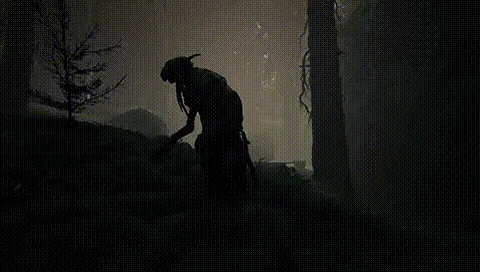
The Väsen are supernatural creatures associated with the game’s folklore inspired setting. Examples mentioned in coverage include trolls, faeries and sirens. PC Gamer’s interview with game director Jojje Dalunde explains that these beings are intended to function more like neighbors than enemies whose only purpose is to be defeated. Their reactions can depend on player behavior, and damaged relationships may potentially be repaired.
This approach changes the meaning of creature encounters. A large or intimidating being does not necessarily require immediate confrontation, and players may benefit from observing its behavior before deciding how to interact. Relationships could become an important part of progression if the game consistently communicates why creatures respond differently to player actions. However, the existence of social interactions does not confirm a universal diplomacy system, visible reputation scores or identical relationship mechanics for every creature.
The central announced possibilities include:
- Friendship: Developing positive relationships with certain woodland inhabitants.
- Coexistence: Sharing the environment without necessarily confronting its creatures.
- Combat: Fighting when players choose or circumstances require confrontation.
- Behavioral consequences: Experiencing different reactions depending on previous interactions.
- Reconciliation: Potentially repairing relationships after negative encounters.
IGN’s October 15 preview describes combat as optional, making this approach one of the game’s most prominent design ideas. Optional combat provides opportunities for different play styles. Some players may enjoy preparing equipment and confronting dangerous creatures, while others may prefer careful exploration and peaceful interactions. For those choices to remain meaningful, different approaches should provide worthwhile outcomes. If peaceful solutions consistently require much more effort or prevent useful progression, players may feel pressured toward combat despite the advertised freedom.
The opposite problem is also possible. If avoiding confrontation is always effortless, encounters with intimidating creatures may lose their tension. A balanced system would make both approaches understandable while allowing choices to produce different experiences.
However, the announcement does not establish that every story objective can be completed without fighting. It also does not confirm a completely peaceful building mode or guarantee that avoiding combat removes every survival threat. The significance of optional combat will become clearer when gameplay demonstrates how different approaches affect the same encounter.
Multiplayer provides another major feature. The official Steam description confirms solo play, including offline play, and cooperative multiplayer supporting up to eight players in total. This means a group can contain one player and as many as seven friends. The supported group size provides opportunities for shared exploration, construction and resource gathering.
Solo play offers a more independent experience, allowing players to control their own pace and approach the forest without coordinating with others. Offline support also means that joining a multiplayer group is not required to enter the game. Cooperative play can create different opportunities, particularly when players divide responsibilities or contribute ideas to a shared settlement. For example, one player might focus on gathering materials while others explore or construct new structures. These are possible cooperative approaches rather than confirmed class roles or mandatory gameplay systems.
The main differences between the announced play options include:
- Solo play: Independent exploration, survival and construction.
- Offline play: Access to the single player experience without requiring an active multiplayer session.
- Cooperative multiplayer: Shared adventures with up to eight total participants.
- Group construction: Opportunities for several players to contribute to creative building projects.
- Shared exploration: The possibility of investigating different areas and coordinating discoveries.
The announced player limit does not establish dedicated server support, local split screen, cross platform multiplayer or a particular hosting system.
Likewise, the available information does not explain every aspect of shared progression, resource ownership or how the game balances challenges for groups of different sizes.
A larger cooperative group can accelerate certain activities, but successful multiplayer design also requires progression to remain understandable when players contribute at different rates.
Solo players should similarly have access to a satisfying progression experience without being forced to reproduce the efficiency of a full group.
These questions will require direct testing once a representative playable version becomes available.
Windows PC through Steam is the confirmed platform for Trollheim: Gnomes. The storefront currently provides options to add the game to a wishlist and request access to a playtest.
A playtest request does not guarantee admission, and the presence of a Steam page does not mean the full game is already available.
The October 16, 2026 buying guide from iTechGuides also distinguishes the confirmed Windows release from unannounced console editions and notes that a purchase price has not been confirmed.
Players interested in following the game can use several available options:
- Steam wishlist: Save the game and follow future availability announcements.
- Playtest request: Apply for possible participation in testing, subject to developer approval.
- Official announcements: Monitor confirmed information about release timing and development updates.
- Store information: Review platform requirements, gameplay details and future purchasing information.
No confirmed PlayStation, Xbox or Nintendo release has been established in the available material. Console versions should therefore not be assumed without an official announcement. Hardware requirements and performance expectations also require caution. The game’s miniature characters and stylized woodland presentation do not automatically indicate that it will run efficiently on every PC. Procedural environments, complex construction and multiplayer activity can affect performance, making official system requirements and representative testing more useful than assumptions based on visual style.
Trollheim: Gnomes stands out through the combination of miniature scale, home building, Nordic folklore and relationships with mythical creatures. These ideas reinforce one another because a vulnerable character searching for a home must learn to understand the surrounding environment rather than simply dominate it.
The potential appeal is not limited to any single mechanic. Gathering, crafting, construction and cooperation are familiar survival features, but their combination with optional combat and unpredictable woodland inhabitants could produce a distinctive experience. The official Trollheim website also presents the setting as a wider fantasy world, suggesting broader creative context beyond the individual game.
However, the quality of the completed experience remains uncertain. A memorable premise still requires dependable movement, satisfying construction, readable creature interactions and enough variation to sustain repeated play. The former Mojang connection provides relevant development background, but the project must ultimately establish its own identity through the execution of its systems. As the game approaches its proposed Early Access period, the most useful information will come from playable demonstrations, developer updates and direct evidence of how its exploration, crafting, building and creature interactions function together.

Frequently Asked Questions (FAQs)
- What is Trollheim: Gnomes?
Trollheim: Gnomes is an upcoming survival crafting adventure inspired by Nordic folklore. Players control tiny Sprýg Gnomes attempting to establish a home in the Dark Forest after being displaced from Midgård. The game combines exploration, resource gathering, crafting, construction and encounters with mythical creatures known as Väsen. Its distinctive features include miniature environments, elevated building opportunities and optional combat, allowing players to consider peaceful relationships with some of the forest’s inhabitants. - Is October 15 the Trollheim: Gnomes release date?
No. October 15, 2026 was associated with preview coverage of Trollheim: Gnomes, not its official release. The developers announced plans to launch the game through Steam Early Access later in 2026, but the storefront currently displays “Coming soon” without a specific date. Until the developers confirm an exact launch day, October 15 should not be described as the release date or treated as evidence that the game is already available. - How long will Trollheim: Gnomes remain in Early Access?
The developers currently estimate that Trollheim: Gnomes will remain in Early Access for approximately 12 to 18 months. This period is intended to allow further development and adjustments based on player feedback. However, the estimate is not a guaranteed completion schedule. The actual duration may change depending on development progress, technical requirements and the scope of improvements made before the full release. - Who is developing Trollheim: Gnomes?
The official Steam listing identifies Trollheim and Off-leash Interactive as the developers, with Trollheim and Fireshine Games credited as publishers. Reporting from IGN and CGMagazine also highlights connections to former Mojang developers and leadership. Those backgrounds are relevant because the game emphasizes exploration, creativity and construction, but Mojang itself is not identified as the developer. The companies listed on Steam are responsible for the current project. - Can Trollheim: Gnomes be played alone?
Yes. Trollheim: Gnomes officially supports solo play, including offline play, meaning players do not need to join a cooperative group to explore the forest. Solo players can experience survival, crafting, construction and encounters independently. However, the available information does not establish whether progression difficulty or resource requirements differ between solo and multiplayer sessions. The balance of independent play will become clearer through hands on testing. - How many people can play together?
Trollheim: Gnomes supports cooperative multiplayer for up to eight players in total. This allows one player to adventure alongside as many as seven friends. Cooperative play could support shared construction, resource gathering and exploration, although the full details of multiplayer progression remain unconfirmed. The announced player limit does not establish dedicated servers, local split screen, cross platform functionality or a specific hosting system. - Is combat required?
IGN’s October 15, 2026 preview describes combat as optional, meaning players are not expected to treat every creature encounter as a mandatory fight. The game’s developers emphasize the possibility of befriending or coexisting with mythical inhabitants rather than automatically attacking them. However, the announcement does not guarantee that every objective can be completed without combat or confirm a completely peaceful game mode. Further gameplay demonstrations will clarify how alternative approaches work. - What are the Väsen?
The Väsen are mythical beings that inhabit Trollheim’s folklore inspired fantasy world. Examples mentioned in coverage include trolls, faeries and sirens. Rather than existing solely as enemies, these creatures are intended to behave like inhabitants of the forest whose reactions may depend on player choices. Some encounters may allow friendship, coexistence or reconciliation after negative interactions. However, the developers have not fully explained the relationship mechanics or confirmed that every Väsen follows identical rules. - Can players build treehouses?
Yes. Elevated construction is one of the prominent features shown in Trollheim: Gnomes previews. Players can reportedly develop increasingly elaborate homes higher in trees, while coverage also mentions ziplines connecting elevated structures. This approach allows the miniature forest environment to become part of the building experience. However, specific construction limits, resource requirements, placement rules and optimal layouts have not yet been confirmed. - Is Trollheim: Gnomes confirmed for consoles?
No. Windows PC through Steam is currently the confirmed platform for Trollheim: Gnomes. The available announcements do not establish versions for PlayStation, Xbox or Nintendo consoles. Although additional platforms could be considered in the future, no console release date or development commitment has been confirmed. Players interested in other platforms should rely on future announcements from the developers or publishers rather than assuming console versions are planned.

Conclusion
Trollheim: Gnomes presents a promising survival crafting adventure built around exploring an enormous Nordic forest, constructing a home and developing relationships with mythical creatures. Its miniature perspective gives familiar survival activities a distinctive setting, while the story of displaced gnomes searching for a new home provides a meaningful purpose for exploration, resource gathering and construction.
One of the game’s most interesting features is its emphasis on coexistence rather than mandatory combat. The possibility of befriending woodland inhabitants, repairing damaged relationships and progressing through understanding could make encounters more meaningful than traditional survival confrontations. However, the effectiveness of these systems will depend on how clearly creature behavior is communicated and whether peaceful alternatives remain worthwhile throughout the experience.
For now, Trollheim: Gnomes remains an upcoming title with an established concept but several unanswered questions about gameplay depth, balance and long term progression. Its planned Steam Early Access launch will provide opportunities to evaluate these features through actual gameplay. A confirmed release date, further developer updates and sustained player testing will help determine whether the game delivers on its announced ambitions.
Sources and Citations
- Steam – TROLLHEIM: GNOMES Official Store Page: Official source confirming the game’s survival crafting mechanics, developers, supported platforms, solo play, cooperative multiplayer and Early Access information.
Citation: TROLLHEIM: GNOMES on Steam - Steam Community – Introducing TROLLHEIM: GNOMES: Official announcement published October 14, 2026, outlining the Dark Forest setting, Nordic folklore inspiration, cooperative survival gameplay and planned Early Access launch later in 2026.
Citation: Introducing TROLLHEIM: GNOMES, an Upcoming Co-op Survival Game - IGN – Trollheim: Gnomes Preview, by Ryan McCaffrey: Preview coverage published October 15, 2026, discussing optional combat, former Mojang developers, miniature characters and treehouse construction.
Citation: IGN’s Trollheim: Gnomes preview - PC Gamer – A Co-op Survival Game Where Trolls Aren’t Just There to Be Killed: Coverage featuring comments from game director Jojje Dalunde about creature relationships, diplomacy, reconciliation, traversal and the game’s approach to combat.
Citation: PC Gamer’s Trollheim: Gnomes coverage - CGMagazine – TROLLHEIM: GNOMES Throws You Into The Dark Forest with Faeries, Sirens & More: Preview published October 15, 2026, discussing the displaced Sprýg Gnomes, the Dark Forest, mythical creatures and the game’s narrative setting.
Citation: CGMagazine’s Trollheim: Gnomes preview - Trollheim – Official Website: Primary source describing the wider fantasy universe, its Nordic folklore influences and the Väsen, including trolls, gnomes, faeries and sirens.
Citation: Official Trollheim website - Trollheim – Official FAQ: Explains the meaning of Väsen, the mythology-inspired setting, the Dark Forest and the wider storytelling universe behind the game.
Citation: Trollheim official FAQ - iTechGuides – Trollheim: Gnomes Buying Guide (2026): Covers release status, platform availability, pricing uncertainty, player count and Early Access expectations. Useful for verifying that an exact release date and final price have not been announced.
Citation: Trollheim: Gnomes Buying Guide - iTechGuides – How Crafting, Exploration, and Base Building Work in Trollheim: Gnomes: Details the announced survival systems, resource gathering, crafting tiers, vertical exploration and construction mechanics.
Citation: Trollheim: Gnomes crafting and building guide - MMORPG.com – Trollheim: Gnomes’ Nordic Folklore Inspired World Looks Stunning: Preview published October 15, 2026, examining the game’s folklore-inspired setting and its appeal to fans of fantasy exploration.
Citation: MMORPG.com’s Trollheim: Gnomes preview
Recommendations
- Jennifer English Drops Tides of Annihilation Protagonist Role for Health Reasons
- 12 Star Wars: Galactic Racer Tips to Avoid Crashing and Burning
- Dan Houser Explains Why He Won’t Play GTA 6 or Most Open-World Games
- Elder Scrolls 6 Is Taking So Long That RPG Devs Are Making Their Own “Scrolls-like” Morrowind-Inspired Game
- Capturing Every Angle: Blender Camera Management with The View Keeper
- MTG Secret Lair Chaos Vault Zeta Set Launch Disaster Explained
- Subnautica 2 Launches with 1 Million Sales and 460K+ Steam Players – Record-Breaking Early Access Success Explained
- Horizon Hunters Gathering is Holding Another Playtest: May 22–25 Dates, Sign-Up, and What’s New in Closed Test #2
- Onimusha: Way of the Sword Release Date Moved up to Avoid the GTA 6 Traffic Jam
- Best Remastered Builds in The Witcher 3 Wild Hunt



































































































