










In This Article (7 sections)
US Taiwan Drone Deals: 13 Agreements to Build China-Free Supply Chains
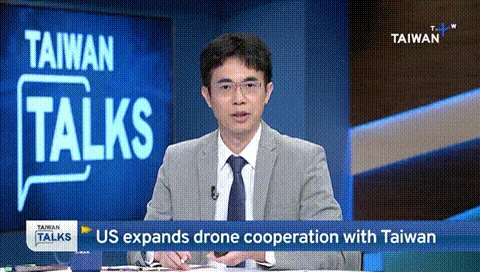
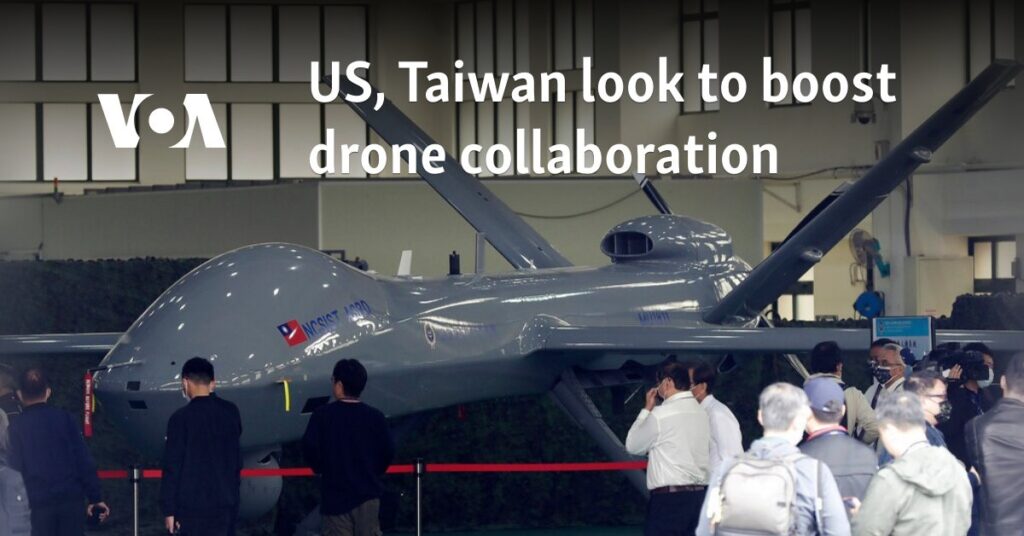
American defense drone manufacturers are expanding partnerships with Taiwanese companies as both countries seek to reduce dependence on Chinese components and strengthen their industrial supply chains. According to The Wall Street Journal’s October 14, 2026 reporting, at least 13 US Taiwan drone collaboration agreements have been signed since September 2025, covering manufacturing partnerships, technology transfers, autonomous systems and joint development projects.
These agreements do not represent 13 identical hardware purchasing contracts signed at one event. Instead, they reflect growing cooperation between American defense technology companies and Taiwanese manufacturers across aerial drones, autonomous surface vessels, component production and software integration. The partnerships aim to establish alternative manufacturing networks capable of supporting military and commercial unmanned systems without relying heavily on mainland Chinese suppliers.
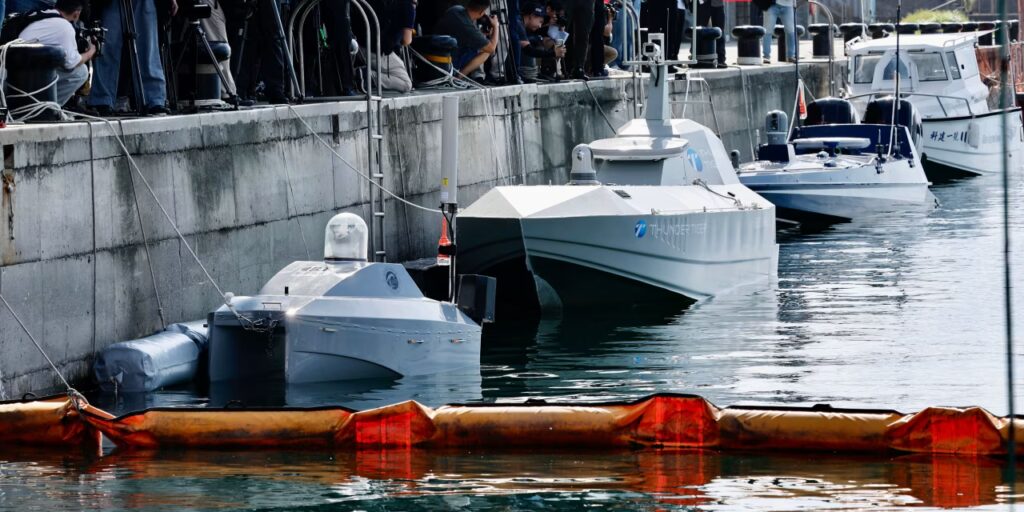
Several American companies have become involved in Taiwan’s expanding autonomous systems industry. HavocAI has established cooperation with Taiwan’s CSBC Corporation to develop autonomous surface vessels, combining American autonomy technology with Taiwanese shipbuilding capabilities. Other companies, including STR8 Industries and AEVEX Aerospace, have pursued partnerships and manufacturing opportunities within Taiwan’s defense technology sector.
The broader objective is to develop what Taiwan describes as a non red supply chain, meaning a manufacturing ecosystem that avoids dependence on mainland Chinese components and suppliers. This strategy has become increasingly important as governments examine the security risks associated with foreign sourced drone technology, particularly systems containing sensitive electronics, cameras, communications equipment and flight control software.
However, creating a genuinely China free drone supply chain is more complicated than assembling aircraft outside China. A drone manufactured in Taiwan or the United States may still contain Chinese motors, magnets, batteries, sensors or electronic components. Manufacturers must therefore investigate the origins of individual parts, including materials and components supplied by companies further down the production chain.
The United States has already introduced restrictions affecting certain Chinese manufactured unmanned aircraft and components used in defense procurement. Section 848 of the National Defense Authorization Act framework limits Department of Defense purchases involving specified foreign sourced drone systems and components. These restrictions cover important technologies such as flight controllers, radios, cameras, gimbals, data transmission equipment and certain software systems.
Taiwan provides an attractive alternative because of its established semiconductor, electronics and precision manufacturing industries. The country has extensive experience producing printed circuit boards, communications equipment, computer components and other technologies closely related to drone manufacturing. American companies can combine these capabilities with their own autonomy software, defense systems and engineering expertise.
Taiwan’s drone industry has also expanded significantly. According to its Ministry of Economic Affairs, domestic drone production value increased from approximately NT$5 billion in 2024 to NT$12.9 billion in 2025. Drone exports also grew substantially, reflecting increasing international demand for alternatives to Chinese products.
The Taiwan Excellence Drone International Business Opportunities Alliance, established in 2024, supports this expansion by connecting domestic manufacturers and promoting international cooperation. Government reporting indicates that approximately 190 Taiwanese companies have joined the initiative, creating a broader network for component production, technology development and overseas partnerships.
Taiwan’s government has identified several important areas for domestic development, including flight control systems, propulsion motors, electronic speed controllers and complete drone integration. These technologies are particularly relevant because they represent components where Chinese suppliers have historically maintained substantial market advantages.
The most important components targeted for alternative sourcing include:
- Propulsion motors: Essential for controlling drone movement and maintaining stable flight.
- Permanent magnets: Important motor components that often depend on rare earth materials processed in China.
- Electronic speed controllers: Systems that regulate motor speed and performance.
- Flight controllers: Electronic units responsible for processing sensor information and managing aircraft movement.
- Batteries: Power systems that influence flight endurance, weight and operating performance.
- Cameras and imaging systems: Equipment used for navigation, observation and other specialized functions.
- Communication modules: Radio and data transmission technologies that connect drones with operators or supporting systems.
- Structural components: Frames and other physical parts required for reliable aircraft construction.
Replacing these components requires more than identifying alternative suppliers. Companies must ensure that their products meet technical performance standards, comply with relevant procurement restrictions and remain available in sufficient quantities.
The strategic importance of the 13 reported agreements therefore lies in their potential to connect American technology development with Taiwanese manufacturing expertise. Their long term value will depend on whether the partnerships lead to qualified components, reliable production capacity and commercially sustainable supply networks.
Taiwan Drone Manufacturing: Motors, Electronics, Production Costs and Supply Chain Challenges
Taiwan’s position in global electronics manufacturing provides a foundation for developing alternative drone supply chains. Its semiconductor industry, contract manufacturing capabilities and established supplier networks offer advantages that many emerging drone producers lack. However, replacing China’s extensive drone manufacturing ecosystem remains a major industrial challenge.
China’s dominance extends beyond complete aircraft. Its manufacturers operate within established networks producing motors, batteries, cameras, controllers, sensors, frames and communications equipment. Reuters reported in 2025 that China was estimated to account for approximately 80% of the global drone market through finished products or components, demonstrating the scale of the existing dependency.
The Royal United Services Institute has identified several challenges involved in reducing reliance on Chinese drone technology. Permanent magnet motors are particularly difficult to replace because China dominates important stages of the rare earth supply chain, including the processing of materials used in high performance magnets.
Even when a Taiwanese company manufactures a drone motor locally, the magnets or other materials used in production may originate from China. Similar dependencies can exist within circuit boards, batteries, cameras and communications systems. This makes identifying the complete origin of components essential for manufacturers seeking to meet strict sourcing requirements.
Component traceability is therefore one of the most important elements of secure drone manufacturing. A supplier cannot necessarily demonstrate compliance simply by stating that final assembly occurred in Taiwan or the United States. Defense customers may require documentation identifying suppliers, manufacturing locations, ownership arrangements and the origins of sensitive subcomponents.
Manufacturers seeking to establish compliant production networks must address several requirements:
- Supplier verification: Confirm the identity and manufacturing location of component suppliers.
- Material traceability: Identify critical upstream inputs, including magnets and electronic components.
- Cybersecurity compliance: Verify sensitive software, communications equipment and control systems.
- Quality assurance: Test components under demanding operating conditions.
- Manufacturing consistency: Maintain reliable performance across large production quantities.
- Regulatory compliance: Ensure finished systems satisfy applicable defense procurement restrictions.
The Blue UAS program has provided a framework for identifying unmanned systems cleared for Department of Defense use under relevant cybersecurity, policy and supply chain requirements. Administration of its cleared list is transitioning from the Defense Innovation Unit to the Defense Contract Management Agency following policy changes announced after July 2025.
Compliance is only one part of the challenge. Alternative components must also perform reliably enough to compete with established Chinese products.
For example, a manufacturer may successfully build a working motor prototype but encounter difficulties producing thousands of identical units. Differences in magnet strength, bearings, winding quality and machining can affect efficiency, vibration, operating temperature and service life. These variations become particularly important when drones must function reliably under demanding conditions.
Similar challenges affect electronic speed controllers, batteries, cameras and flight controllers. Defense applications may require equipment to withstand temperature extremes, electromagnetic interference, repeated operation and physical vibration. Taiwanese manufacturers must therefore combine their existing electronics expertise with testing procedures suited to unmanned military systems.
Cost represents another major obstacle. China benefits from extensive manufacturing infrastructure, large production volumes and competitive component pricing. Research from RUSI identified substantial price differences between Chinese products and certain alternative components, including cases where video transmission chips available to Taiwanese manufacturers could cost as much as ten times comparable Chinese sourced components.
The same research identified cost premiums associated with non Chinese permanent magnets and other specialized hardware. These examples do not establish a universal price difference for every component, but they demonstrate why quickly replacing established suppliers can be expensive.
Manufacturing costs may decrease as alternative suppliers expand production, improve processes and secure larger orders. However, reaching competitive prices requires substantial investment in equipment, testing facilities, workforce development and supplier networks.
Production capacity creates additional difficulties. A company may possess the technical knowledge required to manufacture a component without having the facilities needed to supply thousands of units consistently. Expanding output requires investment in machinery, trained employees, quality control systems and dependable raw material supplies.
The Stimson Center has identified manufacturing scale as a significant obstacle to Taiwan’s drone ambitions. Historically, the country’s domestic drone market did not always provide sufficient demand to justify large investments in specialized production facilities. Growing defense procurement requirements could help address that problem by creating more predictable demand.
Taiwan’s military drone procurement plans are particularly significant. In August 2026, Taiwan’s legislature rejected a government proposal involving approximately NT$210 billion for around 210,000 military drones through 2031 and instead approved a six year NT$240 billion framework with annual spending limitations.
Although the precise funding arrangements remain politically contested, the proposed scale demonstrates Taiwan’s growing interest in unmanned systems. Large procurement programs could encourage manufacturers to invest in production capacity while providing American defense startups with potential customers and industrial partners.
US defense demand may also support the development of alternative supply chains. American procurement initiatives increasingly emphasize affordable autonomous systems, secure manufacturing and the ability to produce unmanned platforms at scale.
The combination of American and Taiwanese demand could make alternative production more economically viable, particularly if companies receive recurring orders rather than relying on isolated development contracts.
Nevertheless, supply chain resilience requires geographic diversification. Concentrating alternative manufacturing entirely in Taiwan could create another vulnerability because of the island’s security environment and potential disruptions to regional trade.
A stronger manufacturing network would distribute production across Taiwan, the United States and other trusted partners. This would allow companies to maintain alternative suppliers, reduce exposure to disruptions and establish more flexible production arrangements.
The long term challenge is therefore not simply replacing Chinese components with Taiwanese products. It involves creating a competitive manufacturing ecosystem capable of delivering secure, reliable and affordable drone systems across multiple locations.
What the 13 US Taiwan Drone Agreements Mean for Defense Startups and Future Production
The expanding cooperation between American defense technology companies and Taiwanese manufacturers creates opportunities for both industries. American startups often possess expertise in autonomous software, defense applications and rapid technology development, while Taiwanese companies offer advanced electronics manufacturing, precision engineering and established production networks.
Combining these capabilities could accelerate the development of unmanned systems while reducing dependence on Chinese suppliers. Rather than requiring every American startup to manufacture its own motors, electronics and platforms, partnerships allow companies to work with established industrial specialists.
HavocAI’s cooperation with Taiwan’s CSBC Corporation illustrates this approach. The partnership connects American autonomous maritime technology with Taiwanese shipbuilding and manufacturing capabilities, demonstrating that the broader collaboration extends beyond aerial drones.
Other companies, including AEVEX Aerospace and STR8 Industries, have also pursued opportunities involving Taiwanese manufacturing and unmanned systems. These relationships reflect growing interest in combining American defense technologies with manufacturing capacity available through trusted international partners.
The US International Trade Administration has identified Taiwan as a promising environment for partnerships involving licensing, joint design and production. Potential cooperation includes communications systems, infrared technologies, flight control software and other components relevant to autonomous platforms.
For American startups, Taiwanese partnerships could provide several advantages:
- Manufacturing access: Work with established companies capable of producing electronics and precision components.
- Lower development barriers: Avoid building every manufacturing capability internally.
- Supply chain security: Reduce exposure to restricted or unreliable foreign suppliers.
- Technology collaboration: Combine American autonomy systems with Taiwanese engineering expertise.
- Market opportunities: Develop products for American, Taiwanese and other international customers.
- Production expansion: Increase manufacturing capacity through partnerships and shared investment.
Taiwanese manufacturers could benefit from access to American defense technology, international markets and recurring industrial orders. Such partnerships may also support the development of domestic technologies that have traditionally depended on Chinese component suppliers.
However, the agreements alone do not guarantee successful manufacturing programs. Their importance will ultimately be determined by whether the participating companies can establish functioning production lines, qualify alternative components and deliver systems that meet customer requirements.
Repeatable mass production is likely to be the clearest measure of progress. A partnership announcement may demonstrate strategic interest, but sustained industrial success requires equipment, trained workers, qualified suppliers and dependable customer orders.
The ability to document component origins will also become increasingly important. Defense customers may prefer suppliers that can provide complete manufacturing records and demonstrate compliance with procurement restrictions. This could create opportunities for Taiwanese companies investing in transparent sourcing and secure production processes.
Taiwan’s government continues to support international cooperation in drone development. In September 2026, President Lai Ching te emphasized the importance of strengthening partnerships with democratic countries as Taiwan expanded its unmanned systems industry.
For the United States, cooperation with Taiwan offers a way to combine domestic manufacturing priorities with the practical advantages of allied production capacity. American companies can contribute software, defense designs and system architecture, while Taiwanese manufacturers provide electronics, components and production expertise.
The ultimate objective is not necessarily to concentrate every stage of manufacturing within one country. Instead, a resilient supply chain would combine trusted suppliers across several economies while maintaining reliable component traceability and sufficient production capacity.
Several indicators will help determine whether the reported agreements achieve their objectives:
- Qualified alternative components: Motors, controllers, electronics and other parts that satisfy sourcing requirements.
- Expanded manufacturing capacity: Factories capable of producing significant quantities consistently.
- Improved cost competitiveness: Lower production expenses as alternative suppliers achieve scale.
- Reliable quality standards: Components that meet demanding operational and safety requirements.
- Recurring procurement contracts: Sustained demand from American, Taiwanese and allied customers.
- Geographic diversification: Production distributed across multiple trusted manufacturing locations.
The 13 US Taiwan drone collaboration agreements reported as of October 14, 2026, represent meaningful momentum toward building alternative unmanned systems supply chains. However, China’s established manufacturing scale, pricing advantages and control over important upstream materials remain substantial obstacles.
Taiwan’s electronics industry and growing defense demand provide a foundation for expanding cooperation, while American startups contribute specialized autonomy technology and access to defense markets.
Ultimately, the success of these partnerships will depend on their ability to move beyond agreements and produce reliable, compliant and economically sustainable drone systems. If manufacturers can achieve that transition, US Taiwan cooperation could become an important part of a more diversified international drone industry.

Frequently Asked Questions (FAQs)
- Did US drone companies sign exactly 13 hardware supply contracts with Taiwan at one event?
No. According to The Wall Street Journal’s October 14, 2026 reporting, at least 13 collaboration agreements between American and Taiwanese drone companies had been signed since September 2025. These agreements accumulated over time and cover manufacturing, technology cooperation and autonomous systems development. They should not be interpreted as 13 identical hardware purchasing contracts completed during a single event. - What does a China free drone supply chain mean?
A China free drone supply chain aims to reduce or eliminate reliance on mainland Chinese manufacturers and sensitive components. This can include motors, flight controllers, communications equipment, cameras, batteries and software. Taiwan commonly describes this approach as a non red supply chain. However, specific compliance requirements depend on the laws, procurement rules and technical standards governing each drone program. - Why is Taiwan important to US drone manufacturing?
Taiwan has extensive experience in semiconductor production, electronics assembly, communications technology and precision manufacturing. Many of these capabilities are directly relevant to drone production. American defense companies can combine their autonomy software and system designs with Taiwanese manufacturing expertise, potentially creating alternative supply networks capable of supporting military and commercial demand. - Which drone components are hardest to replace?
Propulsion motors and permanent magnets are among the most challenging components because China dominates important parts of the rare earth material supply chain. Batteries, flight controllers, electronic speed controllers, cameras and communications equipment can also be difficult to source outside established Chinese manufacturing networks. Replacing them requires dependable suppliers, technical qualification and sufficient production capacity. - Are Taiwanese drone components always completely China free?
No. A component assembled in Taiwan may still contain materials or smaller components manufactured in China. For example, a locally produced motor could use magnets containing Chinese processed rare earth materials. Manufacturers must therefore examine supplier records, component origins and upstream materials before claiming that a product satisfies strict non Chinese sourcing requirements. - Are China free drone components more expensive?
They can be more expensive because Chinese manufacturers benefit from large production volumes and established supplier networks. Research from RUSI identified substantial premiums for some alternative electronics and permanent magnet components. However, costs vary significantly depending on the product, supplier and order volume. Larger manufacturing programs could help reduce prices over time. - What is Taiwan’s non red drone supply chain?
Taiwan’s non red drone supply chain refers to its effort to develop drone manufacturing capabilities without relying heavily on mainland Chinese suppliers. The strategy involves domestic component development, international partnerships, manufacturing investment and improved supply chain transparency. It is intended to strengthen national security while creating opportunities for Taiwanese companies in international drone markets. - What is Blue UAS and why does it matter?
Blue UAS is a US defense framework associated with identifying unmanned aircraft systems cleared for Department of Defense use under relevant cybersecurity, policy and supply chain requirements. It helps defense buyers evaluate whether particular drone systems meet applicable restrictions. Administration of the cleared list is transitioning from the Defense Innovation Unit to the Defense Contract Management Agency. - Will Taiwan replace China as the world’s dominant drone manufacturer soon?
There is currently insufficient evidence to conclude that Taiwan will replace China in the near future. Although Taiwan’s drone industry is expanding and international partnerships are increasing, China retains substantial advantages in manufacturing scale, supplier availability and component pricing. Taiwan’s immediate opportunity lies in developing secure alternative production capabilities rather than matching China’s entire industry. - What would show that the 13 US-Taiwan drone agreements are succeeding?
The strongest evidence would be a transition from collaboration announcements to sustained manufacturing results. Important indicators include qualified alternative components, reliable production capacity, documented supply chain origins, compliance with defense requirements and recurring customer orders. Lower production costs and successful deliveries to American, Taiwanese and allied customers would also demonstrate that the partnerships are creating practical industrial value.

Conclusion
The growing cooperation between American and Taiwanese drone manufacturers represents an important effort to establish a secure unmanned systems industry outside China’s extensive manufacturing network. At least 13 US Taiwan drone collaboration agreements have been signed since September 2025, covering manufacturing partnerships, technology transfers, joint development and autonomous systems. These agreements demonstrate expanding cooperation rather than a single collection of identical hardware purchasing contracts.
Taiwan offers valuable advantages through its semiconductor industry, electronics manufacturing expertise, precision engineering and government support for developing a non red drone supply chain. American companies contribute defense technology, autonomous software, system designs and access to military procurement opportunities. Combining these capabilities could help both countries establish alternative production networks while reducing dependence on Chinese components and suppliers.
However, building a genuinely China free drone supply chain involves significant technical and economic challenges. Motors require permanent magnets and specialized materials, while batteries, cameras, controllers and communications equipment depend on complex international supply networks. Even components assembled outside China may contain Chinese materials or smaller parts. Alternative suppliers must therefore demonstrate reliable sourcing, consistent product quality and compliance with relevant defense requirements.
Manufacturing costs present another obstacle. Chinese companies benefit from established production infrastructure, large manufacturing volumes and competitive component pricing. Developing alternatives may initially require substantial investment in factories, testing equipment and supplier qualification. Larger procurement orders from the United States, Taiwan and allied countries could eventually help manufacturers expand production and reduce costs.
The long term success of these partnerships will depend on practical manufacturing results rather than the number of agreements announced. Important indicators include qualified components, transparent supply chains, reliable production capacity, competitive pricing and recurring defense contracts. Although the emerging US Taiwan drone manufacturing network has strong government support and growing commercial participation, establishing a sustainable alternative to China’s existing industry will require continued investment, industrial coordination and successful large scale production.
Sources and Citations
- The Wall Street Journal: U.S. Defense Startups Flock to Taiwan to Build China Free Drones The Wall Street Journal
- Reuters: Inspired by Ukraine War, Taiwan Launches Drone Blitz to Counter China Reuters
- Reuters: Taiwan Seals Ukraine Combat Tested Drone Software Deal to Help Deter China Reuters
- Reuters: US and Taiwan Discuss Technology, AI and Drone Cooperation Reuters
- Reuters: Taiwan President Pushes $6.6 Billion Military Drone Bill Reuters
- Reuters: Taiwan Parliament Rejects Government Drone Plan and Passes Its Own Version Reuters
- Reuters: Taiwan Must Deepen Drone Cooperation With Democratic Partners Reuters
- Taiwan Ministry of Economic Affairs: Drone Export Growth and Industry Development 經濟部產業發展署
- Taiwan Ministry of Economic Affairs: Taiwan Drone Industry Expansion and Japan Partnerships Ministry of Economic Affairs
- US International Trade Administration: Taiwan Highly Automated and Autonomous Systems Industry Analysis Trade.gov
- Acquisition.gov: American Security Drone Act Federal Procurement Restrictions Acquisition.gov
- Acquisition.gov: Covered Unmanned Aircraft Systems and Critical Component Definitions Acquisition.gov
- GovInfo: National Defense Authorization Act for Fiscal Year 2024 and American Security Drone Act
- Defense Innovation Unit: Blue UAS List Transitions to the Defense Contract Management Agency Defense Innovation Unit
- Defense Contract Management Agency: US X Launches Blue List UAS Website Defense Contract Management Agency
- Royal United Services Institute: Drones, Decoupling Supply Chains From China RUSI
- Stimson Center: Building a Hornet’s Nest, the Promises and Challenges of US Taiwan Drone Coproduction Stimson Center
- Havoc: Havoc and CSBC Announce Strategic Partnership for Autonomous Surface Vessels in Taiwan HavocAI
- InnoVEX: STR8 Industries and US Taiwan Maritime Autonomy Development InnoVEX
- Naval News: STR8 Industries Reveals Taiwan Made Ghostwake Unmanned Surface Vessel Naval News
- Taipei Times: AEVEX and Coretronic Unveil Drones Developed Through US Taiwan Cooperation Taipei Times
- Taiwan News: US Drone Firms Seek Closer Cooperation With Taiwan Taiwan News
Recommendations
- Crusader Kings 3 Will Let You Play as a Pope: New DLC Features, Gameplay Changes, and Release Details
- Fable New Gameplay on August 26 at Gamescom 2026: Bowerstone, Combat and New RPG Details
- The Batman 2 Writer Says Hollywood is “Video Game Obsessed” as Video Game Scripts Replace Comic Book Offers
- The 10 Most Anticipated TV Shows: Biggest New & Returning Series to Watch in 2026
- Sandfall Interactive Used UE5 Blueprints for All Gameplay Systems in Clair Obscur: What We Learned From GDC
- FrameRef New Reference Board App: Organize Images, YouTube Videos, GIFs & PDFs on an Infinite Canvas (2026 Guide)
- s&box Open-Source Game Creation Platform: How to Build, Mod, and Publish Games with Source 2 + C#
- Samsung Galaxy S26 Is About to Get AirDrop: How Quick Share Will Send Files to iPhone, iPad, and Mac
- 1080p at 30fps: Valve Finally Details the Steam Machine Verified Program Requirements
- Euphoria Season 3 Review: First Reactions to HBO’s Time-Jump Return



































































































