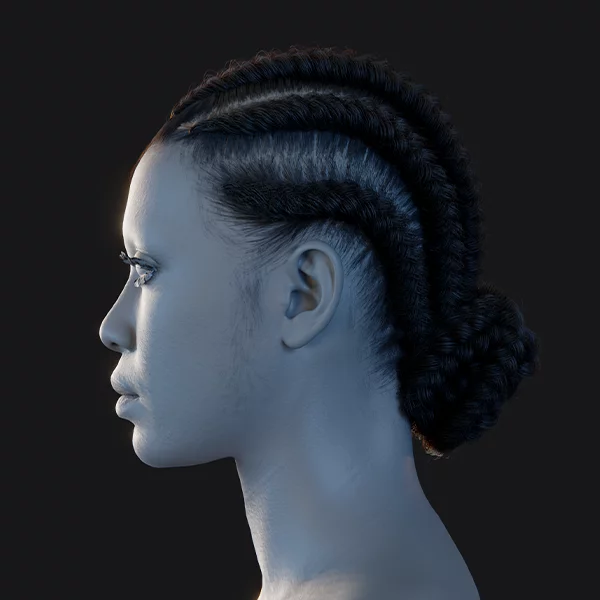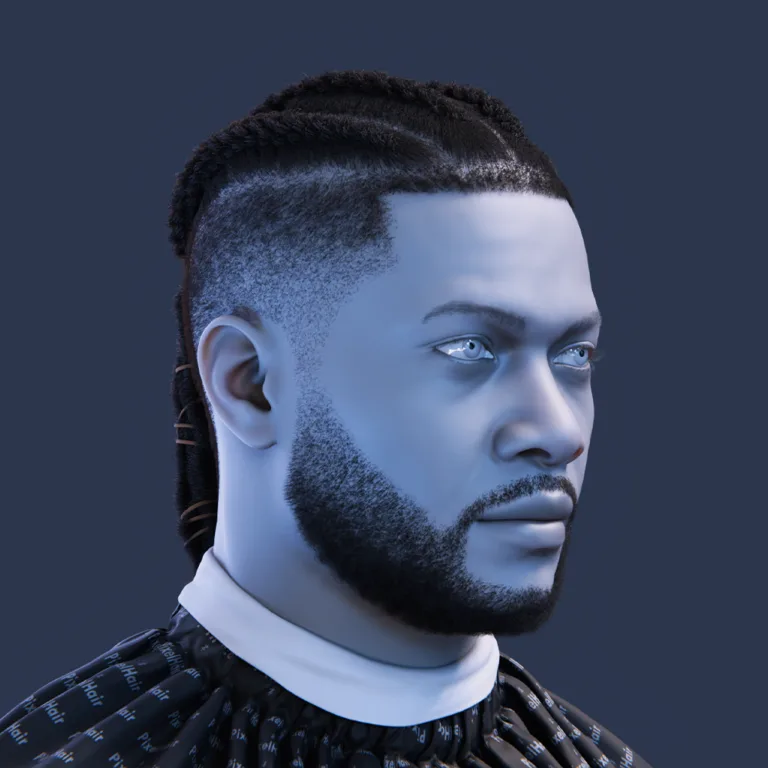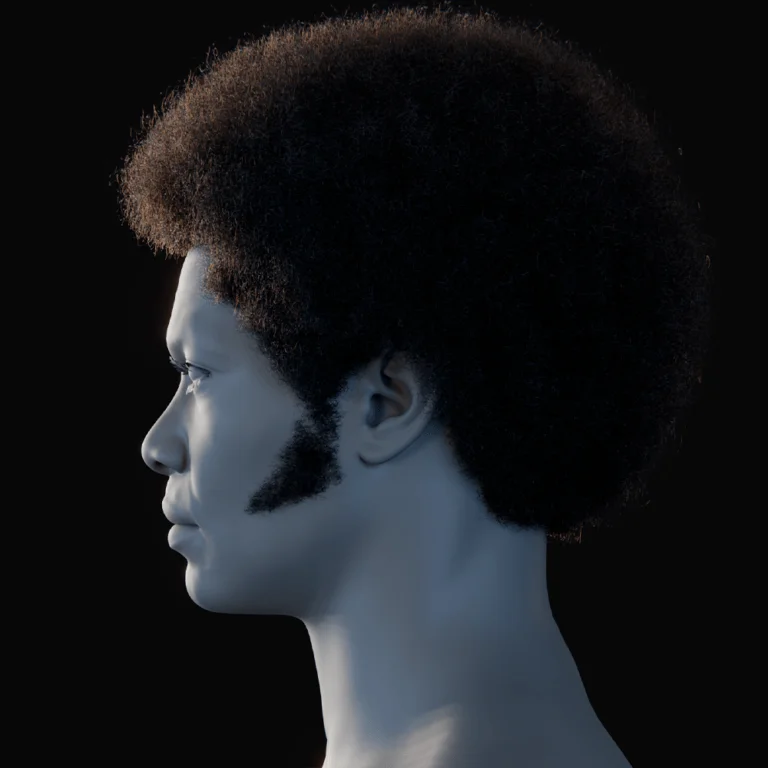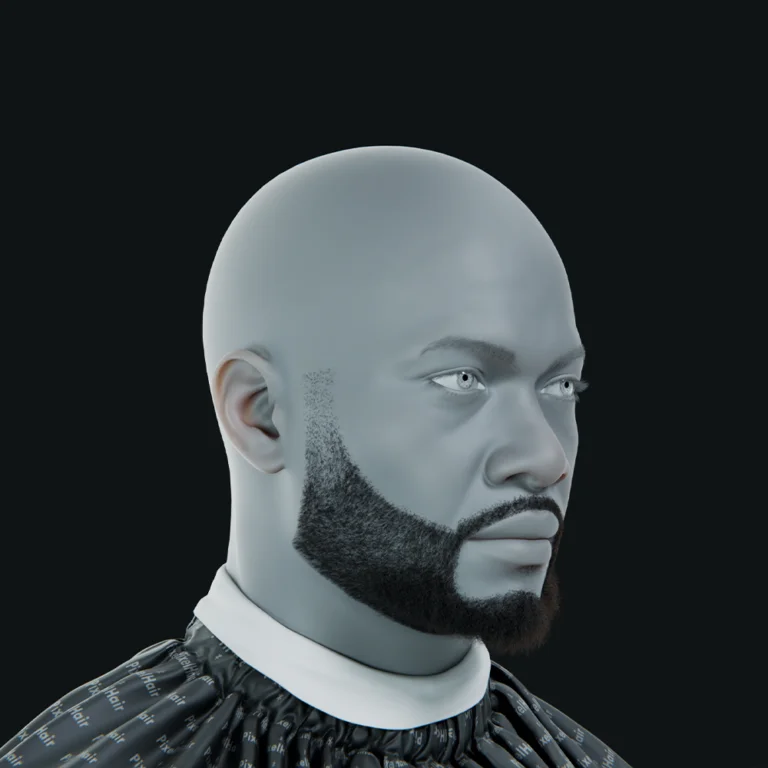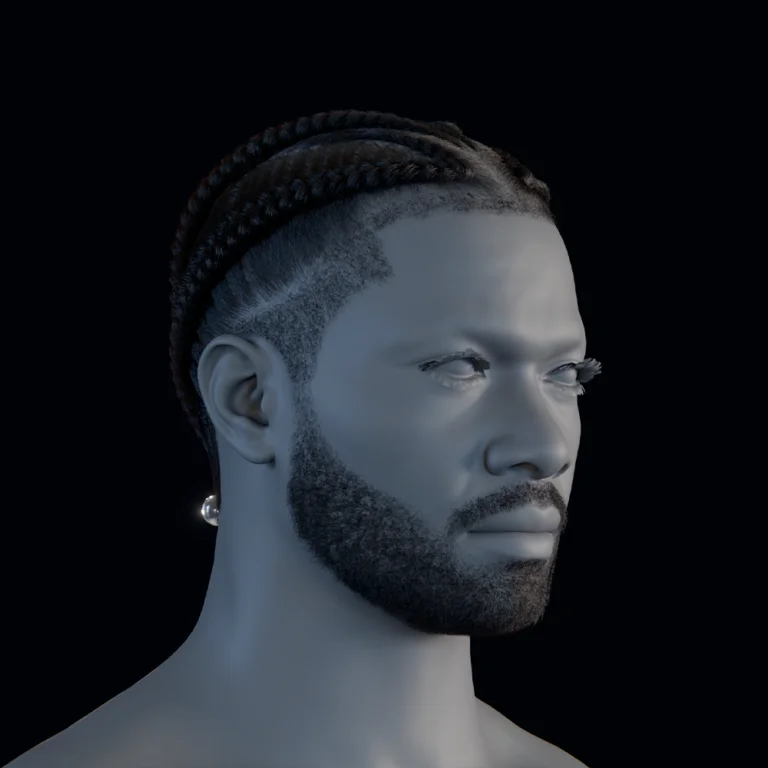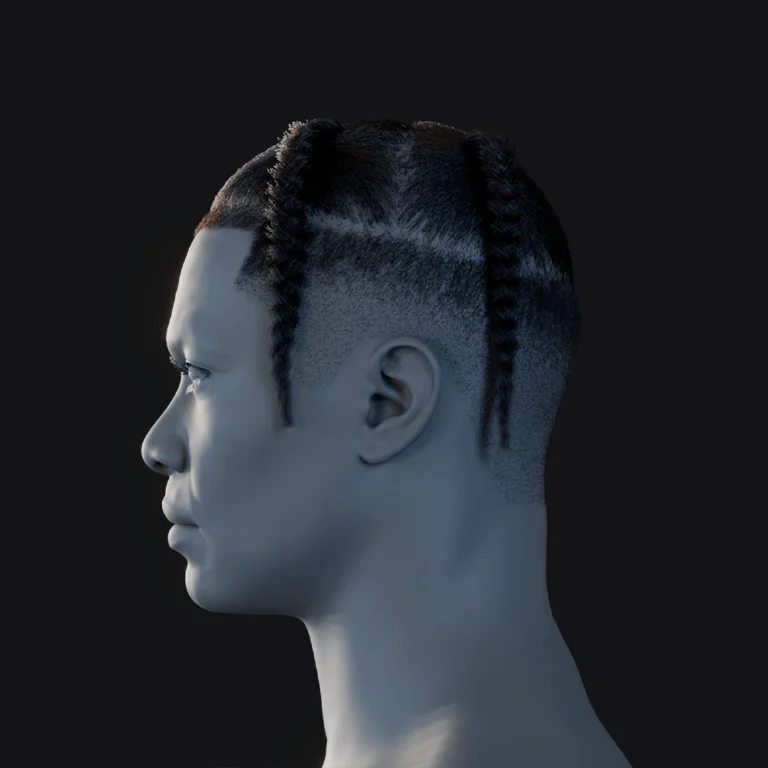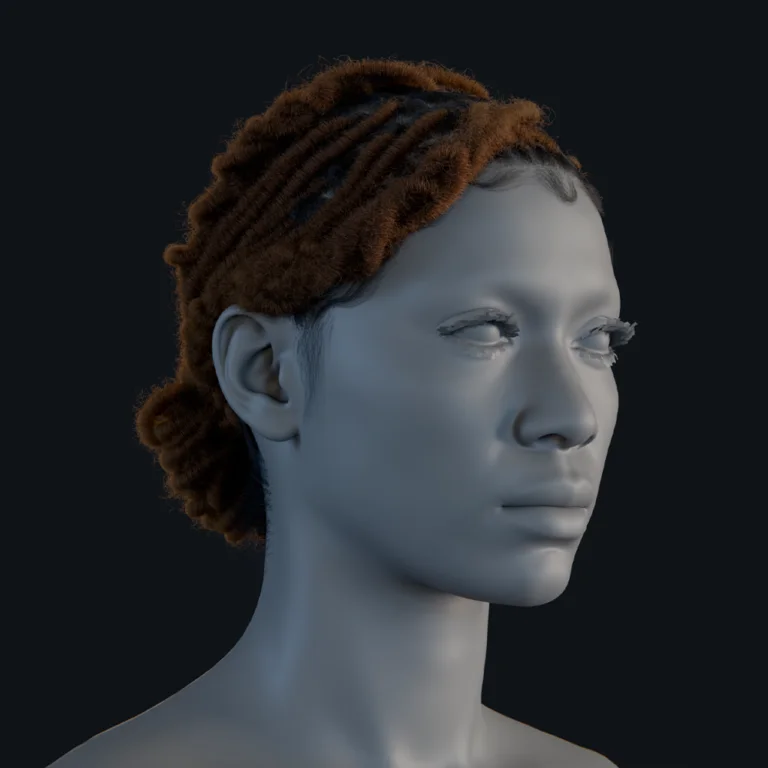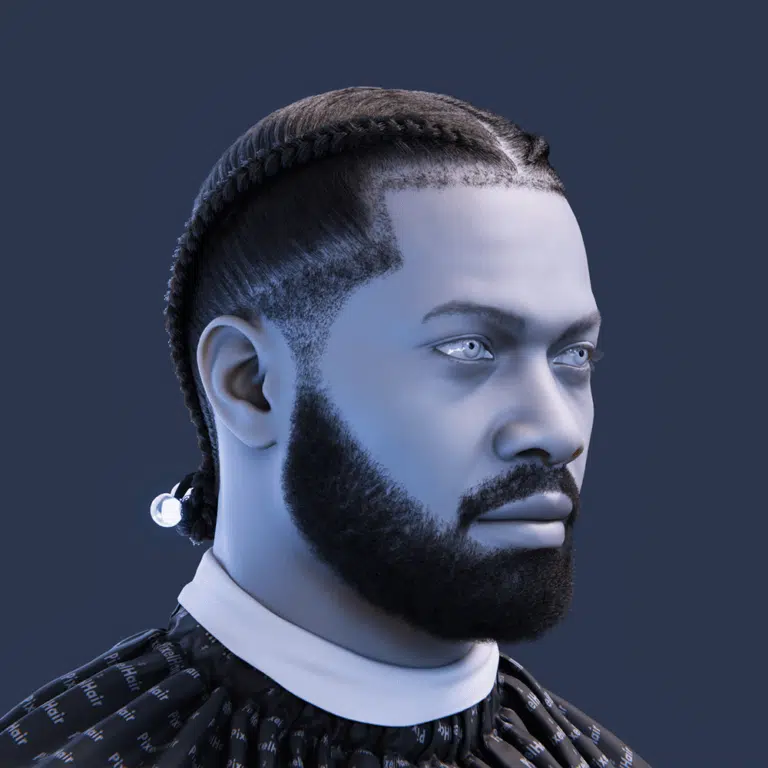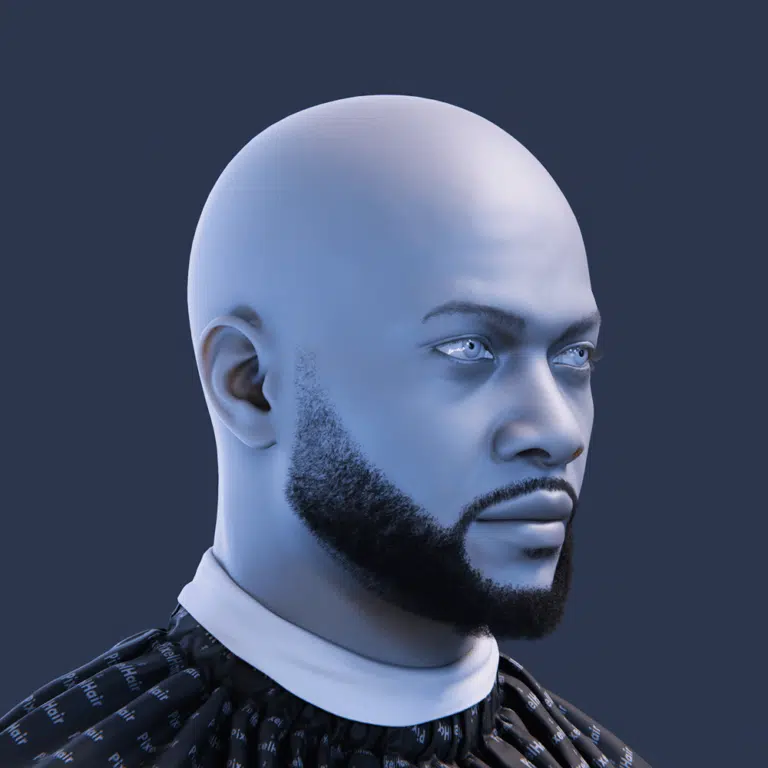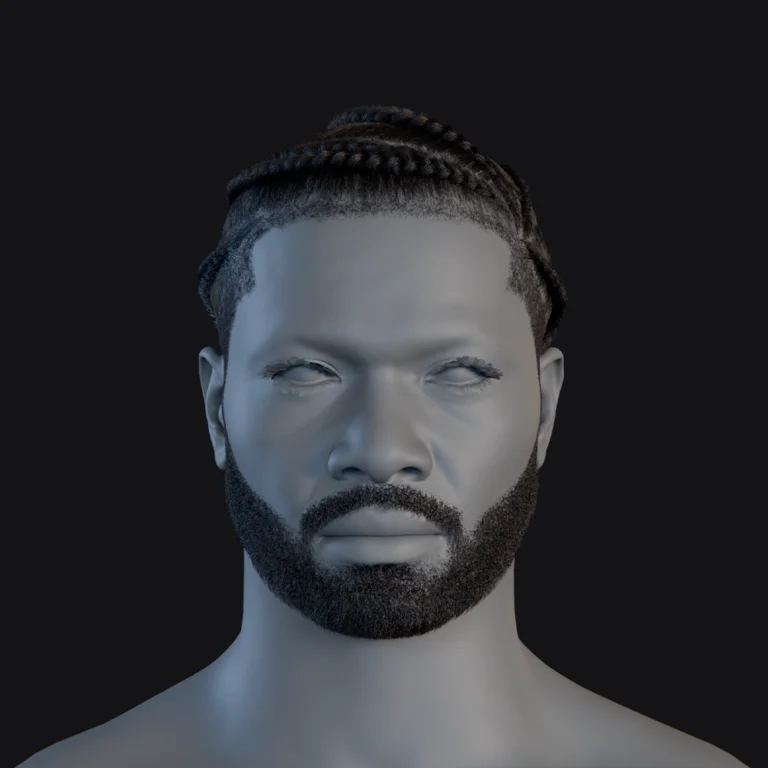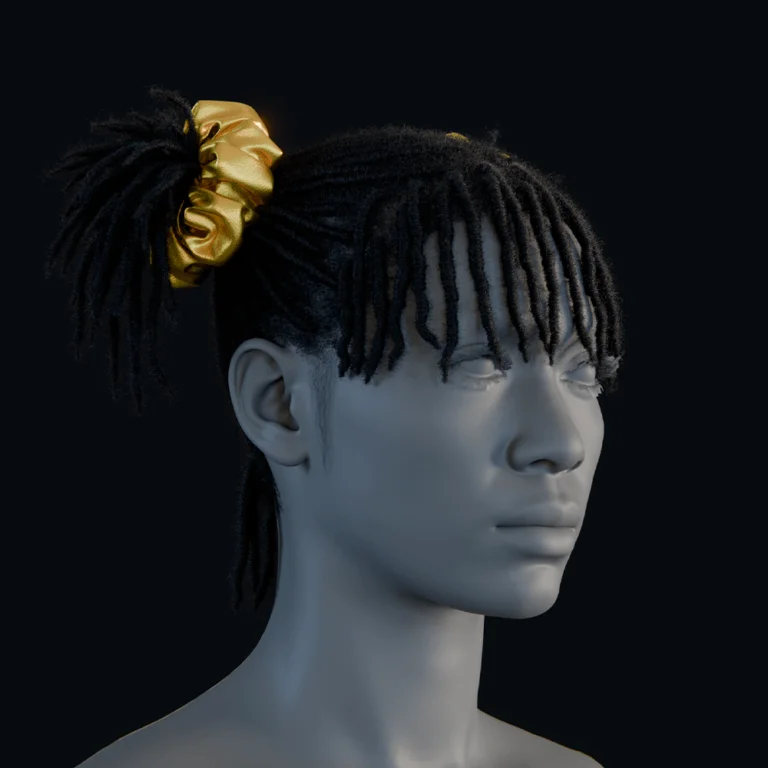





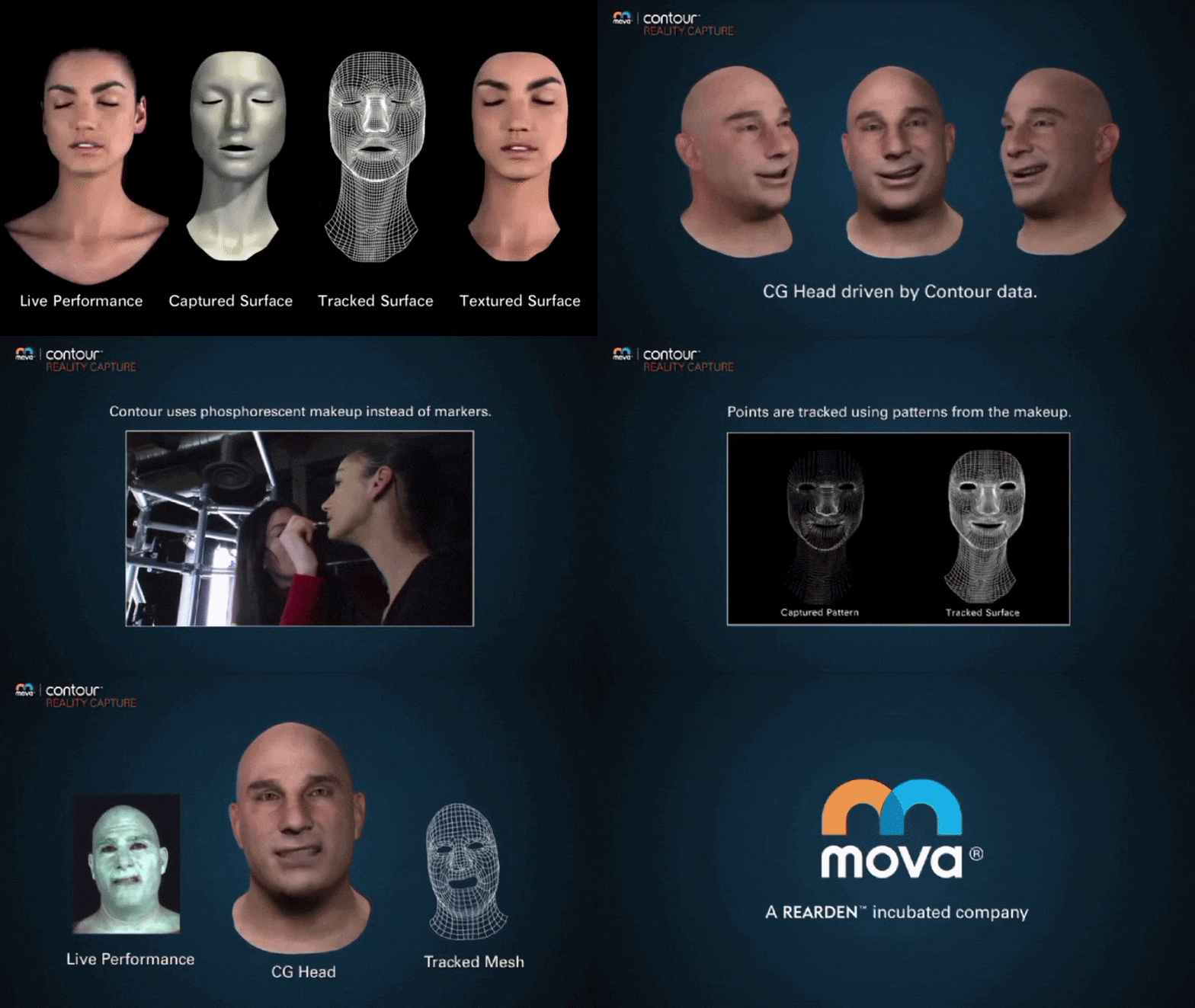
MOVA® Contour™ Reality Capture, launched in 2006, is a groundbreaking markerless facial motion capture system designed to produce photorealistic 3D faces for films and video games. Developed by Steve Perlman and his team at Rearden LLC, it captures an actor’s facial performance with sub-millimeter precision, recording dense geometry and subtle nuances that traditional marker-based systems often miss.
By treating the entire facial surface as a capture object, MOVA overcomes the uncanny valley—the unsettling effect of near-realistic digital humans—delivering lifelike CGI characters that faithfully replicate real performances. Its impact in Hollywood is evident in its use for creating “photoreal, computer-generated, human performance” in major films, earning a Scientific and Technical Academy Award for its technical innovation. The system’s ability to bridge live actors and their digital counterparts has made it a cornerstone of visual effects, influencing both cinematic storytelling and immersive gaming experiences by setting a new standard for facial animation realism.
The Developers Behind MOVA: Innovators in Facial Animation
MOVA Contour was pioneered by Steve Perlman, a Silicon Valley visionary with a track record of transformative technologies like QuickTime and WebTV, through his tech incubator Rearden LLC. In the mid-2000s, Perlman assembled a skilled team, including Tim Cotter, Roger Van der Laan, Ken Pearce, and Greg LaSalle, to tackle the challenge of capturing high-fidelity facial expressions.
Their collaborative efforts culminated in a system that redefined facial animation, earning a 2015 Scientific and Technical Academy Award for its “innovative design and development.” The award recognized MOVA’s ability to produce “topologically consistent, animated meshes,” cementing its role as a vital tool in visual effects pipelines. Perlman’s concept of “reality capture” emphasized capturing the entire 3D face, not just sparse points, to preserve performance authenticity. Notably, Greg LaSalle contributed both technically and artistically, performing as Colossus in Deadpool using MOVA, showcasing the team’s dual expertise in engineering and creative application, which drove advancements in digital human realism.
Understanding Markerless Facial Capture and Its Advantages
Markerless facial capture, as implemented by MOVA Contour, eliminates the need for physical markers, capturing the entire facial surface for superior results compared to traditional marker-based systems. Its advantages include:
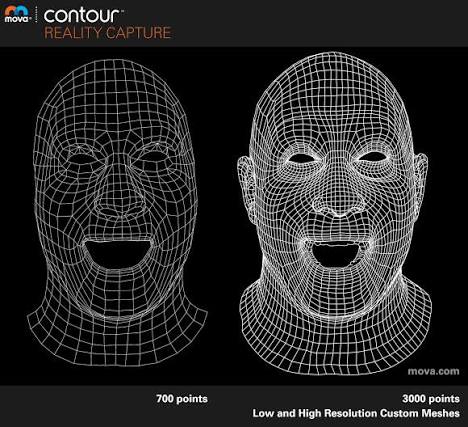
- Higher Fidelity Data: Unlike marker-based systems tracking a few dozen points, MOVA captures thousands (over 100,000 polygons per frame at up to 120 fps), recording minute details like eyebrow twitches, nose wrinkles, or lip curls. This dense data ensures ultra-realistic animations, as it captures the full spectrum of facial movements without requiring animators to interpolate missing regions, reducing guesswork and enhancing the authenticity of digital characters.
- No Rigid Markers on the Actor: By forgoing dots or devices, MOVA allows actors to perform naturally, free from the discomfort or restrictions of glued markers that might peel off or limit muscle movement. This unobstructed capture preserves skin nuances, such as creases or micro-expressions, which are critical for believable performances, as actors can emote without worrying about external attachments, resulting in more convincing digital renditions.
- Capture of Soft Tissue Dynamics: Markerless capture excels at recording the intricate movements of facial skin and flesh, such as cheek squashing during smiles or eye wrinkle patterns, which marker systems, optimized for broad motions like jaw movement, often miss. This ability to capture soft tissue dynamics eliminates the stiffness common in CGI faces, producing lifelike expressions that resonate emotionally with audiences.
- Less Post-Processing: MOVA’s complete surface capture generates near-final performance meshes, significantly reducing the need for manual cleanup compared to marker systems, where animators must laboriously reconstruct skin motion between sparse points. This efficiency streamlines animation workflows, allowing artists to focus on creative enhancements rather than fixing incomplete data.
- Freedom from Marker Placement: Eliminating the tedious process of designing and applying custom marker layouts, which vary by face shape and can fall off under stage conditions, MOVA simplifies setup. Once the system is calibrated, it captures any face without recalibration, saving time and ensuring reliability during performance capture sessions.
MOVA’s markerless approach delivers a comprehensive, high-fidelity record of facial performances, enabling digital characters to convey the unique idiosyncrasies of actors’ expressions with unparalleled realism.
The Role of Phosphorescent Makeup in MOVA’s Capture Process
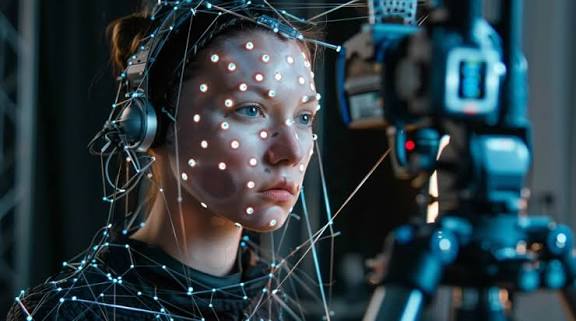
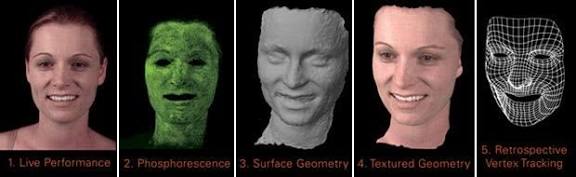
MOVA Contour’s markerless capture relies on a proprietary phosphorescent makeup, applied as an invisible, random speckle pattern that glows under UV light. This makeup, resembling light foundation, is non-intrusive and quickly applied via sponge or airbrush, covering the face and potentially other areas for specific effects. Under normal lighting, it’s imperceptible, but UV flashes excite the phosphor-based powder, creating a glowing pattern captured by high-speed cameras alongside normal-lit images.
This pattern acts as a dense mesh of tracking points, enabling stereo triangulation to reconstruct 3D facial meshes with tens of thousands of points per frame. The random speckles ensure accurate tracking of skin movements, solving correspondence issues for a 4D (3D over time) digital performance. The makeup’s elegance lies in transforming the actor’s skin into a high-resolution tracking surface without physical markers, capturing micro-expressions and deformations with minimal interference, washable post-performance, and supporting photorealistic VFX.
Photorealistic Tracking: How MOVA Achieves High-Fidelity Results
MOVA Contour’s high-fidelity tracking produces photorealistic digital performances through sophisticated techniques:
- Dense 3D Mesh per Frame: MOVA generates detailed 3D meshes per frame (e.g., 100,000+ polygons at 120 fps), capturing fine contours like laugh lines, bulging veins, or skin stretching during smiles. This high vertex count ensures geometric accuracy, providing a precise digital replica of the actor’s facial movements for each moment of performance.
- Temporally Coherent Tracking: By tracking the random makeup pattern across frames, MOVA ensures consistent mesh motion, aligning each point with the same facial feature over time. This coherence prevents jitter or sliding artifacts, delivering smooth, natural animations that mirror the actor’s real-time expressions accurately.
- Volumetric Capture (Not Just Markers): Unlike sparse marker systems, MOVA records the full 3D volume of the face, measuring shapes like puffed cheeks or flared nostrils directly. Described as “live-action volumetric capture,” this approach preserves the physicality of expressions, enhancing realism by replicating the face’s spatial dynamics.
- Sub-Millimeter Precision: With sub-millimeter accuracy, MOVA captures tiny movements, such as nose crinkles or lip twitches, ensuring the digital face mirrors the actor’s performance precisely. This precision is critical for conveying subtle emotional cues that make CGI characters feel alive.
- Minimal Cleanup and Smoothing: The system’s clean, detailed output requires little manual tweaking, preserving natural performance irregularities. Unlike marker systems needing heavy post-processing, MOVA’s data maintains authenticity, reducing the risk of artificial smoothing that can diminish realism.
- Integration with Animation Pipelines: Compatible with tools like Autodesk Maya and Softimage Face Robot, MOVA’s data integrates seamlessly with VFX pipelines, allowing studios to apply high-res facial tracks to character rigs or combine with body motion capture. Early partnerships demonstrated its ability to drive realistic animations efficiently.
- Photoreal Rendering Compatibility: Beyond motion, MOVA supports texture capture via normal-lit images, enabling integration with high-resolution or dynamic textures. In projects like Digital Emily, MOVA’s precise motion paired with advanced shading crossed the uncanny valley, achieving photorealistic digital actors through combined motion and visual fidelity.
MOVA’s meticulous tracking, exemplified in The Curious Case of Benjamin Button, transplants real performances onto CGI characters, enabling emotionally compelling digital humans that resonate with audiences.
Notable Films and Games Utilizing MOVA Facial Capture
MOVA’s Contour Reality Capture has been a cornerstone in numerous high-profile films and video games, enabling groundbreaking facial effects by capturing actors’ performances with unprecedented detail. Below are the most notable productions that leveraged MOVA’s markerless facial capture technology, showcasing its transformative impact on digital character animation:
- “The Curious Case of Benjamin Button” (2008): Directed by David Fincher, this film marked one of MOVA’s earliest and most celebrated applications. Digital Domain employed MOVA Contour to capture Brad Pitt’s facial performances, which were meticulously mapped onto a computer-generated elderly version of his face to depict a character born old and aging backward. The technology allowed for a seamless portrayal of Pitt’s expressions across various life stages, resulting in a lifelike digital character that conveyed deep emotional nuance. This achievement was pivotal in earning the film an Academy Award for Best Visual Effects in 2009, with MOVA’s contribution widely recognized for bridging the uncanny valley, making Benjamin Button’s aged face convincingly human and emotionally resonant.
- “The Incredible Hulk” (2008): MOVA received its first explicit film credit in this Marvel superhero film. The system was used to capture Edward Norton’s facial expressions, which were then superimposed onto the CGI face of the Hulk, a towering green creature. This allowed the Hulk to exhibit Norton’s subtle emotional cues and personality traits, transforming a monstrous character into one with relatable human qualities. As an early example of MOVA’s application in the superhero genre, it demonstrated the technology’s ability to preserve an actor’s performance within a fully computer-generated face, enhancing the character’s believability and audience connection.
- “Harry Potter and the Deathly Hallows – Parts 1 & 2” (2010–2011): The final installments of the Harry Potter series utilized MOVA for magical transformation sequences, notably the “Seven Potters” scene in Part 1, where multiple characters assume Harry’s appearance. MOVA Contour captured performances, such as Rupert Grint’s facial expressions, and mapped them onto Daniel Radcliffe’s face shape, creating uncanny doppelganger effects far more realistic than traditional keyframe animation. In Part 2, MOVA supported the epilogue’s aging effects, capturing subtle performances through older-age makeup, ensuring the aged characters retained authentic emotional depth, enhancing the films’ visual storytelling.
- “TRON: Legacy” (2010): This sci-fi film featured Jeff Bridges as both his present-aged self and a younger digital version, Clu, within a virtual world. MOVA technology captured Bridges’ facial movements, which were applied to a 3D model of his younger face, marking a significant milestone in digital de-aging. While some viewers debated the realism, MOVA’s ability to transfer Bridges’ real-time expressions to a youthful digital double made Clu far more convincing than a purely animated character, showcasing the technology’s potential for age manipulation in visual effects.
- Marvel’s “The Avengers” (2012) and “Avengers: Age of Ultron” (2015): The Marvel Cinematic Universe leveraged MOVA for its high-CGI blockbusters. In The Avengers, MOVA captured Mark Ruffalo’s facial performance for the Hulk, allowing the character to reflect Ruffalo’s emotive eyes and nuanced expressions, grounding the fantastical creature in human emotion. In Avengers: Age of Ultron, MOVA or similar technology was used for the Hulk and possibly for Ultron, performed by James Spader, ensuring CG faces remained believable amidst intense action. Some uses later became embroiled in legal disputes over licensing, highlighting MOVA’s industry significance.
- “Guardians of the Galaxy” (2014): This Marvel space-fantasy film employed MOVA for characters like Thanos, who appears briefly, and potentially other CG creatures, such as those involving Josh Brolin’s performance. Although specific details are limited, MOVA’s contribution ensured realistic facial moments in a highly fantastical setting, reflecting its growing ubiquity in top-tier VFX productions where photorealistic expressions were critical to character believability.
- “Deadpool” (2016) and “Deadpool 2” (2018): The CGI character Colossus, a metal-skinned mutant, benefited from MOVA’s capture of performer Greg LaSalle’s facial performance, applied to the character’s digital face. This enabled humorous and authentic expressions that resonated with audiences, making Colossus a standout in these mid-budget films. The use of MOVA via VFX vendors demonstrated its accessibility beyond blockbuster budgets, with Deadpool 2 continuing to leverage advanced 4D capture for consistent quality.
- “Beauty and the Beast” (2017): In Disney’s live-action remake, MOVA captured Dan Stevens’ performance to drive the Beast’s CG facial model. Stevens wore a facial capture rig during filming, and MOVA’s high-resolution data refined the Beast’s expressions in post-production, ensuring a photoreal yet emotive character capable of singing and interacting with Emma Watson’s Belle. This preserved the emotional depth of Stevens’ acting, making the romance central to the story believable.
- “Terminator: Genisys” (2015): This Terminator installment featured a young T-800 resembling Arnold Schwarzenegger, with MOVA reportedly capturing facial data to blend Schwarzenegger’s modern performance with his 1984 likeness. This high-fidelity capture recreated the iconic 1980s T-800 face, though its use was later cited in litigation for lacking proper licensing, underscoring MOVA’s critical role in de-aging effects.
- “Rise of the Tomb Raider” (2015 video game): Crystal Dynamics used MOVA to capture Camilla Luddington’s facial performance for Lara Croft, resulting in exceptionally realistic animations that set a new standard for gaming. Fans praised Lara’s lifelike expressions and lip-sync, though third-party use of MOVA led to legal disputes. The technology’s dense data, processed for real-time engines, delivered a cinematic experience, highlighting MOVA’s versatility beyond film.
MOVA’s contributions, sometimes uncredited due to legal concerns, also appear in films like Night at the Museum: Secret of the Tomb and Fantastic Four, cementing its role in over a dozen projects as the go-to solution for photorealistic facial effects.
Industry Recognition: Awards and Accolades for MOVA
MOVA’s Contour Reality Capture has been celebrated through prestigious industry honors, reflecting its revolutionary impact on visual effects and facial animation:
- Academy Scientific and Technical Award (2015): At the 87th Sci-Tech Awards, MOVA’s inventors—Tim Cotter, Roger van der Laan, Ken Pearce, and Greg LaSalle—received a Technical Achievement Award for the innovative design of the MOVA Facial Performance Capture system. The Academy praised MOVA’s ability to capture highly detailed, topologically consistent animated meshes of deforming objects like human faces, noting its status as a foundational tool in VFX pipelines. This Sci-Tech Oscar underscored MOVA’s widespread adoption and respect by 2015, placing it among landmark innovations like Pixar’s RenderMan and solidifying its role in enabling high-quality character animation.
- VES Awards and Other Honors: While MOVA itself did not receive screen awards, projects leveraging its technology, such as The Curious Case of Benjamin Button, won significant recognition, including the 2009 Academy Award for Best Visual Effects. VFX supervisors credited MOVA’s facial capture for achieving unprecedented realism. At Visual Effects Society (VES) Awards and industry events, discussions often highlighted MOVA’s contributions to digital human advancements, with panels citing its role in films like Benjamin Button alongside other pioneering systems, reinforcing its industry influence.
- Academic and Trade Praise: MOVA garnered acclaim beyond formal awards, frequently showcased at SIGGRAPH for its ability to cross the uncanny valley. Trade publications quoted peers like Stephen Regelous, creator of Massive Software, who called MOVA “the most advanced technology… for creating photorealistic human facial animation.” Major media outlets, including The New York Times and The Wall Street Journal, covered MOVA’s 2006 debut as a 3D effects breakthrough, reflecting its game-changing perception among CG experts and journalists, akin to an informal accolade for innovation.
- Patent and Technology Honors: MOVA’s pioneering approach was recognized through its robust patent portfolio, defended in high-profile lawsuits, such as the 2018 jury verdict against Disney for infringing MOVA’s technology in Beauty and the Beast. This legal validation underscored the system’s unique and valuable contribution to VFX. Additionally, the American Institute of Physics acknowledged MOVA in science outreach, featuring it in a video on Oscar-winning VFX science, further affirming its technical significance within and beyond the entertainment industry.
These honors, led by the Sci-Tech Oscar, highlight MOVA’s transformative role, earning it trust and prestige as a cornerstone of photorealistic facial animation.
Community Feedback on MOVA’s Contour Technology
Feedback from VFX professionals, animators, and fans on forums, Reddit, and conferences reveals MOVA’s Contour’s profound impact, blending admiration with curiosity and occasional frustration:
- Amazement at the Realism: Witnesses of MOVA’s SIGGRAPH demos around its debut were astounded by its ability to reproduce every facial tic in 3D, with one commenter noting it as a “polished product set to revolutionize facial capture.” VFX artists on professional forums praised Contour’s seamless capture of details like puckering lips or wrinkling noses without manual intervention, a significant leap over traditional workflows. This “it just works” reputation underscored MOVA’s reliability in delivering high-fidelity performances, earning it a revered status among industry insiders.
- Praise for Subtlety: Community members, particularly gamers and film fans, highlighted MOVA’s strength in subtle performances. In Rise of the Tomb Raider, players noted Lara Croft’s cutscenes as exceptionally lifelike, with a Reddit user crediting MOVA for delivering “the best facial capture in the trilogy.” Similarly, fans of Beauty and the Beast and Benjamin Button described the CGI faces as “invisible,” unaware of the digital effects due to MOVA’s realistic data, which preserved nuanced expressions, making characters emotionally compelling and seamless.
- Industry Professionals’ Input: Animators and technical directors on forums like CGSociety and Polycount shared mixed experiences with MOVA’s dense data sets. They valued how the captured performance eliminated much hand-animation, saving time, but noted the challenge of managing large data volumes. Some animators felt their keyframing roles diminished, yet most acknowledged MOVA’s unmatched realism for close-ups, capturing details like micro-expressions that manual animation might overlook. A forum animator recounted a director’s delight at seeing the actor’s true performance reflected in a CG character’s eyes, emphasizing MOVA’s alignment with creative intent.
- Questions and Curiosity: Indie developers and smaller studios frequently inquired about MOVA’s accessibility on platforms like r/FacialMocap and at GDC, asking about costs and availability. Recognizing MOVA as a high-end, exclusive solution, they used it as a benchmark for alternatives, sparking discussions like “How close can we get with an iPhone or depth sensors?” This curiosity reflected MOVA’s status as the gold standard, inspiring creators to seek comparable results despite its inaccessibility to the broader public.
- Community Frustration and Legal Drama: The VFX and fan communities expressed frustration over MOVA’s entanglement in legal disputes, particularly after Rearden’s 2017 lawsuits against studios for unauthorized use. Threads on r/VFX and r/movies debated the issue, with some supporting Rearden’s IP rights and others lamenting that the disputes sidelined a transformative technology. A Reddit user summarized the controversy, noting that stolen technology was allegedly licensed without rights, forcing Rearden to act. Fans observed quality dips in projects like later Tomb Raider games, attributing them to MOVA’s absence, highlighting its noticeable impact on animation quality.
- Recognizing the People Involved: The community celebrated individuals behind MOVA, particularly Greg LaSalle, whose role as Colossus’ facial performer in Deadpool earned fan praise and interviews, making him a tech ambassador. The Sci-Tech Award announcement prompted graphics community congratulations for the MOVA team, viewed as a victory for advancing visual realism, with fans and professionals alike appreciating the human stories behind the technology’s success.
MOVA’s community feedback reflects its stellar reputation for fidelity, tempered by a desire for wider access and frustration over legal barriers, cementing its legacy as a benchmark in facial capture.
Comparing MOVA’s Contour to Other Facial Capture Systems
MOVA’s Contour Reality Capture system pioneered markerless facial capture, but it operates within a diverse ecosystem of technologies, each with distinct approaches and trade-offs. Below, MOVA is compared to other prominent facial capture systems, highlighting its strengths and context within the industry:
- Marker-Based Facial Capture (Traditional Mocap rigs): Systems from companies like Vicon or OptiTrack use reflective markers on an actor’s face, tracked by cameras or head-mounted cameras (HMCs), a standard before MOVA’s introduction.
- Data Density: Marker-based systems typically capture 50–300 data points, even with high-end HMCs, limiting detail to marker placements. In contrast, MOVA captures tens of thousands of points across the entire facial surface, providing a significantly richer dataset that includes subtle skin deformations and micro-expressions critical for photorealistic animation.
- Fidelity: These systems excel at tracking broad facial movements, such as jaw motion, eye blinks, or brow raises, but miss fine details like skin wrinkles or dimples where no markers are placed. MOVA’s full-surface approach inherently captures these nuances, delivering a more complete and lifelike performance that reduces the need for animator enhancements.
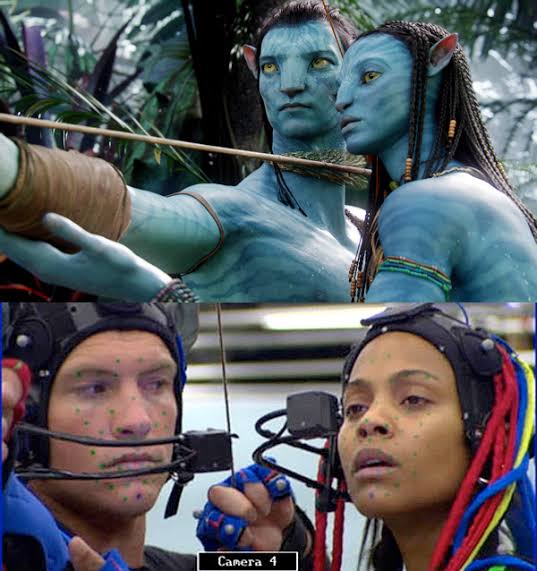
- Comfort: HMCs require actors to wear helmets with protruding cameras and glued-on reflective dots, which can be cumbersome and potentially disrupt natural acting, especially in dynamic scenes. MOVA, using only invisible phosphorescent makeup, offers a less intrusive experience, allowing actors to perform more freely without physical encumbrances.
- On-Set Use: Marker-based HMCs are highly flexible, enabling capture during live-action filming, as seen in films like Avatar or Planet of the Apes, where actors perform alongside others on set. MOVA, however, typically requires a dedicated capture session in a controlled environment with specialized lighting and multiple cameras, making it less suited for on-set integration and more aligned with pre- or post-production VFX workflows.
- Post-Processing: Traditional marker systems generate sparse data that animators must map to a face rig, often requiring significant manual adjustments to achieve realism. MOVA outputs near-final performance meshes that closely mirror the actor’s face, streamlining the animation pipeline by minimizing the need for extensive post-processing, thus preserving the original performance with greater fidelity.
- Photogrammetry-Based 4D Capture (e.g., DI4D, USC Light Stage): MOVA employs photogrammetry to reconstruct 3D facial performances, but other systems like Dimensional Imaging’s DI4D and USC’s Light Stage have emerged, capturing dense meshes without MOVA’s makeup requirement.
- Markerless: Like MOVA, DI4D and Light Stage are markerless, relying on natural facial features or projected light patterns (e.g., infrared dots) to track motion, eliminating the need for physical markers and aligning with MOVA’s non-invasive approach.
- Data Quality: By the 2020s, systems like DI4D, with its 9-camera rig, produce dense meshes comparable to MOVA’s fidelity, as seen in projects like Call of Duty games and Blade Runner 2049’s digital Sean Young. MOVA held an early lead in the late 2000s as a pioneer of 4D facial capture, but newer systems have caught up, some offering higher camera counts or stereo HMCs for multi-actor capture, enhancing versatility.
- Makeup vs. No Makeup: MOVA’s phosphorescent makeup ensures a crisp, trackable pattern, particularly effective on featureless skin, but requires application and a darkened stage with UV flashes, adding setup complexity. DI4D and similar systems use visible light or skin texture, simplifying preparation and potentially capturing eye surfaces, which MOVA excludes due to makeup limitations, though MOVA’s makeup enhances tracking reliability under varied conditions.
- Cost and Complexity: Both MOVA and photogrammetry rigs are costly and complex, operated by specialized facilities. MOVA’s synchronized camera and light array is somewhat portable, having been shipped to sets, while DI4D’s smaller 9-camera setup offers flexibility for varied environments. Light Stage, a large spherical rig, excels in scanning but lacks portability, making MOVA and DI4D more adaptable for production needs.
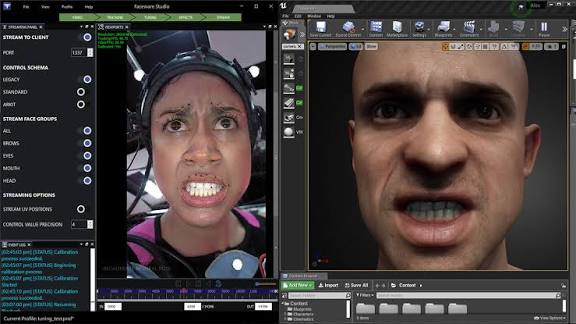
- Video-Based Facial Tracking (Faceware, Image Metrics): Software solutions like Faceware and Image Metrics analyze video feeds, with or without markers, to track facial features and drive animation rigs, offering a lighter hardware footprint.
- Data Source: These systems track key facial points (e.g., eye corners, lip outlines) from video, generating animation data rather than dense 3D meshes, requiring significantly less hardware than MOVA’s multi-camera rig, often just a single camera, making them more accessible for smaller productions.
- Accuracy: Advanced video tracking, bolstered by machine learning, captures major movements like mouth shapes and blinks effectively, but lacks the fine-grained geometry of MOVA, such as wrinkles or skin folds, which require animator intervention or normal maps. MOVA’s geometric capture ensures comprehensive detail, ideal for photorealistic applications where absolute realism is paramount.
- Real-Time vs. Offline: Video-based systems excel in real-time applications, enabling live CG character puppeteering for broadcasts or game development previews, as seen in Hellblade: Senua’s Sacrifice. MOVA’s offline processing, which generates meshes over time, prioritizes high-fidelity output over immediacy, making it unsuitable for interactive scenarios but superior for final production quality.
- Comparative Quality: In 2008, Image Metrics’ markerless “Digital Emily” demo impressed, but relied on MOVA or Light Stage for base face models, with video solving motion. Modern video methods, enhanced by depth sensors like iPhone’s TrueDepth, approach MOVA’s quality but fall short of its full 3D-per-frame precision, which remains the gold standard for maximum photorealism in high-end VFX.
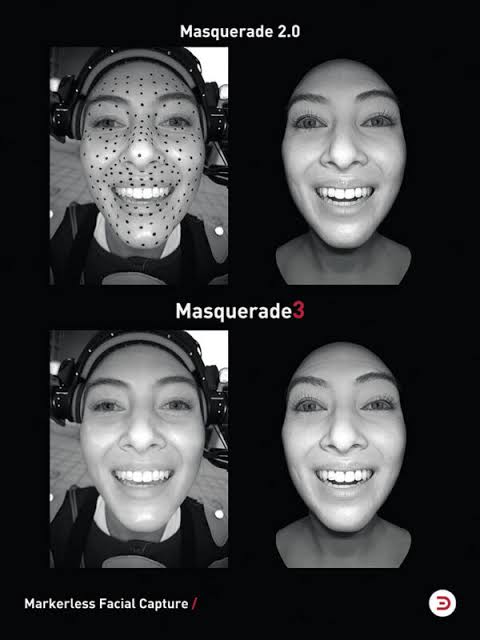
- Competing Proprietary Systems: Major studios developed markerless systems inspired by MOVA, including Weta Digital’s FACETS, ILM’s Medusa with Disney Research, and Digital Domain’s Masquerade, often kept internal and tailored to specific projects.
- Quality: These systems aim to rival or surpass MOVA’s detail. Medusa, used for the Hulk in The Avengers and Star Wars characters, captures fine geometry, while Masquerade powered Thanos in Infinity War with machine learning and dense capture. MOVA’s early dominance and patented technology set a high bar, with lawsuits suggesting some studios may have used MOVA’s hardware covertly, underscoring its perceived superiority.
- Differences: Proprietary systems employ varied techniques, such as Medusa’s projected light patterns, to achieve dense capture, differing from MOVA’s makeup-based approach. While specifics are scarce, MOVA’s proven track record and legal defenses highlight its pioneering role, though competitors like FACETS and Masquerade reflect a trend of studios building custom solutions to emulate MOVA’s high-fidelity results.
MOVA Contour was a trailblazer, historically the premier high-fidelity facial capture solution, as noted in Computer Graphics World for its dense 3D scans using fluorescent makeup, setting the stage for modern markerless systems. While legal and business constraints have limited its ubiquity, MOVA’s paradigm is now industry-standard, with its quality on par with elite systems like DI4D, Light Stage, and Medusa. Compared to a high-end DSLR, MOVA delivers unparalleled realism for professionals prioritizing ultimate performance quality, though newer systems offer convenience for broader applications.

Availability of MOVA’s Facial Animation Technology to the Public
MOVA’s Contour facial capture system is not publicly available as an off-the-shelf product, primarily accessible to major film/game productions or VFX facilities under specific arrangements:
- Proprietary System (Not a Consumer Product): MOVA Contour is a proprietary system with specialized hardware (camera rigs, lighting arrays) and software, developed by Rearden/MOVA. It was offered as a service, requiring studios to hire MOVA’s team for on-site setup or send actors to equipped facilities, similar to high-end VFX technologies like motion capture stages.
- Limited Installations: Only a few MOVA rigs existed globally (e.g., at Rearden’s California facility or partner VFX houses like Digital Domain for Benjamin Button), making access exclusive to large-budget studios, unlike widely available systems like Vicon.
- Legal Disputes Impact: Mid-2010s legal disputes over MOVA’s ownership halted legitimate licensing after an entity allegedly licensed it illegally in 2013. Rearden’s lawsuits (2016-2017) created uncertainty, effectively removing MOVA from the market, with no commercial relaunch post-resolution.
- Not Open-Sourced or Democratically Available: Protected by patents and trade secrets, MOVA has not been commoditized or open-sourced, with Rearden’s legal actions (e.g., blocking film distributions) preventing affordable versions or plugins for tools like Unreal Engine.
- Current Owner and Licensing: Rearden owns MOVA’s copyrights and patents, but there’s no evidence of active marketing for services post-lawsuits, rendering it unavailable unless Rearden engages in future projects, with demand possibly met by alternatives.
- Alternatives for the Public: Indie developers can use accessible markerless systems like Faceware (single-camera), Dynamixyz (multi-camera, now Adobe), or Apple’s ARKit, or tools like Epic’s MetaHuman Animator for iPhone-based capture, offering lower fidelity but practical solutions.
- Public Demonstrations and Academic Use: MOVA was showcased at events like GDC 2008 with Unreal Engine 3, but not distributed. Academic use (e.g., USC’s Digital Emily project) relied on collaborations, not general availability, with researchers building inspired systems.
MOVA Contour remains unavailable to the public, exclusive to major productions, but its influence has spurred accessible facial capture alternatives, though lacking MOVA’s high-end fidelity.
Challenges and Limitations of Markerless Facial Capture
Markerless facial capture systems like MOVA’s Contour offer high fidelity but face significant challenges and limitations in production:
- Complex and Expensive Setup: MOVA requires multiple high-speed cameras, UV strobe lighting, and precise calibration, necessitating costly, controlled environments like dedicated stages, limiting its use to big-budget projects and precluding spontaneous on-location shoots, unlike simpler marker-based systems.
- Throughput and Data Management: Capturing dense meshes (e.g., 3600 meshes for a 60-fps minute) generates massive data, requiring robust pipelines for storage, processing, and conversion to animation rigs. Processing delays (hours per take) hinder quick turnarounds, unlike faster marker-based systems, impacting fast-paced productions.
- Actor Preparation and Physical Constraints: Actors wear phosphorescent makeup (potentially causing sensitivities) and perform under intense UV lighting in confined camera setups, restricting movement and interactions. This isolated, sterile environment may challenge replicating on-set emotional performances, posing direction challenges.
- Integration with Body Motion: Separate face and body capture risks synchronization issues, as re-performing facial acting in MOVA may differ from on-set body motion, requiring animators to blend animations (e.g., adjusting head turns vs. blinks), unlike marker-based systems capturing both simultaneously.
- Eye and Tongue Capture: MOVA captures skin surfaces but not eyes or mouth interiors, necessitating separate eye tracking (via video or keyframing) or manual tongue animation, adding animator workload to ensure realism and avoid unnatural looks in these critical features.
- Lighting and Reflectivity Issues: Subtle facial features or reflective skin (e.g., sweat) can degrade capture accuracy, and thick facial hair may require removal for makeup application, necessitating digital reapplication. Consistent lighting limits capturing dynamic scene lighting, complicating final expression rendering.
- Learning Curve and Crew Requirements: Operating MOVA demands specialized skills for makeup application, camera calibration, and software, requiring expert crews. Errors (e.g., camera mis-sync) may delay detection until processing, risking reshoots, unlike simpler plug-and-play systems like Faceware.
- Patent/Legal Limitations: Mid-2010s lawsuits over unauthorized MOVA use created legal risks, freezing adoption as studios opted for alternatives, indirectly limiting availability and pushing investment in other solutions.
Despite these challenges, MOVA’s benefits justify its use for critical shots, though its limitations favor targeted application over universal adoption, often requiring hybrid approaches with simpler methods.

Future Prospects: The Evolution of Facial Capture Technology
Facial capture technology is advancing beyond MOVA’s Contour, promising more realistic, accessible, and real-time solutions:
- Hybrid Approaches Combining Markerless and AI: AI trained on MOVA-like datasets can infer detailed facial motion from minimal inputs (e.g., single-camera video), reducing rig complexity. NVIDIA’s AI-driven animations aim for MOVA-quality results, potentially yielding software that generates dense 4D mesh sequences from simple footage.
- Real-Time Photoreal Facial Capture: Advances in GPU power and algorithms enable live, photoreal CG character animation, as seen in Digital Domain’s Thanos demos or Epic’s real-time digital humans, revolutionizing virtual production, gaming, and VR by providing instant director feedback and immersive avatar expressions.
- Greater Accessibility and Democratization: Depth cameras (e.g., iPhone TrueDepth) and photogrammetry apps make markerless capture accessible to indie creators. Epic’s MetaHuman framework and potential cloud-based services could democratize MOVA-like capabilities, driven by demand from virtual influencers and VR.
- Higher Fidelity (Beyond Visible Spectrum & Micro-details): Future rigs may use polarized light, thermal imaging, or blood flow sensors to capture subtle cues (e.g., flushes) and integrate muscle simulations for anatomically correct skin dynamics, blurring scanning and simulation for unmatched realism.
- Standardization and Pipeline Integration: Standardized formats (e.g., for mesh sequences or blendshapes) will streamline data exchange, enabling smaller studios to leverage advanced algorithms via artist-friendly pipelines, similar to FBX for body motion capture.
- Ethical and Creative Frontiers: Ultra-realistic capture enables virtual actors or “resurrected” likenesses, raising ethical questions about rights while offering creative freedom for age-agnostic casting or character transformations, necessitating industry guidelines.
- Improved Capture of Eyes and Emotion: Enhanced eye tracking (via high-res cameras or procedural augmentation) will ensure lifelike eyes with pupil dilation and micro-saccades, making digital performances nearly indistinguishable from real ones, a key VFX goal.
- Integration with VR/AR: Real-time facial capture for AR/VR avatars, like Meta’s codec avatars, will enable immersive telepresence, mapping expressions onto photoreal avatars for virtual meetings or games, echoing MOVA’s high-fidelity ethos in efficient formats.
The future of facial capture will bridge MOVA’s quality with consumer accessibility, enhancing realism and creative applications through AI, real-time processing, and standardized workflows.
Conclusion: MOVA’s Impact on the Entertainment Industry
MOVA’s Contour transformed facial animation, elevating realism by capturing detailed performances for authentic digital characters, as seen in Benjamin Button and Thanos. It pioneered “performance capture,” driving digital doubles that close the uncanny valley and enabling immersive storytelling. MOVA fostered industry collaboration, inspiring directors like Fincher and Cameron, and spurred software optimizations for dense facial data. Its Sci-Tech Oscar validated markerless capture, creating specialized VFX roles. Legal battles highlighted IP issues, promoting clearer tech licensing. In gaming, MOVA raised expectations for cinematic facial animation, as in Rise of the Tomb Raider, blurring film-game boundaries. By unlocking creative possibilities—age-agnostic acting, emotive CGI creatures—MOVA’s legacy endures in photorealistic digital actors, reshaping modern entertainment.
Frequently Asked Questions (FAQs)
- What is MOVA Contour facial capture, in simple terms?
MOVA Contour is a markerless facial motion capture system that uses glowing makeup and multiple cameras to record detailed 3D facial performances. It captures subtle expressions, creating lifelike CGI characters for films and games. The technology transforms real actor performances into highly realistic digital animations. - How is MOVA’s markerless facial capture different from traditional motion capture?
Traditional motion capture uses markers on the face tracked by a few cameras, capturing limited data points. MOVA applies invisible phosphorescent makeup that glows under UV light, providing thousands of tracking points for detailed 3D facial scans. This results in a more accurate and comprehensive reproduction of the actor’s performance. - Why is MOVA Contour considered great for photorealistic tracking?
MOVA achieves sub-millimeter precision with over 100,000 polygons per frame, capturing minute facial details like wrinkles. It requires minimal cleanup, enabling direct use in CGI character animation. This high-fidelity tracking produces photorealistic digital faces, as seen in films like Benjamin Button. - Which movies or films have used MOVA’s facial capture technology?
- The Curious Case of Benjamin Button (2008) – to create the realistic elderly and youthful versions of Brad Pitt’s character.
- The Incredible Hulk (2008) – capturing Edward Norton’s expressions for the Hulk’s face.
- Tron: Legacy (2010) – rejuvenating Jeff Bridges by mapping his performance onto a younger digital double.
- Harry Potter and the Deathly Hallows Part 1 & 2 – for face swaps (the “Seven Potters” scene) and transformations.
- Marvel’s The Avengers (2012) and Avengers: Age of Ultron (2015) – used for the Hulk and possibly other CGI character faces.
- Guardians of the Galaxy (2014) – used for realistic facial moments (e.g., Thanos cameo).
- Deadpool (2016) – to animate Colossus’s face using a performer’s MOVA-captured facial acting.
- Beauty and the Beast (2017) – capturing Dan Stevens’ performance for the Beast’s CG face.
- It’s also been used in games like Rise of the Tomb Raider (2015) for ultra-realistic Lara Croft facial animation. (Keep in mind, some movies didn’t publicly advertise their use of MOVA due to licensing issues, but later information and lawsuits revealed its usage.)
- Who developed MOVA Contour and what is their background?
MOVA Contour was developed by Steve Perlman at Rearden, with a team including Tim Cotter and Greg LaSalle, earning a Scientific and Technical Academy Award. Perlman, known for QuickTime and WebTV, aimed to overcome the uncanny valley in digital faces. The team’s expertise in graphics, engineering, and filmmaking drove MOVA’s innovation. - Is MOVA’s facial capture technology available to the public or small studios?
MOVA Contour is a proprietary service for major productions, not available for public or small studio purchase. Legal issues have limited its accessibility, with only a few setups operated by MOVA’s team or VFX companies. Indie creators must rely on alternative marker-based or newer markerless solutions. - How does MOVA handle capturing an actor’s facial performance (the process)?
Actors wear invisible phosphorescent makeup and perform under UV light, which creates a glowing speckle pattern. Multiple cameras capture this pattern and normal images, reconstructing a 3D facial mesh per frame. This 4D capture sequence is retargeted to animate CGI characters with precise, lifelike motion. - How does MOVA’s quality compare to other facial capture methods – where does it rank in the industry?
MOVA is a top-tier facial capture system, renowned for its high-fidelity 4D capture, earning an Academy Award. It surpasses many competitors, like Disney’s Medusa, in detail, though newer markerless systems are more convenient. MOVA remains the gold standard for photorealistic character work in major films. - What are some limitations or challenges when using MOVA’s technology?
- Logistics: It requires a complex rig (multiple cameras, special lighting) and a controlled environment, so you can’t just use it anywhere or anytime. It’s expensive and takes setup.
- Actor inconvenience: Actors have to wear phosphorescent makeup and perform under flashing lights, which can be a bit unnatural (though less intrusive than markers). They typically perform alone on a capture stage, so it’s tricky for interactive scenes.
- Data overload: MOVA outputs huge amounts of data (dense 3D meshes every frame), which is heavy to process and store. It takes time to convert that data into a usable form for animators.
- No eyes/inside mouth: It doesn’t inherently capture the eyes or tongue/teeth movements (those require separate solutions), so those aspects need to be manually animated or captured via other means.
- Separate from body: Usually facial capture is done separately from body motion, which means later you have to sync the facial performance with the body performance – that can be complicated.
- Availability: As mentioned, due to its proprietary nature and legal issues, it’s not always readily available when a project might want it.
- How has MOVA impacted the future of digital characters and what’s next?
MOVA proved realistic digital characters are achievable, inspiring more human-like CGI in films like Rogue One. It pioneered concepts for newer markerless and real-time capture systems, influencing VR/AR and gaming. Future advancements aim for MOVA-quality results from simpler setups, like smartphones, for widespread, real-time applications.
Conclusion
In conclusion, MOVA’s Contour Reality Capture technology represents a landmark in the evolution of visual effects and animation. It enabled filmmakers and game developers to cross boundaries that once seemed insurmountable – capturing the full nuance of human expression and transplanting it into digital worlds.
Through its innovative markerless approach and astonishing fidelity, MOVA has brought us closer than ever to believable digital humans, forever changing how characters are created on screen. From its contributions to award-winning films to its influence on emerging capture techniques, MOVA’s impact is undeniable. As we move forward into a future of immersive media and virtual storytelling, the breakthroughs pioneered by MOVA will continue to resonate, ensuring that the human touch in performance is never lost, even when the face we see is not flesh and blood but pixels and polygons.
Sources and Citation
- John Markoff, “Camera System Creates Sophisticated 3-D Effects,” The New York Times (July 31, 2006): NYT, mirror/repost.
- Dean Takahashi, “Mova reveals its work capturing faces for The Incredible Hulk film,” VentureBeat: VentureBeat link.
- Hagens Berman / Rearden MOVA Contour:
- July 17, 2017 press release,
- July 24, 2017 follow-up press release,
- case page.
- Colin Urquhart, “Facial Treatment: Face scanning and digi-doubles have come a long way,” Computer Graphics World (April 15, 2022): CGW link.
- Academy / Oscars — The 87th Scientific & Technical Awards 2014 | 2015 (includes the MOVA Technical Achievement Award citation): Oscars.org link.
- MOVA Contour press release — Contour Reality Capture Press Release 7/31/06 (PDF): PDF link.
- Reddit (r/movies) — “Fox, Paramount Accused of Using Stolen Computer Graphic Technology for Hit Films”: Reddit thread.
- Reddit (r/TombRaider) — closest matches to your description:
- “I really miss this look in the survival trilogy”,
- “Ok. so I wanna show on Lara as an example…”,
- “When they say Lara looks better in Rise…”.
- BLEEP Magazine — “Greg LaSalle: The man behind bringing Deadpool’s Colossus to life”: BLEEP link. Related Good Men Project pages: version 1, version 2.
- AWN (Animation World Network) — “Mova Contour Moves ‘Motion Capture To Reality Capture’”: AWN link.
Recommended
- How Do I Track an Object With a Camera in Blender?
- All characters and color variations in Mario Tennis Fever: Full roster, unlocks, and alternate colors
- Mesh to Metahuman: How to Scan Yourself and Create a Realistic Digital Double in Unreal Engine 5
- How The View Keeper Improves Blender Rendering Efficiency
- How do I set a camera as the active camera in Blender?
- Metahuman Animation Tutorial: Step-by-Step Guide to Animating Digital Humans in Unreal Engine 5
- Interactive Materials in Unreal Engine: How to Create Dynamic and Responsive Surfaces in Real Time
- How to Turn a 2D Concept into a 3D Character: Start-to-Finish Workflow Using Blender and ZBrush
- Nipsey Hussle’s Braids: A Symbol of His Legacy
- Marathon: Bungie’s New FPS – Gameplay Details, Developer Insights, and Community Reactions