









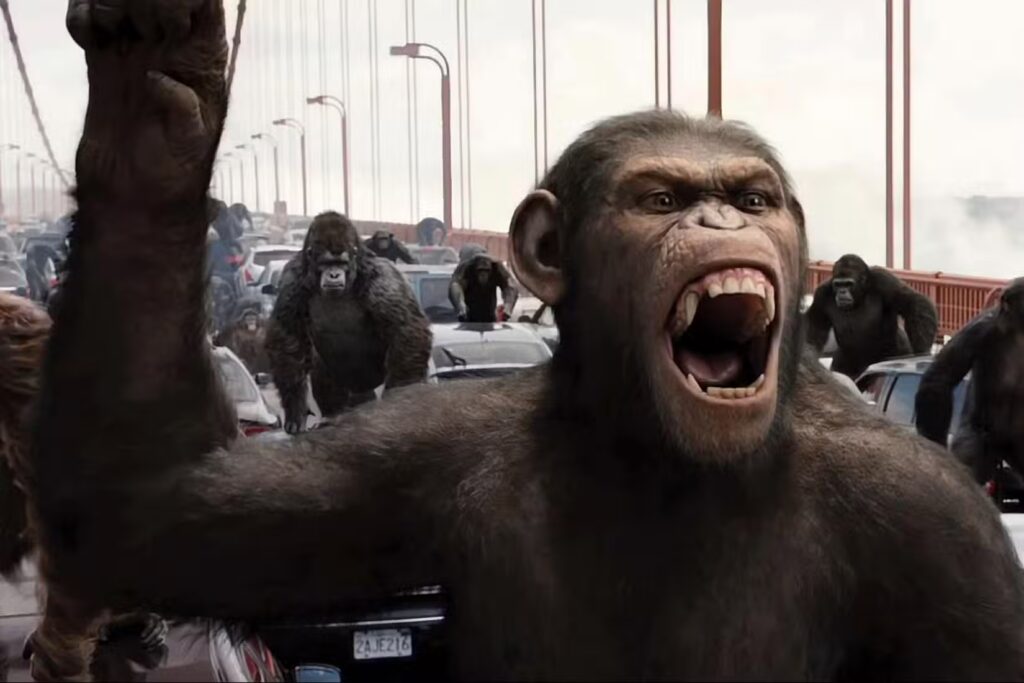
The Planet of the Apes franchise is once again evolving, with reports confirming that a brand-new reboot project is in development under the guidance of filmmaker Matt Shakman, the director attached to Fantastic Four: First Steps. The legendary science-fiction property has survived multiple cinematic eras, beginning with the 1968 classic, continuing through sequels and remakes, and eventually transforming into the critically acclaimed Caesar trilogy led by Andy Serkis. Now, 20th Century Studios appears ready to reinvent the franchise yet again.
The announcement has generated massive discussion among science-fiction fans because the franchise currently sits in a unique position. Kingdom of the Planet of the Apes successfully expanded the universe after Caesar’s storyline concluded, but the possibility of another reboot suggests that the studio may be thinking far beyond a single continuation. With Matt Shakman involved and acclaimed writer Josh Friedman reportedly working on the screenplay, expectations are already extremely high.
The Planet of the Apes franchise has historically balanced philosophical storytelling, social commentary, emotional character arcs, and cutting-edge visual effects. Any new reboot must preserve these strengths while introducing enough innovation to justify another reinvention. Early reports indicate that this new project could significantly reshape the long-term future of the franchise.
What is the New Planet of the Apes Reboot About from the Fantastic Four Director?
The upcoming Planet of the Apes reboot remains largely mysterious, but early information suggests that the film is being developed as a fresh entry point into the iconic science-fiction universe. Rather than simply revisiting the Caesar storyline or directly continuing the recent trilogy, the project may explore a completely different era in ape and human civilization.
Sources surrounding the production indicate that the creative team wants to preserve the emotional intelligence and realism of the recent films while introducing new narrative ideas. The reboot reportedly aims to reexamine the core themes that made the franchise famous, including:
- The collapse of human civilization
- Ape evolution and political structures
- Ethical questions about intelligence and power
- Human survival in a transformed world
- Fear, prejudice, and coexistence
The Planet of the Apes universe offers enormous storytelling flexibility because every reboot can focus on different generations, cultures, and conflicts. The new movie may take advantage of this by exploring territories never fully examined in previous films.
One possibility is that the reboot could shift away from Caesar’s legacy entirely and introduce audiences to a distant future where ape societies have become fully dominant across the globe. Another theory suggests that the movie may return closer to the original 1968 concept involving advanced ape civilizations with deeply entrenched social hierarchies.
Regardless of the final direction, the project appears designed to modernize the franchise for another generation while maintaining the philosophical and emotional depth fans expect.

Matt Shakman’s Role in the Planet of the Apes Reboot Explained
Matt Shakman’s involvement is one of the biggest reasons the reboot has generated immediate industry attention. Shakman gained major recognition after directing Marvel Studios’ WandaVision, a series praised for its ambitious storytelling, visual creativity, and emotional character development. He later became attached to Fantastic Four: First Steps, placing him among Hollywood’s most closely watched blockbuster filmmakers.
His directing style could be extremely important for the future of Planet of the Apes because the franchise depends heavily on balancing spectacle with intimate emotional storytelling. The recent Apes films succeeded because they treated the ape characters as emotionally complex individuals rather than simple CGI creations.
Shakman’s previous projects demonstrate several strengths that align perfectly with the needs of a Planet of the Apes reboot:
Character-Driven Storytelling
Shakman consistently focuses on emotional character arcs even within large-scale genre narratives. Planet of the Apes requires emotionally grounded protagonists to make its science-fiction concepts believable.
World-Building Experience
The franchise thrives on immersive societies and evolving civilizations. Shakman’s ability to construct layered fictional worlds may help the reboot establish a distinct identity.
Balancing Humor and Drama
Although Planet of the Apes is generally serious, moments of humanity and emotional contrast are critical. Shakman has demonstrated strong tonal control in previous productions.
Visual Ambition
Modern Planet of the Apes films are heavily dependent on visual innovation. Shakman’s experience with effects-heavy productions could help push the franchise technologically forward.
Many industry observers believe that 20th Century Studios selected Shakman because the studio wants a filmmaker capable of reinventing the franchise without losing the emotional sophistication that defined the Caesar trilogy.

Why the New Planet of the Apes Movie is Not a Kingdom of the Planet of the Apes Sequel
One of the biggest questions surrounding the project is why the studio appears interested in another reboot so soon after Kingdom of the Planet of the Apes. The answer likely involves long-term franchise planning.
Kingdom of the Planet of the Apes expanded the post-Caesar timeline and introduced new characters such as Noa and Mae. However, the film still operated within the continuity established by Rise of the Planet of the Apes, Dawn of the Planet of the Apes, and War for the Planet of the Apes.
The new reboot reportedly differs because it may establish an entirely separate continuity or dramatically reshape existing lore. Studios often choose this strategy when they want:
- Greater creative freedom
- A new audience entry point
- Long-term franchise flexibility
- Different thematic directions
- A larger cinematic universe approach
A continuation of the Kingdom storyline would likely remain tied to existing timelines and character histories. A reboot, however, allows filmmakers to redesign ape societies, human civilizations, and even the origins of the conflict.
Another important factor is accessibility. Long-running franchises can become difficult for new viewers to follow. Reboots simplify entry points and attract younger audiences unfamiliar with previous installments.
The distinction between sequel and reboot is therefore critical. While Kingdom built upon existing mythology, the new project could fundamentally reinterpret what Planet of the Apes means for modern audiences.
Josh Friedman Writing the Planet of the Apes Reboot Script: What it Means
The involvement of Josh Friedman is another major sign that the reboot could pursue a more ambitious direction. Friedman is known for writing sophisticated science-fiction stories with strong emotional and political themes.
His previous work includes projects connected to:
- Avatar: The Way of Water
- Terminator: The Sarah Connor Chronicles
- War of the Worlds
- Snowpiercer
Friedman’s storytelling style often combines high-concept science fiction with grounded human emotion. This makes him an ideal fit for Planet of the Apes, a franchise historically built around philosophical conflict rather than simple action spectacle.
His participation may indicate several things about the reboot:
A More Mature Narrative
Friedman tends to explore moral ambiguity and political tension. The reboot may lean heavily into social commentary.
Expanded World Lore
His projects often feature detailed civilizations and layered mythologies. The new film could dramatically expand ape culture and politics.
Emotional Complexity
The Caesar trilogy succeeded because audiences emotionally connected with the apes. Friedman’s writing could continue that tradition.
Large-Scale Franchise Planning
Writers with Friedman’s experience are often hired for projects intended to launch long-term cinematic plans.
Fans are particularly excited because Friedman understands serialized storytelling. This raises the possibility that the reboot may be designed as the beginning of a multi-film saga rather than a standalone experiment.

Is the Planet of the Apes Reboot a Full Franchise Reset or Soft Reboot?
The exact nature of the reboot remains unclear, but there are currently two dominant possibilities.
Full Franchise Reset
A complete reboot would discard all previous continuity and begin from scratch. This approach would allow the filmmakers to:
- Reinvent ape origins
- Redesign the timeline
- Create entirely new characters
- Rebuild the world mythology
- Modernize political themes
A full reset could resemble what Batman Begins did for Batman or what Casino Royale accomplished for James Bond.
Soft Reboot
A soft reboot would retain some connections to previous films while introducing a new narrative direction. This is similar to what Mad Max: Fury Road achieved.
A soft reboot could:
- Acknowledge Caesar’s legacy
- Introduce new generations
- Explore distant future timelines
- Shift focus to different regions
- Retain selected lore elements
Many analysts currently believe the project may lean toward a soft reboot because the recent Apes films were critically successful. Completely abandoning that continuity could alienate longtime fans.
However, if the studio wants maximum creative freedom, a full reboot remains possible.
How the Fantastic Four: First Steps Director Shapes the Future of Planet of the Apes
Matt Shakman’s connection to Fantastic Four: First Steps may heavily influence the direction of Planet of the Apes in ways beyond visual spectacle.
Marvel projects require:
- Large-scale franchise coordination
- Ensemble storytelling
- Complex world-building
- Strong visual consistency
- Massive audience accessibility
These are all qualities that could benefit Planet of the Apes as a modern blockbuster franchise.
Shakman’s experience with interconnected storytelling may help the franchise evolve into a broader cinematic universe. Instead of focusing solely on isolated stories, future films could examine multiple ape societies, surviving human factions, and global conflicts.
There is also speculation that the reboot could embrace more expansive science-fiction concepts than previous installments. Earlier films focused heavily on survival drama, but the new project could widen the scope considerably.
Potential directions include:
- Advanced ape empires
- Human resistance networks
- Space exploration connections
- Multiple ape civilizations
- Global geopolitical conflicts
Shakman’s blockbuster experience may therefore transform Planet of the Apes into a more expansive franchise while preserving its emotional core.
Planet of the Apes Reboot Release Date Rumors and Production Timeline
As of now, 20th Century Studios has not officially announced a release date for the reboot. However, industry speculation suggests that development is progressing steadily behind the scenes.
Several factors affect the likely production timeline:
Script Development
Josh Friedman’s screenplay must first reach a finalized stage before pre-production can accelerate.
Matt Shakman’s Schedule
Because Shakman is heavily involved with Fantastic Four: First Steps, scheduling will influence when filming can begin.
Motion-Capture Preparation
Planet of the Apes films require extensive pre-production work due to performance-capture technology.
Visual Effects Development
The franchise relies on cutting-edge CGI and facial animation systems that take years to refine.
Based on typical blockbuster production schedules, the reboot may not arrive until the late 2020s. Some analysts predict filming could begin after Shakman completes major Marvel obligations.
If the movie enters full production soon, possible release windows include:
- 2028
- 2029
- Early 2030s
Although these dates remain speculative, the franchise’s importance to 20th Century Studios suggests the project is likely receiving significant development resources.
New Planet of the Apes Movie Story Details and What Has Been Confirmed so Far
Very few official story details have been confirmed publicly, but several consistent reports provide insight into the movie’s possible direction.
Current information suggests:
- The project is intended as a new interpretation of the franchise
- Matt Shakman is attached to direct
- Josh Friedman is writing the screenplay
- The movie is separate from a direct Kingdom of the Planet of the Apes continuation
- The story may explore a different timeline or societal structure
No casting announcements have been officially revealed, and no plot synopsis has been confirmed.
However, franchise history provides clues about the likely thematic focus. Planet of the Apes stories traditionally examine:
- Power struggles
- Evolution
- Civilization collapse
- Fear of technological advancement
- Social inequality
- Species conflict
The reboot will almost certainly continue exploring these ideas because they are central to the franchise identity.
There is also strong speculation that the film could introduce:
- New ape clans
- Expanded world geography
- Different ape political systems
- More advanced ape technology
- New human survival groups
If true, this could create the largest and most ambitious Planet of the Apes world yet seen on screen.

How the Planet of the Apes Franchise Has Evolved Since the Caesar Trilogy
The Caesar trilogy fundamentally transformed public perception of Planet of the Apes.
Before Rise of the Planet of the Apes, the franchise was largely remembered for:
- The 1968 original film
- Practical makeup effects
- Social allegory
- Cult science-fiction appeal
The reboot trilogy changed everything by emphasizing:
- Emotional realism
- Motion-capture acting
- Cinematic spectacle
- Psychological depth
- Character-focused storytelling
Andy Serkis’ performance as Caesar became one of the defining achievements of modern performance capture. The trilogy also elevated the franchise critically, with Dawn of the Planet of the Apes and War for the Planet of the Apes receiving major praise.
After the trilogy ended, Kingdom of the Planet of the Apes expanded the universe further by moving beyond Caesar’s lifetime. This demonstrated that the franchise could survive without relying entirely on a single protagonist.
The upcoming reboot therefore arrives during a period of creative strength rather than decline. Unlike many reboots designed to revive struggling franchises, this project appears intended to strategically evolve a still-successful property.
Will the Planet of the Apes Reboot Feature New Characters or Familiar Apes?
The reboot is expected to introduce mostly new characters, though references to familiar figures remain possible.
Caesar’s storyline concluded powerfully in War for the Planet of the Apes, making his direct return unlikely unless through:
- Flashbacks
- Historical references
- Mythological storytelling
- Legacy symbolism
A new cast of ape and human characters would give the filmmakers freedom to:
- Explore fresh emotional arcs
- Build new political conflicts
- Establish different social structures
- Create unique audience perspectives
Possible character types could include:
- Ape rulers
- Human scientists
- Rebel factions
- Religious leaders
- Military commanders
- Young ape protagonists
One intriguing possibility is that the reboot may depict ape societies divided into ideological factions. Some groups may seek peaceful coexistence with humans, while others may advocate total domination.
Introducing new characters also reduces direct comparisons to Caesar, allowing the franchise to move forward creatively.
Why 20th Century Studios is Expanding the Planet of the Apes Universe Again
Planet of the Apes remains one of the most valuable science-fiction properties owned by 20th Century Studios.
Several reasons explain why the studio is aggressively expanding the franchise again.
Strong Box Office Performance
Recent films demonstrated that audiences still support intelligent science-fiction franchises.
Critical Respect
Unlike many blockbuster series, Planet of the Apes consistently receives strong reviews.
Franchise Flexibility
The concept allows endless reinvention across different timelines and settings.
Technological Showcase
The movies serve as demonstrations of cutting-edge motion-capture and visual effects.
Cultural Relevance
Themes involving power, fear, inequality, and societal collapse remain highly relevant.
Studios increasingly prioritize recognizable intellectual property because established franchises reduce financial risk. Planet of the Apes offers the rare combination of blockbuster appeal and serious thematic storytelling.
The franchise also fits perfectly within the modern streaming and cinematic ecosystem. Expanded universes can generate:
- Spin-off films
- Streaming series
- Games
- Merchandise
- Theme park experiences
20th Century Studios likely sees long-term franchise potential extending far beyond a single reboot movie.
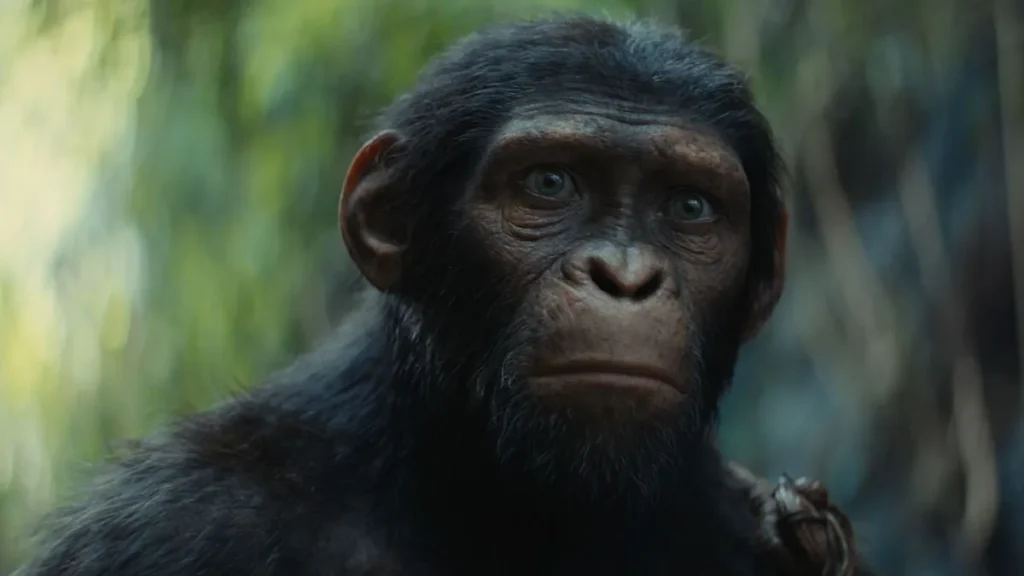
Fan Reactions to the Planet of the Apes Reboot Announcement
Fan reactions have been mixed but largely positive.
Many viewers are excited because:
- Matt Shakman has a strong creative reputation
- Josh Friedman is respected in science fiction
- The franchise currently has creative momentum
- Modern visual effects technology continues improving
Fans particularly appreciate that the reboot appears focused on quality storytelling rather than simply recycling nostalgia.
However, some concerns remain:
- Fear of abandoning Caesar’s legacy
- Concerns about reboot fatigue
- Questions regarding continuity confusion
- Skepticism about unnecessary franchise resets
Online discussions frequently compare the situation to other legacy science-fiction franchises such as:
- Alien
- Terminator
- Star Trek
- Blade Runner
Many fans argue that Planet of the Apes has succeeded because each major reinvention brought new thematic depth instead of relying solely on spectacle.
If the reboot preserves this tradition, audience reception could be extremely strong.
Could the New Planet of the Apes Film Start a Brand-New Trilogy?
There is substantial speculation that the reboot is intended to launch another trilogy.
Modern blockbuster development often prioritizes long-term franchise planning from the beginning. Several factors support the trilogy theory:
Josh Friedman’s Serialized Storytelling Experience
His background suggests a larger narrative structure may already exist.
Franchise Economics
Studios prefer multi-film arcs that build audience investment.
Planet of the Apes Tradition
The franchise historically thrives through serialized storytelling.
Expanded World Potential
The Apes universe contains enough material for multiple interconnected stories.
A possible trilogy structure could involve:
- The collapse or transformation of civilization
- Escalating ape-human political conflict
- A final ideological or societal resolution
Another possibility is that the films could examine different regions of the world, revealing how ape civilization developed globally after humanity’s decline.
If successful, the reboot trilogy could define the franchise for another decade.
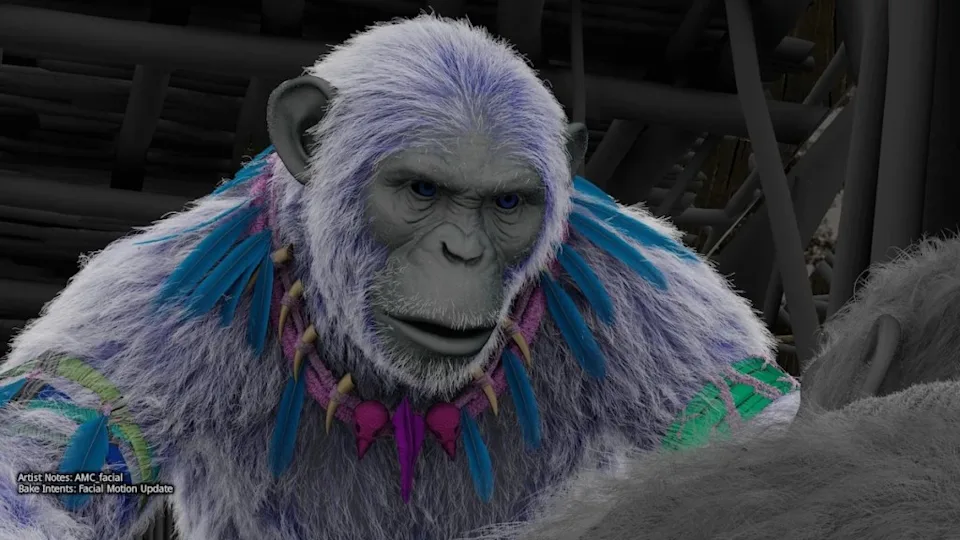
Pixelhair Analysis: How Visual Effects Could Evolve in the New Planet of the Apes Movie
Visual effects technology has always been central to Planet of the Apes, but the upcoming reboot could represent another massive leap forward.
The Caesar trilogy already revolutionized motion-capture filmmaking through:
- Detailed facial animation
- Realistic fur rendering
- Emotional eye movement
- Natural environmental interaction
However, technology has advanced dramatically since War for the Planet of the Apes.
The new reboot could introduce:
- Real-time performance rendering
- More detailed muscle simulations
- Advanced environmental lighting
- Improved facial micro-expressions
- AI-assisted animation workflows
Modern rendering technology now allows digital characters to appear almost indistinguishable from live-action photography. This could significantly enhance emotional immersion.
Another important factor is the growing sophistication of virtual production technology. Techniques popularized by productions like The Mandalorian could allow filmmakers to create larger and more dynamic ape environments.
Potential advancements include:
- Massive jungle ecosystems
- Large-scale ape cities
- More realistic battle sequences
- Complex crowd simulations
- Seamless human-ape interaction
Performance capture may also evolve. Actors could gain greater freedom of movement while digital systems capture increasingly subtle emotional detail.
If executed properly, the reboot could once again redefine industry standards for digital character filmmaking.

The View Keeper Breakdown: What the Reboot Means for the Franchise Future
The new Planet of the Apes reboot may ultimately represent more than another sequel or remake. It could define the franchise’s next long-term identity.
Historically, Planet of the Apes succeeds when it reflects contemporary anxieties. Earlier films explored:
- Nuclear fears
- Civil rights tensions
- Authoritarianism
- Scientific ethics
Modern audiences face different concerns:
- Artificial intelligence
- Climate collapse
- Social polarization
- Technological dependency
- Political instability
A successful reboot will likely reinterpret the franchise through these modern fears and philosophical questions.
The involvement of Matt Shakman and Josh Friedman suggests that 20th Century Studios understands the importance of intelligent storytelling. Rather than producing a generic blockbuster, the studio appears interested in preserving the franchise’s intellectual depth.
The reboot could also expand the franchise into a broader multimedia universe with:
- Streaming spin-offs
- Expanded lore
- Multiple timelines
- Connected narratives
Most importantly, the project demonstrates that Planet of the Apes remains one of the few blockbuster franchises capable of combining emotional storytelling, political commentary, and technological innovation.
If the reboot succeeds, it may become the foundation for the next great era of science-fiction cinema.
Frequently Asked Questions (FAQs)
- What is the new Planet of the Apes reboot about?
The reboot is reportedly a fresh interpretation of the Planet of the Apes universe being developed by director Matt Shakman and writer Josh Friedman. Story details remain secret, but the film is expected to explore new ape and human conflicts. - Is Matt Shakman directing the new Planet of the Apes movie?
Yes, Matt Shakman has reportedly been attached to direct the new Planet of the Apes reboot project for 20th Century Studios. - Is the reboot connected to Kingdom of the Planet of the Apes?
Current reports indicate that the project is not a direct sequel to Kingdom of the Planet of the Apes, though some continuity elements may still be acknowledged. - Who is writing the Planet of the Apes reboot screenplay?
Josh Friedman is reportedly writing the screenplay for the reboot. He is known for his work on major science-fiction projects. - Will Caesar appear in the new Planet of the Apes reboot?
There is no confirmation that Caesar will appear. The reboot is expected to focus primarily on new characters and storylines. - Is the new Planet of the Apes movie a full reboot?
The exact approach remains unclear. It could be either a full franchise reset or a soft reboot connected loosely to previous films. - When will the Planet of the Apes reboot release?
No official release date has been announced, but industry speculation suggests the film may arrive in the late 2020s. - Could the reboot start a new trilogy?
Yes, many analysts believe the project is being designed as the beginning of a new trilogy or long-term franchise expansion. - Why are fans excited about Matt Shakman directing Planet of the Apes?
Fans are optimistic because of Shakman’s work on visually ambitious and emotionally driven projects such as WandaVision and Fantastic Four: First Steps. - Will the reboot use advanced motion-capture technology?
Yes, the movie is expected to continue the franchise tradition of cutting-edge motion-capture and visual effects innovation.
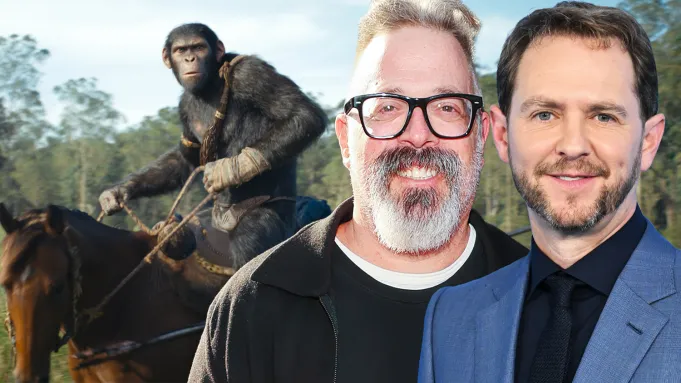
Conclusion
The upcoming Planet of the Apes reboot represents one of the most fascinating science-fiction developments currently in Hollywood. With Matt Shakman directing and Josh Friedman writing, the project already carries enormous creative potential. Rather than simply continuing old storylines, the reboot appears positioned to redefine the franchise for a new era.
Planet of the Apes has survived for decades because it continually evolves alongside cultural fears, technological innovation, and cinematic storytelling trends. From the original 1968 classic to the emotionally groundbreaking Caesar trilogy, every successful reinvention has pushed the franchise in bold new directions.
The new reboot may become the next major transformation. Whether it functions as a soft reboot, a complete reset, or the beginning of another trilogy, the film has the opportunity to expand the mythology while preserving the emotional and philosophical depth that defines the series.
Fans now wait for official casting announcements, story reveals, and production updates. Until then, anticipation continues growing around what could become the next landmark chapter in one of science fiction’s most enduring franchises.
Sources and Citations
- Variety
Variety – Planet of the Apes Coverage - Deadline
Deadline – Film Industry Reports - The Hollywood Reporter
The Hollywood Reporter – Entertainment News - Empire Magazine
Empire Magazine – Sci-Fi Movie Features - Collider
Collider – Planet of the Apes Updates - IGN
IGN – Movie and Franchise News - Screen Rant
Screen Rant – Planet of the Apes Analysis - Entertainment Weekly
Entertainment Weekly – Hollywood Coverage - 20th Century Studios
20th Century Studios Official Website - Disney
Disney Official Website
Recommended
- Helldivers 2’s First Content Roadmap Reveals New Enemies Are Coming Soon — What to Expect in Updates 6.1–6.3
- Teenage Mutant Ninja Turtles: Empire City VR Launches April 30, 2026 on Meta Quest and Steam
- Interactive Materials in Unreal Engine: How to Create Dynamic and Responsive Surfaces in Real Time
- A Star Wars Expansion Is Coming to PowerWash Simulator 2: Everything You Need to Know About the Galactic Cleaning Adventure
- Can You Change the Focal Length of a Camera in Blender?
- Hamlet: 13 Movies Based on Shakespeare’s Greatest Tragedy Ranked from Classic to Modern Adaptations
- REANIMAL Has Launched on PC and Console — Little Nightmares Creators Release a New Co‑Op Horror Game
- Anime Hack and Slash RPG Neverness to Everness Launches Worldwide: Release Date, Platforms, Cross-Play, and Launch Rewards
- Classic Arcade Shoot ’Em Up Series Truxton Gets First New Entry in 34 Years With Truxton Extreme
- Starfield’s PS5 Release Is Coming Very Soon: Leak Points to April 7, 2026 Launch, Pre-Orders, Price & Editions