






AdonisFX 2.0 full support for Houdini explained
AdonisFX is a digital anatomy simulation framework developed by Inbibo, originally released as a plugin for Autodesk Maya to create layered muscle, fat, and skin simulations. With the 2.0 release, AdonisFX now integrates natively into SideFX Houdini, marking its full support for Houdini alongside Maya. In practical terms, this means artists can run the same anatomy simulations in both Maya and Houdini with consistent results. The latest update not only adds Houdini compatibility but also brings significant performance enhancements that enable interactive, real-time workflow while maintaining high-quality deformation results. In short, AdonisFX 2.0 bridges Maya and Houdini in character FX pipelines, letting digital characters move smoothly between the two applications without any loss in fidelity.
AdonisFX 2.0 release date and official announcement
AdonisFX 2.0 was officially released by Inbibo on March 4, 2026. The launch included a press release and video highlighting native Houdini support, muscle self-collision detection, and anisotropic muscle simulation. Positioned as a solution for consistent character results between Maya and Houdini, the release earned endorsements from industry leaders, including Sony Pictures Imageworks CTO Mike Ford, who noted the tool’s proven effectiveness in production pipelines.
AdonisFX 2.0 native Houdini integration for Maya pipelines
The 2.0 update introduces a production-ready Houdini plugin that provides full parity with the Maya toolset. This integration allows anatomical simulation rigs built in Maya to be loaded directly into Houdini without conversion, data loss, or the need to rebuild muscle systems. It eliminates technical bottlenecks for studios that animate in Maya but simulate in Houdini, providing a unified framework across both applications.
AdonisFX 2.0 cross-platform character simulation in Maya and Houdini
AdonisFX 2.0 enables identical simulation behavior in both Maya and Houdini, treating them as interoperable parts of a single pipeline. Assets can move freely between programs without losing functionality or quality, allowing animators to work in Maya while technical directors leverage Houdini’s simulation power. This DCC-agnostic approach ensures consistent results and prevents vendor lock-in by not tying rigs to a single application.

AdonisFX 2.0 Houdini SOP nodes and toolset overview
The Houdini integration features a comprehensive set of SOP nodes mirroring the Maya plugin. This includes solvers for muscles (AdnMuscle, AdnRibbonMuscle), skin (AdnSkin), fat (AdnFat), glue (AdnGlue), and simulation shapes (AdnSimshape). It also includes sensors, locators, utility nodes like AdnRemap, and authoring tools like the AdnTurbo auto-rig. A visual debugger is integrated at the SOP level to help manage constraints and geometry relationships.
AdonisFX 2.0 self-collision detection for muscle simulation
A new triangle-to-triangle self-collision system prevents muscle interpenetration during extreme poses. Muscles now collide and slide realistically, maintaining anatomical plausibility without manual sculpting or cleanup. This system functions robustly even with dense rigs and works with the fast-forward simulation feature, requiring no linear pre-roll to maintain physical authenticity.

AdonisFX 2.0 anisotropic muscle simulation and realistic tissue deformation
Version 2.0 introduces anisotropic simulation, allowing muscles to have directional fiber properties. This enables realistic, directional bulging and tension along muscle fibers rather than treating them as uniform masses. This feature improves the fidelity of secondary motions like rippling and striation alignment, which is particularly beneficial for high-end hero creatures and human characters.
AdonisFX 2.0 fiber workflow in Houdini with AdnFiberProjection, AdnFiberDiffusion, and AdnFiberGroom
To manage anisotropy, three new Houdini SOP nodes were introduced: AdnFiberProjection for initial orientation, AdnFiberDiffusion for propagating directions through volumes, and AdnFiberGroom for interactive styling of internal fibers. Additional utilities like “Make Groomable” and “Make Paintable” facilitate the setup of complex muscle behaviors, providing a complete fiber authoring workflow within Houdini.
AdonisFX 2.0 Classic vs Turbo vs Hybrid workflows
AdonisFX 2.0 offers three workflow modes to balance automation and control:
- Classic: Manual, granular control for high-quality hero characters.
- Turbo: A one-click automatic setup for rapid prototyping or background characters.
- Hybrid: Layers physical simulation onto existing blendshape or bone-based rigs to add dynamic secondary motion without rebuilding the asset.
AdonisFX 2.0 interactive performance and no-cache timeline scrubbing
Optimized for real-time use, AdonisFX 2.0 allows artists to scrub the timeline and view muscle and skin simulations instantly in the viewport. This eliminates the need for pre-playing or caching, enabling immediate feedback on rig adjustments and animation poses. This real-time editing paradigm significantly increases iteration speed and creative efficiency.

AdonisFX 2.0 fast-converging simulation for film, animation, and games
The refined solver can compute an accurate, settled state for any frame within seconds without simulating the preceding timeline. This non-linear capability allows artists to jump to any point in an animation to make specific tweaks. It remains robust even with self-collisions enabled, providing a significant time-saving advantage for shot-specific iterations in film and animation.
AdonisFX 2.0 pricing, indie license, and free trial
AdonisFX 2.0 uses a subscription model. Pro licenses are £110/month (node-locked) or £150/month (floating), with annual rates around £1,100 and £1,500 respectively. An Indie license is available for £25/month or £250/year for users with under £100,000 in annual revenue. A 30-day free trial of the Pro version is available for evaluation, and a non-commercial free license has been indicated for future release.

AdonisFX 2.0 release notes and new features list
The 2.0 release includes several major updates:
- Native, production-ready Houdini support with SOP parity.
- Triangle-to-triangle muscle self-collision detection.
- Anisotropic muscle simulation with directional fiber properties.
- Real-time viewport feedback and no-cache scrubbing.
- Fast-converging, non-linear solver for jumping to any frame.
- New AdnPush deformer for art-directing geometry shapes.
- New Houdini nodes for fiber projection, diffusion, and grooming.
- Under-the-hood improvements like non-linear weight map modes, substepping for stability, and UI refinements in Maya.
AdonisFX 2.0 known limitations and Maya 2026 compatibility notes
AdonisFX 2.0 has two minor known issues. In Houdini, the AdnGlue SOP debugger (issue AdonisFX-2870) may fail to display constraint lines correctly after a scene is reopened; however, this is a visual bug and does not affect the simulation. In Maya 2026, opening scenes with hidden geometries while GPU Override is enabled can lead to evaluation errors (issue AdonisFX-2760). Users are advised to disable GPU Override or ensure geometries are visible when saving. The software supports Windows 10+ and Linux (CentOS/RHEL/Rocky 8+) but lacks macOS support. It requires Maya 2023+ or Houdini 20+.
AdonisFX 2.0 vs Ziva for digital anatomy and creature pipelines
AdonisFX 2.0 is positioned as the successor to Ziva VFX, which was discontinued after Unity’s acquisition. While both offer layered soft tissue simulation for muscles, fat, and skin, AdonisFX 2.0 provides several key advantages:
- Cross-Platform Support: Unlike the Maya-only Ziva, AdonisFX supports both Maya and Houdini.
- Interactive Workflow: AdonisFX allows real-time timeline scrubbing without caching, whereas Ziva relied on linear caching.
- Anisotropic Muscles: 2.0 features built-in directional fiber behavior and dedicated setup nodes.
- Active Development: Developed by Inbibo, AdonisFX is actively supported and updated for modern pipelines.
- Accessibility: AdonisFX offers an affordable indie license, making it accessible to small studios.
Who should use AdonisFX 2.0 for VFX, animation, and game development
AdonisFX 2.0 is designed for various professionals:
- VFX Studios/CFX Artists: Ideal for creating realistic creatures and digital doubles for film and TV.
- Feature Animation: Useful for adding secondary physical motion (like jiggle) to stylized characters.
- Game Development: Primarily used for high-end pre-rendered cinematics or baking simulation data for in-game use.
- Indie Creators/Students: The indie tier allows smaller creators to achieve high-fidelity results.
- Technical Directors: Provides a customizable framework with an API for deep pipeline integration.
Frequently Asked Question (FAQs)
- What is AdonisFX 2.0 and what does it do?
AdonisFX 2.0 is a plugin for Maya and Houdini that provides a digital anatomy simulation framework to create realistic muscle bulging, skin sliding, and soft tissue jiggling for 3D characters. - When was AdonisFX 2.0 released and what are its key new features?
Released March 4, 2026, its key features include native Houdini support, muscle self-collision detection, anisotropic muscle simulation, and real-time performance enhancements. - Does AdonisFX 2.0 support Houdini as well as Maya, and how does that work?
Yes, it runs natively in Houdini 20+ as SOP nodes. Rigs built in Maya can be opened in Houdini (and vice versa) without data conversion. - What are the “Classic”, “Turbo”, and “Hybrid” workflow modes in AdonisFX 2.0?
- Classic: Manual, high-detail setup for hero characters.
- Turbo: One-click automatic rig generation.
- Hybrid: Adds physical simulation on top of existing traditional rigs.
- What is anisotropic muscle simulation in AdonisFX 2.0?
It allows muscles to have directional fibers, making them stiffer along their length and more compliant sideways to produce realistic bulging and contraction. - How does AdonisFX 2.0 handle muscle collisions and what is self-collision detection?
It uses triangle-level algorithms to detect contact between muscles, preventing intersections and allowing tissues to slide realistically during extreme poses. - What are the system requirements for AdonisFX 2.0 (Maya/Houdini versions and OS)?
It requires Maya 2023+, Houdini 20+, and runs on Windows 10+ or Linux (CentOS 7+/RHEL 8+/Rocky 8+). There is no macOS support. - How much does AdonisFX 2.0 cost, and is there an indie license or free trial?
Pro licenses are £110/month (node-locked) or £150/month (floating). An Indie license for those earning under £100K is £25/month or £250/year. A 30-day free trial is available. - How does AdonisFX 2.0 compare to Ziva VFX?
AdonisFX is actively developed, supports both Maya and Houdini, offers real-time interaction, and includes an affordable indie tier, whereas Ziva VFX is now legacy software. - Does AdonisFX 2.0 simulate hair or fur on characters?
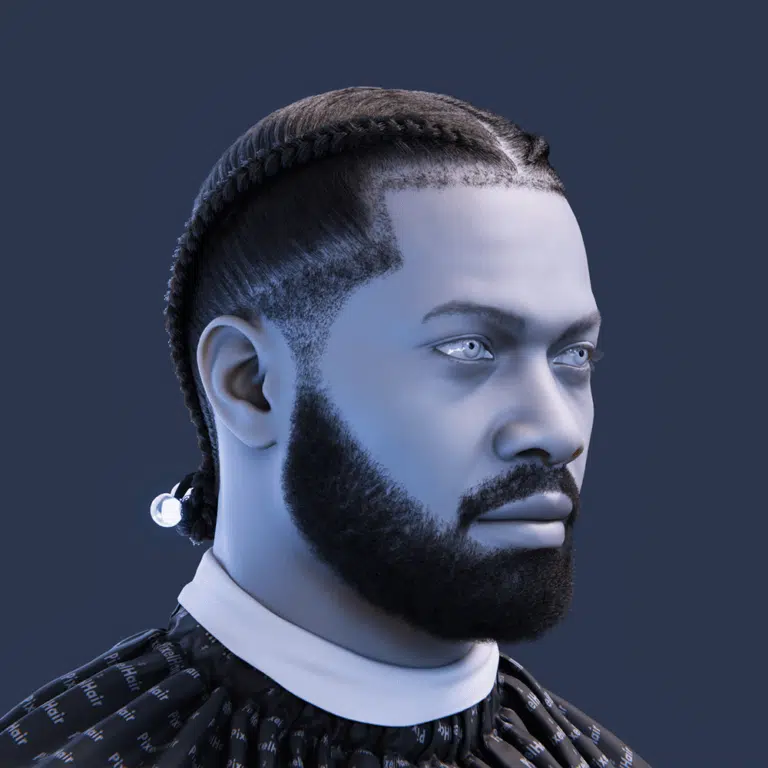
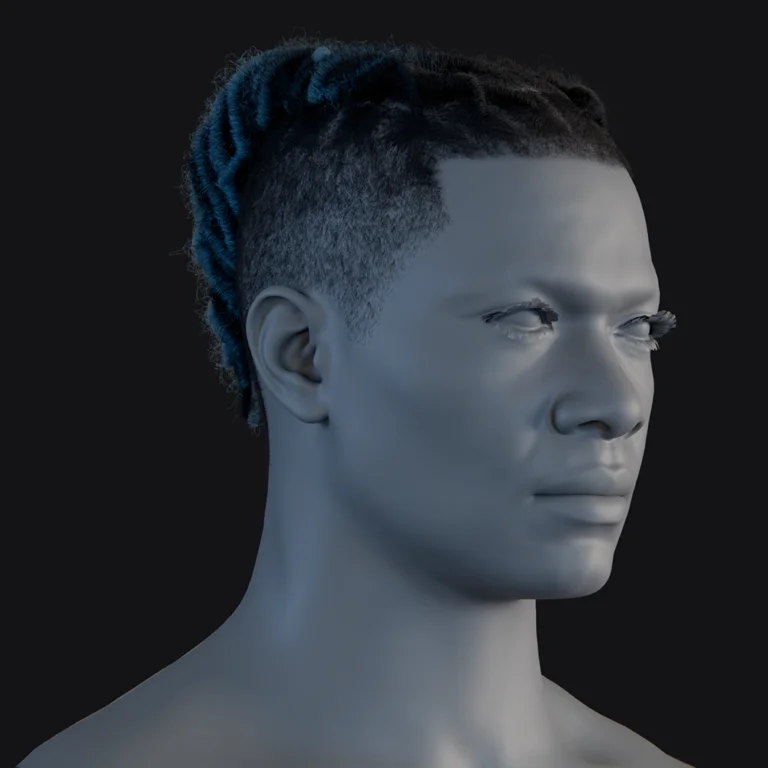
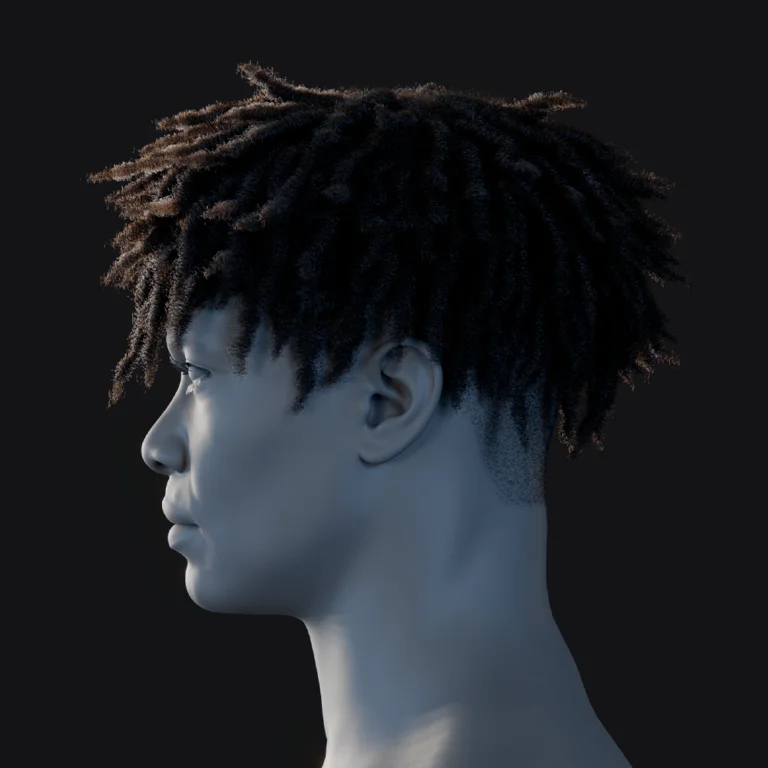
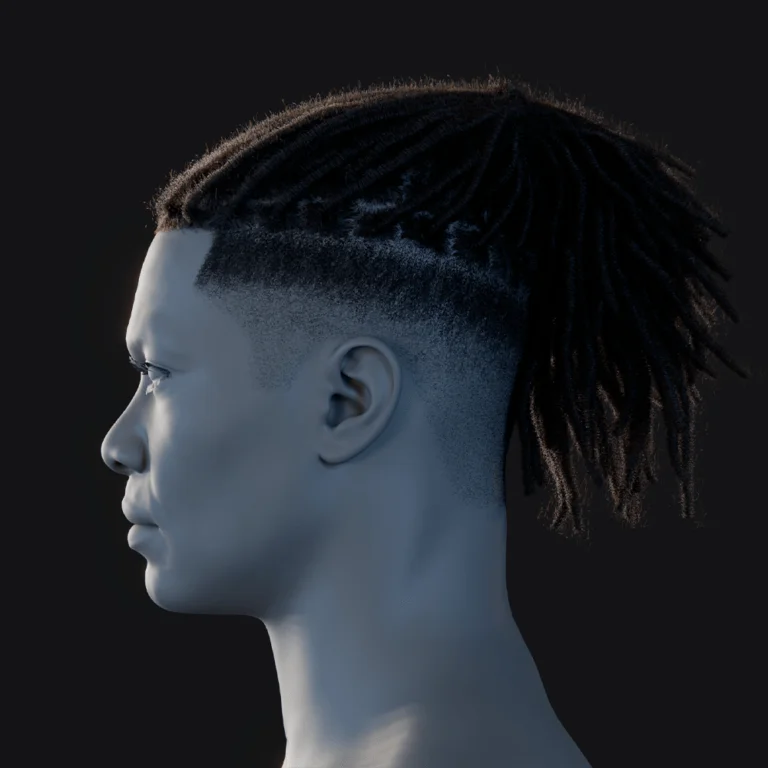
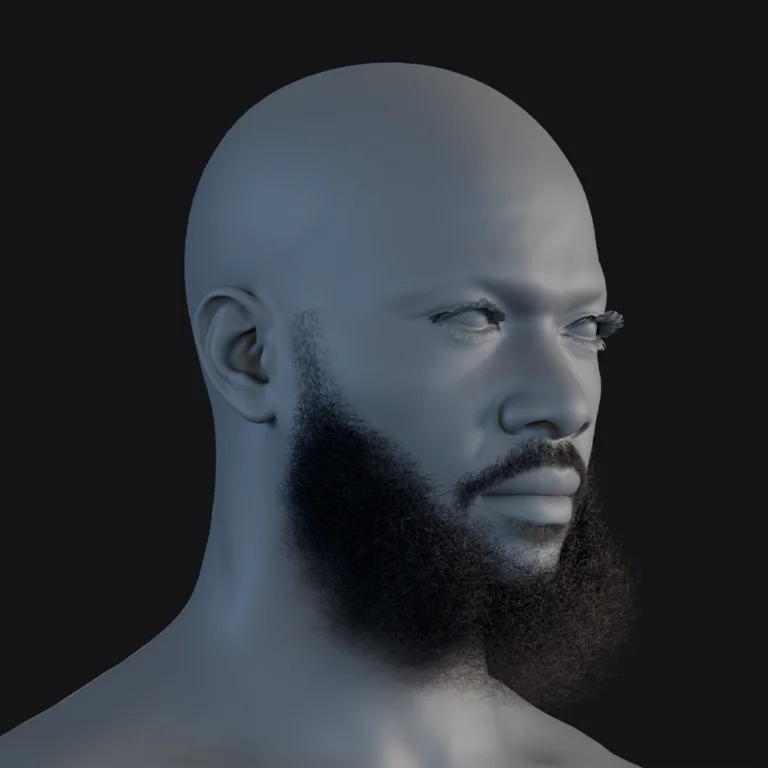
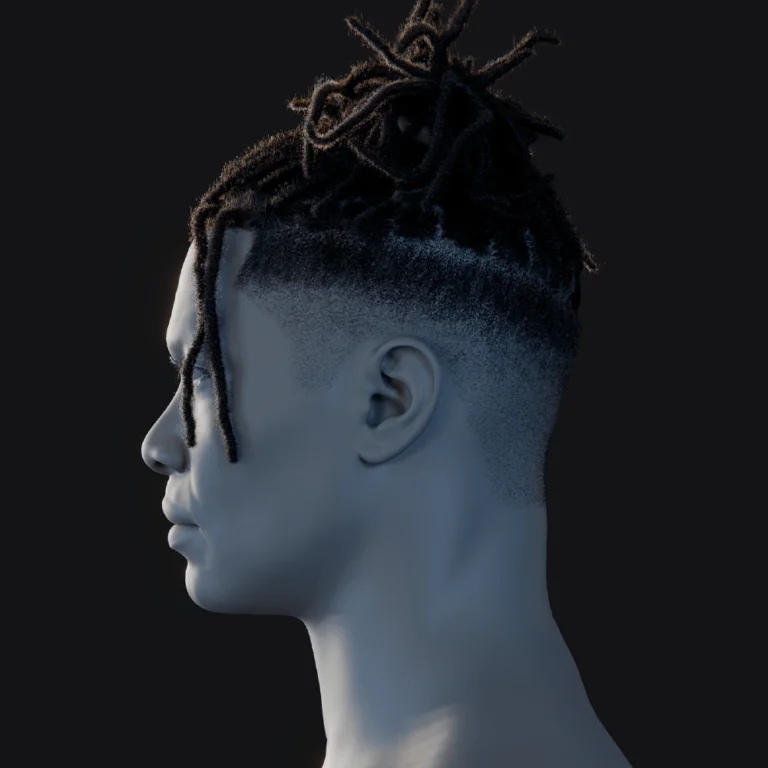
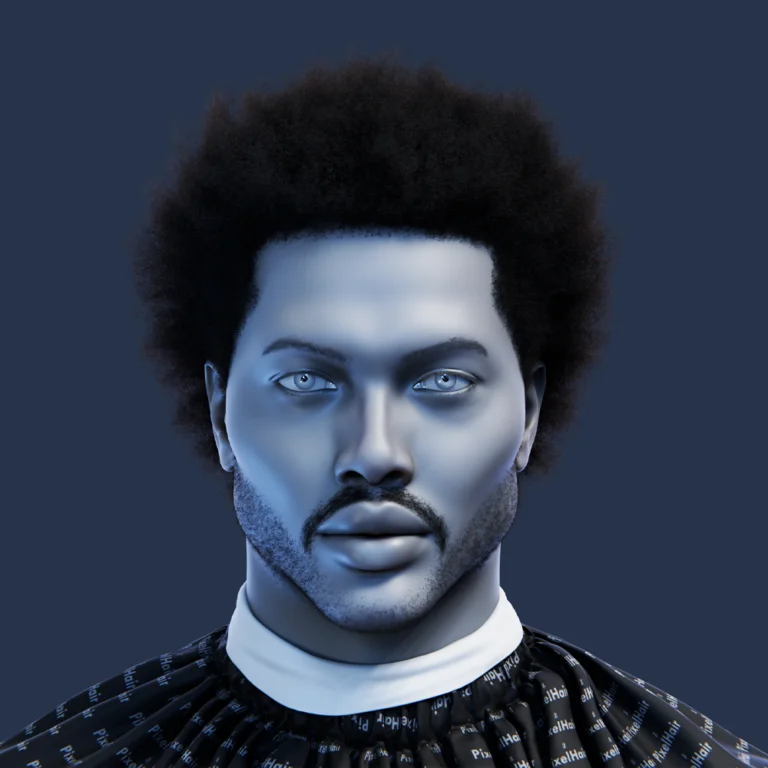
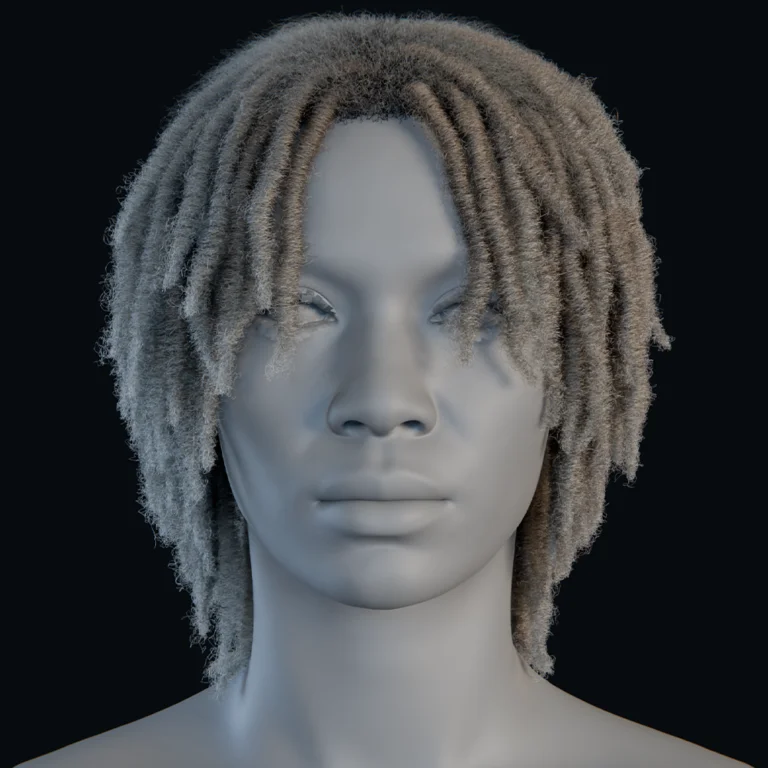
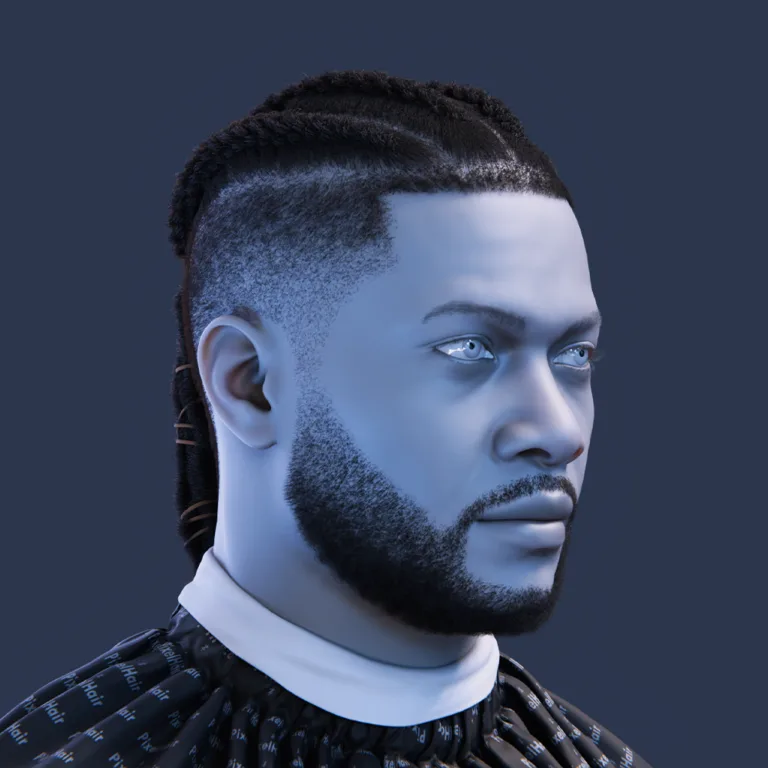
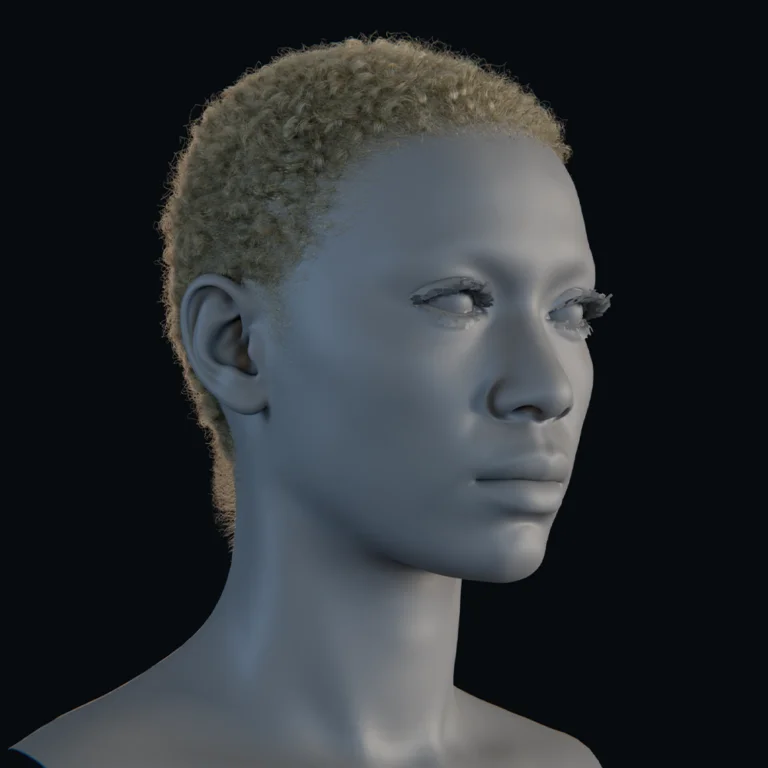
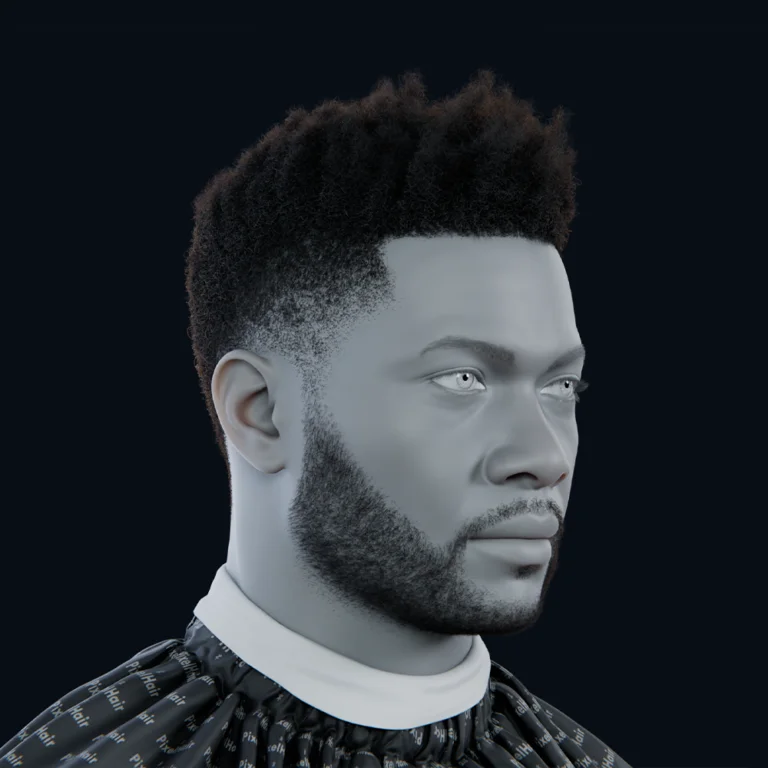
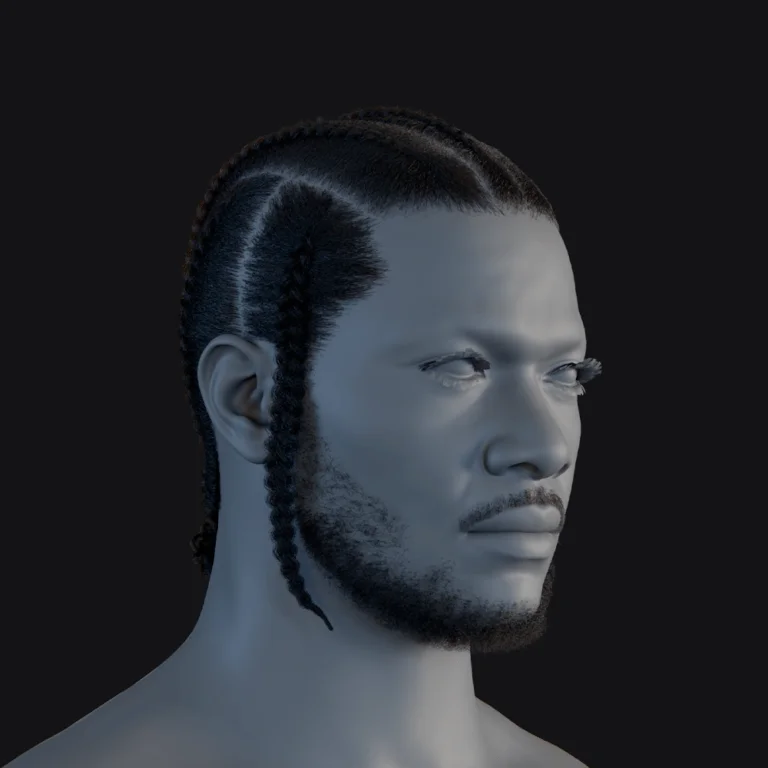
No, it focuses on internal anatomy and skin. External elements like hair require separate tools such as Houdini’s hair systems or assets like PixelHair.

Conclusion
AdonisFX 2.0 is a versatile, film-quality tool that bridges the gap between Maya and Houdini. Its focus on performance, real-time feedback, and advanced physical features like anisotropy makes it a powerful successor to previous industry standards. With accessible pricing and robust cross-platform functionality, it is the primary solution for digital anatomy simulation in modern VFX and animation pipelines..
Sources and citation
- Inbibo (Official) – “AdonisFX 2.0: Press Release”, March 4, 2026.
- 80 Level – “AdonisFX 2.0 Brings Full Support For Houdini”, Amber Rutherford, March 10, 2026.
- CG Channel – “Is AdonisFX 2.0 the new Ziva VFX?”, Jim Thacker, March 4, 2026.
- AdonisFX Documentation – “Release Notes”, Version 2.0.0, March 4, 2026.
- Reddit r/VFX – “AdonisFX 2.0 is out”, March 2026.
Recommended
- How to Turn a 2D Concept into a 3D Character: Start-to-Finish Workflow Using Blender and ZBrush
- How do I align the camera to a specific axis in Blender?
- Metahuman Animator: How to Animate Realistic Characters in Unreal Engine 5
- How Do I Create a Cinematic Camera Shot in Blender?
- Nacon Postpones Game Showcase After Filing for Insolvency: Nacon Connect 2026 Delayed to May
- TexturingXYZ’s SKAP Now Available: Generate 16K Skin Displacement, Cavity, and Advanced Maps From Your Input
- How to Fix Blender Unsupported Graphics Card or Driver Error: A Step-by-Step Guide
- Castlevania: Belmont’s Curse is a New Castlevania Game Coming in 2026 — Release Date, Trailer, Platforms, Story & Gameplay
- Sony May Be Drastically Shifting Its PC Strategy – Report: What It Means for PlayStation PC Ports
- How to Make Stylized Anime Hair Naturally in Blender