








What is a VFX rig in Maya and when you need one
A VFX rig is a specialized setup designed to handle physically accurate motion or procedural behaviors that are too complex to animate by hand. Unlike a standard animation rig, a VFX rig prioritizing visual fidelity over real-time performance, often featuring high-resolution geometry and multiple layers of simulation.
You need a VFX rig when:
- Realism is paramount: A character’s cape needs to ripple in the wind or a creature’s muscles need to bulge and jiggle.
- Manual animation is tedious: Animating individual links of a swinging chain or the thousands of splinters in a collapsing building is impractical.
- Procedural behavior is required: You need a crowd to move across uneven terrain or hair to react naturally to a character’s sudden movements.

Creating high-quality VFX rigs for Maya checklist
To ensure a VFX rig is production-ready and stable, follow this comprehensive checklist:
- Proper model preparation: Start with clean, well-topologized geometry. Freeze transformations, center pivots, and ensure the model is built to a real-world scale, as Maya’s physics solvers are scale-dependent.
- Clear naming conventions and organization: Use suffixes (e.g.,
_CTLfor controls,_GEOfor geometry) and prefixes (e.g.,L_orR_) to keep the Outliner organized and easy to debug. - Animator-friendly control scheme: Use NURBS curves for visibility and lock/hide unused attributes. Include high-level “global” controls and attributes to dial simulation intensity up or down.
- Stable, layered hierarchy: Separate the Control Rig from the Deformation/Bind Skeleton. This prevents cyclic dependencies and ensures that simulations don’t fight with animator keyframes.
- Integration of dynamics: Identify which parts (cloth, hair, ropes) need physics. Ensure they are properly constrained to the animated rig so they follow the character’s primary motion.
- Performance considerations: Use proxy geometry for faster playback. Utilize Maya’s Parallel Evaluation and GPU Deformers to maintain a workable frame rate for animators.
- Rig scalability and referencing: Build the rig in a dedicated file to be referenced into animation scenes. This allows for seamless updates across a pipeline without breaking existing animation.
- Versioning and iteration: Use scripts or modular setups to reapply changes easily if the model or requirements change during production.
- Thorough testing: Stress-test the rig by rotating controls to extremes and running simulations to check for geometry “popping” or flipping.
Designing animator-friendly rig controls in Maya
The quality of a rig is often judged by its usability. Animators should focus on performance, not technical troubleshooting.
- Shape and Color Coding: Use distinct NURBS shapes (circles for joints, boxes for IK feet). Use Blue for left, Red for right, and Yellow for center controls to provide instant visual feedback.
- Clean Channel Box: Only expose necessary attributes. Use custom attributes for complex tasks, such as an “IK/FK Switch” or a “Finger Curl” slider.
- Predictable Orientation: Ensure rotation axes are intuitive—if an animator rotates a foot control on the Z-axis, it should perform the expected “foot roll” motion.
Building stable control hierarchies for dynamic simulations in Maya
Stability in a VFX rig comes from modularity and isolation. A feedback loop (where a control affects itself) will cause a rig to “explode” or crash Maya.
- Local Reference Frames: For a dynamic ponytail, parent the base follicle to the head control. This ensures the simulation only calculates the ponytail’s motion relative to the head, rather than its absolute position in the world, preventing jitter.
- Buffer Groups: Use null groups as buffers for constraints and space-switching. This prevents “snapping” or “jumping” when switching a prop’s parent from a character’s hand to the world.
- Node-based Logic: Favor native Maya constraints and nodes over complex expressions, as nodes evaluate more efficiently with the Evaluation Manager.
Maya nCloth rig setup for cloth-ready assets
nCloth is used for everything from superhero capes to heavy leather coats.
- Geometry: Use a single-sided, high-resolution mesh with no thickness (thickness is added during the rendering stage).
- Constraints: Use nConstraints (Point to Surface) to “pin” cloth to the character, such as a waistband to a pelvis joint.
- Input Attract: Use this feature to make the cloth generally follow an animated “target” shape while letting the physics handle the secondary ripples.
- Passive Colliders: Convert the character’s body into an nRigid object so the cloth does not pass through the limbs.
Maya nHair dynamic curves rig workflow
nHair is a dynamic curve system useful for hair, ropes, and cables.
Hybrid Control: Many VFX rigs feature a “blend” attribute, allowing the user to switch between a fully simulated ponytail and one manually posed by the animator.
Dynamic Guides: Convert standard NURBS curves into dynamic ones. Follicles attach the root of the curve to the scalp or surface.
Driving Geometry: Use the simulated curve to drive the geometry via a Wire Deformer or by creating a Joint Chain that follows the curve using an IK Spline handle.

Frequently Asked Question (FAQs)
- What is the difference between an animation rig and a VFX rig in Maya?
An animation rig provides the essential controls for a character’s articulation and movement. A VFX rig is a more complex superset that includes secondary systems like muscle deformers, cloth/hair simulations, and physics setups. VFX rigs prioritize high-fidelity deformation over real-time performance, often utilizing multiple specialized setups (eID, close-up vs. wide) for film production. - Should I reference my rig or import it when animating in Maya?
You should reference your rig. This creates a live link to the original file, allowing updates to propagate across all animation scenes while keeping file sizes small and preventing naming conflicts. Importing is discouraged as it breaks this link, making global fixes or updates nearly impossible. - When should I use nCloth simulation versus manual rigging for cloth?
Use nCloth for realistic, physics-driven motion involving flowing garments like dresses or capes. Simulation captures complex secondary motions (folds, wrinkles, and lag) that are difficult to keyframe. Manual rigging (joint chains) is reserved for simple, tight fabrics or cases where real-time performance is required, such as in game engines. - How do I make a curve dynamic in Maya for things like ropes or hair?
Utilize nHair by selecting a NURBS curve and choosing nHair → Make Selected Curves Dynamic. This attaches a follicle and a hair system to the curve, allowing it to react to forces via the Nucleus solver. You can then drive geometry using a wire deformer or an IK Spline handle attached to the dynamic joints. - How can I make hair or cloth collide with my character in Maya?
Both the character and the dynamic elements must share the same Nucleus solver. Select the character mesh and apply nCloth → Create Passive Collider. Once designated as a passive collider, the hair or cloth will automatically react to the character’s geometry, preventing mesh penetration. - What are Bifrost rigging modules, and are they ready for use in production?
These are procedural, node-based components used to construct rigs within the Bifrost Graph. While stable and production-ready for modular tasks and rapid iteration, they feature a steep learning curve. They currently complement rather than replace traditional rigging methods for most artists. - What is PixelHair and can it be used for Maya hair rigging?
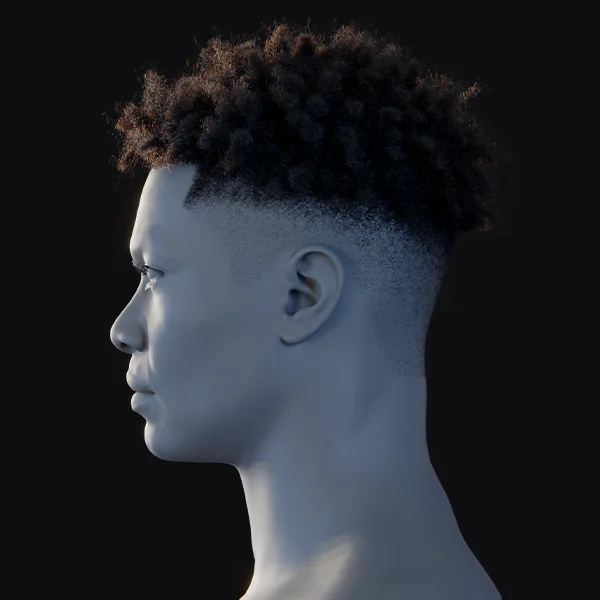
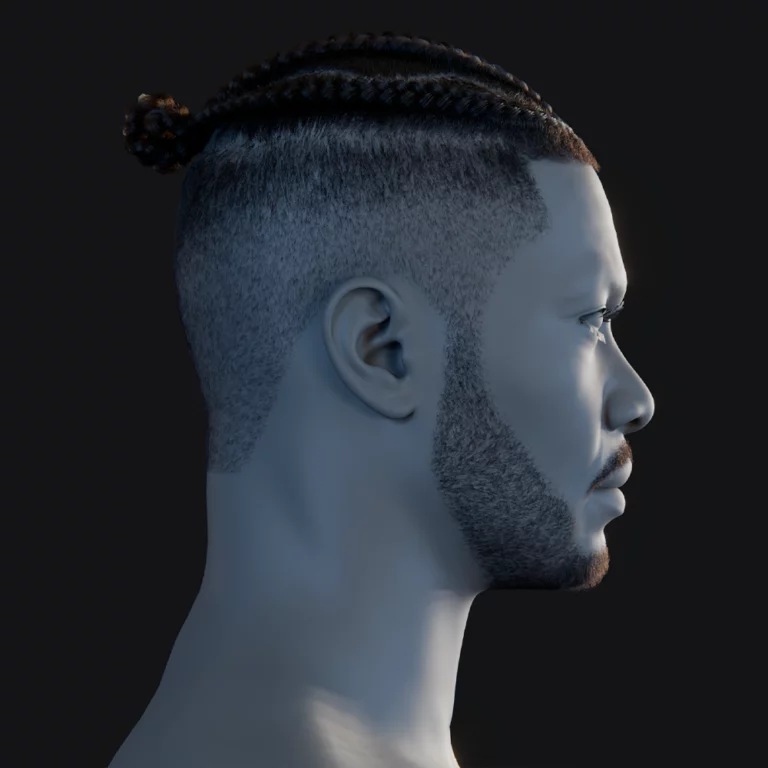
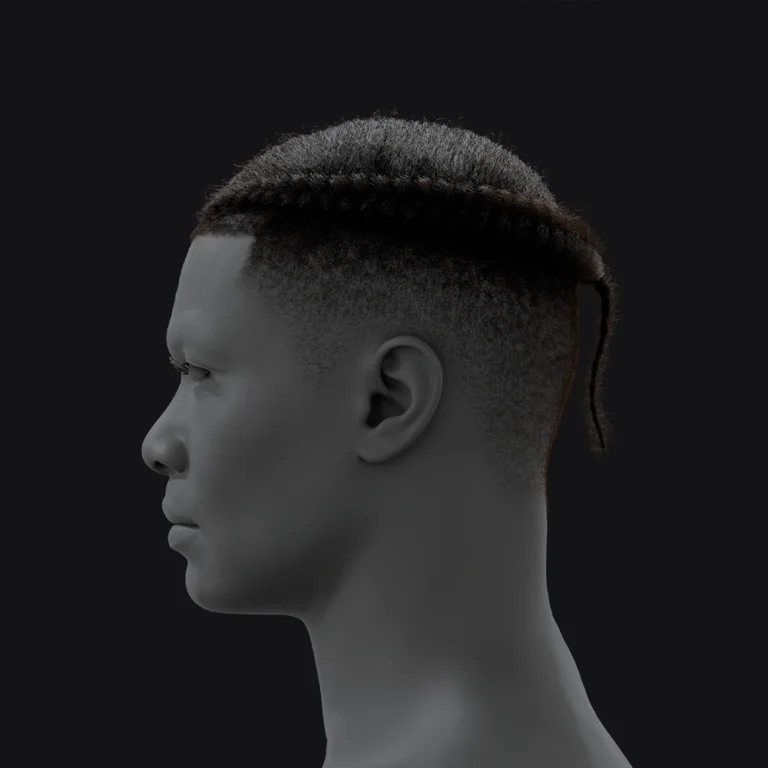
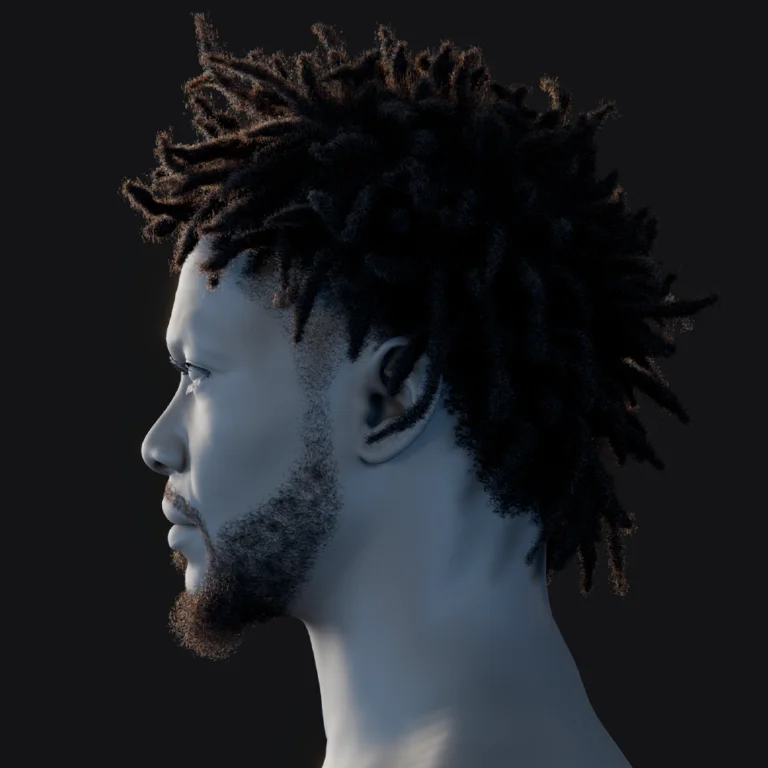
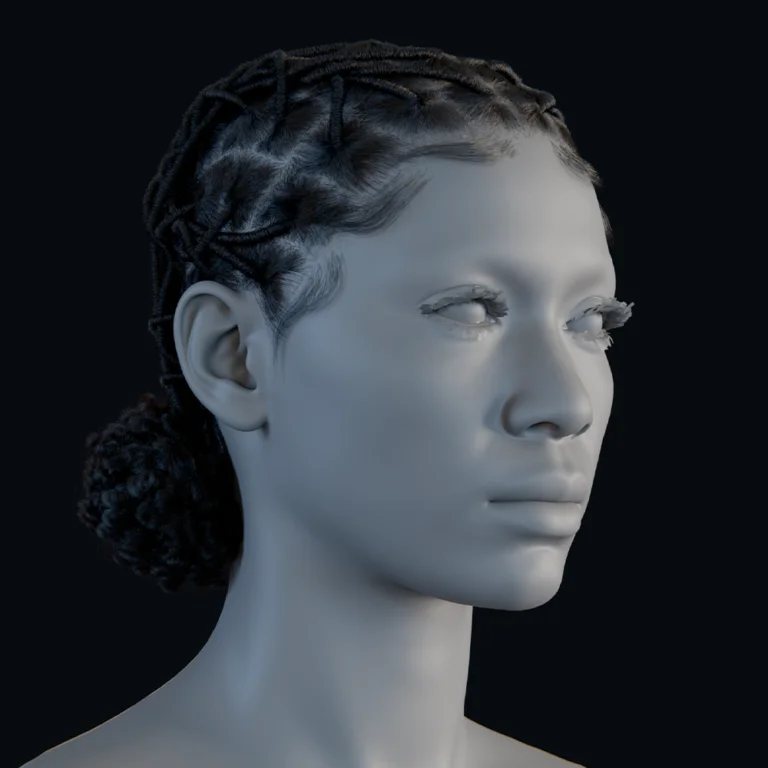
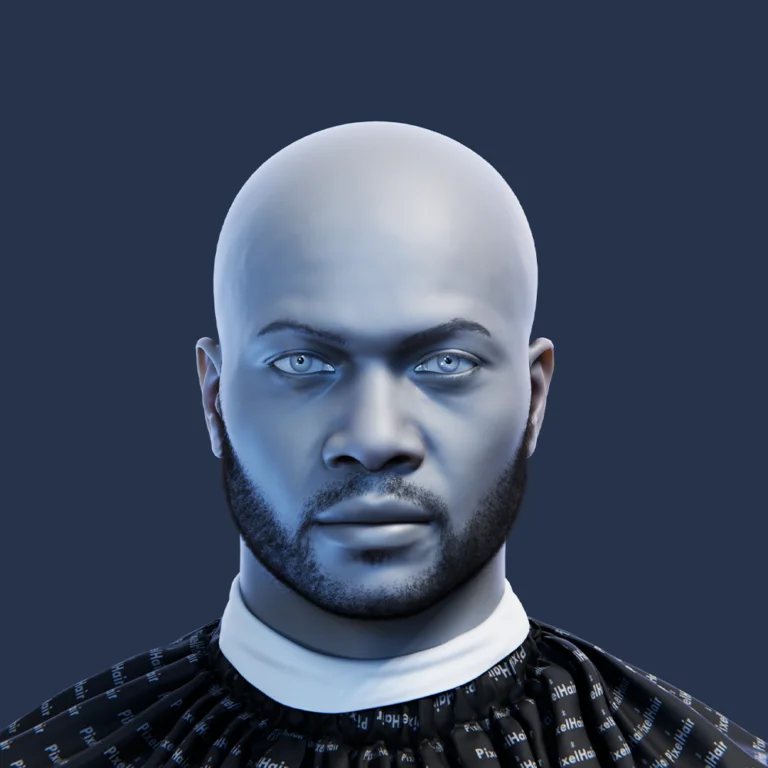
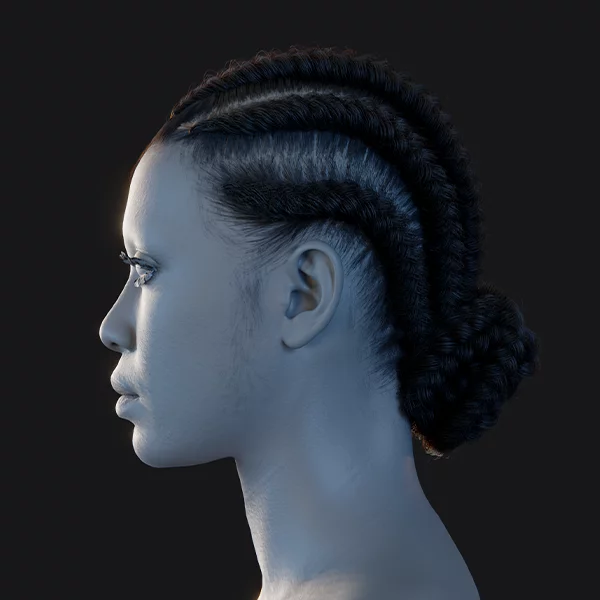
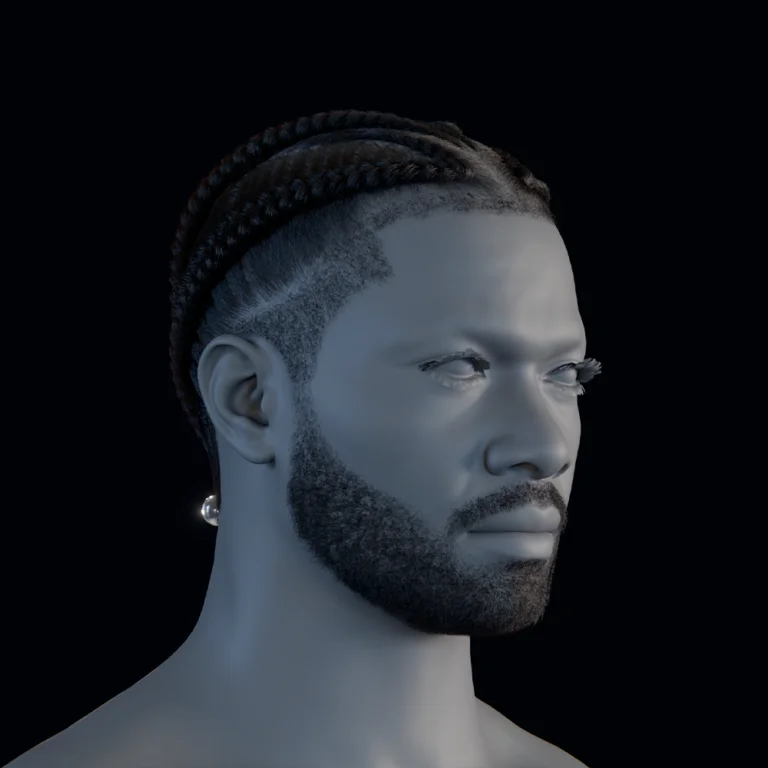
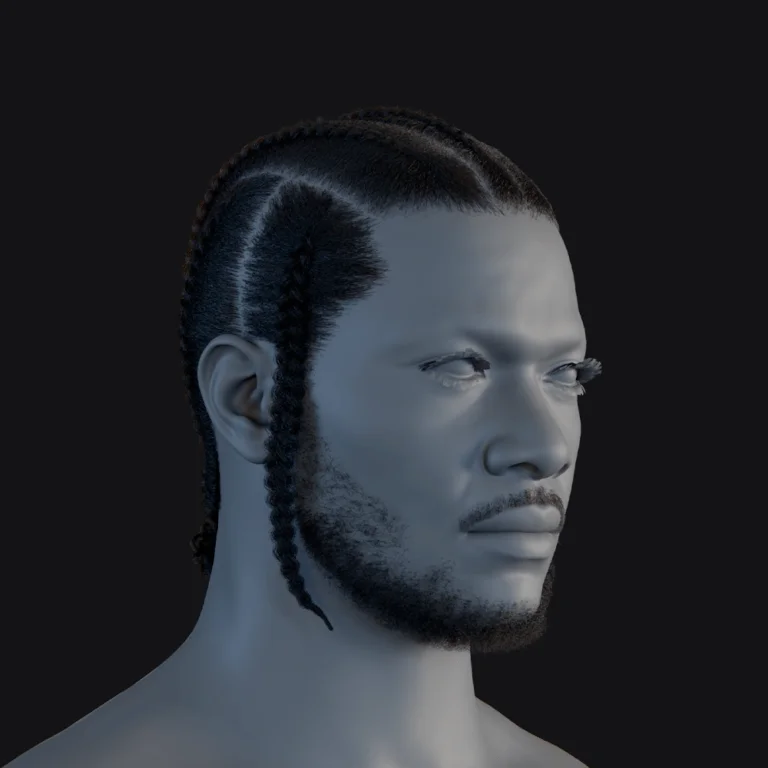
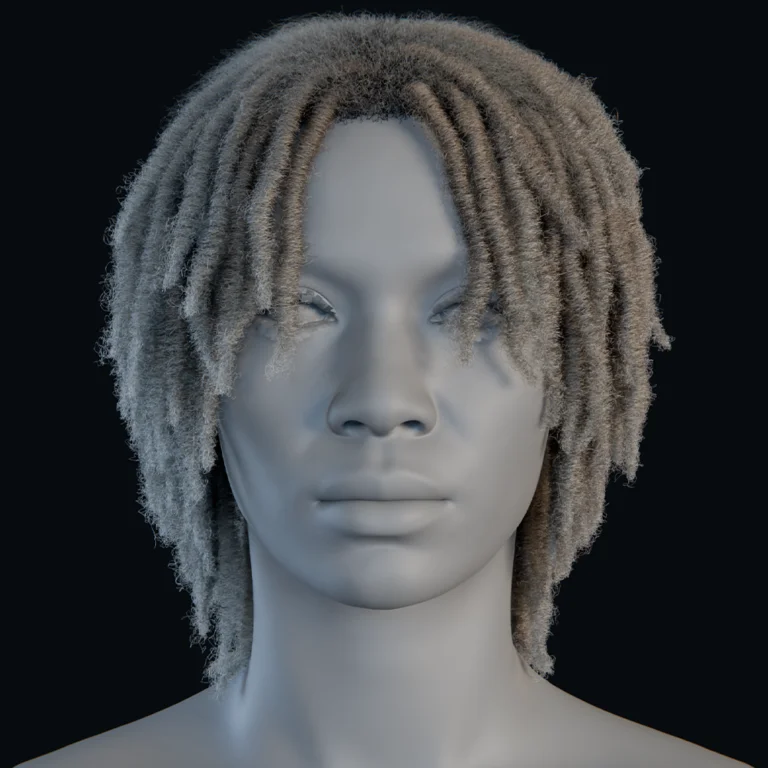
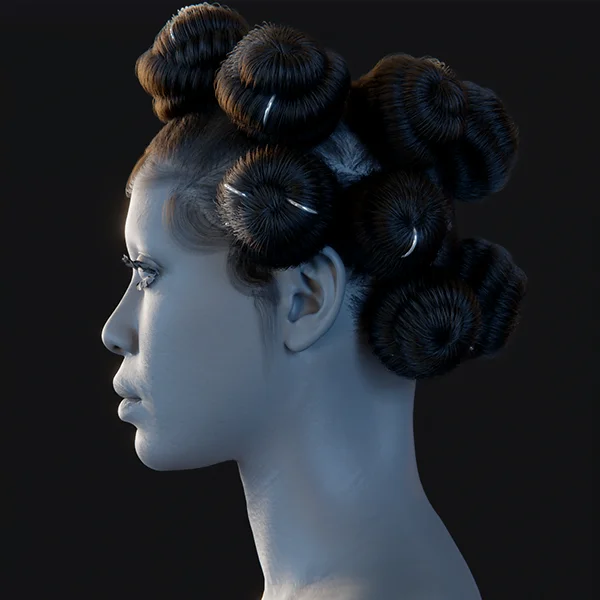
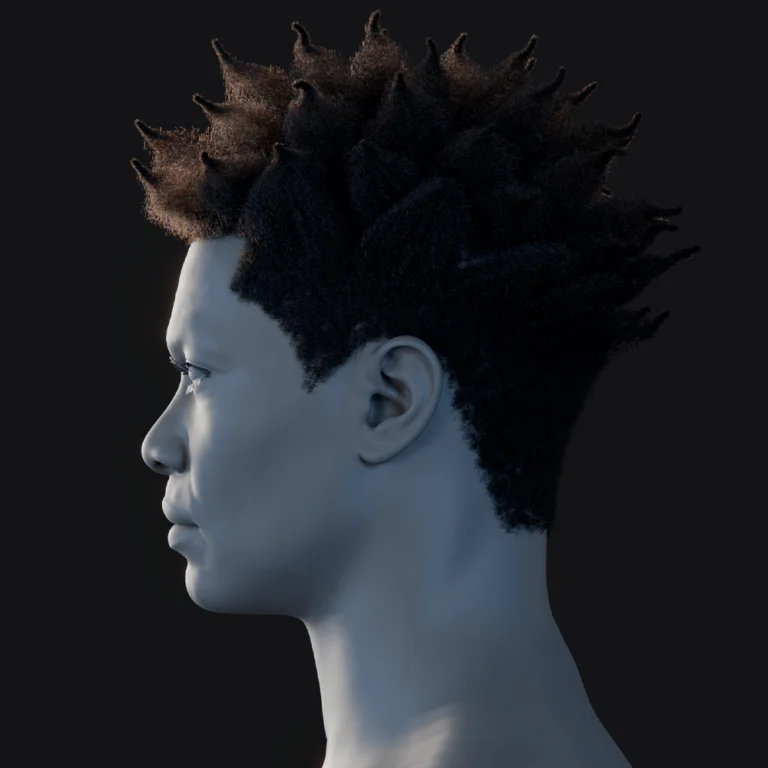
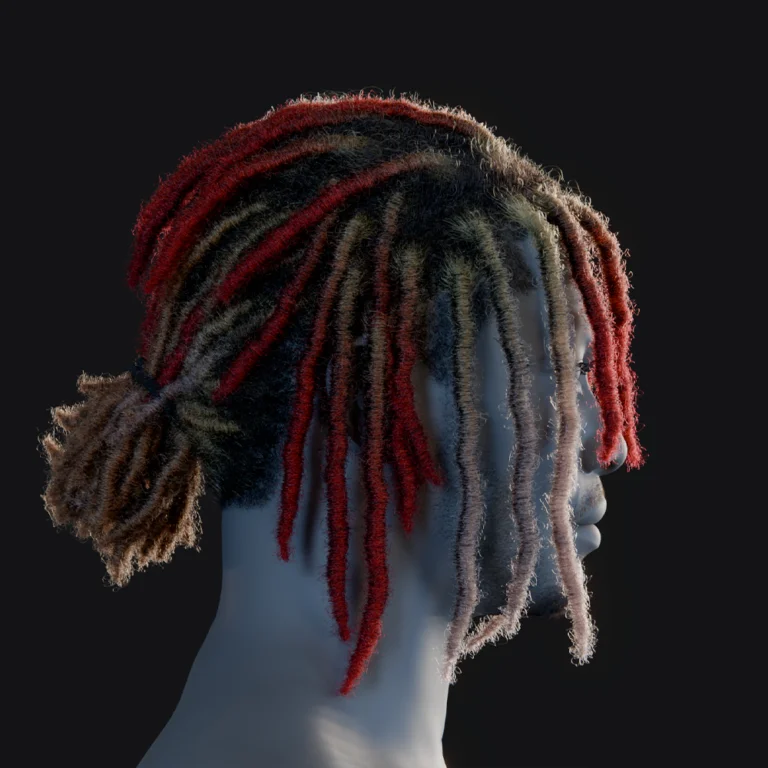
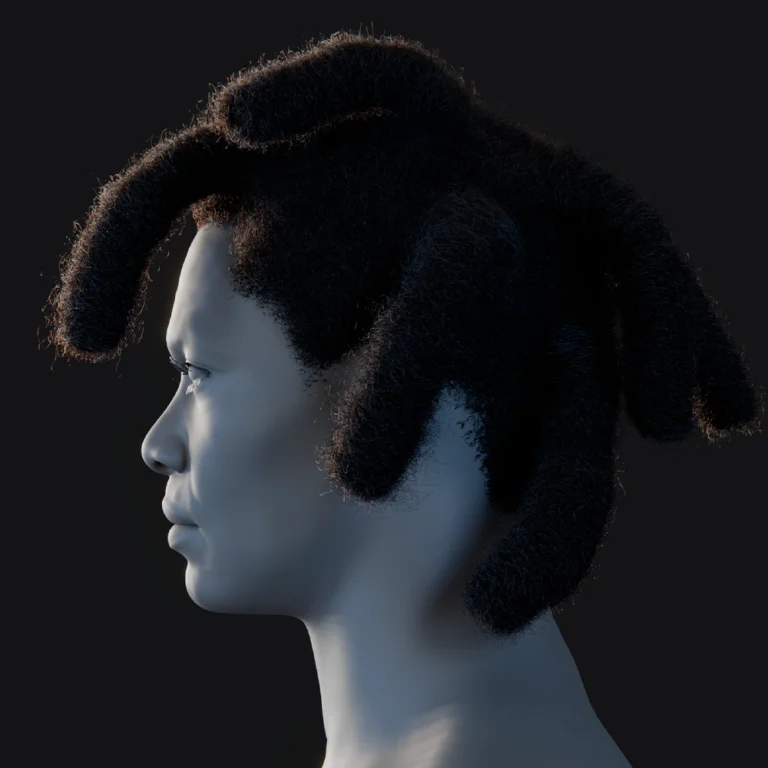
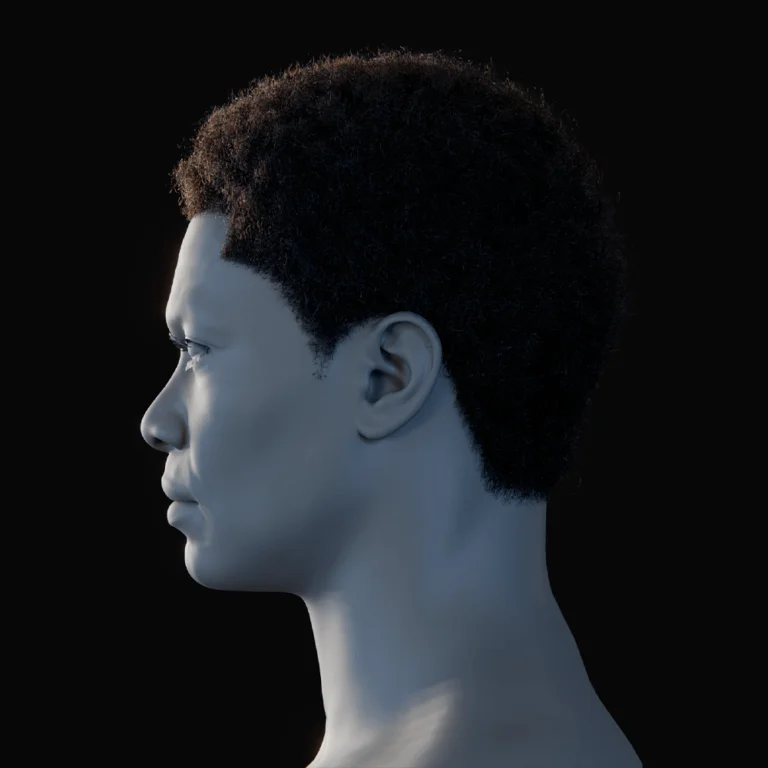
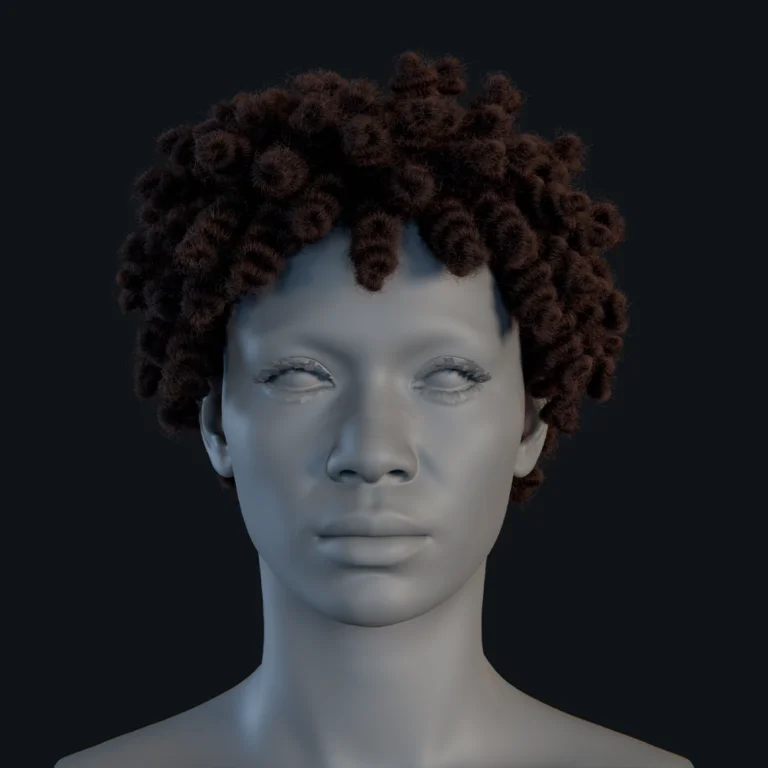
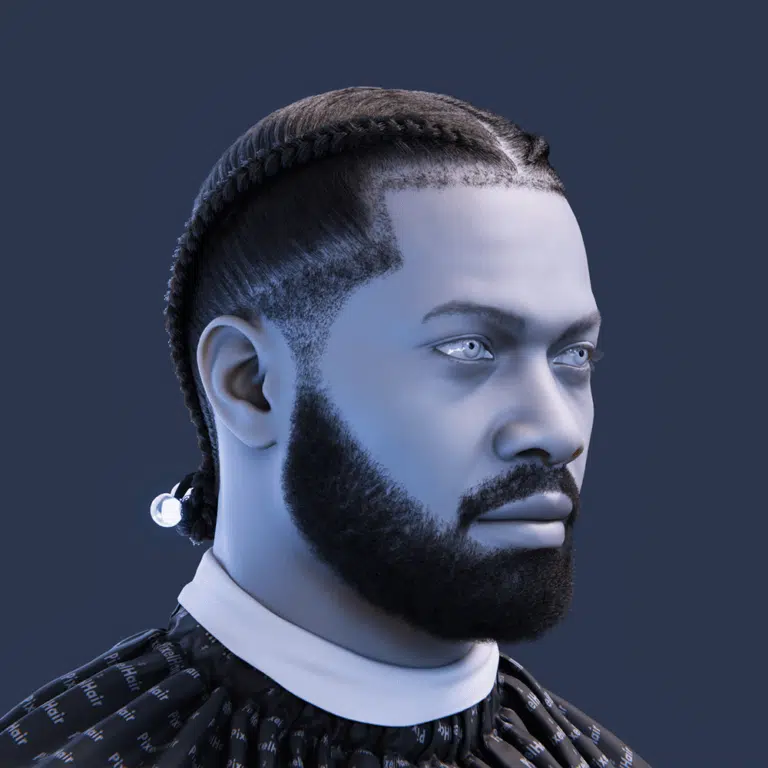
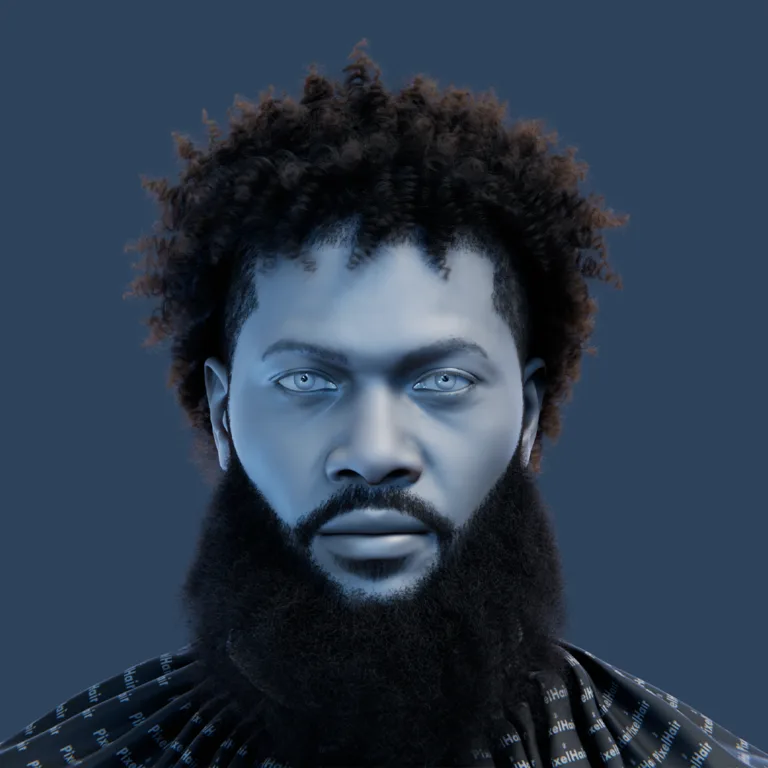
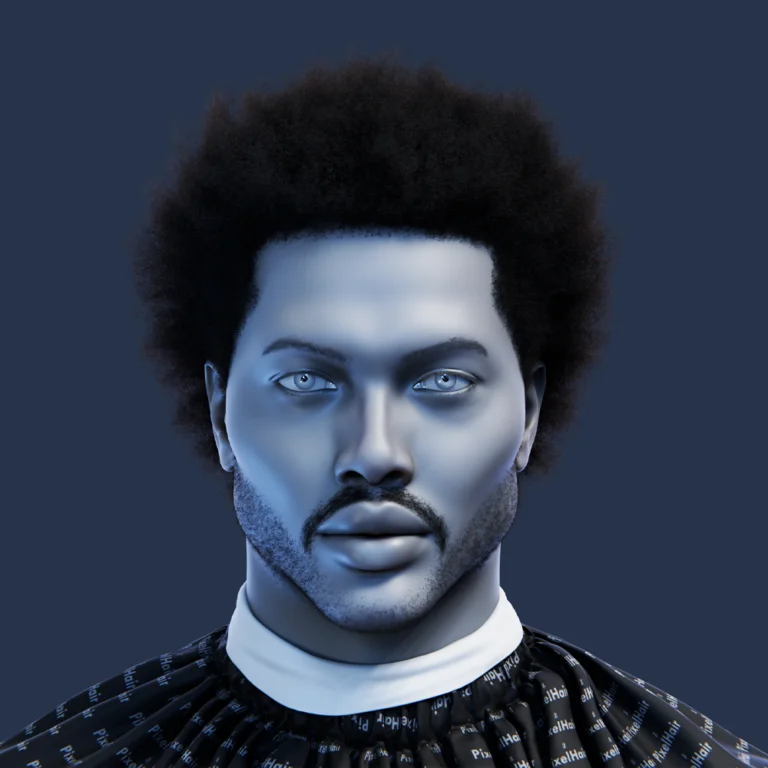
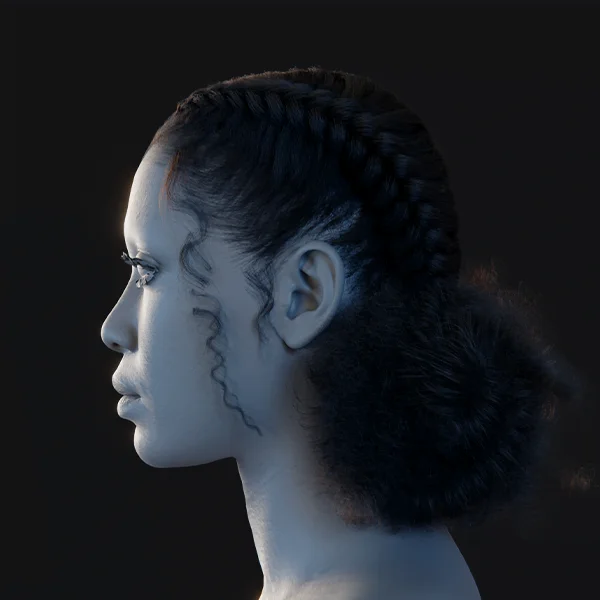
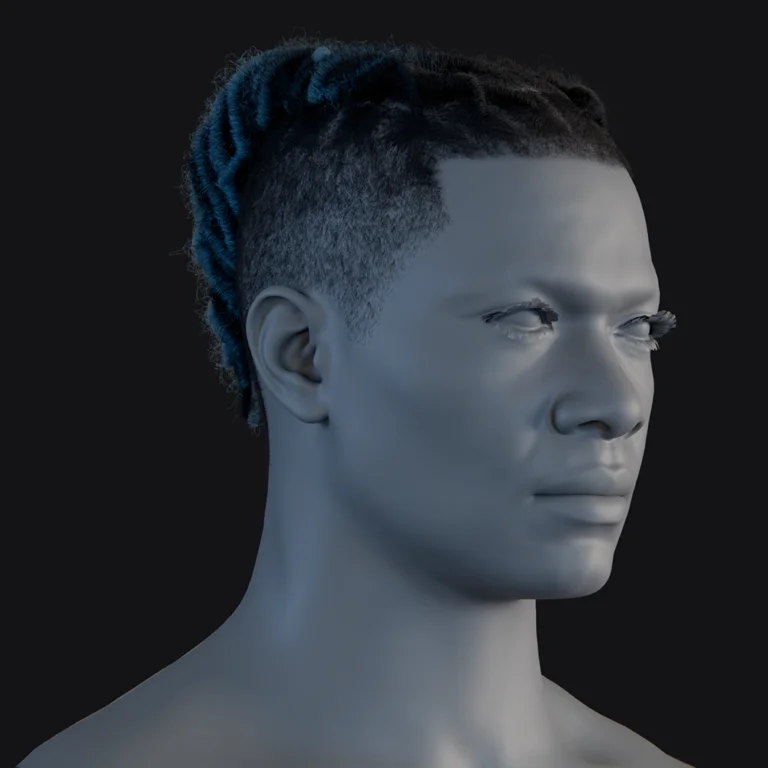
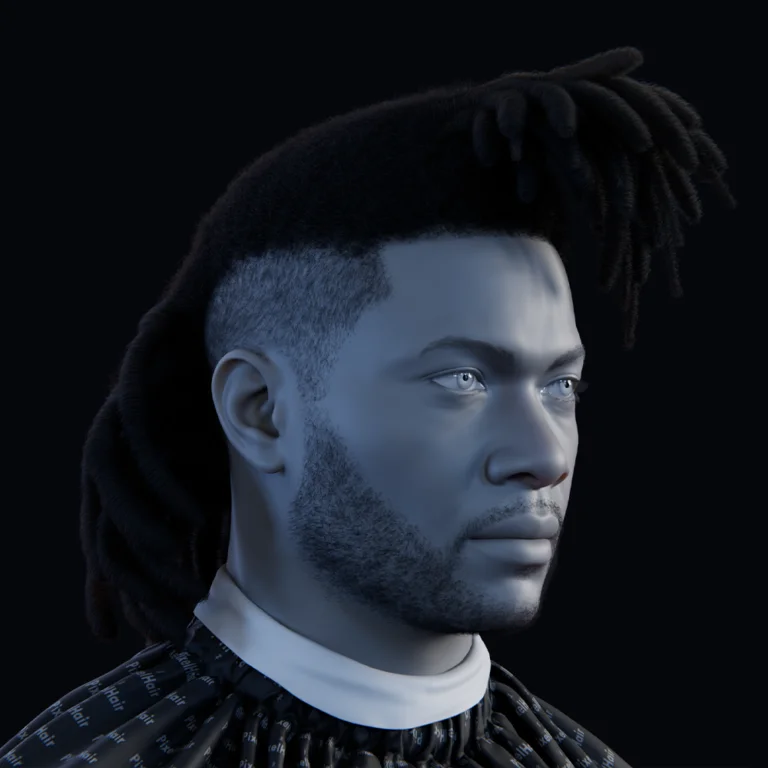
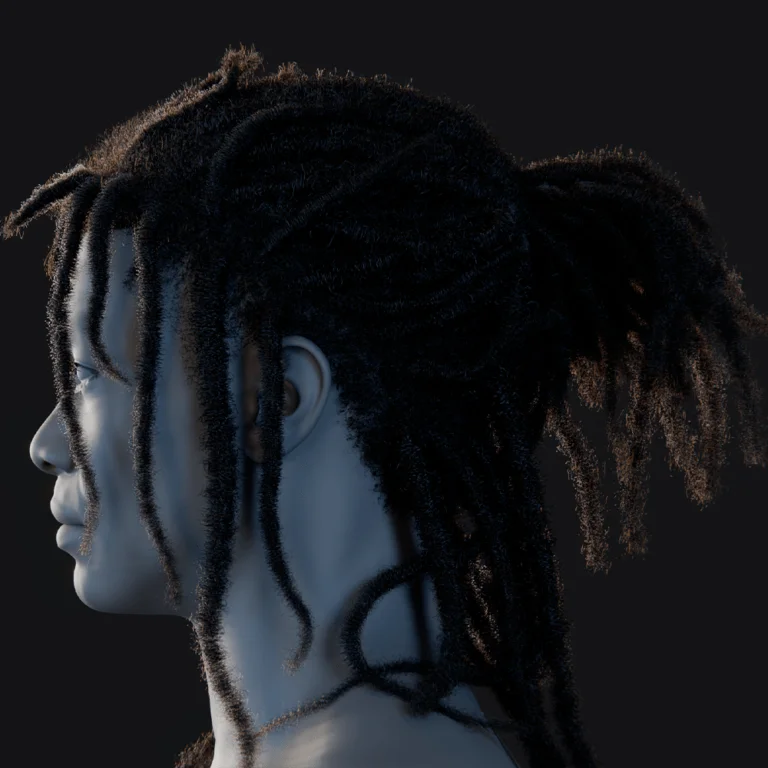
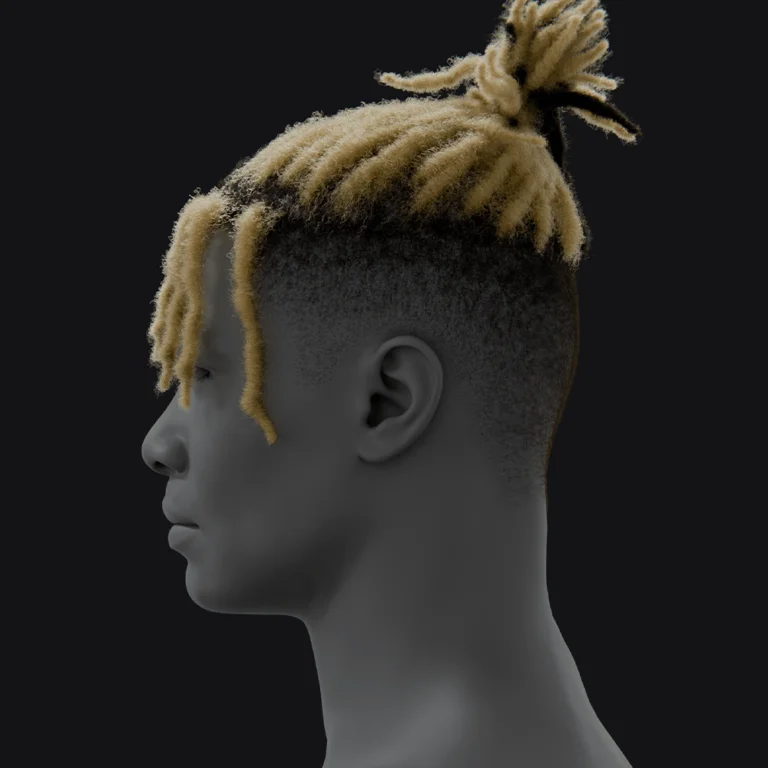
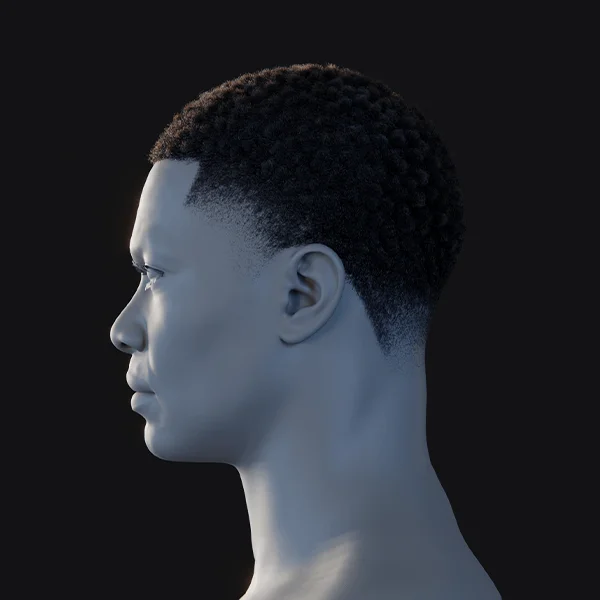
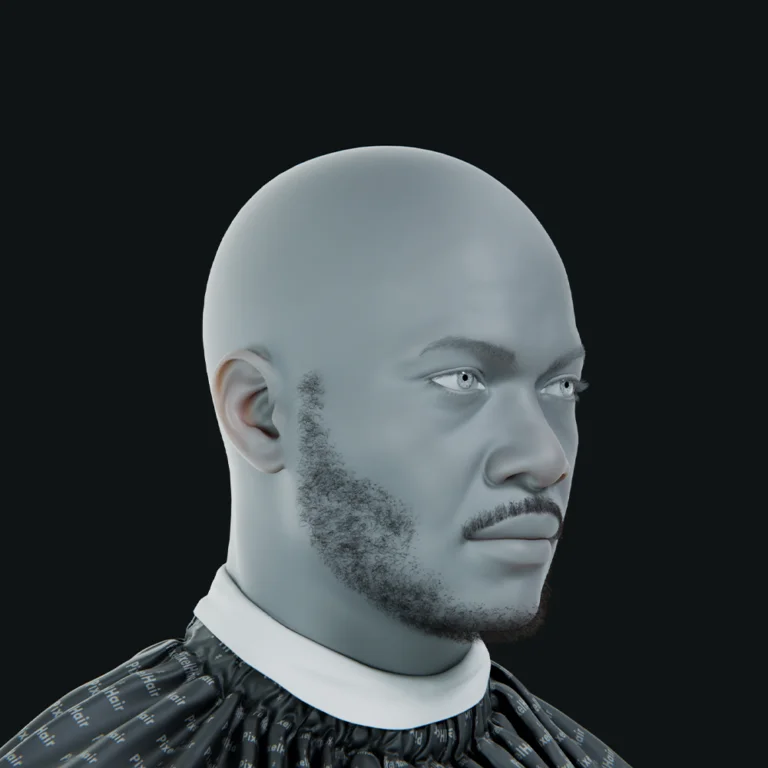
PixelHair is a library of professional 3D hair grooms. While optimized for Blender and Unreal Engine, the assets (curves or geometry) can be imported into Maya to serve as XGen guides or nHair simulation bases. It streamlines the workflow by providing a high-quality starting point for nearly 200 hairstyles. - What is The View Keeper add-on and is it useful for Maya projects?
The View Keeper is a productivity add-on specifically for Blender. It does not integrate into Maya. Maya users achieve similar multi-camera and render setting management using the native Camera Sequencer and bookmarks. - How can I improve the performance of a heavy Maya rig?
Technical: Enable Parallel Evaluation and GPU acceleration in Preferences.- Optimization: Use the Profiler to identify slow deformers; replace expressions with utility nodes.
- Workflow: Use proxy (low-res) geometry for animation, toggle off heavy simulations (muscles/jiggle) during posing, and utilize Cached Playback.
- Caching: Bake secondary motions to Alembic once the primary animation is finalized.
- What’s the best way to export my Maya animation to other software or a game engine?
VFX/Transfer: Use Alembic (.abc) to bake vertex animation for high-fidelity transfers to Houdini or Nuke.- Game Engines: Use FBX to carry skeletons, skin weights, and baked joint transforms.
- General: Always bake animation keys upon export and ensure unit consistency (Maya defaults to centimeters).
In a nutshell: use Alembic for baked geometry/vertex animation (it’s software-agnostic and high-fidelity), and FBX for skeletal animations or if you need to preserve the rig structure (commonly for games). Both formats are widely supported. For example, you might animate a complex destruction in Maya and export as Alembic to Houdini for additional FX – Alembic will ensure the motion is exactly as in Maya. Or animate a character and export FBX to Unity – the FBX will contain the bones and animations that Unity can play on the character model. Choose the format that suits the target workflow’s needs.

Conclusion
Creating high-quality VFX rigs in Maya requires a blend of artistic foresight and technical rigor. We began by understanding that a VFX rig is not just a collection of controls, but rather a comprehensive setup that often incorporates simulations, advanced deformations, and pipeline considerations to meet the demands of photorealistic, physically-plausible animation. From there, we built a checklist emphasizing proper planning: clean models, consistent naming, animator-friendly design, stable hierarchies, and performance tuning – all foundational aspects that set the stage for success in later stages of production.
We delved into the specifics of animator-friendly controls, highlighting how intuitive control schemes and thoughtful UX in rig design empower animators to do their best work. A well-designed control interface – with clear shapes, colors, and purposeful attributes – can make even a complex rig feel approachable. Likewise, constructing rigs with stable, modular hierarchies and separating dynamic elements ensures that adding physics (like cloth or hair) doesn’t turn the rig into a wobbly mess of dependencies. By keeping simulation components isolated and avoiding cyclic dependencies, we get predictable, robust rigs that evaluate correctly.
The article also explored hands-on techniques for two of the most common VFX challenges: cloth and hair. Using Maya’s nCloth for garments and nHair for dynamic curves, we can achieve secondary motion that brings characters to life – capes that flutter and sway, hair that bounces and settles – all the little nuances that sell an effect. We provided step-by-step insights into making curves dynamic and setting up collisions, demystifying the process of integrating these simulations into a rig. The key is careful setup (same solver, proper constraints) and knowing when to hand over to physics what keyframes alone can’t convincingly do.
We also looked toward the future (and present) of rigging with Bifrost’s procedural rigging modules. While still an evolving technology, it represents a shift to more programmatic and reusable rig creation. Embracing such tools can eventually lead to faster rig development and the ability to tweak rigs on the fly – a potential game-changer for complex productions with iterative workflows. Similarly, combining procedural tools like MASH with Bifrost showcased how technical creativity can rig even unconventional effects like zippers or cascading chains in an efficient, controllable way, marrying motion graphics techniques with rigging.
No rig exists in isolation, and thus we covered the crucial steps of publishing rigs in a pipeline. Proper referencing and namespace practices ensure that once that high-quality rig is built, it can be deployed to the team seamlessly. This pipeline integration – including version control, updates, and caching – often makes the difference between a rig that’s theoretically great and one that actually performs on the production floor. When every animator can pull the latest rig with a click, and lighters can get an Alembic cache that just works, you’ve achieved a pipeline-friendly asset.
Performance was a recurring theme throughout, culminating in dedicated tips for debugging and speeding up heavy rigs. We saw that modern Maya offers many avenues for optimization – from parallel evaluation to GPU deformers – and that with careful planning (and sometimes sacrifice of needless complexity), even very detailed rigs can be made to run interactively. A fast rig not only saves time but also encourages animators to push the envelope, since they’re not fighting the software.
In conclusion, building a top-tier VFX rig in Maya is a multidisciplinary effort. It calls for technical knowledge (understanding nodes, solvers, evaluation), artistic insight (anticipating how a character or object should move and deform to look believable), and pipeline savvy (knowing how this rig will be used and by whom, and optimizing accordingly). By applying the techniques and best practices we’ve discussed – from smart control design and dynamic simulations to procedural tools and caching workflows – you can create rigs that are production-proven: they deliver the needed realism, hold up under animators’ demands, and integrate smoothly into the larger VFX process.
High-quality VFX rigs are the ones that invisibly support the magic on screen – when done right, the audience doesn’t see the rig at all, just a compelling performance. Achieving that invisibility and reliability is the rigger’s art. With Maya’s ever-expanding toolkit and a solid foundation of rigging principles, the possibilities for bringing digital characters and effects to life are virtually limitless. Armed with the knowledge shared here, you can approach rigging challenges methodically, troubleshoot issues systematically, and continually refine your work so that each rig is better, faster, and more robust than the last. Happy rigging!
Sources
- Bennett, Cass (2014)
The Differences Between Games, Film and FX Character Rigging
https://www.cassbennett.com/blog/2014/09/rigging-for-games-vs-film-vfx/ - Autodesk Maya Documentation – Bifrost Rigging Command
https://help.autodesk.com/view/MAYAUL/2025/ENU/?guid=Bifrost_rigging_command_html - Rutherford, Amber (80.lv, Oct 2024)
Autodesk Launched Bifrost for Maya 2.11
https://80.lv/articles/autodesk-launched-bifrost-for-maya-2-11/ - Autodesk Knowledge Network – Maya nHair Overview
https://download.autodesk.com/global/docs/maya2013/en_US/files/GUID-6C6E9C4C-7E5D-4A0D-9E7F-0D2B2A4D4F2E.htm - Figgins, Kiel – 3dfiggins.com
Maya nCloth for Animators – Cloth Simulations
https://www.3dfiggins.com/writeups/ncloth/ - Tech-Artists.org Forum (July 2025)
Best Practices for Setting Up a Scalable Rigging Pipeline
https://www.tech-artists.org/t/best-practices-for-setting-up-a-scalable-rigging-pipeline/16789 - Dyer, Will (Nov 2024, The Rookies Blog)
Rigging Characters for a Short VFX Film
https://discover.therookies.co/2024/11/rigging-characters-for-a-short-vfx-film/ - Reddit – r/Maya (2019)
Animation on a referenced rig… to game engine
https://www.reddit.com/r/Maya/comments/bc3n6n/animation_on_a_referenced_rig_to_game_engine/ - Reinhart, Jonah (Jan 2021)
GPU-ify Your Rig
https://www.jonah-reinhart.com/single-post/2021/01/10/gpu-ify-your-rig - Stack Overflow (2017)
Maya file format to improve playback speed
https://stackoverflow.com/questions/41759568/maya-file-format-to-improve-playback-speed - AnimSchool Blog (May 2025)
Creating Rig Controllers in Maya
https://blog.animschool.edu/creating-rig-controllers-in-maya/ - Lesterbanks (Nov 2023)
How to Create a Working Zipper Rig with Bifrost and MASH
https://lesterbanks.com/2023/11/how-to-create-a-working-zipper-rig-with-bifrost-and-mash/
Recommended
- How Do I Create a Cinematic Camera Shot in Blender?
- Blender Add-ons for Animators: Why The View Keeper Stands Out
- Sony May Be Drastically Shifting Its PC Strategy – Report: What It Means for PlayStation PC Ports
- Conversational AI in Unreal Engine: Integrate (MetaHuman, ReadyPl AayerMe, Convai etc) for Real-Time Interactive Characters
- Kena: Scars of Kosmora Revealed as Bridge of Spirits Sequel With First Gameplay Trailer — Release Window, Story, and Gameplay Details
- What Is a Foley Artist? A Complete Guide to the Art of Sound Design
- How to Create an AAA Cinematic Short Film in Unreal Engine 5 Using Move AI and Metahuman Animator
- DualSense Touchpad Support in UE5: Setup, Input Mapping, and Troubleshooting Guide
- Pokémon Pokopia Update Coming: New Bug Fixes, Progression Issues, and Patch Details
- BAFTA Film Awards 2026 Predictions: Marty Supreme, Timothée Chalamet, Leonardo DiCaprio, Sinners, Frankenstein and Hamnet