









The sequel to the roguelite shooter is aiming to be everything that fans loved about the original, but amplified. One Of Steam’s Breakout Roguelites Is Getting a Sequel.
The roguelite FPS space on Steam has continued to grow rapidly, and few announcements have generated as much attention as the upcoming expansion of one of its breakout hits. The sequel, commonly referred to as Deadzone: Rogue 2, represents a significant evolution of the original formula built around faster pacing, deeper progression systems, expanded weapon variety, and more dynamic enemy encounters.
As the genre continues to evolve in 2026, this sequel positions itself not just as a continuation, but as a refinement of everything that made the original successful. The core idea is simple: take the intensity, replayability, and randomness of the first game and amplify every system while preserving the tight gunplay that defined its identity.
In This Article (19 sections)
One of Steam’s Breakout Roguelites is Getting a Sequel: Official Announcement Details
The announcement of Deadzone: Rogue 2 emerged through a combination of developer communication and early community previews, signaling that the sequel is designed with long-term engagement in mind. Rather than reinventing the franchise entirely, the developers are focused on expanding the foundation that helped the original become a breakout success on Steam.
The original game gained traction due to its fast-paced FPS mechanics blended with roguelite structure each run offering randomized upgrades, escalating difficulty, and high replay value. The sequel’s announcement emphasizes continuity, but with significantly expanded systems.
Key highlights from early information include:
- A larger pool of procedural environments
- More complex run-based progression loops
- Expanded enemy archetypes and AI behavior
- Enhanced weapon modding systems
- Improved visual fidelity and lighting systems
The announcement also hints at a stronger narrative structure, though the roguelite format ensures gameplay remains the primary focus. The developers appear to be positioning the sequel as both a content expansion and a mechanical overhaul.

What is Deadzone: Rogue 2? Steam’s Breakout Roguelite Shooter Sequel Explained
Deadzone: Rogue 2 is a first-person roguelite shooter that builds on the core principles of its predecessor: randomized combat encounters, permadeath-based progression loops, and incremental power scaling through upgrades acquired during each run.
Unlike traditional linear FPS campaigns, the structure is built around repeated runs in which players:
- Enter dynamically generated combat zones
- Collect randomized weapons and modifiers
- Upgrade abilities mid-run
- Face escalating enemy difficulty
- Reset upon death while retaining partial meta-progression
The sequel refines this formula by increasing system complexity while maintaining accessibility. One of the key goals is to ensure that no two runs feel identical, even after dozens of hours of play.
The developers are also leaning more heavily into build diversity. Instead of simply increasing damage or health, upgrades now significantly alter gameplay behavior such as weapon recoil patterns, projectile types, elemental effects, and movement mechanics.
This makes Deadzone: Rogue 2 not just a shooter, but a system-driven experience where strategy and adaptability matter as much as reflexes.
Deadzone: Rogue 2 Release Date, Platforms, and Demo Plans for 2026
While a firm global release date has not been finalized, Deadzone: Rogue 2 is targeting a 2026 launch window based on current development timelines. The game is expected to follow a typical early-access-to-full-release pipeline, a common model for successful roguelite titles on Steam.
Planned platforms include:
- PC (Steam launch priority)
- Potential console ports following early access performance
- Steam Deck optimization support
A playable demo is also strongly anticipated ahead of release. This aligns with modern Steam marketing strategies, where demos are used to gather feedback and build wishlist momentum.
The 2026 roadmap suggests:
- Early gameplay reveals and system breakdowns
- Closed beta testing phases
- Public demo release window
- Early access launch period
- Full release after iterative balancing
This phased rollout is particularly important for roguelites, where balancing progression systems requires continuous player feedback.
How Deadzone: Rogue 2 Improves on the Original Roguelite FPS Experience
The biggest promise of Deadzone: Rogue 2 is improvement rather than reinvention. The original game succeeded because of its tight shooting mechanics and satisfying progression loop, and the sequel builds on that foundation in several ways.
Key improvements include:
- More responsive weapon handling
- Smarter enemy AI with adaptive tactics
- Greater environmental interactivity
- Expanded procedural generation variety
- Smoother difficulty scaling across runs
The gameplay loop has been refined to reduce repetition fatigue. Instead of simply increasing difficulty numbers, the sequel introduces dynamic encounter modifiers that alter how combat unfolds in real time.
For example, certain runs may include environmental hazards like shifting gravity zones, limited visibility corridors, or corrupted enemy spawns that change behavior mid-fight.
These enhancements ensure that skill expression becomes more important while still preserving the unpredictability roguelites are known for.
Expanded Progression System in Deadzone: Rogue 2 Explained
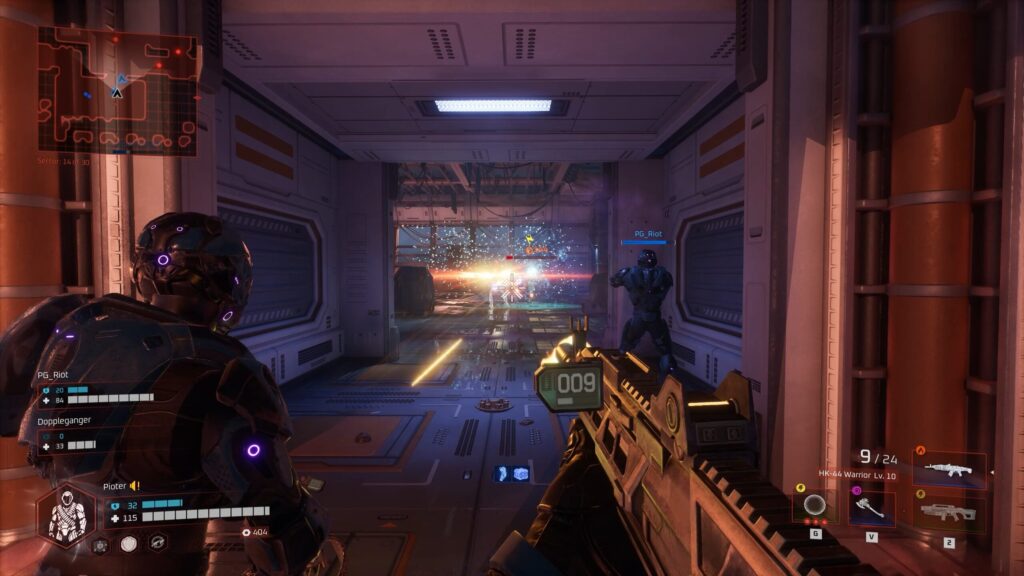
One of the most significant upgrades in the sequel is the progression system. The original game used a relatively straightforward meta-progression model, but Deadzone: Rogue 2 expands this into a multi-layered structure.
The progression system now includes:
- Persistent account-level upgrades
- Weapon mastery trees
- Ability evolution paths
- Run-specific mutations
- Faction-based progression unlocks
This layered approach allows players to specialize in different playstyles over time. Instead of simply becoming stronger, players evolve into distinct combat archetypes.
For example:
- Aggressive close-range builds focusing on mobility and shotgun mechanics
- Tactical ranged builds emphasizing precision and elemental effects
- Hybrid builds that adapt based on loot randomness
This depth increases replayability significantly and ensures long-term engagement beyond simple completion cycles.
New Weapons, Builds, and Abilities in the Roguelite Shooter Sequel
Weapon diversity is a core focus in Deadzone: Rogue 2. The sequel introduces a much larger arsenal with expanded customization options.
New weapon categories include:
- Modular energy rifles with attachable effect cores
- Adaptive melee weapons that scale with kill streaks
- Experimental projectile launchers with physics-based behavior
- Hybrid firearms combining multiple damage types
Build customization also receives a major overhaul. Players can now combine passive abilities and active skills in ways that create highly specialized loadouts.
Abilities may include:
- Temporal slow fields
- Reactive shield bursts
- Chain lightning propagation
- Dash-based combat repositioning systems
These mechanics encourage experimentation, ensuring that every run feels like a new tactical puzzle rather than a repetition of previous attempts.
Enemy and Boss Design Changes in Deadzone: Rogue 2
Enemy design is another area receiving major attention. Instead of static behavior patterns, enemies in Deadzone: Rogue 2 are designed to adapt based on player performance.
Key changes include:
- Enemies that adjust aggression levels dynamically
- Bosses with multi-phase transformation systems
- Squad-based enemy coordination tactics
- Environmental synergy attacks
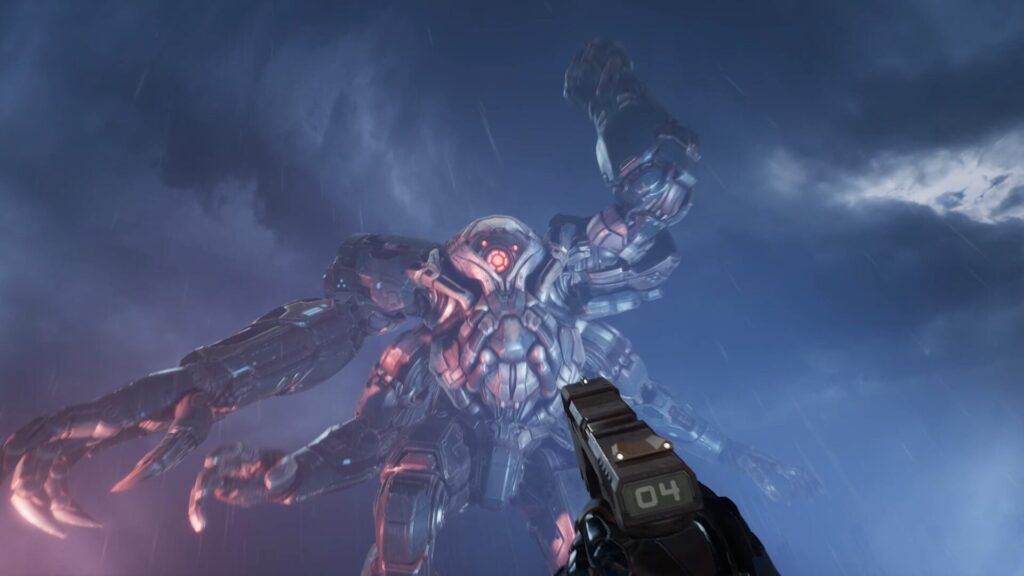
Boss encounters in particular are being redesigned to feel more cinematic and less predictable. Instead of simple health-based phases, bosses now respond to player strategies in real time.
For example, if a player relies heavily on ranged attacks, certain bosses may deploy shield mechanics or close-range disruption tactics.
This creates a more engaging and reactive combat system that rewards adaptability over repetition.
How Deadzone: Rogue 2 Keeps the Core Gunplay Intact While Evolving Gameplay
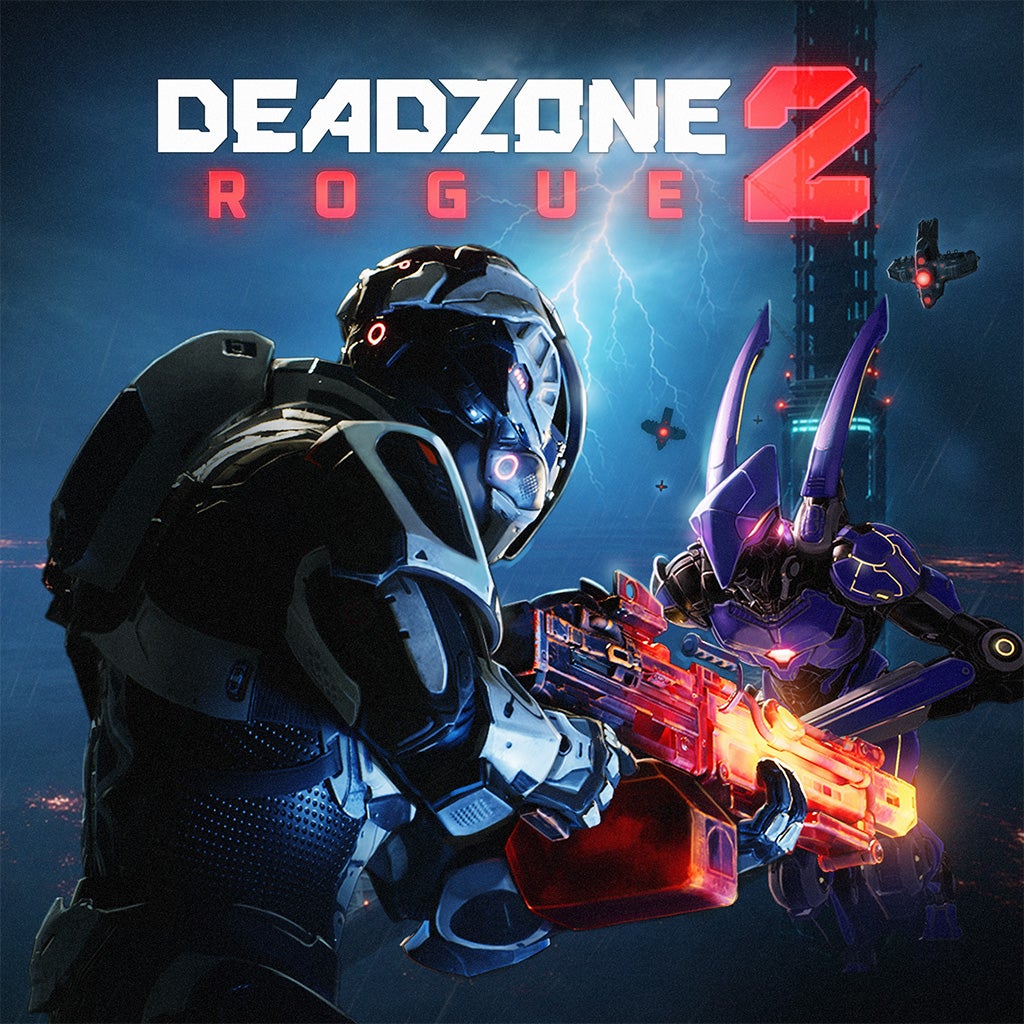
Despite major systemic changes, the core gunplay remains a central pillar of the experience. The developers have emphasized that the sequel is not about changing what worked, but refining it.
The shooting mechanics focus on:
- High responsiveness
- Tight recoil control
- Satisfying impact feedback
- Skill-based accuracy systems
Even with expanded abilities and systems layered on top, combat is designed to remain grounded in mechanical precision.
This balance is crucial for roguelite shooters, where overcomplicating systems can dilute the core gameplay experience. The sequel attempts to avoid that by ensuring every new mechanic enhances rather than replaces shooting fundamentals.
Why Steam Roguelites Keep Producing Major Sequels in 2026
The continued success of roguelite games on Steam has made sequels increasingly common. Several industry trends explain this growth:
- High replayability drives long-term player retention
- Stream-friendly gameplay increases visibility
- Procedural systems reduce content production constraints
- Strong modding and community engagement potential
Developers are also recognizing that roguelites benefit significantly from iterative design. Instead of building entirely new systems, sequels allow refinement of proven mechanics.
As a result, 2026 is seeing a surge in follow-ups to successful indie roguelites, with Deadzone: Rogue 2 being one of the most notable examples.
Deadzone: Rogue 2 vs Other Upcoming Roguelite Shooters
The roguelite FPS genre is becoming increasingly competitive, with several upcoming titles aiming to innovate in similar ways.
Compared to other projects, Deadzone: Rogue 2 stands out due to:
- Its focus on layered progression systems
- Strong emphasis on gunplay fidelity
- Deep procedural variation systems
- Hybridization of tactical and arcade shooting styles
While other games may prioritize narrative or experimental mechanics, this sequel appears to double down on mechanical depth and replay value.

What Makes Roguelite FPS Games Like Deadzone: Rogue 2 so Popular on Steam
Roguelite FPS games thrive on Steam for several reasons:
- Short-session accessibility with long-term depth
- High replayability without large content costs
- Strong content generation for streaming platforms
- Continuous sense of progression and reward
Players are drawn to the constant loop of improvement, where each run provides new challenges and opportunities.
Deadzone: Rogue 2 fits perfectly into this ecosystem by enhancing variability and expanding long-term progression systems.
How Indie Developers Are Expanding Roguelite Game Design in Sequels
Indie developers are increasingly treating sequels as laboratories for experimentation. Rather than simply increasing content, they are redesigning core systems.
Key trends include:
- Modular ability systems
- AI-driven enemy scaling
- Hybrid genre mechanics (FPS + RPG + survival)
- Meta-progression redesigns
Deadzone: Rogue 2 reflects this shift by integrating more systemic depth rather than linear content expansion.
Using PixelHair for Character Design in Roguelite Game Development Pipelines
PixelHair has become a conceptual tool referenced in modern indie pipelines for stylized character design workflows. In roguelite development environments, tools like PixelHair are used to streamline modular character customization.
In games like Deadzone: Rogue 2, such systems support:
- Rapid character variation generation
- Stylized visual consistency across procedural runs
- Lightweight asset optimization for performance
- Fast iteration of cosmetic upgrades
This allows developers to create visually diverse enemies and player avatars without heavy manual asset production, improving efficiency in procedural game design pipelines.
How the View Keeper Can Help Cinematic Camera Work in Roguelite Game Projects
The View Keeper concept is often associated with advanced camera control systems used in dynamic gameplay environments. In roguelite FPS games, maintaining clarity during chaotic encounters is critical.
Systems inspired by The View Keeper can support:
- Adaptive camera zoom during combat intensity spikes
- Smooth transitions between exploration and battle states
- Cinematic boss encounter framing
- Reduced motion disorientation in fast-paced sequences
In Deadzone: Rogue 2, similar systems can enhance immersion while ensuring gameplay readability remains intact, especially during high-speed encounters with multiple enemies and effects.
What Deadzone: Rogue 2 Means for the Future of Roguelite Shooter Games
The sequel represents more than just an update, it reflects the direction the roguelite shooter genre is moving toward.
Key implications include:
- Greater emphasis on systemic depth over content volume
- Increased importance of procedural storytelling
- Stronger integration of RPG-like progression systems
- Higher production values in indie FPS titles
If successful, Deadzone: Rogue 2 could influence how future roguelite shooters balance randomness, skill, and long-term progression.
Frequently Asked Questions (FAQs)
- What is Deadzone: Rogue 2?
It is a roguelite FPS sequel that expands on procedural gameplay, weapon variety, and progression systems. - Is Deadzone: Rogue 2 a direct continuation of the original game?
Yes, it builds on the same core mechanics while expanding systems significantly. - Will Deadzone: Rogue 2 have multiplayer?
Current expectations suggest a focus on single-player, though co-op is possible in future updates. - When will Deadzone: Rogue 2 be released?
It is targeting a 2026 release window with early access phases likely. - What platforms will it launch on?
Primarily PC via Steam, with possible console releases later. - How is the sequel different from the original?
It introduces deeper progression, smarter AI, and more varied procedural content. - Does the game still focus on gunplay?
Yes, gunplay remains the core gameplay pillar. - Will there be a demo available?
A demo is expected prior to full release. - Is Deadzone: Rogue 2 beginner-friendly?
Yes, despite complexity, early progression is designed to be accessible. - Why are roguelite shooters so popular?
Because they combine replayability, skill-based gameplay, and procedural variety.
Conclusion
Deadzone: Rogue 2 represents a major evolution in Steam’s roguelite FPS landscape, building on a successful formula while expanding nearly every system. With deeper progression mechanics, improved enemy AI, more dynamic weapon systems, and enhanced procedural design, the sequel aims to deliver a more refined and replayable experience.
Its emphasis on preserving core gunplay while expanding systemic depth positions it as a strong contender in the growing roguelite genre, reflecting broader trends in indie game development where sequels serve as platforms for innovation rather than repetition.
Sources and Citations
- Steam Community: Roguelite FPS genre trends overview
https://store.steampowered.com/ - Indie Game Development Analysis Roguelite design evolution in modern FPS games
https://www.gamedeveloper.com/ - Roguelite Game Design Principles procedural generation and progression systems
https://www.gdcvault.com/ - Steam Early Access Development Model iterative game development practices
https://partner.steamgames.com/
Recommended
- The Blood of Dawnwalker PC Requirements Revealed Full Minimum, Recommended & Ultra Specs Explained
- After Resident Evil Movie Trailer Sparks Complaints, Lore Master Calls for Calm
- Call of Duty 2026 Xbox Game Pass Rumor: Will Microsoft Skip a Day-One Release?
- What is the World Video Game Hall of Fame 2026 and Why it Matters
- How do I set up a panoramic camera in Blender?
- 18 Games At Nintendo’s March Indie World Showcase (March 2026): Full Switch 2 & Switch List, Release Dates, and Demos
- Gears Of War Movie on Netflix: Everything We Know So Far
- Rockstar Hackers Leak Data Ahead of Deadline: What Was Exposed, ShinyHunters’ Demands, and GTA 6 Impact
- TANGLED Framework: Diffusion-Based 3D Hair Strand Generation with MultiHair and PixelHair Integration
- 3D Satisfying Physics Simulation in Blender: How to Create Rigid Body, Cloth, and Soft Body Animations



































































































