



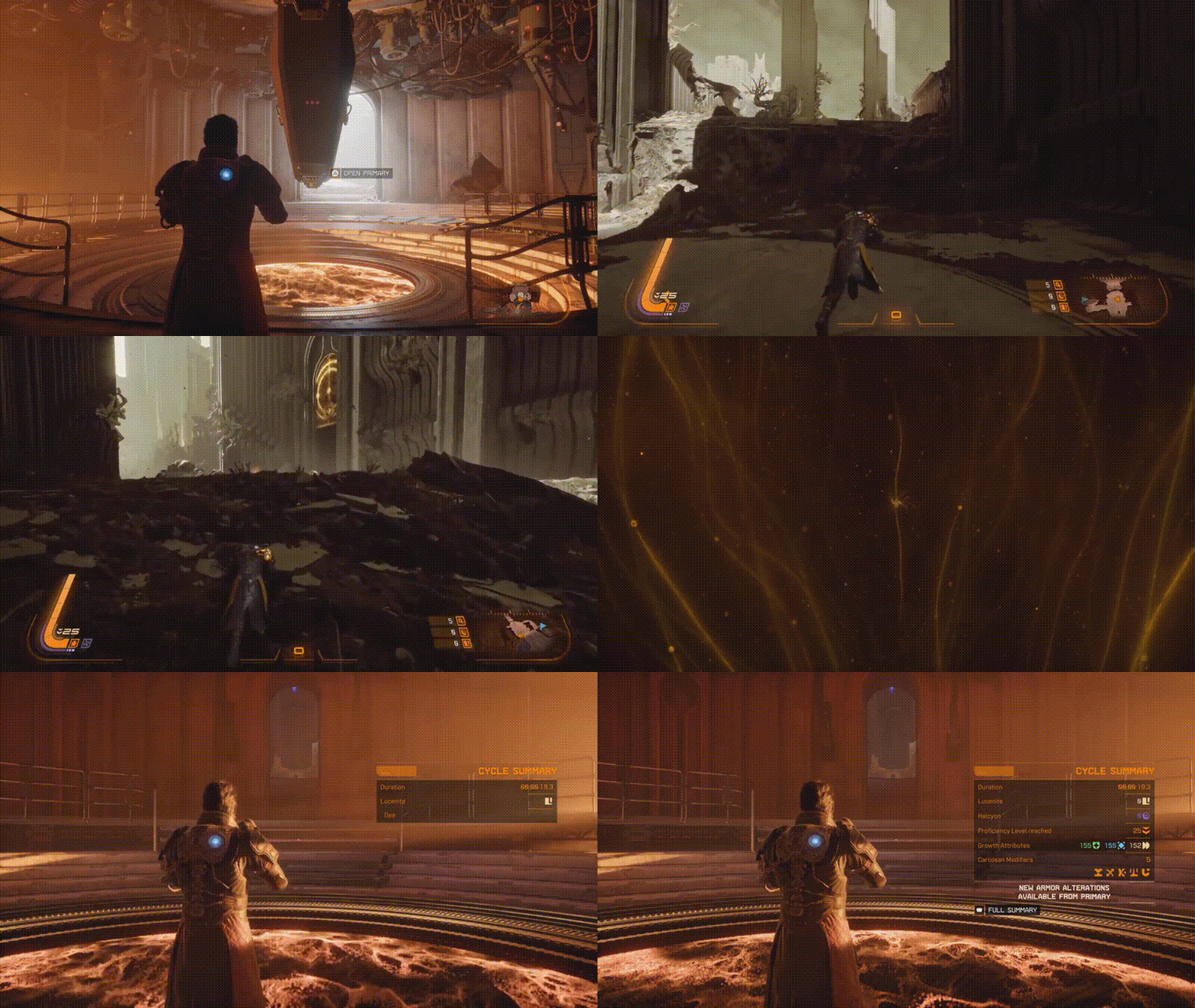

The long and complicated development cycle behind Judas has become one of the biggest talking points surrounding Take-Two Interactive’s current lineup. First revealed during The Game Awards 2022, Judas immediately captured attention because it represented the return of Ken Levine, the creative director widely associated with the original BioShock. The reveal trailer showcased eerie science-fiction environments, psychologically unstable characters, stylized violence, and narrative-driven gameplay that strongly resembled the immersive storytelling design philosophy that helped BioShock become one of gaming’s most influential franchises.
Since the reveal, however, updates surrounding Judas have remained extremely limited. Players expected regular gameplay demonstrations, release windows, or at least deeper developer commentary over the following years. Instead, the project has largely disappeared from public conversation. During recent Take-Two earnings calls, the company barely referenced the title despite investor curiosity and continued media speculation.
The silence surrounding Judas has fueled growing concern about the project’s development progress. Reports from journalists and insiders have suggested that Ghost Story Games, the studio founded by Ken Levine after the closure of Irrational Games, has faced a difficult production cycle. Multiple reports over the years have described an ambitious and experimental development process focused heavily on replayability, dynamic storytelling systems, and player-driven narrative structures.
Ken Levine himself previously described Judas as a game built around “narrative Legos,” a system designed to dynamically reshape relationships, dialogue, and storytelling depending on player choices. While the concept sounds innovative, many analysts believe the complexity of these systems may have contributed to the game’s prolonged development timeline.
Another major factor is the extraordinarily high expectations surrounding the project. Because Judas is spiritually connected to BioShock, audiences immediately began comparing it to one of the most critically acclaimed first-person narrative franchises ever created. This comparison created enormous pressure for Ghost Story Games to deliver something groundbreaking rather than merely familiar.
Industry observers also note that modern AAA development timelines have expanded dramatically. Games now routinely take six to eight years to complete due to graphical expectations, technical complexity, live-service infrastructure considerations, and cinematic production demands. Judas appears to be another example of this industry-wide trend.
Despite the lack of recent updates, Take-Two continues to mention the title as part of its future release portfolio. This suggests the company still believes in the project, even if development is taking longer than expected.
In This Article (15 sections)
What Happened to Ken Levine’s Judas
Ken Levine remains one of the gaming industry’s most recognizable creative figures because of his work on System Shock 2, BioShock, and BioShock Infinite. After the release of BioShock Infinite and its downloadable content, Levine closed Irrational Games in 2014 and shifted toward building a smaller, more experimental studio.
Ghost Story Games was formed with the goal of creating narrative-heavy experiences without the enormous scale and bureaucracy associated with large AAA productions. Judas became the studio’s first major title.
The problem is that the game’s ambitious design philosophy appears to have created serious development hurdles. Multiple investigative reports over the years described a perfectionist production environment where systems were frequently revised or rebuilt. Former developers reportedly described difficulties translating Levine’s constantly evolving ideas into a stable production pipeline.
This is not entirely unusual for visionary-led game development. Some of the industry’s most celebrated creators are also known for iterative and sometimes chaotic creative processes. However, these methods can extend development schedules significantly.
Judas also entered production during a period where the gaming industry itself underwent major transformation. Remote work challenges during the global pandemic disrupted countless AAA projects across the industry. Technical transitions to newer hardware architectures also forced many studios to adapt workflows.
Another reason Judas remains highly anticipated is because there are relatively few modern single-player immersive simulators in the AAA space. The market has increasingly shifted toward multiplayer, live-service, and open-world models. Judas represents a rare attempt to build a narrative-focused first-person experience centered around player choice and storytelling complexity.
Even though Take-Two has not provided a release date, many analysts believe the publisher still sees the title as strategically important. The company’s portfolio increasingly relies on blockbuster franchises such as Grand Theft Auto, NBA 2K, Borderlands, and Red Dead Redemption. Judas offers something creatively different that could help diversify the lineup.

Judas vs BioShock Similarities and Differences
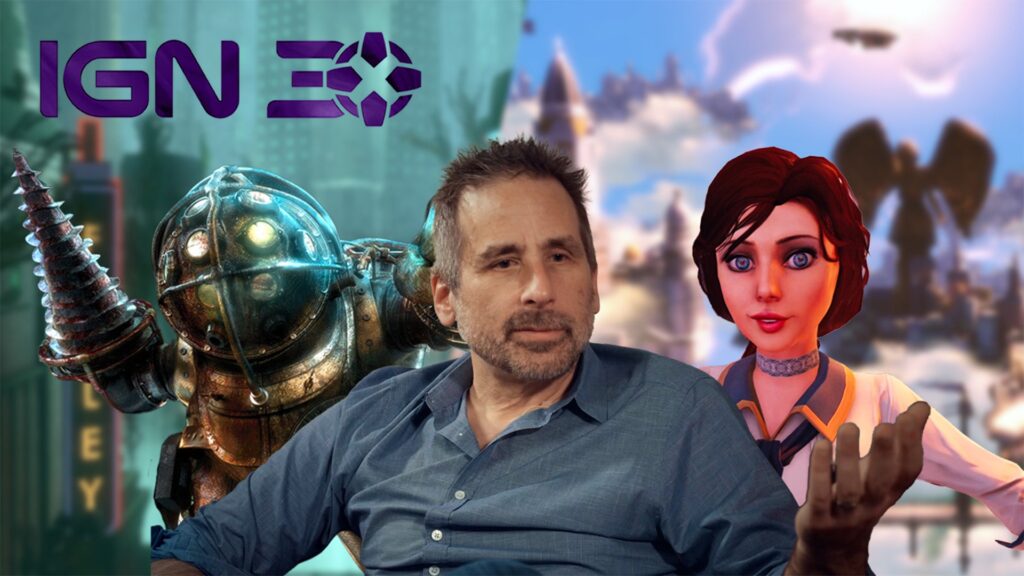
The comparisons between Judas and BioShock began immediately after the game’s reveal trailer because the similarities were impossible to ignore. Both games feature retro-futuristic aesthetics, dystopian themes, philosophical undertones, and narrative-driven first-person combat.
The visual design of Judas strongly resembles BioShock Infinite in particular. Floating structures, surreal architecture, unstable societies, and highly stylized environments all evoke Levine’s previous work. The protagonist also appears trapped in a collapsing ideological system similar to the themes explored throughout the BioShock franchise.
Combat similarly combines firearms with supernatural or technologically enhanced abilities. This mirrors the plasmid system that became iconic in BioShock. Enemies also appear psychologically unstable, reinforcing the eerie atmosphere that fans associate with Levine’s storytelling style.
However, Judas also differs from BioShock in several major ways. The most significant difference involves the dynamic narrative systems Levine has repeatedly discussed. Unlike BioShock’s mostly linear storytelling, Judas reportedly focuses on systems-driven relationships where characters remember and react to player actions in evolving ways.
The game’s structure may also be more replayable than previous BioShock entries. Levine has emphasized that player choices and interactions can significantly alter outcomes and alliances. This suggests Judas may operate more like an immersive simulation than a traditional cinematic shooter.
Another difference involves scale. BioShock Infinite featured enormous cinematic set pieces and blockbuster-style pacing. Judas appears more intimate and system-focused, potentially prioritizing player agency over scripted spectacle.
These differences are likely why development has taken so long. Building reactive narrative systems is substantially more difficult than constructing linear storytelling frameworks.
Why the New BioShock is Still Missing
While Judas remains missing in action, the actual next BioShock game has also become increasingly mysterious. BioShock 4 was officially confirmed years ago, yet concrete gameplay footage, release windows, and detailed information remain absent.
The project is reportedly being developed by Cloud Chamber, a studio created specifically to continue the BioShock franchise. However, reports over the years have suggested the game’s development has faced major internal difficulties.
Several rumors pointed toward leadership changes, shifting creative direction, and struggles defining what a modern BioShock should look like without Ken Levine directly involved. This is an especially difficult challenge because BioShock is not simply a shooter franchise. Its identity is deeply tied to philosophical themes, environmental storytelling, and immersive world-building.
Another issue is audience expectation. BioShock remains one of the most respected franchises in gaming history. Any sequel immediately faces pressure to live up to the legacy of Rapture and Columbia.
The gaming industry has also changed dramatically since BioShock Infinite launched in 2013. Open-world games now dominate the AAA space, and publishers increasingly prioritize long-term engagement systems. Cloud Chamber may be attempting to modernize BioShock while preserving the franchise’s narrative identity.
Some rumors suggest the new BioShock could feature a more open-ended world structure compared to previous entries. Other reports claim the project has undergone multiple internal revisions.
Take-Two’s continued silence likely indicates the company wants to avoid revealing the game prematurely. Modern publishers increasingly wait until projects are closer to release before beginning full marketing campaigns.
New BioShock Development Problems and Rumors
Rumors surrounding BioShock 4 development have circulated for years, and many focus on production instability. Some reports claimed the project restarted aspects of development after internal reviews. Others suggested leadership disagreements regarding gameplay direction and narrative tone.
One persistent rumor involves uncertainty about how closely the game should resemble previous BioShock entries. Some developers reportedly wanted to evolve the formula substantially, while others favored maintaining stronger connections to the franchise’s established identity.
Another challenge likely involves balancing modern gameplay expectations with traditional immersive storytelling. Players now expect expansive exploration, deep progression systems, advanced AI behaviors, and cutting-edge visuals. Delivering all of this while maintaining BioShock’s carefully curated atmosphere is extremely difficult.
Cloud Chamber also faces the problem of franchise mythology. BioShock narratives often revolve around political ideologies, philosophical critiques, and morally ambiguous storytelling. Creating a new setting with equally compelling thematic depth is a massive creative challenge.
The lack of updates has frustrated fans, especially because the franchise remains commercially valuable. Many expected Take-Two to capitalize more aggressively on BioShock’s popularity during the current console generation.
However, Take-Two executives have repeatedly emphasized quality over rushed releases. The company appears willing to give major projects extended development time if it believes the final product will benefit.
Red Dead Redemption 2 Best Sales Year Since Launch
One of the most surprising revelations from recent Take-Two earnings discussions involved Red Dead Redemption 2. Despite originally launching in 2018, the game reportedly experienced one of its strongest sales years since release.
This achievement highlights the extraordinary longevity of Rockstar Games titles. Very few single-player games continue selling at a high level nearly a decade after launch. Red Dead Redemption 2 has become a rare example of a modern game transforming into a long-term evergreen product.
Several factors explain this continued success. First, the game’s reputation has only grown over time. Many players now consider Red Dead Redemption 2 one of the greatest open-world games ever made because of its realism, storytelling, and technical ambition.
The title also benefited from ongoing digital sales, console bundles, backward compatibility support, and expanded PC adoption. Streaming culture and social media clips further introduced the game to entirely new audiences years after launch.
Another important factor is the continued popularity of Rockstar Games overall. Anticipation for GTA 6 has driven renewed interest in Rockstar’s previous projects. Many players revisited Red Dead Redemption 2 while waiting for Grand Theft Auto VI.
The game’s immersive world remains unmatched in several areas. Wildlife systems, NPC interactions, environmental detail, weather simulation, and animation quality still surpass many newer releases. This has helped the title remain visually impressive even years later.
Red Dead Redemption 2 Continued Popularity Explained
Red Dead Redemption 2 continues attracting players because it offers an unusually immersive and emotional experience compared to many modern open-world games. Rockstar built an incredibly detailed simulation of the American frontier where nearly every interaction feels handcrafted.
Arthur Morgan’s storyline remains one of gaming’s most celebrated character arcs. The emotional depth of the narrative helped the game transcend typical genre expectations and reach broader audiences.
The open world itself also contributes heavily to the game’s longevity. Players continue discovering hidden interactions, environmental storytelling moments, random encounters, and gameplay details years after release.
Rockstar’s technical craftsmanship further separates the game from competitors. NPC routines, animal ecosystems, dynamic weather, and cinematic presentation still feel remarkably advanced even in 2026.
The rise of PC modifications also expanded the game’s lifespan considerably. The modding community introduced visual upgrades, gameplay enhancements, roleplay features, and entirely new mechanics that kept interest alive.
Another factor is the growing nostalgia surrounding Rockstar’s design philosophy. Many players increasingly appreciate slower-paced, detail-oriented single-player experiences amid an industry dominated by live-service games and seasonal monetization structures.

Red Dead Redemption 2 Online Community Remains Active in 2026
Although Rockstar has shifted much of its focus toward GTA 6, the Red Dead Redemption 2 online community remains surprisingly active in 2026. Red Dead Online never reached the commercial scale of GTA Online, but it still maintains a dedicated player base. Roleplay communities have become especially important for the game’s long-term survival, with players creating custom frontier stories, law enforcement groups, outlaw gangs, and social events that transformed the game into a living sandbox experience.
PC servers have helped sustain much of this activity because modding tools allow communities to create highly customized experiences. Some servers have even introduced economy systems, survival mechanics, and expanded world interactions. The game also remains popular among content creators because of its cinematic visuals and emergent gameplay moments. Wildlife encounters, shootouts, horseback chases, and dramatic environmental events continue to generate viral clips online.
Many players also simply enjoy inhabiting the game world. Fishing, hunting, camping, exploration, and casual horseback travel provide a relaxing gameplay experience rarely found in modern AAA titles. Rockstar’s reduced update schedule disappointed some fans, but the core community adapted by building its own social ecosystems within the game.
GTA 6 Release Date, Development Progress, and Expectations
The biggest topic during Take-Two’s recent earnings discussions was unsurprisingly Grand Theft Auto VI. Despite constant rumors about delays, Take-Two executives continued signaling confidence in the game’s planned November 2026 release window. This reassurance was extremely important for both investors and fans because GTA 6 represents one of the largest entertainment launches in history, with expectations surrounding the title reaching unprecedented levels even by Rockstar standards.
Take-Two executives carefully avoided revealing major new gameplay details, but they reiterated that development remains on track. This aligns with Rockstar’s historically cautious marketing strategy, as the company often reveals information gradually rather than maintaining constant promotional campaigns. Analysts believe the publisher is intentionally controlling the flow of information to maximize anticipation, especially since GTA 6 already dominates online conversation without extensive marketing.
Rockstar Games reportedly began serious production on GTA 6 years ago, making it one of the longest and most expensive game development projects ever undertaken. Leaks and official trailers suggest the game features a modern Vice City-inspired setting, expanded environmental density, advanced NPC systems, and improved realism. Expectations are extraordinarily high because GTA 5 became one of the best-selling entertainment products in history, and fans expect GTA 6 to evolve nearly every aspect of Rockstar’s open-world formula.
One major expectation involves AI improvements, with players hoping NPCs will exhibit more realistic routines, reactions, and behavioral systems compared to previous Rockstar titles. Another anticipated feature is world interactivity, including more enterable buildings, dynamic environmental systems, and evolving world events. Rockstar is also likely prioritizing long-term online infrastructure, since GTA Online generated billions in revenue over the past decade and GTA 6’s online ecosystem could become even larger.
The game is expected to redefine commercial records across the entertainment industry. Many financial analysts predict launch revenues could surpass every previous gaming release within days. Rockstar’s reputation significantly contributes to this confidence, as the studio consistently delivers technically advanced, critically acclaimed open-world experiences with enormous mainstream appeal. Despite the hype, Take-Two executives continue emphasizing patience and quality, and Rockstar has historically delayed projects when necessary to maintain its polish standards.

GTA 6 Investor Reactions, Fan Anticipation, and Rockstar’s Industry Dominance
Investor reactions to GTA 6 remain overwhelmingly positive because the game is expected to drive enormous financial growth for Take-Two Interactive. The publisher’s stock performance frequently fluctuates based on GTA 6 news, illustrating how important the project is to market confidence. Analysts consistently describe the title as a transformational release for the entire gaming industry, while Take-Two’s recent statements have helped calm concerns about potential delays. The company’s confidence has also reassured retailers, marketing partners, and investors preparing for the launch window.
Fans, meanwhile, remain intensely engaged with every trailer frame, leak, rumor, and developer statement. Online communities analyze tiny details obsessively, demonstrating the cultural scale of anticipation surrounding the game. The long wait since GTA 5 also contributes heavily to the excitement. By the time GTA 6 launches, more than a decade will have passed since Rockstar’s previous numbered Grand Theft Auto release. Some fans remain worried about possible delays because Rockstar has historically pushed release dates when additional development time was needed.
Rockstar Games remains one of the most powerful names in entertainment because few studios can match its combination of technical ambition, cultural influence, and commercial consistency. The studio consistently creates worlds that feel alive in ways competitors struggle to replicate. Environmental detail, animation quality, NPC behavior, voice acting, cinematic storytelling, and open-world immersion all contribute to Rockstar’s reputation.
Another major advantage is patience. Rockstar spends enormous amounts of time refining projects before release, and this extended development approach allows the company to achieve exceptional levels of polish. Rockstar also benefits from strong brand trust, as players expect quality from a studio whose track record includes franchises like Grand Theft Auto, Red Dead Redemption, Max Payne, Bully, and Midnight Club. The company also understands mainstream appeal better than many competitors, with Rockstar games regularly reaching audiences beyond traditional gaming communities. GTA 6 may further expand this dominance if it successfully evolves open-world design once again.
Take-Two Interactive’s Future Lineup Beyond GTA 6
Beyond GTA 6, Take-Two Interactive maintains one of the industry’s strongest publishing portfolios. The company owns Rockstar Games, 2K Games, Private Division, Zynga, and multiple other development divisions. Future releases include sports titles like NBA 2K and WWE 2K, alongside narrative-driven experiences, strategy games, and mobile products.
The uncertainty surrounding Judas and BioShock creates an interesting contrast within the company’s lineup. On one side, Rockstar projects appear stable and commercially unstoppable. On the other, several ambitious narrative projects remain elusive. Take-Two executives repeatedly emphasized long-term growth strategies during earnings calls, and the company continues investing heavily in both premium AAA experiences and live-service ecosystems.
Mobile expansion also remains important following Take-Two’s acquisition of Zynga. This diversified business model helps reduce reliance on single blockbuster launches. Still, GTA 6 remains the centerpiece of the company’s future planning.
Biggest Takeaways From Take-Two’s Latest Earnings Call
Take-Two’s latest earnings call revealed several major developments that shaped industry discussion and reinforced key trends in the company’s future strategy. The publisher reaffirmed confidence in GTA 6’s launch schedule, highlighted Red Dead Redemption 2’s continued sales momentum, and reiterated long-term support for its major franchises. Executives also discussed strong engagement across existing titles, including NBA 2K and GTA Online, while financial performance remained healthy despite rising development costs across the industry.
Rockstar Games continues to function as Take-Two’s primary growth engine, especially with GTA 6 approaching release. Investors appeared particularly focused on the title because it is expected to dramatically impact future revenue projections. The company’s confidence in GTA 6 also stood out as one of the most important points from the call, given the scale of anticipation surrounding the game and its importance to Take-Two’s long-term financial outlook.
Red Dead Redemption 2’s continued commercial success demonstrated the enduring value of high-quality single-player experiences. At the same time, the continued absence of meaningful updates regarding Judas and BioShock was one of the more notable takeaways. Investors expected at least some clarification surrounding these long-awaited projects, but Take-Two remained cautious. This uncertainty highlighted the challenges associated with ambitious narrative game development, especially as production timelines continue to stretch across the industry.
Take-Two executives repeatedly stressed long-term strategic thinking rather than short-term release scheduling. The publisher appears comfortable allowing major projects extended development periods when necessary, while continuing to balance traditional premium game releases with live-service monetization strategies and mobile expansion initiatives. Another important point involved the increasing scale of AAA development budgets, as industry-wide costs continue rising dramatically and make blockbuster releases more financially significant than ever.
The publisher also emphasized confidence in its development studios and creative leadership despite extended production timelines for several projects. The broader gaming industry watched the earnings call closely because Take-Two’s performance often reflects larger AAA market trends, particularly around development costs, franchise management, live-service growth, and the commercial pressure surrounding major flagship releases.
Frequently Asked Questions (FAQs)
- Why has Judas taken so long to develop?
Judas appears to be an extremely ambitious narrative-focused project with dynamic storytelling systems. Reports suggest the complexity of these systems contributed to extended development timelines. - Is Judas connected to BioShock?
Judas is not officially part of the BioShock franchise, but it is considered a spiritual successor because it is directed by Ken Levine and shares similar themes and gameplay elements. - Who is developing the new BioShock game?
The new BioShock is reportedly being developed by Cloud Chamber, a studio created specifically to continue the franchise. - Why has the new BioShock not been shown recently?
Reports and rumors suggest the project may have faced development challenges, leadership changes, and creative direction revisions, which likely contributed to the lack of updates. - Why is Red Dead Redemption 2 still selling so well?
The game continues attracting players because of its critically acclaimed story, immersive open world, technical quality, and ongoing popularity across streaming and social media platforms. - Is GTA 6 still releasing in November 2026?
Take-Two Interactive has continued signaling confidence in the planned November 2026 release window during recent earnings discussions. - Why are investors so focused on GTA 6?
GTA 6 is expected to become one of the biggest entertainment launches ever, potentially generating record-breaking revenue for Take-Two Interactive. - What makes Rockstar Games different from other studios?
Rockstar is known for extraordinary attention to detail, advanced open-world design, cinematic storytelling, and extremely polished AAA releases. - Is Red Dead Online still active in 2026?
Yes, Red Dead Online still maintains a dedicated player base, especially within roleplay and PC modding communities. - What were the biggest announcements from Take-Two’s latest earnings call?
The biggest announcements included GTA 6 remaining on schedule, Red Dead Redemption 2 achieving another major sales year, and Take-Two reaffirming confidence in its future lineup.

Conclusion
Take-Two Interactive’s latest earnings discussions highlighted both the strengths and uncertainties currently shaping the gaming industry. On one side, Rockstar Games continues demonstrating unmatched dominance through the ongoing success of Red Dead Redemption 2 and the enormous anticipation surrounding GTA 6. Few entertainment companies possess franchises capable of maintaining cultural and commercial relevance for over a decade, yet Rockstar continues setting industry standards in world-building, storytelling, and long-term player engagement.
At the same time, the silence surrounding Judas and the new BioShock illustrates the growing challenges associated with ambitious AAA game development. Both projects carry enormous expectations because of their connections to one of gaming’s most influential creative legacies. Ken Levine’s reputation and the BioShock franchise itself have created pressure that likely contributes to extended development cycles and cautious communication strategies.
The broader gaming industry is also evolving rapidly. Development costs continue rising, production timelines are becoming longer, and publishers increasingly balance blockbuster cinematic experiences with long-term monetization ecosystems. Take-Two appears willing to prioritize quality and long-term value over rushed launches, even if that means prolonged silence surrounding major projects.
Red Dead Redemption 2’s continued popularity proves that exceptionally crafted single-player games still hold massive commercial power in an era dominated by live-service trends. Meanwhile, GTA 6 has become more than just another sequel. It represents one of the most anticipated entertainment products ever created, carrying expectations that extend far beyond the gaming community itself.
Whether Judas and the next BioShock eventually emerge as groundbreaking successes or cautionary tales of difficult AAA development remains unknown. What is clear, however, is that Take-Two Interactive continues occupying one of the most influential positions in modern gaming, with Rockstar Games leading an industry increasingly defined by scale, ambition, and unprecedented player expectations.
Sources and Citations
- Take-Two Interactive Investor Relations
Citation: Take-Two Interactive Fiscal Earnings Reports and Investor Relations Statements. - Rockstar Games Grand Theft Auto VI Official Reveal
Citation: Rockstar Games Grand Theft Auto VI Official Reveal Materials. - Ghost Story Games – Judas Official Site
Citation: Ghost Story Games Judas Reveal Trailer and Developer Commentary. - 2K Games BioShock Franchise Information
Citation: 2K Games Official BioShock Franchise Statements. - IGN Coverage of Judas and BioShock Development
Citation: IGN Reports on Ken Levine, Judas, and BioShock Development Updates. - GameSpot Coverage of Take-Two Earnings and GTA 6
Citation: GameSpot Financial Coverage and GTA 6 Reporting. - Bloomberg Gaming Industry Reports
Citation: Bloomberg Gaming Industry and Take-Two Interactive Reports. - VGC Reports on BioShock and Judas Rumors
Citation: Video Games Chronicle Development Reports and Industry Sources. - The Game Awards 2022 Judas Reveal Presentation
Citation: The Game Awards 2022 Judas Reveal Presentation. - Rockstar Games Red Dead Redemption 2 Official Information
Citation: Rockstar Games Red Dead Redemption 2 Product and Community Updates.
Recommended
- The Creators of Will Publish Third-Party Games: Explained
- Warner Bros. Wants Bradley Cooper to Write, Direct, and Star in the Ocean’s Eleven Prequel
- The Kingdom Come: Deliverance 2 Studio Somehow Has Time to Make a New Sequel and an Entire Lord of the Rings RPG, Warhorse Studios is Also Working on a “New Kingdom Come Adventure” Explained
- What Is Film Grain? Understanding Its Role in Cinematic Aesthetics
- Live Link Face with Metahuman: How to Capture Real-Time Facial Animation in Unreal Engine 5
- The House of Hikmah Guide: Beginner Tips, Puzzle Mechanics, Story Themes, and How Long It Takes to Beat
- Bloodmoored Announced for PC: First-Person Psychological Horror Game Set in an Abandoned Factory
- Battlefield 6 Takes Home Game of the Year at UKIE Video Game Awards 2026
- Fortnite Adding Ability to Create Your Own Star Wars Games: Star Wars Toolset Coming to UEFN (March 19, 2026)
- “Thanks for Being Here! What’s Your Favorite Role I’ve Done So Far?” – Why Actors Ask Fans This Question and What It Reveals



































































































