








In This Article (9 sections)
Laura Fryer, Naughty Dog, and Why the Last of Us Online Was Canceled
Laura Fryer is a veteran gaming executive who played an important role during Xbox’s early years. She worked as a producer on major first-party projects and contributed to Microsoft’s publishing strategy, giving her direct experience with AAA development, platform decisions, and the risks attached to expensive game productions. Her criticism of The Last of Us Online reflects the view that a large multiplayer project can become unsustainable when it does not match a studio’s established strengths or operational structure.
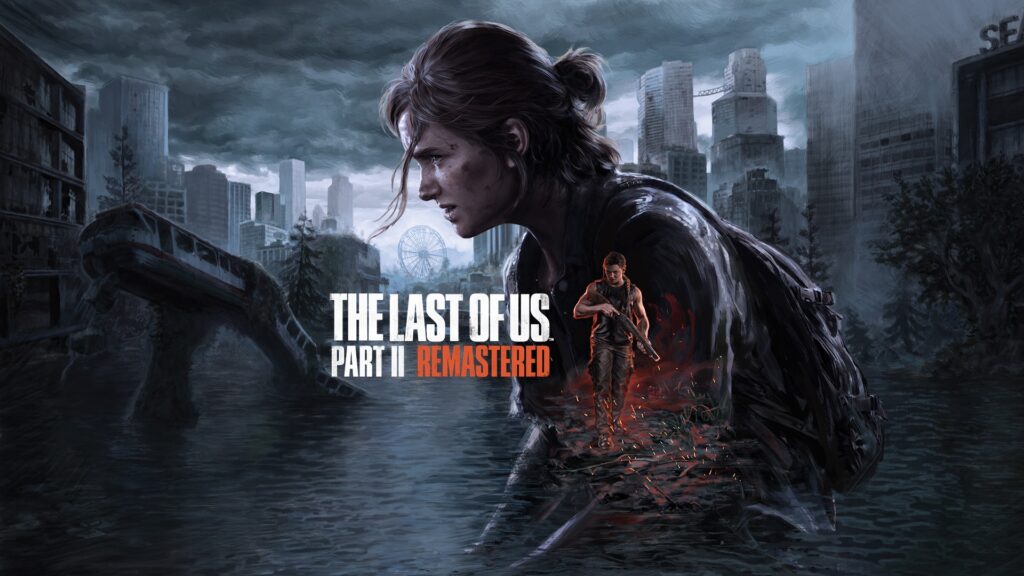
Naughty Dog officially canceled The Last of Us Online in late 2023 after several years of development. The studio explained that continuing with the project would have required it to dedicate substantial resources to supporting a live service game over the long term. That commitment could have affected its ability to continue producing the single-player, narrative-driven games associated with The Last of Us and Uncharted.
The decision was therefore not presented as the result of a basic technical failure. The deeper problem was strategic misalignment. Releasing an online game would have been only the beginning of the commitment. Naughty Dog would also have needed permanent teams responsible for new content, player retention, server operations, community management, balancing, monetization, and technical support.
Fryer’s comments place the cancellation within a wider industry concern about greenlighting projects because a franchise is commercially successful without first determining whether the developer is equipped to operate the resulting product. The Last of Us brand could have attracted a large launch audience, but the studio would have needed to transform how it worked in order to keep that audience engaged for years.

The Last of Us Online Development Timeline, Completion Claims, and Live Service Burden
Reports and developer comments suggest that The Last of Us Online was significantly advanced when it was canceled, with some claims placing it around 70 to 80 percent complete. That estimate needs context because completion is difficult to measure in live service development. A project may have most of its playable content, environments, systems, and assets in place while still lacking the infrastructure and continuing production pipeline needed to operate successfully after release.
The project reportedly began around 2018 or 2019 as a multiplayer component connected to The Last of Us Part II. Instead of remaining an additional mode, it gradually developed into a standalone live service title. By the time it was canceled, it had reportedly been in production for approximately four to five years.
That expansion changed the scale of the work. Naughty Dog was no longer creating a limited collection of multiplayer maps, modes, and progression systems. It was building a product expected to retain players over an extended period. That required a larger budget, more personnel, additional backend technology, and a structure capable of continuously producing content after launch.
Live service games typically need:
- Constant content updates
- Dedicated live operations teams
- Server infrastructure and maintenance
- Community management
- Monetization systems
- Balance patches and technical fixes
- Seasonal events or progression resets
For Naughty Dog, these requirements would have represented a substantial operational change. Its established production model concentrates resources on carefully structured games with defined campaigns and a clear release point. A live service model would require development to continue indefinitely, with teams constantly reviewing player behavior, responding to feedback, fixing problems, and creating enough new material to prevent the audience from leaving.
The claim that The Last of Us Online was nearly finished may therefore be accurate from a content perspective without meaning that the project was close to becoming a sustainable product. Much of the game could have been playable while the most expensive and uncertain phase, operating it for years after launch, still remained ahead.
Bungie’s Reported Review, Sony’s Live Service Strategy, and the Greenlighting Decision
Bungie reportedly evaluated The Last of Us Online and raised concerns about whether it could retain players over the long term. Sony likely considered Bungie’s experience with Destiny 2 relevant because player retention is one of the defining challenges of the live service model. Attracting attention at launch is not enough. The game must continue giving players reasons to return through progression, events, rewards, social systems, and regular content.
According to reports, Bungie’s assessment suggested that maintaining sufficient engagement could require an enormous continuing investment. That would have forced Naughty Dog to keep a large development team attached to the game after release, potentially for many years. Bungie’s input is widely believed to have influenced the cancellation by drawing attention to risks involving scalability, content production, and long-term player activity.
The project was also important to Sony Interactive Entertainment’s broader live service strategy. Sony had been seeking games capable of generating recurring revenue and retaining players over extended periods. Combining The Last of Us with Naughty Dog’s production reputation appeared to create a strong opportunity to establish a major PlayStation multiplayer property.
Its cancellation consequently raised questions beyond the future of one game. It demonstrated the difficulty of converting a studio known for polished, story-driven experiences into a permanent live service operation. The skills required to make a strong single-player campaign do not automatically provide the infrastructure, staffing model, and production speed needed to support an online community continuously.
The decision to approve the project likely appeared reasonable for several reasons:
- The commercial and critical success of The Last of Us brand
- Industry trends favoring recurring revenue and long-term engagement
- Sony’s effort to expand beyond its reliance on single-player games
The apparent mistake was placing too much confidence in the franchise and initial production quality while underestimating the demands that would follow release. The game may have had a recognizable setting, an experienced team, and considerable commercial potential, but operating it successfully would have required Naughty Dog to reorganize around a business model very different from the one that established its reputation.
Sunk Costs, Factions Fan Disappointment, and Whether the Game Could Have Succeeded
The cancellation illustrates the sunk cost fallacy in game development. This occurs when a company continues funding a project primarily because it has already invested substantial time and money, even when the project’s future prospects no longer justify additional spending. Large games can consume years of work and considerable budgets, making late cancellation appear wasteful after technology, environments, systems, and other assets have already been produced.
Previous spending cannot be recovered whether the game is released or canceled. The more useful question is whether the remaining cost of completion, launch, marketing, and continuing support is justified by the likely return. For a live service game, this calculation is particularly important because release does not end development costs. It begins a continuing obligation to fund content and operations.
Canceling The Last of Us Online late in production could therefore have been more rational than launching it simply to recover earlier investment. If forecasts suggested that the game would struggle to retain enough players, releasing it could have created greater losses while also consuming resources needed for other Naughty Dog projects.
The decision was nevertheless deeply disappointing for fans of the original Factions multiplayer mode. Factions developed a dedicated audience through slower combat, survival mechanics, limited resources, and teamwork. Players had spent years anticipating a larger successor that could expand those ideas into a modern standalone experience.
The cancellation ended expectations for a broader Last of Us multiplayer ecosystem in the near term and left the original Factions community without a direct replacement. It may also make players more cautious about future Naughty Dog multiplayer announcements, particularly when a project is revealed long before it approaches release.
The Last of Us Online could have benefited from the franchise’s recognition, established audience, and production values. Long-term success, however, would have required several systems to work together:
- Long-term engagement systems that encouraged players to return
- Clear differentiation from established multiplayer competitors
- Frequent and meaningful content updates
- Monetization that generated revenue without alienating players
A strong launch would not have guaranteed sustainability. Repetitive progression, slow updates, weak differentiation, or unpopular monetization could have caused the player base to decline quickly. Given the crowded live service market and the resources required to compete within it, the game’s long-term success remained uncertain even if its initial release had been technically polished.

Naughty Dog’s Single-Player Refocus and What Comes After the Last of Us Online
After canceling The Last of Us Online, Naughty Dog confirmed that it would refocus its resources on single-player experiences. The studio has continued developing narrative-driven projects, potentially including a new intellectual property and future installments connected to its existing franchises.
This direction aligns more closely with Naughty Dog’s established strengths. Its reputation is built on cinematic storytelling, detailed characters, carefully controlled pacing, and campaigns designed to deliver complete experiences. Those strengths do not prevent the studio from creating multiplayer systems, but they do make single-player development a more natural fit for its production structure and public identity.
Vinit Agarwal indicated that The Last of Us Online had been close to completion from a content perspective. His comments support the interpretation that the cancellation was not caused by an absence of playable material or a lack of development progress. The concern was what the project would require after that content was released.
A major online game would have needed a permanent team producing new maps, modes, rewards, events, balance updates, and technical fixes. The project could therefore be nearly complete as a launch package while remaining financially and operationally unsustainable as an ongoing service.
Single-player development generally offers Naughty Dog several advantages:
- Finite development cycles with a defined release point
- Clearer creative direction and narrative structure
- Lower long-term operational and maintenance costs
Live service games require continuing support for an indefinite period. Returning to single-player development allows Naughty Dog to concentrate its staff on the experiences that established the studio while reducing the risk that one continuously operating multiplayer game would absorb resources needed for several other creative projects.
Frequently Asked Questions (FAQs)
- Why was The Last of Us Online canceled?
It was canceled because Naughty Dog concluded that operating it as a long-term live service game would require a major and continuing commitment of staff and resources. Supporting the project could have forced the studio to reduce its focus on future single-player games. - Was the game nearly finished?
Reports suggest that much of the core content was complete, with some estimates placing development around 70 to 80 percent. That did not mean the entire live service operation was ready, since backend systems, post-launch content, monetization, and continuing support would still require substantial work. - Who criticized the project’s approval?
Former Xbox executive Laura Fryer criticized the decision to greenlight the project. Her argument reflects the concern that an expensive live service game should not be approved solely because it uses a successful franchise, particularly when the developer is not structured around permanent online operations. - Did Bungie influence the cancellation?
Yes, Bungie reportedly reviewed the project and raised concerns about long-term player retention and sustainability. Its experience operating Destiny 2 reportedly gave its assessment considerable influence within Sony’s live service planning. - How long was the game in development?
The project was reportedly in development for approximately four to five years. It began around 2018 or 2019 as a multiplayer component for The Last of Us Part II before expanding into a separate live service game. - What is a live service game?
A live service game is designed to remain active through continuing updates, new content, events, monetization, and community support after launch. Developers must maintain servers, balance systems, fix technical problems, and continually give players reasons to return. - Will Naughty Dog make multiplayer games again?
It remains possible, but no confirmed Naughty Dog multiplayer project is currently identified in the supplied information. The studio’s immediate direction is focused on single-player, narrative-driven development. - What is sunk cost fallacy in gaming?
The sunk cost fallacy is the belief that a project should continue because substantial time and money have already been spent on it. Rational decision-making instead considers whether future spending is justified by the project’s expected results. - What will Naughty Dog focus on next?
Naughty Dog will focus on single-player, narrative-driven games that more closely match its established strengths. These projects may include a new intellectual property and possible future entries connected to its existing franchises. - Could the game have succeeded?
It could have attracted a large initial audience because of The Last of Us brand and Naughty Dog’s production quality. Its lasting success would have depended on strong retention systems, frequent content, clear differentiation, sustainable monetization, and enough permanent development resources to support the game for years.
Conclusion
The cancellation of The Last of Us Online reflects a broader shift in how AAA studios approach live service development. Despite years of work and significant progress, the decision underscores the importance of aligning projects with long-term strategy and studio capabilities. Laura Fryer’s criticism highlights a key industry lesson: green-lighting a project without fully accounting for its operational demands can lead to costly course corrections.
Sources and Citations
- Naughty Dog: official studio statements and game communications
https://www.naughtydog.com - Sony Interactive Entertainment: official corporate communications and PlayStation Studios updates
https://www.sie.com - PlayStation Blog: official developer updates and announcements (Sony Interactive Entertainment channel)
https://blog.playstation.com - Bungie: official studio statements and internal-facing policy/updates (as publicly communicated)
https://www.bungie.net - Bloomberg: reporting on Sony live service strategy and internal evaluations
https://www.bloomberg.com - Kotaku: industry reporting on Sony, Naughty Dog, and live service developments
https://kotaku.com - GameSpot: coverage of PlayStation Studios, Naughty Dog updates, and industry analysis
https://www.gamespot.com - Additional industry analysis and reporting on Sony strategy and Bungie role
https://www.ign.com
Recommended
- Pirates Have A Field Day With Death Stranding 2 After It Accidentally Leaks Early On Steam
- Hellblade 2 and Unreal Engine 5: What Makes the Sequel a Visual Breakthrough
- How do I align the camera to a specific axis in Blender?
- Autodesk releases MotionBuilder 2027: What’s New, System Requirements, Download, and Upgrade Notes
- Unlocking Cinematic Power: The Best 5 Blender Camera Add-ons to Elevate Your Workflow
- How Do I Switch Between Cameras During an Animation in Blender?
- PUBG MOBILE Celebrates 8th Anniversary with Landmark Event Blending Gaming, Music and Culture Worldwide
- How do I create a POV shot with the Blender camera?
- How to Create a Metahuman from a Photo: The Ultimate Guide to Digital Character Creation
- Metahuman Animator: How to Animate Realistic Characters in Unreal Engine 5



































































































