










UK Proposal Could Restrict Social Features in Kids’ Games
The United Kingdom has become one of the leading countries pushing for stronger online safety protections for children. In recent years, lawmakers, regulators, child safety organizations, and technology experts have raised concerns about the ways children interact with strangers online. While social media platforms have often been the primary focus of these discussions, attention is increasingly turning toward online video games.
Many modern games are no longer simple entertainment products. They function as social platforms where players communicate through text chat, voice chat, friend systems, private messaging, groups, and user-generated content. Popular games such as Roblox and Fortnite have evolved into virtual social spaces where millions of children spend significant amounts of time every day.
New proposals and discussions surrounding child safety regulations in the UK could potentially place restrictions on social features within games that are widely used by children. These measures are intended to reduce exposure to harmful content, online grooming, cyberbullying, harassment, and inappropriate interactions between adults and minors.
If implemented, these regulations could significantly reshape the online gaming experience for younger players while also creating new challenges for developers, publishers, and gaming communities.
Why UK Regulators Are Targeting Social Features in Games
Regulators believe that online games have become increasingly similar to social media platforms. In many cases, children can communicate with strangers, join communities, share content, and form relationships without direct parental oversight.
Authorities have identified several risks associated with these systems. One major concern involves online grooming, where adults attempt to build trust with minors through gaming platforms before moving conversations to other services. Child safety organizations have repeatedly warned that games with open communication systems can create opportunities for harmful interactions.
Cyberbullying is another issue that continues to affect young players. Voice chat and messaging systems can expose children to harassment, offensive language, discrimination, and targeted abuse. Because gaming communities often operate around the clock, these negative experiences can follow children beyond school environments and into their homes.
Regulators also worry about the difficulty of moderation at scale. Games with millions of active users generate enormous volumes of messages, voice communications, and user-generated content. Monitoring these interactions effectively remains a significant challenge even for the largest technology companies.
As a result, policymakers increasingly view gaming platforms as digital environments that require similar safeguards to those being applied to social media services.

How Child Safety Rules Could Change Online Gaming
New child safety rules could fundamentally alter how younger players experience online games. Developers may be required to introduce stronger age verification systems, stricter moderation tools, enhanced parental controls, and limitations on communication between minors and unknown users.
One possible outcome involves restricting direct communication between children and individuals who are not verified friends or approved contacts. This could significantly reduce the number of interactions with strangers while also changing how players form new friendships online.
Games may also need to implement safer default settings. Instead of requiring parents to manually disable social features, platforms could automatically limit communication for younger users and require active parental consent to unlock additional features.
Artificial intelligence moderation systems may become more widespread as companies attempt to detect harmful behavior more quickly. Voice chats, text messages, and community interactions could face greater monitoring and automated enforcement.
These changes would represent a major shift from the open social environments that currently characterize many multiplayer games.
How New UK Gaming Regulations Could Affect Roblox
Roblox stands at the center of many discussions about online child safety because of its enormous youth audience. The platform combines gaming, social networking, virtual economies, and user-generated experiences into a single ecosystem.
Children use Roblox not only to play games but also to communicate with friends, join communities, attend virtual events, and create content. This makes Roblox particularly vulnerable to regulatory scrutiny.
If stricter regulations are introduced, Roblox may need to expand age-based communication restrictions. Younger users could face tighter controls over who can contact them, send messages, or interact with them in-game.
The platform may also need to enhance content moderation systems. User-generated experiences would likely face greater review requirements to ensure compliance with child safety standards.
Age verification mechanisms could become more sophisticated as regulators seek assurances that children are receiving appropriate protections. Additional parental oversight tools could also become mandatory rather than optional.
Because Roblox already invests heavily in safety systems, the company may be better positioned than many competitors to adapt to new regulatory requirements. However, compliance could still require significant technical and operational changes.

What Fortnite Players Need to Know About Proposed Restrictions
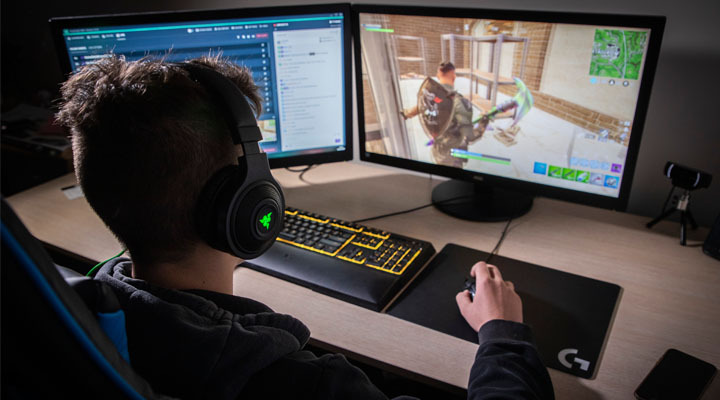
Fortnite has evolved far beyond its original battle royale concept. Today, it functions as a social platform where players attend concerts, explore custom experiences, participate in events, and communicate through multiple channels.
For younger Fortnite players, proposed restrictions could affect how they interact with other users. Voice chat, friend requests, party systems, and communication tools could face new safeguards designed specifically for minors.
Epic Games has already introduced several parental control features, including communication restrictions and permission settings. Future regulations may require these systems to become more comprehensive or enabled by default.
Players under certain age thresholds may encounter limitations when attempting to communicate with unknown users. Some features might require parental approval before becoming accessible.
Although these changes could reduce certain social opportunities, they may also provide safer environments for younger players who are vulnerable to inappropriate interactions.
Talking to Strangers in Roblox and Fortnite May Disappear
One of the most significant potential outcomes of future regulations involves restrictions on communication with strangers.
Many child safety advocates argue that open communication systems create unnecessary risks for young users. They believe that children should primarily interact with approved friends, family members, or verified contacts rather than random individuals encountered online.
If regulators adopt this approach, messaging systems could become far more restrictive. Younger users might only be able to communicate with people already on approved friend lists. Direct messages from unknown players could be blocked automatically.
Voice chat systems may also receive additional restrictions. Age-gated communication channels, enhanced monitoring, and parental approval requirements could become standard features.
For many gamers, meeting new people is a core part of the online experience. Eliminating or limiting these interactions would represent one of the most dramatic changes ever introduced to children’s online gaming environments.

Impact of UK Gaming Regulations on Multiplayer Games
The effects of new regulations would likely extend beyond Roblox and Fortnite. Nearly every multiplayer game designed for younger audiences could face new compliance obligations.
Games that rely heavily on social interaction may need to redesign communication systems. Friend discovery tools, group chat functions, community forums, and matchmaking systems could require substantial modifications.
Smaller developers may face particular challenges. Large companies possess the financial resources needed to implement advanced moderation technologies and compliance programmes. Independent studios often operate with significantly fewer resources.
As regulations become more complex, development costs may increase across the industry. Some studios may choose to limit social features entirely rather than invest heavily in compliance infrastructure.
The result could be a broader shift toward safer but more controlled multiplayer experiences.
How Developers Could Adapt to New Child Safety Requirements
Game developers are unlikely to remain passive if regulations become stricter. Instead, many companies will seek innovative ways to preserve social experiences while meeting legal obligations.
One approach involves age-segmented communication systems. Players could be grouped according to verified age ranges, reducing interactions between adults and minors.
Developers may also expand artificial intelligence moderation capabilities. Modern machine learning systems can identify harassment, inappropriate language, and suspicious behaviour more effectively than traditional moderation tools.
Enhanced parental dashboards could provide families with greater visibility into children’s gaming activities. Parents might gain access to detailed communication settings, interaction reports, and safety controls.
Some companies may explore alternative forms of social interaction that reduce risks while maintaining community engagement. Emotes, preset communication systems, and moderated social hubs could become increasingly common.
What the UK Proposal Means for Game Developers
The proposal carries significant implications for developers operating in the UK market.
Compliance requirements could influence game design from the earliest stages of development. Safety considerations may become as important as gameplay mechanics, monetization systems, and user retention strategies.
Companies will likely need larger moderation teams, stronger reporting systems, and more sophisticated age verification technologies. These investments could increase operational expenses considerably.
Developers may also face greater legal accountability if harmful interactions occur on their platforms. Regulatory penalties could create strong incentives for proactive safety measures.
At the same time, compliance could become a competitive advantage. Companies that successfully create safer environments may gain trust from parents, educators, and regulators.
The industry could eventually view child safety features as essential product components rather than optional additions.
Online Safety Laws and the Future of Gaming Communities
Online safety laws are increasingly shaping the digital landscape. Gaming communities, once viewed primarily as entertainment spaces, are now being examined through the lens of public safety and child protection.
Future gaming communities may become more structured and carefully monitored. Automated moderation systems could play a larger role in maintaining healthy environments.
Community guidelines are also likely to become stricter. Toxic behaviour, harassment, and inappropriate conduct may face faster enforcement and stronger penalties.
These developments could create more welcoming environments for younger users while reducing some of the spontaneity traditionally associated with online gaming communities.
The challenge for regulators and developers will be finding ways to maintain meaningful social experiences without exposing children to unnecessary risks.

Parent Reactions to Proposed UK Gaming Restrictions
Parents remain divided regarding potential restrictions.
Many support stronger protections because they worry about online predators, cyberbullying, and harmful content. These parents often view additional safeguards as necessary given the growing amount of time children spend online.
Others express concern that excessive restrictions could limit beneficial social experiences. Online games frequently help children build friendships, develop teamwork skills, and maintain connections with peers.
Some parents argue that education and supervision should play a greater role than government regulation. They believe that families should retain flexibility in determining how children engage with online platforms.
Despite differing opinions, there is broad agreement that child safety deserves serious attention. The debate centers primarily on how best to achieve that goal without unnecessarily restricting positive interactions.
How Roblox and Fortnite Might Respond to New Rules
Both Roblox and Fortnite have already demonstrated a willingness to invest heavily in safety initiatives.
Roblox has introduced age-based experiences, enhanced moderation systems, parental controls, and communication restrictions. Additional regulations could accelerate the development of these tools.
Epic Games has similarly expanded parental controls and communication management features within Fortnite. Future compliance efforts could include more sophisticated age verification systems and enhanced content monitoring.
Both companies possess substantial resources and technical expertise. As a result, they are likely to adapt more effectively than smaller competitors.
Industry observers expect major platforms to continue collaborating with regulators, safety organizations, and researchers as new requirements emerge.

The Debate Between Child Safety and Online Freedom
The discussion surrounding gaming regulations reflects a broader debate taking place across the internet.
Supporters of stricter rules argue that protecting children should take priority over unrestricted communication. They believe that modern technology provides sufficient tools to create safer online environments without eliminating social interaction entirely.
Critics warn that excessive restrictions may undermine personal freedom, creativity, and community building. They argue that online games often provide valuable opportunities for social development and self-expression.
This tension is unlikely to disappear. As technology continues evolving, policymakers will face ongoing challenges balancing safety with freedom.
The most effective solutions may ultimately involve a combination of regulation, parental involvement, platform responsibility, and digital education.
Could Other Countries Adopt Similar Gaming Restrictions?
The United Kingdom is not alone in exploring stronger online safety measures.
Governments around the world are increasingly examining how children interact with digital platforms. Australia, members of the European Union, Canada, and several other jurisdictions have already introduced or proposed regulations addressing online safety concerns.
If UK policies are perceived as successful, other countries may adopt similar approaches. International regulators often observe one another’s initiatives when developing new frameworks.
Global gaming companies may eventually implement standardized safety systems across multiple regions rather than maintaining separate policies for individual markets.
This could lead to broader industry-wide changes that affect players far beyond the UK.

The Future of Social Features in Games Designed for Children
The future of social features in children’s games will likely involve greater oversight, stronger protections, and more sophisticated safety technologies.
Communication systems are unlikely to disappear entirely. Instead, they may become more carefully managed through age verification, parental controls, artificial intelligence moderation, and safer default settings.
Developers will continue seeking ways to preserve the positive aspects of online interaction while minimizing risks. Innovation in safety technology could help create environments that are both engaging and secure.
As regulations evolve, gaming platforms may increasingly resemble highly moderated digital communities rather than completely open social spaces.
The long-term success of these efforts will depend on whether regulators, developers, parents, and players can work together to create balanced solutions that protect children without sacrificing the benefits of online social experiences.
In This Article (4 sections)
frequently asked questions (FAQs)
- What are the proposed UK gaming restrictions aimed at?
The proposed restrictions are primarily focused on improving child safety by reducing exposure to harmful interactions, online grooming, cyberbullying, and inappropriate communication within online games. - Why are Roblox and Fortnite frequently mentioned in these discussions?
Both platforms have large numbers of child users and extensive social features, making them central examples in conversations about online safety and gaming regulation. - Could children lose access to voice chat completely?
Not necessarily. Regulations would more likely introduce restrictions, parental controls, age verification requirements, and safer communication systems rather than eliminating voice chat entirely. - How could these rules affect multiplayer gaming?
Multiplayer games may need stronger moderation systems, age verification tools, communication controls, and enhanced parental oversight features. - Would parents gain more control over children’s gaming activities?
Yes. Many proposed safety measures involve expanding parental controls and providing greater visibility into children’s online interactions. - Could game developers face higher costs because of these regulations?
Yes. Compliance may require investments in moderation teams, artificial intelligence systems, age verification technologies, and legal oversight. - Are regulators treating games like social media platforms?
Increasingly, yes. Because many games include messaging, voice chat, and community features, regulators often view them as social platforms as well as entertainment products. - Could similar regulations appear outside the UK?
Yes. Other countries are already exploring online safety legislation, and successful UK measures could influence future policies elsewhere. - Will these changes only affect children’s accounts?
Most proposed restrictions focus specifically on minors, though platforms may introduce broader system changes that affect all users. - What is the long-term future of social gaming for children?
The future will likely involve safer, more moderated environments that balance social interaction with stronger protections against harmful behavior.
Conclusion
The UK’s ongoing efforts to strengthen child safety online could reshape how younger players interact within games such as Roblox and Fortnite. While the primary objective is to reduce exposure to harmful interactions, the proposed measures may also transform the social foundations of modern gaming. Communication systems, friend discovery tools, voice chat features, and community spaces could all face new requirements designed to protect minors. The challenge moving forward will be finding the right balance between safety and freedom. As regulators, developers, parents, and players continue this conversation, the future of children’s online gaming will likely become safer, more structured, and increasingly influenced by evolving digital safety standards.
Sources and Citation
- UK Online Safety Act and Associated Regulatory Guidance
- Online Safety Act 2023 (Legislation)
- Citation: Online Safety Act 2023, UK Parliament legislation.
- Online Safety Act Collection (GOV.UK)
- Citation: UK Government guidance and implementation resources for the Online Safety Act.
- Online Safety Act Explainer
- Citation: UK Government explainer outlining the purpose and requirements of the Act.
- UK Government Digital Safety Policy Documents
- Keeping Children Safe Online Changes Explained
- Citation: UK Government policy update covering child safety measures and age assurance requirements.
- Implementation of the Online Safety Act (House of Commons Library)
- Citation: Parliamentary research briefing on Online Safety Act implementation.
- Ofcom Online Safety and Child Protection Publications
- Protecting Children from Harms Online
- Citation: Ofcom consultation and guidance on child protection measures under the Online Safety Act.
- Protecting Children Hub
- Citation: Ofcom research and enforcement updates related to child online safety.
- Online Safety Overview
- Citation: Ofcom online safety regulatory framework and enforcement guidance.
- Ofcom Roadmap to Regulation
- Citation: Ofcom’s approach to implementing Online Safety Act obligations.
- Roblox Safety and Civility Resources
- Roblox Safety Center
- Citation: Roblox safety, reporting, parental controls, and civility resources.
- Roblox Parents Guide
- Citation: Official Roblox parental guidance and safety tools documentation.
- Epic Games Parental Controls and Safety Documentation
- Epic Games Safety Center
- Citation: Epic Games online safety policies, reporting tools, and account protections.
- Epic Games Parental Controls
- Citation: Official Epic Games parental control features and setup instructions.
- Childnet International Online Safety Research
- Childnet International Research and Resources
- Citation: Childnet educational materials and research on children’s online experiences.
- Childnet Digital Safety Hub
- Citation: Child-focused online safety guidance and digital citizenship resources.
- Internet Watch Foundation Child Protection Reports
- Internet Watch Foundation Reports and Research
- Citation: IWF reports on online child sexual abuse material and internet safety trends.
- Online Safety Act Explained (IWF)
- Citation: IWF overview of the UK’s Online Safety Act and child protection obligations.
- NSPCC Online Gaming Safety Guidance
- NSPCC Online Games Advice Hub
- Citation: NSPCC guidance on gaming safety, chat risks, and parental support.
- NSPCC Online Safety Hub
- Citation: NSPCC resources covering digital safety and child protection online.
- UK Information Commissioner’s Office Age Appropriate Design Code
- Age Appropriate Design Code
- Citation: ICO Children’s Code and Age Appropriate Design framework.
- ICO Children’s Code Guidance
- Citation: ICO guidance for services likely to be accessed by children.
- Academic Research on Online Child Safety, Gaming Communities, and Digital Communication Platforms
- Online Safety for All: Sociocultural Insights from a Systematic Review of Youth Online Safety in the Global South
- Citation: Oguine et al., 2025, systematic review of youth online safety research.
- A System of Care, Not Control: Co-Designing Online Safety and Wellbeing Solutions with Guardians ad Litem for Youth in Child Welfare
- Citation: Olesk et al., 2026, online safety and youth wellbeing research.
- Teens Need to Be Educated on the Danger: Digital Access, Online Risks, and Safety Practices Among Nigerian Adolescents
- Citation: Oguine et al., 2025, adolescent online safety and digital risk study.
- Age Appropriate Design: Assessment of TikTok, Twitch, and YouTube Kids
- Citation: Franqueira et al., academic assessment of child-focused digital platform design and safety.
Recommended
- Warhorse Knows They May Lose Some Players Because Kingdom Come: Deliverance is Intentionally Difficult, Why that Design Choice Makes the Game Special
- How do I create a bird’s-eye camera view in Blender?
- What is Stranger than Heaven? Full Overview from Xbox Presents Showcase
- Fortnite Adding Ability to Create Your Own Star Wars Games: Star Wars Toolset Coming to UEFN (March 19, 2026)
- Saros: Carcosan Modifiers Explained (Protections vs Trials, Balance Meter, and Best Builds for Easier Runs)
- Former Xbox Veteran Says Canceling The Last of Us Online Was the Right Call, Criticizes Naughty Dog and Sony for Green-lighting It in the First Place
- Life Is Strange TV Show Adds a Veteran Emmy-Nominated Director: Karyn Kusama to Helm Prime Video’s First Episodes
- Custom Skyboxes with Blender: Create Equirectangular HDRIs, Fix Seams, and Export to Unity & Unreal
- A Palworld Horror-Themed Dating Sim Spinoff Is on the Way: What We Know About More Than Just Pals
- Ghost of Yōtei Legends Last Major Update Confirmed



































































































