

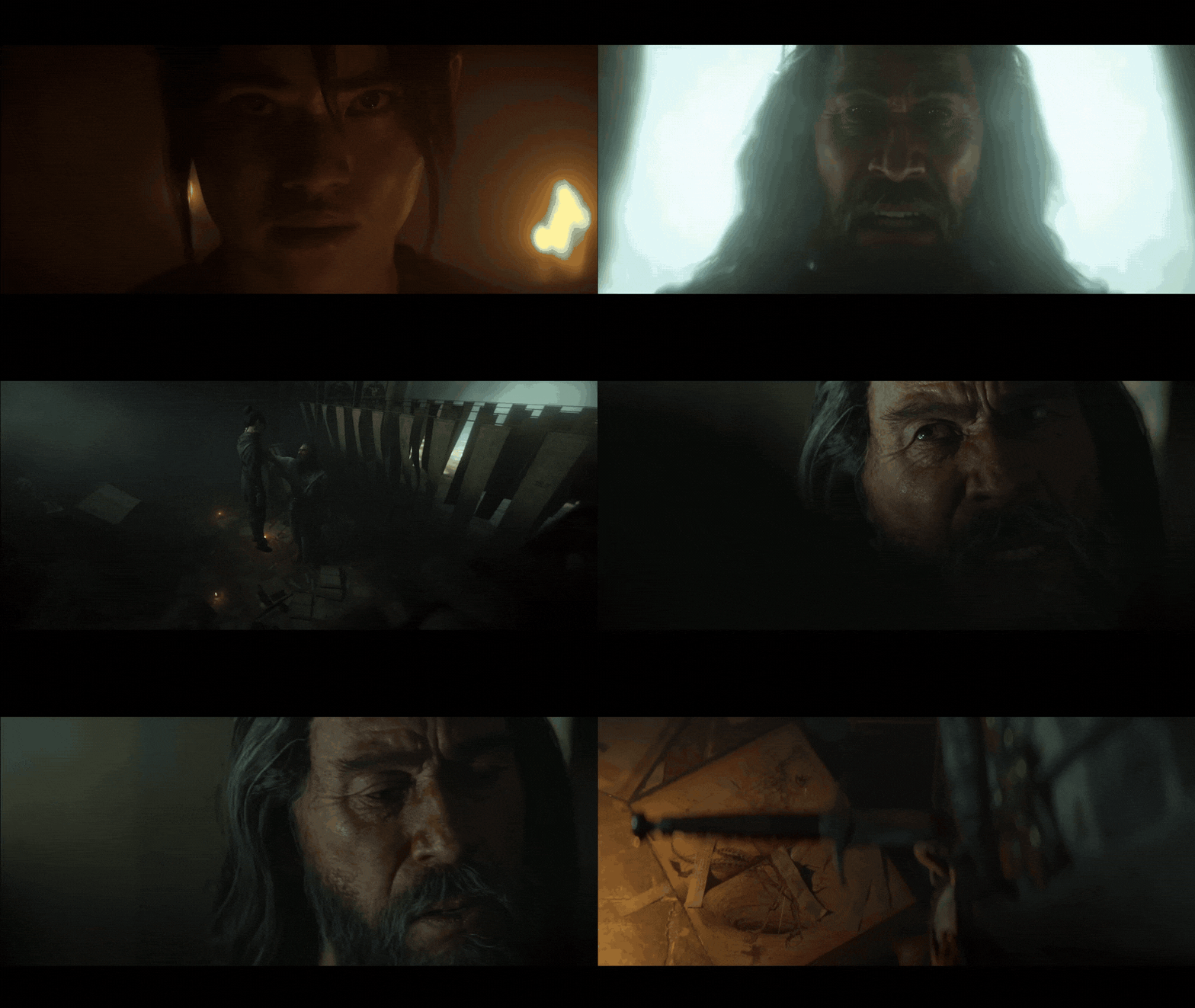




Stranger Than Heaven is a narrative-driven action game revealed during the Xbox Presents Showcase, developed by Ryu Ga Gotoku Studio, the team behind the acclaimed Yakuza / Like a Dragon franchise. The game introduces a bold new direction for the studio, blending cinematic storytelling, multi-era exploration, and experimental combat systems that break away from traditional action RPG conventions.
At its core, Stranger Than Heaven is an action-adventure title set across multiple time periods in Japan, following a mysterious protagonist who experiences a life spanning several decades. The Xbox Showcase presentation emphasized that the game is not just about fighting or exploration, but about identity, memory, and transformation across time.
Unlike typical linear narrative games, Stranger Than Heaven is structured around interconnected eras and evolving cities, where choices and progression in one timeline may influence the conditions of another. This creates a layered storytelling experience that aims to merge film-like narrative direction with interactive gameplay depth.
Stranger than Heaven Story Explained: Makoto Daito’s 50-Year Journey
The story of Stranger Than Heaven revolves around the protagonist Makoto Daito, a man whose life spans approximately 50 years across multiple historical periods in Japan.
The Xbox presentation revealed that Makoto’s journey begins in the post-war era and extends into modern Japan, suggesting that the game explores how time, society, and personal identity evolve in parallel.
Makoto is portrayed as a deeply complex character, someone who is neither purely heroic nor villainous. Instead, he is shaped by survival, ambition, loss, and the consequences of choices made across decades.
The narrative structure focuses on fragmented memories, meaning players will not experience the story in a strictly chronological order. Instead, key emotional and narrative events are unlocked through exploration, combat progression, and musical interactions within each city.
This storytelling method positions Stranger Than Heaven as a psychological journey rather than a simple action narrative, emphasizing emotional depth and long-term consequence.

All Five Cities Revealed in Stranger than Heaven and Their Time Periods
One of the most striking revelations from the Xbox Showcase was the confirmation of five distinct cities, each tied to a specific historical period:
- Kokura (1940s–1950s post-war era)
- Kure (1950s–1960s industrial rebuilding period)
- Osaka (1970s economic boom era)
- Atami (1980s bubble economy era)
- Tokyo (modern era)
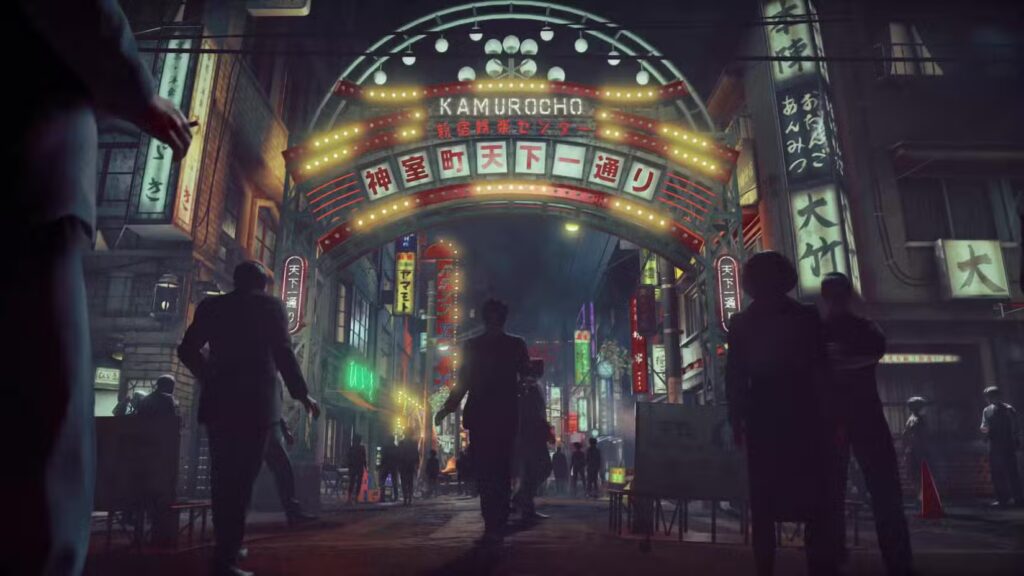
Each city is not just a location but a fully distinct world shaped by its historical and cultural context. The development team emphasized that architecture, music, fashion, and social behavior change dramatically between each era.
For example, Kokura reflects post-war recovery and hardship, while Tokyo represents modern technological society and psychological complexity. The transitions between these cities are not just visual but narrative-driven, reinforcing the theme of time as a living force in the game.
Stranger than Heaven Gameplay Details: What Xbox Showcase Revealed
Gameplay in Stranger Than Heaven is built on three major pillars: exploration, combat, and musical interaction.
The Xbox Showcase demonstrated that players will move between cities using a timeline-based progression system rather than traditional open-world travel. Each city acts as a semi-open environment with dense narrative zones, side activities, and dynamic encounters.
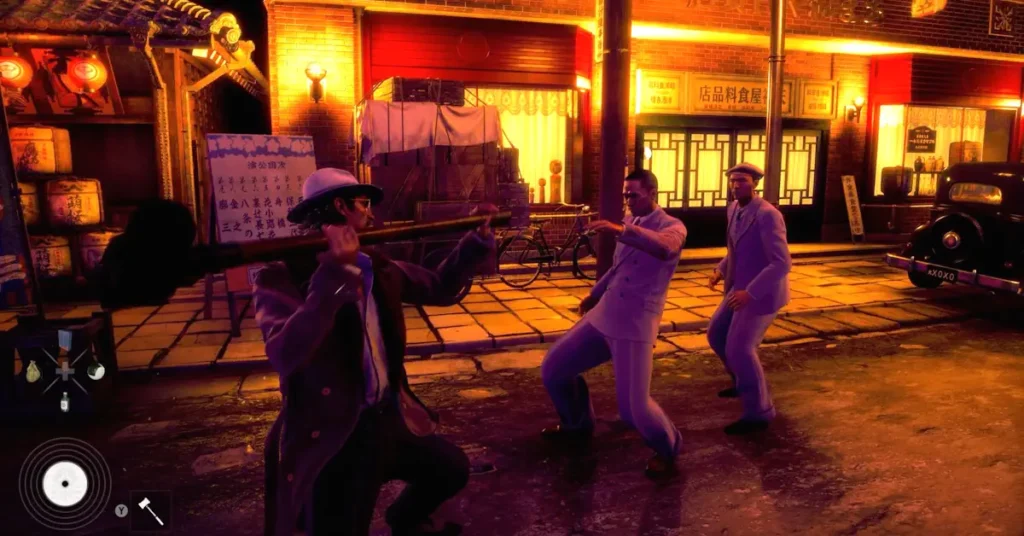
Combat is real-time and heavily stylized, but it is deeply tied to the protagonist’s emotional state and progression across timelines. The game also features rhythm-based mechanics tied to music, which influence both exploration and battle performance.
The developers emphasized that Stranger Than Heaven is designed to feel like “playing through a film where every action rewrites memory.”
Who is Makoto Daito? Main Protagonist Explained in Stranger than Heaven
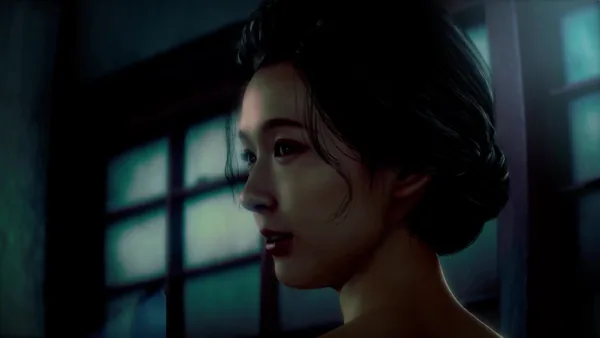
Makoto Daito is the central figure of Stranger Than Heaven and serves as the emotional anchor of the entire experience.
He is portrayed as a man who repeatedly reinvents himself across different decades, taking on different identities, roles, and social positions. Rather than aging in a conventional sense, Makoto evolves through narrative transformation.
The Xbox Showcase highlighted that Makoto’s character is deeply connected to music and performance culture, which influences both gameplay and story progression.
His journey is not simply about survival, but about understanding who he becomes as time reshapes his identity repeatedly.
Makoto’s personality shifts subtly across each era, reflecting the psychological effects of time displacement and lived experience.

Stranger than Heaven Combat System Breakdown: Left-Right Control Mechanics Explained
One of the most innovative systems revealed is the Left-Right Dual Control Combat System.
In this system, players control Makoto’s actions using a dual-sided input structure:
- Left side controls defensive and grounded actions
- Right side controls aggressive and aerial techniques
This design creates a rhythmic flow between defense and offense, requiring players to balance both sides of combat dynamically.
The system is intended to simulate emotional duality, where Makoto’s internal conflict is reflected directly in gameplay mechanics.
Timing, positioning, and directional awareness are critical, as enemies react differently depending on which side of the system is dominant during engagement.
How the New Dual-Side Combat System Works in Stranger than Heaven
Expanding on the combat foundation, the dual-side system integrates layered mechanics such as:
- Stance shifting between eras
- Emotion-based power scaling
- Environmental interaction attacks
- Context-sensitive finishers
Each side of the control system can be upgraded independently, allowing players to specialize in defensive mastery or offensive aggression, or balance both for hybrid playstyles.
The Xbox Showcase emphasized that combat is designed to feel “musical,” with rhythm and timing acting as invisible guides to execution.
This makes combat not only strategic but also expressive, reinforcing the game’s artistic identity.
Stranger than Heaven Musical Gameplay System and Sound Collection Mechanics
Music plays a central role in Stranger Than Heaven, both narratively and mechanically.
Players can collect, unlock, and perform music across different eras. These tracks are not just cosmetic but directly influence gameplay outcomes.
The system includes:
- Era-specific sound collection
- Performance-based progression bonuses
- Rhythm-linked combat enhancements
- Emotional resonance mechanics affecting story choices
Makoto’s connection to music is symbolic of memory preservation, as each track represents a fragment of his life across time.
The Xbox Showcase highlighted that music acts as a “bridge between broken timelines,” connecting fragmented narrative elements.
Xbox Game Pass Release Details for Stranger than Heaven Explained
Stranger Than Heaven is confirmed to launch as part of Xbox Game Pass, making it available to subscribers at release.
This ensures wide accessibility across Xbox Series X|S and PC platforms.
The Xbox Showcase also confirmed that the game will support Xbox Play Anywhere, allowing cross-save and cross-platform progression between console and PC.
This positions the game as a major first-party style release in terms of accessibility, even though it originates from a third-party studio partnership.
Stranger than Heaven Cast Reveals: Snoop Dogg, Tori Kelly & More Roles
The showcase also revealed a surprising celebrity voice and performance cast, including:
- Snoop Dogg
- Tori Kelly
These performers are expected to contribute to musical and narrative segments of the game, particularly within performance-driven gameplay sections.
Their involvement reinforces the game’s focus on music, identity, and cultural expression across timelines.
The casting choices suggest that Stranger Than Heaven is blending gaming with performance art and multimedia storytelling.
Stranger than Heaven Showbusiness Gameplay: Managing Performances and Bands
A unique gameplay system introduced is the Showbusiness Management System, where players can manage performances, bands, and entertainment careers across eras.
Makoto can participate in or manage musical acts depending on the timeline, influencing both story progression and world reputation.
This system includes:
- Scheduling performances
- Recruiting band members
- Managing public reputation
- Unlocking story branches through performance success
It introduces a simulation layer to the game, expanding beyond traditional action gameplay.
Stranger than Heaven Cities Timeline: Kokura, Kure, Osaka, Atami & Tokyo Explained
Each city in Stranger Than Heaven represents a distinct phase of Japan’s cultural and economic evolution:
- Kokura: Post-war reconstruction struggles and survival themes
- Kure: Industrial growth and naval influence
- Osaka: Economic expansion and urban nightlife
- Atami: Leisure culture and economic excess
- Tokyo: Modern psychological complexity and digital identity
The timeline structure allows players to witness how society transforms across decades while following Makoto’s personal evolution.
Is Stranger than Heaven Open World? Exploration Details from Xbox Showcase
Stranger Than Heaven is not a traditional open-world game.
Instead, it uses a multi-zone semi-open structure, where each city acts as a large explorable environment with narrative gating and timeline-based progression.
Players can freely explore within each era, but transitions between cities are story-driven rather than fully seamless.
This design ensures each era feels distinct and narratively focused while still allowing exploration freedom.
Stranger than Heaven Release Date, Platforms, and Xbox Play Anywhere Info
At the time of the Xbox Showcase reveal, Stranger Than Heaven does not yet have a confirmed final release date.
However, the game is confirmed for:
- Xbox Series X
- Xbox Series S
- PC (Windows)
- Xbox Game Pass at launch
- Xbox Play Anywhere support
The release window is expected to be announced in a future Xbox or Sega presentation.

How Stranger than Heaven Connects to RGG Studio’s Previous Games Style
While Stranger Than Heaven introduces a completely new setting and structure, it retains key DNA from Ryu Ga Gotoku Studio’s previous works.
These include:
- Strong narrative-driven character development
- Urban Japanese environments
- Deep emotional storytelling
- Cinematic presentation style
- Side activity systems integrated into main progression
However, unlike the Like a Dragon series, Stranger Than Heaven shifts away from traditional RPG combat systems and embraces experimental dual-control mechanics and timeline-based storytelling.
This makes it both a spiritual evolution and a creative departure from the studio’s past work.
Frequently Asked Questions (FAQs)
- What is Stranger Than Heaven about?
It is a multi-era action game following Makoto Daito across 50 years of Japanese history. - Who is the main character?
Makoto Daito, a man whose identity evolves across different decades. - Is Stranger Than Heaven open world?
No, it uses semi-open cities tied to specific timelines. - What makes the combat unique?
A dual-side control system separating offense and defense mechanics. - Does music affect gameplay?
Yes, music influences combat, exploration, and story progression. - Is it coming to Xbox Game Pass?
Yes, it launches day one on Game Pass. - Which cities are featured?
Kokura, Kure, Osaka, Atami, and Tokyo. - Who developed the game?
Ryu Ga Gotoku Studio. - Are there celebrities in the game?
Yes, including Snoop Dogg and Tori Kelly. - Does it connect to Like a Dragon?
It shares stylistic DNA but is a separate original IP.
Conclusion
Stranger Than Heaven represents one of the most ambitious reveals from the Xbox Presents Showcase, combining multi-era storytelling, experimental combat systems, and music-driven gameplay into a single cohesive experience. With its focus on identity across time, emotional narrative depth, and innovative mechanics, the game positions itself as a major evolution in cinematic action gaming.
Sources and Citations
- Official Xbox news coverage, showcase announcements, and platform updates
- Xbox Wire – Official Xbox News and Showcase Coverage https://news.xbox.com
- Official Ryu Ga Gotoku Studio website for franchise information, game details, and studio updates
- Ryu Ga Gotoku Studio Official Website https://ryu-ga-gotoku.com/en/
Recommendations
- Marvel Heroes and their Evil Version: The Best Dark Counterparts, Alternate Universes, and Corrupted Variants
- Expedition 33 Sequel? Writer Staying Quiet On Clair Obscur Franchise’s Future
- How Did the Director of the Final Fantasy 7 Remake Trilogy Find Time to Beat His Next Game 40 Times? Naoki Hamaguchi Explains the “Over 40 Full Playthroughs” Claim
- This First Look at Diablo 4: Lord of Hatred Prequel “The Lost Horadrim” Has Us Eager for More (Release Date, Story, Characters)
- PBR vs Hand-Painted Texturing: Differences, Workflows, and When to Use Each
- Intergalactic by Naughty Dog: Rumors, Leaks, and What We Know About the Studio’s Potential Sci-Fi Project
- Palworld Horror-Themed Dating Sim Spinoff Is Real: What We Know About More Than Just Pals
- Kingdom Come: Deliverance Developer Donation to Real-Life Castle Explained
- Do You Need Nintendo Switch Online To Play Pokemon Champions? 2026 Answer and What You Actually Need
- Scrapped The Mandalorian Season 4 Scripts Featured Thrawn: What Was Planned Before the Star Wars Movie Pivot