








PS6 Release Date Latest Rumors (2028 vs 2029)
While early speculation targeted a 2027 launch based on Sony’s traditional 7-year cycle, current reports suggest a shift in the timeline.
- Extended Lifecycle: In February 2026, Bloomberg reported that Sony is considering a release window of 2028 or 2029. This would make the PS5 generation the longest in the brand’s history.
- Regulatory Indicators: Sony’s own 2022 regulatory filings with the UK CMA previously signaled that the PS6 would not debut before 2028.
- Competitive Landscape: Microsoft is reportedly targeting a late 2027 release for its next Xbox console. If Sony launches in 2028 or 2029, Xbox may have a market advantage of a year or more.
- Industry Hints: AMD CEO Lisa Su has hinted at next-gen hardware plans for 2027, though Sony’s internal considerations appear to favor a later debut.
When Will Sony Announce PS6
Sony historically reveals its consoles 12 to 18 months prior to their actual release to protect current hardware sales.
- Announcement Predictions: If a 2028 launch is planned, an official announcement could occur in late 2026 or 2027. If the launch is pushed to 2029, the reveal likely won’t happen until 2028.
- Current Focus: Sony’s CFO stated in late 2025 that the PS5 was only halfway through its lifecycle. Consequently, Sony is currently prioritizing the PS5 and the PS5 Pro over next-gen marketing.
- Early Indicators: While full reveal events are years away, early information may surface sooner through developer kit leaks or corporate job postings.
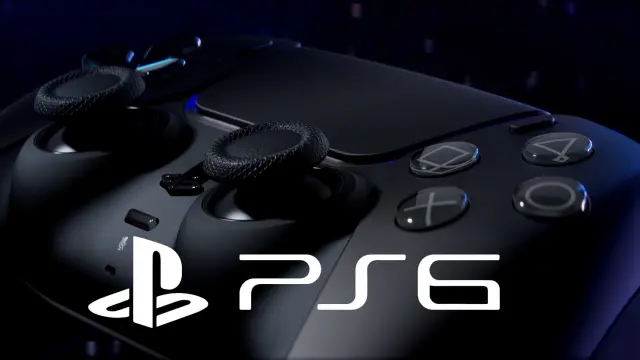
PS6 Launch Timeline Compared to PS5 and PS4 Console Cycles
Comparing the potential PS6 release to previous generations highlights a shift toward longer hardware lifespans:
- PlayStation 3: Launched in 2006; lasted 7 years until the PS4.
- PlayStation 4: Launched in 2013; lasted 7 years until the PS5.
- PlayStation 5: Launched in late 2020; a traditional 7-year cycle would result in a 2027 successor, but current projections suggest an 8-to-9-year lifespan.
PS6 Launch Timeline Compared to PS5 and PS4 Console Cycles
Sony has maintained a remarkably consistent 7-year generation cycle for decades, leading many to initially predict a 2027 release for the PS6. However, current trends suggest a significant departure from this pattern.
- Unprecedented Lifespan: Credible rumors of a 2028–2029 launch indicate the PS5 era could last 8 to 9 years, surpassing the 7-year record set by the PS3-to-PS4 transition.
- Strategic Prolongation: Sony has expressed a desire to sustain user engagement between generations. In 2025–2026, the company is focused on its active PS5 user base, which recently saw record-high activity levels.
- Mid-Generation Refresh: Sony considers the PS5 to be in its “mid-life” as of 2025. The launch of the PS5 Pro in late 2024 was specifically intended to refresh the current generation and extend its market appeal.
- Contextual Delays: The PS5’s initial slow start—caused by the pandemic and chip shortages—combined with new market forces, has contributed to the decision to stretch the hardware cycle.
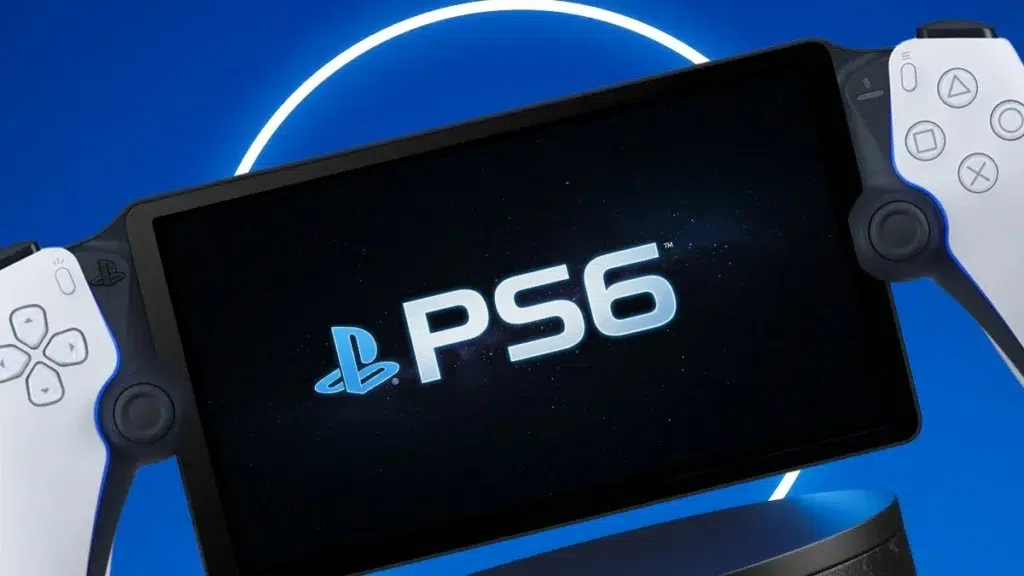
Why PS6 Could Be Delayed (RAM Prices, Chip Supply, AI Demand)
Sony’s decision to potentially push the PS6 into 2028 or 2029 is largely driven by converging headwinds in the global semiconductor and memory markets.
- Global RAM Shortage: An AI-driven “RAMpocalypse” has caused memory prices to skyrocket. Reports indicate that AI companies, such as OpenAI, have secured up to 40% of the world’s RAM supply, leaving consumer electronics manufacturers with limited and expensive options.
- Semiconductor Supply Chain Strain: While general chip shortages have eased, high-end manufacturing capacity at foundries like TSMC is currently dominated by orders for AI accelerators. This forces console makers to either pay a premium for production or wait for capacity to open up.
- Competitive Component Demand: Cloud computing and emerging technologies are competing for the same electronic components. Sony appears to be waiting for memory supplies to stabilize rather than launching a new console with high production costs that would necessitate a prohibitive retail price.
- Risk Mitigation: With over 40 million PS5 units sold and record engagement, Sony faces little pressure to rush a successor. Delaying the PS6 ensures the company can launch with ample stock and a more favorable cost structure, avoiding the supply issues that plagued the early years of the PS5.
The following summary details the pricing outlook for the PlayStation 6, analyzing how component costs and market trends distinguish it from the PlayStation 5 era.
How much will the PS6 cost (realistic launch price predictions)
Predicting the exact MSRP of the PS6 is complex, but industry analysis suggests a higher price point than the previous generation.
- Price Range Estimates: Most analysts project a launch price between $500 and $600 for the base model. While $499 is considered the absolute floor, $549 or $599 are viewed as more realistic targets.
- Worst-Case Scenarios: If memory scarcity and production costs remain extreme, some experts warn the PS6 could reach or exceed the $700 mark, particularly for models with higher storage or disc drives.
- Market Sensitivity: Sony is aware of the historical backlash to the PS3’s $599 launch price. To mitigate this, they may repeat the PS5’s dual-SKU strategy, offering a Digital Edition at a slightly lower price point.
- Inflationary Pressures: By 2026, global inflation and the 2022 PS5 price hikes in various regions have already established a trend of rising hardware costs, making a $599 price point more likely than in previous decades.
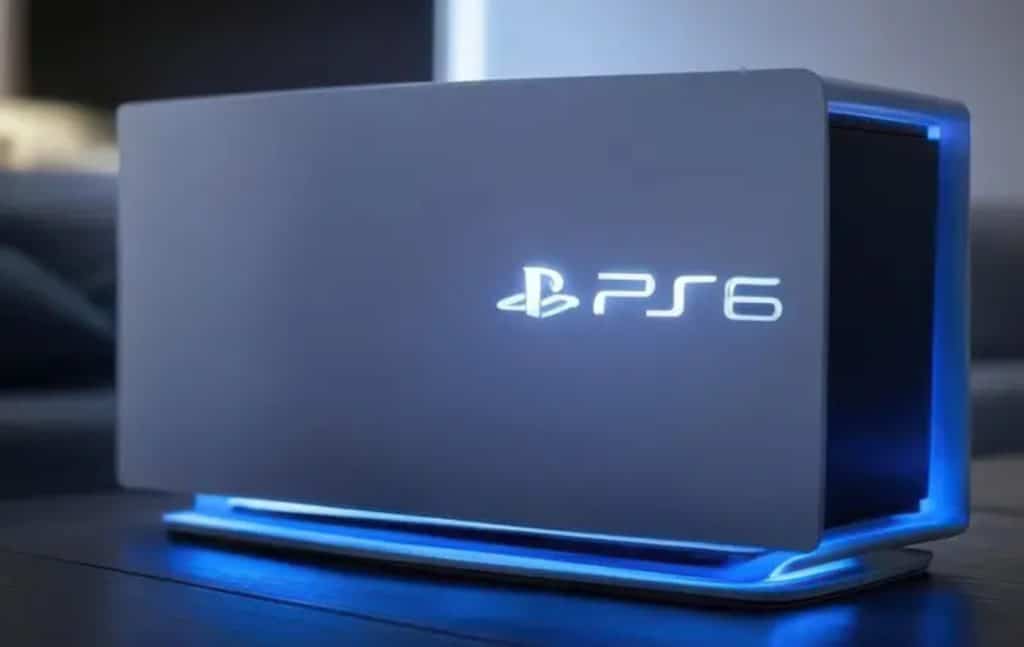
PS6 price vs PS5 launch price (what changed and why it matters)
The economic landscape for the PS6 differs significantly from the environment in which the PS5 debuted at $499.
- Component Advancements: The PS5 utilized maturing 7nm process technology. The PS6 is rumored to use 2nm or 3nm chipsets and GDDR7 memory. Because these technologies are newer and more expensive to fabricate, the base cost of materials will be substantially higher.
- Global Economic Shifts: Increased labor costs, materials scarcity, and currency fluctuations have made electronics more expensive to produce than they were in 2020. The purchasing power of $499 has effectively decreased in terms of manufacturing capability.
- Shift in Consumer Expectations: The gaming market has seen a growing acceptance of premium-priced hardware. The release of the PS5 Pro at $699 served as a market test, proving that consumers are willing to pay more for high-end gaming technology.
- Strategic Balancing: Sony must balance its need for profitability against the necessity of mass-market adoption. While the “acceptable” price for hardware has shifted upward, the company still aims to avoid the adoption hurdles caused by excessive pricing.
PS6 Price vs. PS5 Pro Pricing (What It Suggests About PS6 Cost)
The release of the PS5 Pro in November 2024 at $699 serves as a critical indicator for Sony’s future pricing strategy. By establishing a higher price floor for high-end hardware, Sony has signaled a shift in the traditional “affordable console” model.
- New Psychological Price Ceiling: The PS5 Pro’s $699 price tag (which excludes a disc drive and vertical stand) has effectively set a new baseline. Its market reception indicates that a segment of the audience is willing to pay a significant premium for advanced features like PSSR AI upscaling and enhanced ray tracing. This may embolden Sony to launch the PS6 at a similar or even higher price point.
- Performance Justification: As the PS6 must significantly outperform the PS5 Pro—incorporating next-gen CPU architectures and faster GPUs—Sony may use this performance leap to justify a high MSRP. Given that $699 has been normalized by the Pro, the PS6 base model could feasibly land in the $600 to $700 range.
- Multi-Tier Product Strategy: The PS5 generation proved the viability of a multi-model approach (Standard vs. Digital). Experts suggest Sony will continue this with the PS6, potentially offering a Digital Edition for $599 and a Standard Edition for $699, mirroring the price spread established by the PS5 Pro and Slim models.
- The “Premium” Shift: Since the PS5 Pro’s launch, the industry has observed a “class divide” in gaming. With high-end components like GDDR7 memory seeing price increases due to the global AI boom, Sony is likely to prioritize high-end performance over the aggressive “loss-leader” pricing tactics used in previous decades.

PS6 Price vs PS5 Pro Pricing (What it Suggests About PS6 Cost)
The pricing of the PS5 Pro serves as a benchmark for future console costs, reflecting the reality of modern component expenses and inflation.
- Normalization of Premium Pricing: The PS5 Pro’s $699 price point in 2024 established that a high-end console can find market acceptance among core gamers. This suggests that a launch price in the $599–$699 range for the PS6 in 2028 is increasingly plausible.
- Justification through Innovation: The Pro’s cost was justified by its powerful GPU, increased storage, and specialized features. Sony is expected to use a similar strategy for the PS6, using significant performance leaps to justify a premium launch price.
What Could Make PS6 More Expensive (Chips, RAM, SSD Storage)
Several cutting-edge technical components are expected to drive the manufacturing costs of the PS6 significantly higher than those of the PS5.
- Advanced Processor and Graphics Chips: The PS6 is rumored to feature an AMD Zen 6 CPU and RDNA 5 GPU. These will likely be built on a 2nm process node, which is more expensive to fabricate due to higher wafer costs and lower initial yields. The increased transistor count required for targeted performance leaps (potentially 30+ TFLOPs) further raises the cost of the “brain” of the console.
- High-Capacity, High-Speed Memory (RAM): The move to GDDR7 memory will provide higher bandwidth but comes with a higher price tag. If Sony increases total RAM capacity (potentially to 24GB or more) during a global memory shortage driven by AI demand, the Bill of Materials (BOM) will rise sharply.
- Larger and Faster SSD Storage: Given increasing game sizes, a 2TB PCIe Gen5 or Gen6 SSD may become the new standard, matching the PS5 Pro’s capacity. While storage prices generally trend downward, high-performance NVMe technology remains a significant expense, especially if Sony prioritizes even faster read/write speeds for seamless loading.
- More Advanced Cooling and Power Delivery: Increased power often results in higher heat output. The PS6 may require elaborate cooling solutions—such as larger heatsinks, vapor chambers, or liquid cooling innovations—to manage a 2nm processor. These robust systems, along with high-wattage power supplies, add to the total manufacturing cost.
- Additional Features or Coprocessors: The inclusion of dedicated AI accelerators (potentially via collaborations like “Project Amethyst”) adds extra silicon costs. Incremental expenses also arise from updated input/output ports (such as USB4) and any specialized hardware required for advanced features.

Will PS6 be backwards compatible with PS5 games
There is a strong expectation that the PlayStation 6 will be backwards compatible with PS5 games, as maintaining software continuity is considered a top priority for Sony.
- Same family of architecture (AMD x86-64): Both the PS5 and the upcoming PS6 are expected to use custom AMD CPU and GPU designs based on x86-64 architecture. Sticking with this fundamental architecture simplifies the process of running older software, similar to the smooth transition from PS4 to PS5. According to reports, Sony specifically chose AMD over Intel for the PS6 chip contract to avoid jeopardizing native compatibility with PS5 titles.
- Explicit focus on compatibility: Insider reports indicate that Sony engineers have prioritized backwards compatibility throughout the planning stages of the PS6. The decision to remain with AMD’s architecture was driven by the desire to ensure that players can bring their existing digital and physical libraries forward without technical hurdles.
- Industry standards and track record: Sony has shifted toward embracing backward compatibility following the success of the feature on the PS5, which natively supports thousands of PS4 games. Maintaining this functionality is seen as essential for seamless community migration between generations and allows Sony to remain competitive with Microsoft’s extensive Xbox backward compatibility offerings.
Will PS6 be backwards compatible with PS5 games
The hardware architecture choices for the PlayStation 6 suggest a seamless transition for current users, ensuring that PS5 libraries remain relevant.
- Day-One Support: PS5 games, both digital and disc-based, are expected to work on the PS6 from launch. While some titles may require patches, the transition is expected to mirror the PS4-to-PS5 experience.
- Data Continuity: Saved data and trophies are likely to carry over via PlayStation Network (PSN) accounts.
- Performance Benefits: PS5 titles may see enhancements on PS6 hardware, such as more stable or higher frame rates.
- Strategic Ecosystem: By ensuring compatibility, Sony incentivizes players to remain within the PlayStation ecosystem and avoids the library abandonment issues seen during the PS3-to-PS4 transition.
Will PS6 play PS4 games and PS4 discs
The PlayStation 6 is expected to support PS4 software indirectly through the compatibility framework already established for the PS5.
- Generational Inheritance: Because the PS5 is compatible with almost all PS4 games, and the PS6 is expected to be compatible with the PS5, the PS6 should inherit the ability to run PS4 titles. This could make the PS6 a multi-generational device capable of playing PS4, PS5, and PS6 software.
- PS5 Compatibility Mode: Technically, the PS6 will likely utilize a “PS5 mode” to run PS4 games, leveraging the existing framework that allows the PS5 to emulate PS4 and PS4 Pro environments. Any PS4 game currently compatible with PS5 is logically expected to function on the PS6.
- Physical Media Support: If the PS6 includes a UHD Blu-ray disc drive, it will be physically capable of reading the 50GB Blu-ray discs used for PS4 games. The hardware should recognize and install these games just as the PS5 does today.
- Hardware Enhancements: At a minimum, PS4 titles should run at PS5-level performance on the new console. There is also the potential for further hardware-level improvements, such as resolution boosts or more stable performance for games with unlocked frame rates.
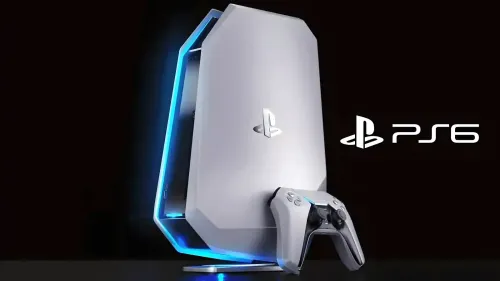
Will PS6 support PS3 games (PS3 backwards compatibility expectations)
Supporting PlayStation 3 software on the PS6 is significantly more complex than supporting PS4 or PS5 titles due to the unique “Cell” broadband engine architecture used in the 2006 console.
- Native Compatibility vs. Emulation: It is highly unlikely that the PS6 will include physical hardware to run PS3 code natively. However, by 2028 or 2029, the PS6’s CPU is expected to be powerful enough to potentially handle widespread software emulation. While the PS5 was considered to be on the cusp of this capability, the PS6 represents a further leap that could make console-based PS3 emulation more feasible.
- Sony Patents and Rumors: Lead architect Mark Cerny filed a patent in 2024 related to testing software in a mode that mimics the performance of older devices to identify compatibility issues. This has sparked speculation that Sony is developing a system to help the PS6 handle legacy libraries, potentially including PS3 titles.
- Cloud vs. Local Play: Despite fan demand for native disc support, the most realistic expectation is that Sony will continue to rely on cloud streaming via PlayStation Plus Premium for PS3 titles. Sony may choose to maintain its existing streaming infrastructure rather than developing a robust emulator.
- Select Emulation and Remasters: A middle-ground scenario involves Sony implementing a software emulator for a curated selection of popular PS3 titles or continuing to release standalone remasters (similar to The Last of Us or Uncharted) specifically optimized for newer hardware.
Will PS6 support PS3 games (PS3 backwards compatibility expectations)
The technical barriers to PlayStation 3 support remain high, making native playback a significant challenge for the upcoming console.
- Prioritization of Modern Architecture: Sony’s primary focus for the PS6 is compatibility with PS5 and PS4 software, as these generations share a modern hardware architecture.
- Legacy Support Limitations: Support for older generations (PS1, PS2, and PS3) is currently expected to remain limited to cloud streaming and occasional classic re-releases, similar to the current PS5 model.
- Speculative Improvements: While increased computing power and recent patents offer some hope for broader emulation-based support, there are no definitive reports as of 2026 confirming that the PS6 will natively support PS3 discs or downloads.
Will PS6 support digital PS5 purchases (will your library carry over)
It is highly expected that the PlayStation 6 will support your existing digital PS5 library, allowing for a persistent experience across generations.
- Account-Based Continuity: Your digital PS5 library should carry over to the PS6 via your PlayStation Network (PSN) account. By signing in, players are expected to have immediate access to their purchased titles for download and play.
- Cross-Buy and Upgrades: Many late-generation PS5 titles may offer upgrades or enhancements for the PS6. Even if a specific PS6 version is not available, the original PS5 purchase is expected to remain playable on the new hardware.
- Library Integration: Following the UI design of the PS5, legacy titles will likely appear in the PS6 library with specific labels (such as a “PS5” tag) to help players differentiate between generations.
- DLC and Save Data: Digital continuity is expected to extend beyond full games to include DLC purchases and cloud saves via PS Plus. This ensures that players can access extra content and resume their progress seamlessly on the new console.
The following summary outlines the expectations for digital continuity and accessory support for the PlayStation 6, based on Sony’s historical patterns and current industry standards.

Will PS6 support digital PS5 purchases (will your library carry over)
Digital continuity has become a fundamental expectation in the gaming ecosystem, and Sony has integrated this lesson into its hardware strategy.
- Account Persistence: Your digital PS5 library is expected to follow you to the PS6 via your PlayStation Network account. This mirrors the PS4-to-PS5 transition, where digital purchases remained accessible on newer hardware.
- Investment Protection: Gamers can continue purchasing titles in the late years of the PS5 lifecycle without the fear of needing to re-purchase them for the PS6.
Will PS6 support PS5 accessories (controllers, PS VR2, headsets)
Support for existing PlayStation 5 peripherals on the PS6 will likely depend on the specific type of accessory and its intended use.
- Controllers: Based on past behavior, Sony may require a new “DualSense 2” controller for native PS6 games to ensure players experience new haptic or trigger features. While the current DualSense will likely work for playing PS5 titles in backward compatibility mode on the PS6, it may be restricted for new PS6-specific software.
- PS VR2: Given that the PlayStation VR2 is a relatively recent and significant investment, it is highly probable that the headset will be forward-compatible with the PS6. The new console’s power could potentially enhance existing VR2 titles with higher resolutions or frame rates.
- Headsets and Audio: Standard USB and Bluetooth audio accessories, including the Pulse 3D wireless headset and third-party gear, are almost certain to remain compatible with the PS6.
- Other Peripherals: Media remotes, charging stations, and specialty controllers (like fight sticks) that use universal Bluetooth or USB standards should continue to function. External USB drives used for PS4 and PS5 game storage will likely be usable for backward-compatible titles, though native PS6 games will likely require the high-speed internal drive.
- Streaming Gear: Generic accessories like the PS5 HD Camera are expected to work on the PS6, provided the necessary driver support is included in the new system software.
The following summary details how Sony’s patent filings and strategic decisions may shape the PlayStation 6’s approach to hardware and software compatibility.

Will PS6 support PS5 accessories (controllers, PS VR2, headsets)
Official support for older peripherals will ultimately depend on Sony’s corporate strategy, though industry precedents suggest a lean toward inclusivity.
- Consumer Precedent: Microsoft’s support for Xbox One accessories on the Series X has set a consumer-friendly standard that Sony may choose to follow to maintain goodwill.
- Compatibility Expectations: It is expected that most PS5 accessories, specifically the PS VR2 and audio gear, will function on the PS6.
- DualSense Limitations: While the DualSense controller will likely work for backward-compatible PS5 games, it may not serve as the primary controller for native PS6 titles if Sony chooses to prioritize new hardware features.
PS6 backwards compatibility patents and what they might mean
Sony’s research and development, led by system architect Mark Cerny, indicates a deep technical commitment to ensuring the PS6 can handle legacy software.
- Performance Simulation Patent: A 2024 patent describes a method for testing backward compatibility by inducing “skew.” This allows new hardware to simulate the specific performance characteristics of older consoles—such as intentionally underclocking the system—to prevent glitches caused by the higher speeds of newer processors.
- Broad Generational Support: The timing and nature of these patents suggest Sony is preparing a unified compatibility layer. This could potentially allow the PS6 to address the distinct challenges of running PS1, PS2, and PS3 software, alongside PS4 and PS5 titles.
- R&D Focus: Earlier patents from 2020 further confirm that adjusting clock speeds for legacy applications is a long-standing area of research for Sony’s engineering teams.
- Potential Outcomes: While patents do not guarantee final features, they suggest several possibilities for the PS6:
- The inclusion of internal software designed to emulate or adjust to various older hardware behaviors.
- The potential use of AI or machine learning to improve compatibility or provide automated enhancements like resolution upscaling for older titles.
- A rigorous framework for ensuring that PS5 games run flawlessly on the more powerful PS6 hardware.
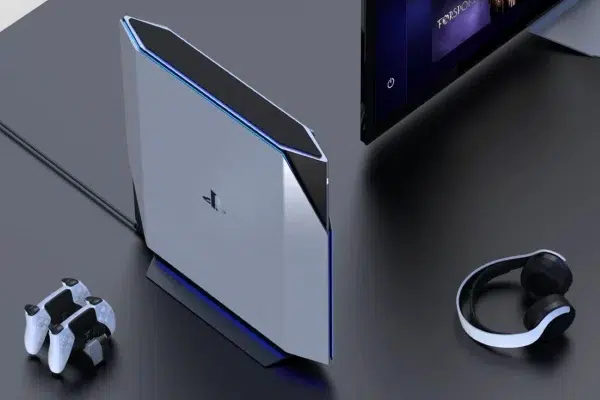
PS6 chip maker rumors (AMD and backwards compatibility)
The selection of the PlayStation 6’s processor manufacturer was a pivotal decision that directly impacts the console’s ability to play existing games. Reports from 2024 and updated insights from early 2026 clarify why Sony chose to maintain its long-term partnership with AMD.
- Intel’s Competitive Bid: In 2022, Intel actively competed for the PS6 chip design and manufacturing contract. Securing this deal could have generated an estimated $30 billion in revenue for Intel and provided a major boost to its foundry business.
- Backwards Compatibility Concerns: A primary reason for Intel’s rejection was the risk to backwards compatibility. Sony’s engineers determined that moving from AMD’s custom silicon to Intel’s architecture would have been costly and technically complex. Ensuring that PS5 games ran flawlessly on an Intel-based system would have required significant engineering resources that Sony was unwilling to divert.
- The Dispute Over Profit Margins: Beyond technical hurdles, negotiations between Intel and Sony reportedly stalled over a dispute regarding profit-sharing. Intel’s desire for a larger cut per chip sold further complicated the deal.
- AMD Wins the Contract: AMD eventually secured the PS6 contract, ensuring that the next-gen console will feature a custom System-on-Chip (SoC) based on evolved AMD Zen 6 CPU and RDNA 5 GPU architectures (potentially a “hybrid” RDNA 5 to manage costs). This continuity allows Sony to build the PS6 as a direct evolution of the PS5 and PS5 Pro designs.
- Avoidance of Radical Architecture Shifts: While there was brief speculation about Sony considering ARM-based architectures, this was largely dismissed. Such a shift would have fundamentally broken compatibility with the PS4 and PS5 libraries. By sticking with the AMD x86 family, Sony guarantees that players can carry their existing digital and physical libraries forward with minimal friction.
PS6 Chip Maker Rumors (AMD and Backwards Compatibility)
Sony’s decision to maintain its partnership with AMD for the PS6 ensures that the new console will be an evolution of the existing PS4 and PS5 hardware architecture.
- Continuity of Architecture: Backwards compatibility was a primary factor in Sony’s decision to stay with AMD. By avoiding a shift to a different manufacturer like Intel, Sony ensures that PS5 features—such as the geometry engine and ray-tracing support—can carry forward and improve seamlessly.
- Industry Synergy: The collaboration suggests continued synergy between console and PC hardware. If the PS6 utilizes future technologies like RDNA 5, these advancements will likely inform AMD’s PC GPU designs, as seen with previous generations.
- Developer and Player Transition: By building on familiar yet advanced technology, Sony is setting the stage for an easier transition for both game developers and players, avoiding the pricing and compatibility risks that led to Intel’s exclusion from the contract.
Should You Buy a PS5/PS5 Pro Now or Wait for PS6
With the PlayStation 6 launch estimated for late 2028 or 2029, waiting several years may not be the most practical choice for many gamers.
- Timeline Considerations: As of 2026, the PS6 is likely 2.5 to 4 years away. With Sony’s CFO indicating in 2025 that the PS5 was only halfway through its lifecycle, the current platform will remain the primary focus for major releases and exclusives through at least 2028.
- Access to Current Library: The PS5 currently hosts an enormous catalog of native games and enhanced PS4 titles. Waiting for the next generation means missing out on years of active gaming experiences on a platform that is currently at its peak.
- Launch Scarcity and Cost: The PS6 is projected to be expensive (approximately $600) and may face supply shortages due to AI-driven component demand. Investing in a PS5 or PS5 Pro now allows players to avoid the “early adopter scramble” and potentially high launch-day prices.
- The PS5 Pro Advantage: For those seeking high-end performance, the PS5 Pro (released in 2024) offers 4K and 120Hz enhancements immediately. Alternatively, the base PS5 has become more affordable in some regions following the Pro’s release, offering a cost-effective entry point.
- Ecosystem Building: Purchasing a PS5 now allows players to build a digital library and collect accessories that, as established, are highly likely to carry forward into the PS6 era.
When might waiting make sense? If you’re a very casual gamer who isn’t itching for new games, or if your budget is such that you prefer to save for the truly next-gen experience, you might hold off – but you’d be missing out on a lot in the meantime. Another scenario is if you strictly want the absolute best hardware and don’t mind a long wait; then you’d skip the Pro and endure until PS6. But keep in mind, by 2027 you’ll hear tons about PS6 and it might get tempting to wait just a bit more at that point – however, that’s far out.
In summary, for most people: enjoy the PS5 now (or the PS5 Pro if you want the upgrade), because the PS6 is still quite far off in the future. There’s a strong lineup of games between now and 2028 that you don’t want to miss. And when PS6 eventually arrives, it will be backwards compatible, so all your PS5 purchases won’t go to waste.
You can safely buy into the PS5 ecosystem knowing it will transition with you. Waiting on the sidelines for years just to get a PS6 on day one likely means lost years of gaming enjoyment. So our advice is: if you want a PlayStation, get a PS5 in the near term and have fun – you can always evaluate the PS6 when it finally becomes a reality.
The following summary provides a concise breakdown of the most frequently asked questions regarding the PlayStation 6, based on current industry reports and technical projections as of 2026.
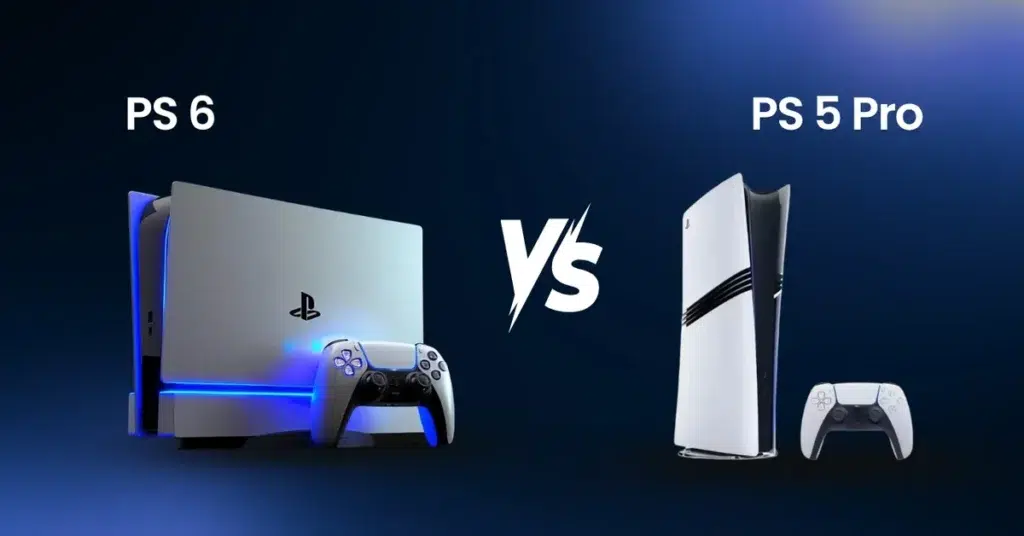
Frequently Asked Questions (FAQs)
- When is the PS6 coming out?
Sony has not officially announced a date, but current rumors point to a launch in 2028 or 2029. This extends the PS5’s lifecycle to roughly 8–9 years. Regulatory documents previously hinted that a next-generation console would not arrive before 2028. - When will Sony officially announce the PS6?
An official announcement is expected in late 2027 or 2028. Sony typically unveils new hardware about a year before it hits shelves to maintain focus on current platforms like the PS5 and PS5 Pro. - How much will the PS6 cost at launch?
Analysts predict a base model price between $500 and $600 USD. Due to rising component costs, it is unlikely to launch at the PS5’s original $499 price point, with some estimates reaching $700 if high-end RAM prices remain elevated. - Why might the PS6 be more expensive than the PS5?
The increase is driven by advanced hardware (2nm chips, GDDR7 RAM, and larger SSDs), a global semiconductor shortage fueled by AI demand, and general economic inflation. These factors raise the manufacturing “build cost,” which translates to a higher retail price. - Will the PS6 be backwards compatible with PS5 games?
Yes. Architectural continuity is a priority; the PS6 will use a custom AMD chip similar to the PS5’s. Sony’s decision to stay with AMD was specifically intended to ensure that your PS5 library functions on the new console. - Will the PS6 also play PS4 games?
Very likely. Because the PS5 is compatible with the PS4, and the PS6 is compatible with the PS5, the PS6 should indirectly support the PS4 library. This would allow the PS6 to support three generations of games via discs (if equipped with a drive) or digital downloads. - Will the PS6 support PS3, PS2, or PS1 games?
Unconfirmed and unlikely for native discs. PS3 support is difficult due to its unique architecture, likely restricting it to cloud streaming. While patents suggest Sony is exploring better emulation, original PS1/PS2/PS3 discs are not expected to work. These legacy titles will likely remain tied to digital re-releases or PS Plus streaming. - Who is making the PS6’s CPU/GPU?
AMD has won the contract for the PS6 processor, beating out Intel. The console is rumored to feature a custom Zen 6 CPU and RDNA 5 GPU built on an advanced 2nm node. - Should I buy a PS5 / PS5 Pro now, or wait for the PS6?
Buy now. With the PS6 at least 3 years away, waiting means missing out on several years of gaming. Since the PS6 will be backwards compatible, any games or digital libraries you build on PS5 now will carry over to the next generation anyway. - Will my digital games, DLC, and accessories for PS5 work on PS6?
Yes. Digital purchases and DLC will carry over via your PSN account. Most accessories like the PS VR2 and Pulse headsets should be supported. DualSense controllers will likely work for playing PS5 games on the new system, though a new controller will likely be required for native PS6 titles.

Conclusion
The PlayStation 6 is currently projected to launch around 2028 or 2029. This timeline reflects Sony’s efforts to navigate complex supply chain challenges while extending the successful lifecycle of the PlayStation 5.
- Technological Leap: The PS6 is expected to feature cutting-edge AMD silicon, potentially utilizing Zen 6 CPUs, RDNA 5 GPUs, and high-speed GDDR7 memory. This represents a significant performance increase over the current generation.
- Pricing Expectations: Due to expensive internal components and shifting economic conditions, the PS6 will likely debut at a higher price point than its predecessors, with estimates centering around the $600 range.
- Generational Continuity: A primary focus for the PS6 is ecosystem continuity. Sony’s decision to continue its partnership with AMD ensures that backwards compatibility for PS4 and PS5 libraries remains seamless. This strategy allows users to transition to new hardware without losing access to their existing games or most accessories.
- The Current Landscape: The PS5 and PS5 Pro will remain the primary PlayStation platforms for the next several years. Sony intends to keep these consoles compelling through major software releases and hardware revisions, ensuring the generation remains active well into the late 2020s.
- Future Outlook: As 2026 continues, further leaks regarding official specifications and first-party launch titles are expected. Sony is orchestrating a transition that feels more like an evolution than a hard reset, aiming to sustain user engagement across both hardware generations.
In summary, the PlayStation 6 is shaping up to be a high-performance powerhouse that emphasizes the preservation of the PlayStation legacy. While it will likely carry a premium price tag, its commitment to continuity ensures a smooth migration for the existing player base.
sources and citation
- Reuters (Sept 16, 2024) — Intel loses PS6 chip contract to AMD
Cherney, M. A. (2024, September 16). Exclusive: How Intel lost the Sony PlayStation business. Reuters. - Bloomberg News (Feb 15, 2026) — AI-driven memory chip crunch (“chip crisis”)
Wu, D., Mochizuki, T., & Lee, Y. (2026, February 15). Rampant AI Demand for Memory Is Fueling a Growing Chip Crisis. Bloomberg.
(Bloomberg is often paywalled.) - PC Gamer (Feb 16, 2026) — reporting Bloomberg’s Feb 15, 2026 claim re: PS6 timing
Laird, J. (2026, February 16). Bloomberg claims “rampant AI demand for memory” is forcing Sony to consider pushing back the launch of its next-gen PlayStation as far back as 2029. PC Gamer. - Push Square (Dec 29, 2025) — “RAMpocalypse” / RAM price chaos could delay PS6
Barker, S. (2025, December 29). Rumour: PS6 Could Be Delayed Due to RAM Price Chaos. Push Square.Push Square (Feb 16, 2026) — citing - Bloomberg on possible PS6 delay to 2028/2029
Croft, L. (2026, February 16). Sony Considering PS6 Delay to 2028 or Even 2029, New Report Says. Push Square. - GameSpot (Jan 28, 2026) — analyst predicts PS6 after 2028
Compendio, C. (2026, January 28). PlayStation 6 Is Likely To Launch After 2028, Analyst Predicts. GameSpot. - GameSpot (Feb 16, 2026) — AI hardware demand / memory shortage report + PS6 timing
Bonthuys, D. (2026, February 16). PS6 Plans Reportedly Thrown Into Uncertainty By AI Hardware Demand. GameSpot. - Wccftech (Feb 22, 2026) — “Everything We Know About PS6” roundup
Palumbo, A. (2026, February 22). PlayStation 6: Everything We Know About Sony’s Next-Gen Console So Far. Wccftech. - Kotaku (Sept 16, 2024) — PS6 sticking with AMD; backwards compatibility mentioned; filings referenced
Gach, E. (2024, September 16). Report: PlayStation 6’s Chip Choice Will Help With Backward Compatibility. Kotaku. - PlayStation LifeStyle (July 1, 2024) — Mark Cerny backward compatibility patent write-up
Khan, Z. (2024, July 1). PS3 Backwards Compatibility Rumors Catch Steam as Sony’s Mark Cerny Files Patent. PlayStation LifeStyle. - VICE / Waypoint (Jan 26, 2026) — PS5 Pro vs PS6 “upgrade now or wait” decision points
Connolly, D. (2026, January 26). PS5 Pro vs. PS6: Should You Upgrade Now or Wait for the Next Generation?. VICE (Waypoint).
Each of these sources provided valuable insights used in this article to ensure the information is up-to-date and well-grounded in industry reporting.
Recommended
- Metahuman and NVIDIA Omniverse Audio2Face : Create Real-Time Facial Animation for Unreal Engine 5
- The View Keeper Add-on: Why Every Blender Artist Needs It
- Devil May Cry Nero: Character Backstory, Abilities, Game Appearances, and Lore Explained
- The Fastest Way to Groom Short Hair for Game Characters
- How to Create Metahuman Child Characters and Convert MakeHuman Models to Metahuman in Unreal Engine 5
- How do I create a depth map using the Blender camera?
- Character Creator and Blender Workflow: How to Seamlessly Integrate Your 3D Pipeline
- Blender Redistribute Curve Points Geometry Nodes Preset: A Comprehensive Guide
- Clair Obscur: Expedition 33 – Sales Milestones, Developer Insights, and Community Reactions