






Who is Laura Fryer, the former Xbox executive commenting on The Last of Us Online?
Laura Fryer is a well-known figure in the gaming industry, having played a key role during the early years of Xbox. She worked as a producer on major first-party titles and was instrumental in shaping Microsoft’s first-party publishing strategy. With deep experience in AAA game development and platform-level decision-making, Fryer’s opinions on large-scale projects—especially live service titles—carry significant weight.
Her recent comments on The Last of Us Online reflect a broader industry perspective: that large, expensive multiplayer projects can become unsustainable if they are not aligned with a studio’s core strengths or long-term operational capacity.
Why was The Last of Us Online canceled by Naughty Dog?
Naughty Dog officially canceled The Last of Us Online in late 2023 after years of development. The studio stated that continuing the project would have required dedicating resources to long-term live service support, potentially at the expense of future single-player titles.
The core reason was not technical failure, but strategic misalignment. Maintaining a live service game demands continuous updates, player engagement systems, and operational infrastructure—something Naughty Dog was not structured to sustain without major internal changes.
Was The Last of Us Online really 80% complete when it was canceled?
Reports and developer comments suggest that the game was significantly advanced, with some claims indicating it was around 70–80% complete. However, “completion” in game development is complex. A game nearing content completion can still require years of live service planning, backend systems, monetization frameworks, and post-launch pipelines.
This means that even if the core gameplay was nearly finished, the most resource-intensive phase—ongoing support—was still ahead.

The Last of Us Online development timeline: how long was it in production?
The multiplayer project began as an extension of The Last of Us Part II, initially planned as a standalone multiplayer mode. Development reportedly started around 2018–2019 and continued for approximately four to five years.
Over time, the project expanded into a full-scale standalone live service title, significantly increasing its scope, budget, and development complexity.
Naughty Dog live service concerns: why supporting an online game is different
Unlike traditional single-player games, live service titles require:
- Constant content updates
- Dedicated live operations teams
- Server infrastructure and maintenance
- Community management and monetization systems
For a studio like Naughty Dog—known for narrative-driven experiences—this represents a fundamental shift in structure. Supporting a live service game is not a one-time effort; it is an ongoing commitment that can last for years or even decades.
Bungie’s reported influence on The Last of Us Online cancellation
Bungie reportedly evaluated The Last of Us Online and raised concerns about its long-term player retention potential. Bungie, with its experience managing Destiny 2, was uniquely positioned to assess whether the game could sustain a live service ecosystem.
Their feedback is widely believed to have influenced Sony’s decision, highlighting risks in engagement, scalability, and post-launch viability.

Sony PlayStation live service strategy and what The Last of Us Online meant for it
Sony Interactive Entertainment has aggressively pursued live service games as part of its long-term strategy, aiming to launch multiple titles in this category.
The Last of Us Online was intended to be a flagship entry in this initiative, leveraging a globally recognized IP. Its cancellation represented a significant setback, raising questions about Sony’s ability to transition its single-player-focused studios into live service developers.
What went wrong with green-lighting The Last of Us Online in the first place?
The decision to green-light the project likely stemmed from:
- The success of The Last of Us brand
- Industry trends favoring recurring revenue models
- Sony’s push into live service markets
However, the miscalculation appears to have been underestimating the operational demands of live service games and overestimating how easily a single-player studio could pivot.
Sunk cost fallacy in game development: why studios cancel games late
The cancellation highlights the concept of sunk cost fallacy—continuing a project due to prior investment rather than future viability.
In AAA development, projects can cost hundreds of millions of dollars. Canceling a nearly complete game is rare but sometimes necessary when long-term projections indicate unsustainable returns or strategic misalignment.
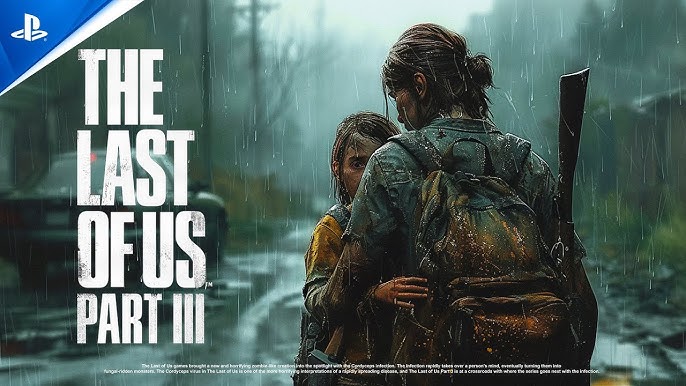
Naughty Dog multiplayer “Factions” fans: what the cancellation means
Fans of the original Factions mode from The Last of Us were highly anticipating a modern multiplayer experience.
The cancellation disappointed this community, effectively ending hopes for an expanded multiplayer ecosystem within the franchise—at least in the near term.
Could The Last of Us Online have succeeded as a live service game?
While the IP is strong, success in live service depends on:
- Long-term engagement systems
- Competitive differentiation
- Frequent content updates
- Monetization balance
Without these elements fully realized, even a high-quality game can fail to retain players. Industry skepticism suggests that success was far from guaranteed.
Naughty Dog’s next game plans after The Last of Us Online cancellation
Following the cancellation, Naughty Dog confirmed it would refocus on single-player experiences. The studio is reportedly working on new narrative-driven projects, potentially including a new IP or future entries in existing franchises.
This shift aligns with the studio’s strengths and brand identity.
What Vinit Agarwal said about The Last of Us Online being nearly finished
Vinit Agarwal indicated that the project was close to completion from a content perspective. His comments reinforced the idea that the cancellation was not due to lack of progress, but rather concerns about long-term sustainability.
Single-player vs live service: why Naughty Dog may have chosen to refocus
Single-player games offer:
- Finite development cycles
- Clear creative direction
- Lower long-term operational costs
Live service games, by contrast, require indefinite support. For Naughty Dog, continuing to focus on single-player titles allows it to maintain quality and creative control without overextending resources.
Lessons for Sony studios from The Last of Us Online cancellation
Key lessons include:
- Align projects with studio strengths
- Evaluate long-term operational demands early
- Avoid overcommitting to industry trends
- Use expert consultation (e.g., Bungie) earlier in development
These insights may shape Sony’s future approach to live service development.
Frequently Asked Questions (FAQs)
- Why was The Last of Us Online canceled?
It was canceled due to concerns about long-term live service support and resource allocation. - Was the game nearly finished?
Yes, reports suggest it was largely complete in terms of core gameplay. - Who criticized the project’s approval?
Former Xbox executive Laura Fryer publicly criticized the decision to green-light it. - Did Bungie influence the cancellation?
Yes, Bungie reportedly raised concerns about player retention and sustainability. - How long was the game in development?
Approximately four to five years. - What is a live service game?
A game designed for ongoing updates, monetization, and long-term player engagement. - Will Naughty Dog make multiplayer games again?
It is possible, but no confirmed projects are currently announced. - What is sunk cost fallacy in gaming?
Continuing a project due to prior investment rather than future potential. - What will Naughty Dog focus on next?
Single-player, narrative-driven games. - Could the game have succeeded?
It’s uncertain; success would have depended on long-term engagement and support systems.

Conclusion
The cancellation of The Last of Us Online reflects a broader shift in how AAA studios approach live service development. Despite years of work and significant progress, the decision underscores the importance of aligning projects with long-term strategy and studio capabilities. Laura Fryer’s criticism highlights a key industry lesson: green-lighting a project without fully accounting for its operational demands can lead to costly course corrections.
Sources and Citations
- Naughty Dog — official studio statements and game communications
https://www.naughtydog.com - Sony Interactive Entertainment — official corporate communications and PlayStation Studios updates
https://www.sie.com - PlayStation Blog — official developer updates and announcements (Sony Interactive Entertainment channel)
https://blog.playstation.com - Bungie — official studio statements and internal-facing policy/updates (as publicly communicated)
https://www.bungie.net - Bloomberg — reporting on Sony live service strategy and internal evaluations
https://www.bloomberg.com - Kotaku — industry reporting on Sony, Naughty Dog, and live service developments
https://kotaku.com - GameSpot — coverage of PlayStation Studios, Naughty Dog updates, and industry analysis
https://www.gamespot.com - Additional industry analysis and reporting on Sony strategy and Bungie role
https://www.ign.com
Recommended
- Pirates Have A Field Day With Death Stranding 2 After It Accidentally Leaks Early On Steam
- Hellblade 2 and Unreal Engine 5: What Makes the Sequel a Visual Breakthrough
- How do I align the camera to a specific axis in Blender?
- Autodesk releases MotionBuilder 2027: What’s New, System Requirements, Download, and Upgrade Notes
- Unlocking Cinematic Power: The Best 5 Blender Camera Add-ons to Elevate Your Workflow
- How Do I Switch Between Cameras During an Animation in Blender?
- PUBG MOBILE Celebrates 8th Anniversary with Landmark Event Blending Gaming, Music and Culture Worldwide
- How do I create a POV shot with the Blender camera?
- How to Create a Metahuman from a Photo: The Ultimate Guide to Digital Character Creation
- Metahuman Animator: How to Animate Realistic Characters in Unreal Engine 5