







In This Article (19 sections)
What Is Outersloth and Why It Supports Indie Game Developers
Outersloth is an indie game funding initiative created by Innersloth, the studio behind Among Us. Established in 2022 and officially revealed in 2024, the fund reinvests Among Us profits to help other developers. Unlike traditional publishers, Outersloth provides financing while allowing developers to retain full creative control and ownership of their intellectual property (IP). Its mission is to foster a sustainable, diverse ecosystem by supporting “fun, original, and clever games” without the need for acquisitions or outside investors.
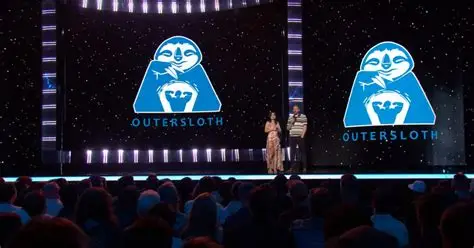
Outersloth Announces Its Financial Partnership With Game Developers at GDC
At the March 2026 Game Developers Conference (GDC), Innersloth’s Victoria Tran and Forest Willard publicly detailed Outersloth’s financial partnership model for the first time. They clarified that Outersloth is a financial partner, not a full-service publisher; it provides funding but does not handle marketing or distribution. By revealing their developer-friendly contract terms at GDC, Outersloth aimed to promote transparency and encourage fairer funding practices throughout the gaming industry. Although launched in 2024 with six initial projects, the GDC 2026 presentation formalized its identity and revealed its specific partnership mechanics.
How the Outersloth Funding Model Works for Indie Studios
The model provides upfront financing while preserving developer autonomy. Key features include:
- Fixed Funding Budget: A $25 million fund allocated over five years (starting around 2022) with the goal of becoming self-sustaining.
- Quarterly Investment Cycles: Funding is distributed every few months to manage risk and review new pitches.
- Selective Project Backing: Only about 1% of the thousands of annual pitches are funded based on “soul” and originality.
- Hands-Off Support: Outersloth requires monthly progress reports but does not impose design changes or management oversight.
- No Mandatory Publishing Services: Developers self-publish, though Outersloth provides optional mentorship, networking, and tool access.
- Community Sharing: Funded studios join a shared Slack channel to collaborate and support one another.
Outersloth Revenue Share Agreement Explained for Game Developers
The standardized agreement revealed at GDC 2026 consists of:
- Pre-Recoupment (50/50): Until the investment is repaid, revenue is split equally between the developer and Outersloth.
- Post-Recoupment (15/85): After recoupment, the developer keeps 85% of net revenue, and Outersloth takes 15%.
- Time-Limited Term: The revenue share ends seven years after the game’s release, after which the developer keeps 100% of the revenue.
- All-Platform Inclusion: The revenue share applies to all platforms the game is released on, as the initial funding made the project possible.
- No Hidden Fees: Outersloth recoups only the exact amount invested without interest or overhead charges.
Why Outersloth Published Its Game Development Contract Publicly
In March 2026, Outersloth published its entire funding contract online to challenge the industry’s “status quo.” By being transparent, they aim to empower indie developers in negotiations with other publishers and set a benchmark for fair terms. The public contract serves as an educational resource for other small studios interested in starting their own funds and builds trust by proving the initiative has nothing to hide.
How Much Money Outersloth Has Invested in Indie Games So Far
By February 2026, Outersloth had invested $19,161,040 into 24 indie games, averaging roughly $798,000 per project (with a typical range of $50k to $2M). Outersloth has evaluated approximately 3,400 pitches, maintaining a signing rate of about 1.4%. The fund’s success is measured by its ability to break even and reinvest in future projects. This redistribution of Among Us revenue has created a significant financial pool that supports independent developers through 2027 and potentially beyond.
Which Types of Games Outersloth Funds and Supports
Outersloth supports “fun, original, and clever games” across various genres and platforms. While open-minded, they follow specific criteria:
- Premium Indie Projects: They prioritize “buy-to-play” games (one-time purchases) on PC, console, or mobile. They generally do not fund games already in Early Access or fully launched, as their model focuses on projects in development or those needing finishing funds.
- Genre-Agnostic (Passion-Driven): There is no set target genre. They seek projects with a unique “soul” or creative vision rather than trend-chasing clones.
- Feasible Scope: Pitches must include realistic budgets and production timelines. Outersloth favors developers who demonstrate a solid execution plan, including arrangements for QA and marketing.
- Originals Over Fads: They explicitly refuse pitches for blockchain, web3, or AI-generated games, preferring human-driven creativity and design.
- Original IP Focus: They fund original creations where the indie teams retain their intellectual property, rather than licensed works or sequels to others’ franchises.
- Developer Diversity: They support a wide range of creators, from solo developers and first-time teams to established indie studios from various global backgrounds.
Outersloth Investment Strategy Compared to Traditional Game Publishers
Outersloth’s model differs fundamentally from traditional publishing:
- Risk and Return: While traditional publishers seek to maximize profit through high sales and perpetual revenue shares, Outersloth focuses on sustainability. Their goal is to break even to continue funding new games, capping their post-recoup share at 15% for only seven years.
- Services vs. Pure Funding: Unlike full-service publishers who handle marketing, PR, and QA, Outersloth acts as a patron providing pure funding. This keeps their team small and prevents them from charging extra fees against the developer’s revenue.
- Contract Terms and Rights: Traditional publishers often seek IP ownership or sequel rights. Outersloth takes no ownership of IP or the company, allowing developers to remain fully independent.
- Transparency: Outersloth publishes its contract and financial terms openly to empower developers, contrasting with the secretive, NDA-heavy nature of traditional deals.
- Cultural Perspective: Coming from an indie background, the Outersloth team prioritizes developer health and the long-term growth of the industry over corporate extraction of value.

Benefits of the Outersloth Financial Partnership for Indie Game Studios
Partnering with Outersloth provides several advantages:
- Fair Funding: Developers receive upfront capital ($50k–$2M+) without predatory revenue splits or loss of equity.
- Creative Independence: Studios maintain full creative control and ownership of their IP.
- Supportive Network: Developers gain access to a private Slack community of fellow funded studios and mentorship from the Among Us creators.
- Long-Term Profitability: Because the revenue share is limited to seven years and drops to 15% after recoupment, successful developers keep the majority of their earnings.
- Auxiliary Perks: Outersloth provides connections to PR, localization, and platform holders, plus access to tools like IndieBI.
- Credibility: The Outersloth endorsement can help attract press, platform featuring, and additional partners.
Revenue Split After Investment Recoupment in the Outersloth Deal
The revenue sharing is structured in two clear phases:
- Pre-Recoupment: Revenue is split 50/50 until Outersloth’s initial investment is repaid.
- Post-Recoupment: The split shifts to 15% for Outersloth and 85% for the developer.
- Term Limit: This arrangement ends exactly seven years after the game’s release. After seven years, the developer retains 100% of all future revenue.
- Scope: The split applies to all platforms the game is released on, but Outersloth claims no rights to sequels, DLC (unless part of the game’s net revenue), or studio equity.
Why Outersloth Rejects Generative AI Game Pitches
As of 2026, Outersloth has rejected 100% of generative AI pitches (which made up about 30% of their rejections). Victoria Tran explained that these projects often lacked “soul” or a genuine human creative spark. Outersloth explicitly tells developers not to pitch AI-generated or blockchain games because they prioritize handcrafted design and human-driven vision. This stance reflects a commitment to supporting human creators and avoiding the ethical and quality concerns currently associated with AI-centric development.
How Indie Developers Can Pitch Their Game to Outersloth
Developers must follow a specific process:
- Official Form: Submissions must go through the official online form, not email.
- Pitch Deck Requirements: The deck must include a budget breakdown, a production schedule, developer/studio info, and the core game concept.
- Prototypes: While optional, a playable demo is a significant advantage.
- Selection Process: Outersloth reviews for “believability” in scope and budget. Only about 1% of pitches are funded.
- Vibe Check: Finalists undergo a meeting to ensure cultural and creative alignment before signing the standardized, public contract.
Examples of Games Funded Through the Outersloth Indie Fund
Outersloth has funded 24 diverse projects, including:
- Mars First Logistics: A physics-based rover-building simulation.
- ONE BTN BOSSES: A minimalist one-button arcade action game.
- Battle Suit Aces: A mecha-themed card-battling RPG.
- Clickolding: An experimental, mysterious idle/horror concept.
- The Horror at Highroot: An occult card-crafting narrative RPG.
- Rogue Eclipse: A roguelike space shooter with Arabesque Futurism aesthetics.
- Dosa Divas: A culturally rich mech-platforming and cooking game.
- Visai Games (Next Project): The second project from the creators of Venba.
- Rune Fencer Illyia: A polished action-platformer Metroidvania.
- Desktop Explorer: A detective puzzle game set in a 90s OS interface.
- Flock Around: A wholesome, non-violent multiplayer bird-watching game.
- Other titles: Neverway, Berserk B.I.T.S, Memoirium, Castle V Castle, Game Is Full of Bugs, Gunny Ascend, Long Gone, Am I Nima, and a new project from the director of Sable.
How the Success of Among Us Led to the Creation of OutThe Success of Among Us and the Birth of Outersloth
The global phenomenon Among Us was the catalyst for Outersloth. Released in 2018 by a three-person team at Innersloth, the game exploded in 2020, providing the studio with total financial independence and a significant “war chest” without the need for outside publishers or acquisitions. Recognizing their luck and the importance of community support, the team decided to “pay it forward.”
In 2022, Innersloth quietly launched Outersloth—a name reflecting their focus on external outreach—and officially revealed it in 2024. They allocated $25 million from Among Us earnings to fund other indies. The fund’s philosophy is built on the lesson that infinite growth isn’t necessary; the goal is simply to break even and sustain a cycle of support. By March 2026, Outersloth had used the revenue from Among Us to fund 24 games with over $19 million, turning one studio’s breakout success into a legacy project that nurtures the next generation of independent developers.
What the Outersloth Partnership Means for the Future of Indie Game Funding
Outersloth’s developer-friendly model is influencing the industry in several ways:
- Raising the Bar: By publicly sharing their generous contract, they provide developers with leverage to negotiate better terms with traditional publishers.
- Inspiring Indie Funds: Their success encourages other hit-making studios to create peer-to-peer funding networks, reducing reliance on venture capital.
- Sustainable Growth: The model proves that funding games can be non-exploitative and still sustainable, helping studios survive to make their second or third titles.
- Information Equality: Making contracts transparent educates developers, breaking the information asymmetry that often leads to predatory deals.
- Creative Freedom: By not interfering with vision, Outersloth allows for more innovative, ground-breaking games that might be rejected by marketing-driven entities.
Frequently Asked Question (FAQs)
- What is Outersloth and who’s behind it?
Outersloth is an indie game fund created by the team behind Among Us (Innersloth), specifically led by Forest Willard and Victoria Tran. It uses Among Us profits to finance indie developers without acting as a traditional publisher. - How does the Outersloth funding model work?
Outersloth invests money (typically $50k to $2M) into projects. Developers keep full creative control and IP. Outersloth recoups its investment through a revenue share, aiming only to break even and sustain the fund. - What revenue share does Outersloth take from a funded game?
1. Before recoupment: A 50/50 split until the investment is paid back. 2. After recoupment: A 15% share for the developer and 85% for the studio for a 7-year term. After 7 years, the developer keeps 100%. - Does Outersloth take ownership of my game or IP?
No. Developers retain 100% ownership of their intellectual property and their company. Outersloth does not take creative control or publishing credit. - How can I apply or pitch my game to Outersloth?
Submissions must go through the official online form. You need a pitch deck including a budget, production schedule, team info, and game concept. Demos are highly recommended. - Who is eligible for Outersloth funding – any specific genres or studio size?
Any indie developer (solo or small studio) with an unreleased, original project. They are genre-agnostic but do not fund blockchain, NFT, or generative AI-based games. - Why doesn’t Outersloth fund blockchain or AI-based games?
The team feels AI-centric pitches often lack “soul” and human creativity. They choose to prioritize human-centric design and avoid speculative or controversial tech buzzwords. - Aside from money, what support does Outersloth provide?
They offer mentorship, industry connections (PR, porting, platform reps), access to IndieBI analytics, and a private Slack community for all funded developers to network. - How much money can a developer get from Outersloth?
Generally between $50,000 and $2,000,000. While the average is around $800k, they encourage developers to “shoot their shot” if a higher budget is justified. - What is PixelHair and how is it relevant to indie developers?
PixelHair is a collection of nearly 200 3D hair assets for Blender and Unreal Engine created by developer Yelzkizi. While not directly part of Outersloth, it represents the type of external resource indies can use to reduce production time and costs.
Conclusion
Outersloth represents a transformative “indie patron” model born from the success of Among Us. By March 2026, the fund had enabled 24 diverse projects to flourish under terms that prioritize developer health and IP ownership. With nearly $20 million invested in creative titles like Mars First Logistics and Dosa Divas, Outersloth has challenged the industry’s status quo. This initiative fosters a collaborative ecosystem where success is recycled, ensuring that the legacy of one hit game is the creation of many more.
Sources and Citations
- Innersloth Official Blog – “The Outersloth Contract” (Victoria T., March 9, 2026)
https://www.innersloth.com/the-outersloth-contract/ - GameDeveloper.com – “Outersloth shares contract terms and game funding lessons for sickos” (Chris Kerr, March 9, 2026)
https://www.gamedeveloper.com/business/outersloth-shares-contract-terms-and-game-funding-lessons-for-sickos - GameDeveloper.com – “Indie fund Outersloth has rejected every generative AI pitch it has received” (Chris Kerr, March 10, 2026)
https://www.gamedeveloper.com/business/indie-fund-outersloth-has-rejected-every-generative-ai-pitch-it-has-received - Innersloth – Official Outersloth Page
https://www.innersloth.com/outersloth/ - VentureBeat (GamesBeat) – “Among Us developer launches indie game fund, OuterSloth” (Jordan Fragen, June 7, 2024)
https://venturebeat.com/games/among-us-developer-launches-indie-game-fund-outersloth/ - 80.lv – “Indie Game Fund by Among Us Developers Reveals Its Contract” (Gloria Levine, March 10, 2026)
https://80.lv/articles/indie-game-fund-by-among-us-developers-reveals-its-contract/ - Reddit (/r/gamedev) – Discussion of the Outersloth Contract
https://www.reddit.com/r/gamedev/search/?q=Outersloth%20contract&restrict_sr=1&sort=new - ArtStation (Yelzkizi Ltd) – PixelHair & The View Keeper
https://www.artstation.com/yelzkizi/store - Yelzkizi Blog – Geometry Nodes Hair Integration (PixelHair)
https://yelzkizi.org/blog/ - Innersloth Blog – “How I Review Outersloth Pitches” (Forest Willard, October 23, 2024)
https://www.innersloth.com/how-i-review-outersloth-pitches/
Recommended
- New Neon Genesis Evangelion Anime: Release Date Rumors, Studio Updates, Cast, and Everything We Know
- Target Seems to Be Raising Pokémon TCG Prices as Collectors Accuse Retailers of Scalper Pricing
- Mixtape is Earning Widespread Acclaim for Its Animation, Soundtrack, and Emotionally Driven Coming-of-Age Storytelling
- GTA 6 Story Features Distinct Chapters as Fans Expect a Red Dead Redemption 2 Style Narrative
- How do I set up a panoramic camera in Blender?
- Houdini Plant Generation Toolkit Natsura Is Now in Early Access: Features, Pricing, and Workflow Benefits
- Nintendo Confirms Switch 2 and Pokémon Pokopia Bundle at €500 for July 2: Price, Release Date, and What’s Included
- Monopoly: Star Wars Heroes vs. Villains Switch 2 Port Explained, Release Date, Gameplay, Characters, and What the Humorous FPS Twist Means
- Pokémon Champions Mobile Release on June 17: Launch Time, Crossplay, and What’s New



































































































