








In This Article (7 sections)
Ranked Brawl Rules, Deck Building, and Match Structure
Ranked Brawl in Magic: The Gathering Arena is a competitive version of Brawl that combines Commander focused deck building with ladder progression, skill based matchmaking, and seasonal ranking. Unlike casual Brawl, every match contributes toward rank advancement, which makes consistency, deck optimization, and understanding the meta much more important.
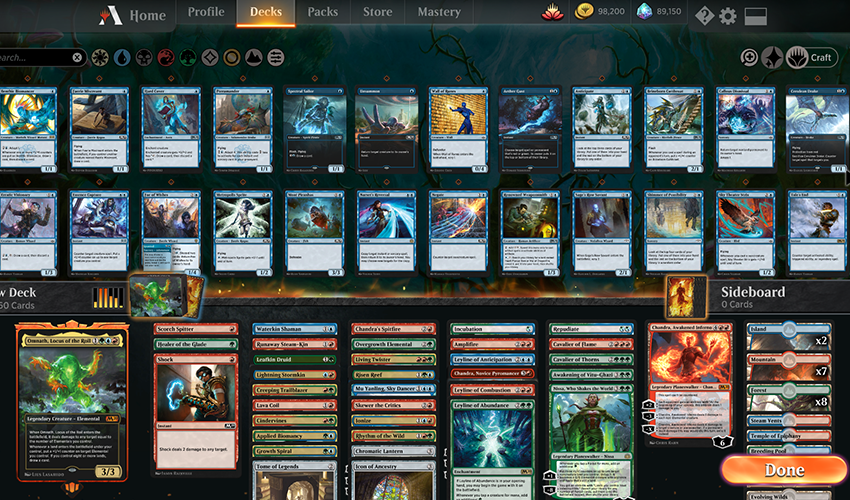
Deck construction revolves around a single Commander, usually a legendary creature or planeswalker permitted by the format. The Commander determines the deck’s color identity, overall strategy, available card pool, and primary win conditions. Ranked Brawl uses a singleton structure, meaning players generally cannot include duplicate cards except for basic lands.
A typical deck contains:
- One Commander
- A 99 card singleton deck depending on the current ruleset
- Cards matching the Commander’s color identity
- No duplicates except basic lands
- Cards legal for the active Brawl environment
The singleton structure naturally reduces consistency, so successful decks often rely on several cards that perform similar roles rather than repeated copies of one spell. Card draw, tutors, graveyard recursion, ramp, and versatile interaction are especially valuable because they help reduce the unpredictability created by a large singleton deck.
Popular Commander styles include aggressive builds that apply pressure quickly, control decks that focus on removal and late game value, combo decks built around specific interactions, and midrange strategies that combine flexibility with board presence.
Ranked Brawl is generally played as a one on one format without the political dynamics found in multiplayer Commander. Starting life totals commonly fall within the 25 to 30 range depending on implementation, and the London Mulligan system helps players improve opening hand consistency.
The London Mulligan works by allowing players to draw seven cards again, then place a number of cards equal to the number of mulligans taken on the bottom of the library. Because early tempo matters significantly in one on one matches, good mulligan decisions are especially important.
Compared with casual Brawl, Ranked Brawl produces more optimized decks, stronger Commanders, and more consistent strategies. Experimental ideas can still work, but they face greater pressure from players who build specifically to climb the ladder.
Ranked Brawl Ladder, Matchmaking, Meta, and Competitive Strategies
The Ranked Brawl ladder follows a tier based structure similar to other competitive Arena modes. Players progress through Bronze, Silver, Gold, Platinum, Diamond, and Mythic by winning matches and maintaining a strong overall performance.
Ranking can be influenced by:
- Match wins
- Win streak bonuses in certain seasons
- Hidden matchmaking rating
- Seasonal resets
At Mythic rank, competition shifts toward percentile placement and leaderboard positioning rather than simple tier advancement.
Matchmaking uses a combination of hidden MMR, current rank, and in some cases deck strength evaluation. Newer players are generally placed into lower matchmaking pools, while players with higher win rates and stronger decks face more demanding opponents.
The Ranked Brawl meta usually revolves around four main archetypes:
- Aggro decks that use low cost threats and fast pressure
- Control decks built around removal, counterspells, and late game inevitability
- Combo decks that assemble powerful synergistic interactions
- Midrange decks that balance pressure, resilience, and interaction
Strong Commanders tend to provide consistent value, reliable card advantage, or immediate board impact. Commanders that naturally support efficient draw engines or repeatable advantages often remain competitive even as the wider meta changes.
Because singleton decks are less naturally consistent, good deck construction depends heavily on curve management and redundancy. Players should include enough ramp, card draw, interaction, and flexible threats rather than filling the deck with narrow cards that only work in specific situations.
Useful competitive habits include:
- Planning several turns ahead
- Tracking the opponent’s available mana
- Saving removal for important threats
- Learning common Commander archetypes
- Avoiding overly expensive mana curves
- Making disciplined mulligan decisions
- Adjusting playstyle according to the current meta
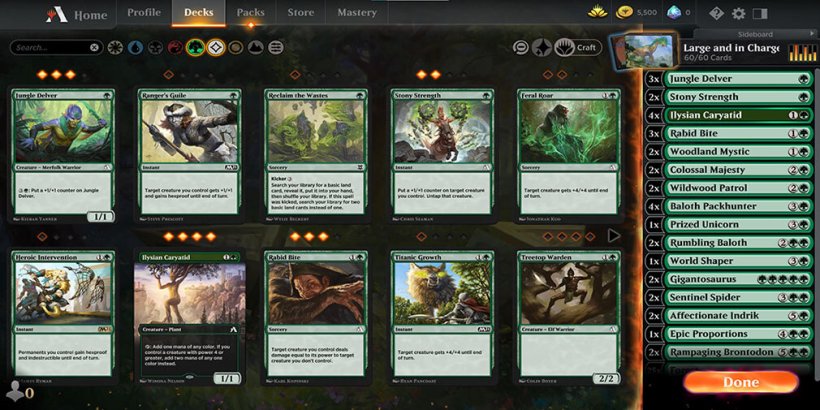
Budget players can still compete by focusing on efficient common and uncommon cards, strong mono color strategies, and Commanders that do not require large numbers of mythic rares. Mono red Aggro, mono green ramp, mono blue tempo, and budget Orzhov lifegain are examples of lower cost approaches that can still perform well with careful sequencing.
Common mistakes include overloading the deck with expensive cards, ignoring mana curve balance, keeping weak opening hands, including too little interaction, or building around a Commander without enough supporting synergy. Players can also lose games by playing too passively against aggressive decks or committing too many resources to the board without protection.
Ranked Brawl Rewards, Banned Cards, and Differences From Other Brawl Formats
Ranked Brawl uses seasonal progression to reward players for climbing the ladder. Rewards can include booster packs, gold, cosmetic items, and seasonal ranking badges, with stronger rewards generally tied to higher finishing positions.
Seasons follow a periodic reset structure where players are recalibrated and must climb again. This keeps the ladder active and gives players repeated reasons to refine their decks and adapt to new metagame conditions.
Banned cards are maintained by Wizards of the Coast and can change over time. Restrictions generally target cards that create unhealthy levels of acceleration, consistency, or early game power.
Commonly restricted categories include:
- Extremely fast mana
- Infinite combo enablers
- Overpowered early engines
- Format warping Commanders
- Certain extra turn effects
- Highly efficient tutors depending on the ruleset
Players should check the current banned list before entering competitive matches because card legality can change between seasons.
Ranked Brawl also differs clearly from Historic Brawl and Unranked Brawl. Historic Brawl usually provides access to a larger card pool and a more varied environment, while Unranked Brawl encourages experimentation without ladder pressure.
Ranked Brawl is more focused on:
- Competitive progression
- Optimized decks
- Stronger metagame awareness
- Seasonal rewards
- Skill based matchmaking
The format therefore sits between creative Commander style deck building and traditional Arena competition. Its appeal comes from preserving the personality of singleton Commander decks while adding the pressure and structure of a ranked ladder.
Frequently Asked Questions (FAQs)
- What is Ranked Brawl in MTG Arena?
Ranked Brawl is a competitive singleton format built around a Commander and a ranked ladder. It keeps the creative deck building of Brawl while adding skill based matchmaking, seasonal progression, and stronger pressure to optimize your deck. - How many cards are in a Ranked Brawl deck?
A Ranked Brawl deck typically uses 100 cards, including the Commander depending on the current ruleset. Because the format is singleton, players generally cannot use duplicate cards except basic lands. - Is Ranked Brawl competitive?
Yes. The format uses a ranked ladder with tiers such as Bronze, Silver, Gold, Platinum, Diamond, and Mythic. Every match contributes to progression, so optimized decks and consistent play matter much more than in casual Brawl. - What is the best Commander type?
Commanders that generate reliable value, card draw, or repeatable advantages tend to perform well. Strong Commanders usually help improve consistency and give the deck a clear strategy from the start of the match. - Is Ranked Brawl pay to win?
Not directly, but access to strong rare and mythic cards can improve deck consistency and power. Budget decks can still compete if they use efficient cards, strong sequencing, and a well built mana curve. - Can I use duplicates?
No. Ranked Brawl follows singleton deck building, so only one copy of each non basic land card is normally allowed. Basic lands are the main exception to this rule. - How long are matches?
Match length depends heavily on the deck archetype. Aggro games can end quickly, while control, combo, and midrange matchups usually take longer because they rely more on setup and resource management. - Is Ranked Brawl better than Historic Brawl?
That depends on what you want. Ranked Brawl is more competitive and focused on climbing the ladder, while Historic Brawl usually offers a broader card pool and a more varied, less structured environment. - Do ranks reset?
Yes. Ranked Brawl uses seasonal resets, meaning players periodically lose some ladder progress and need to climb again. Rewards are usually tied to where you finish each season. - What is the biggest skill factor?
Deck consistency and mulligan decisions are among the most important skills. Building a balanced curve, keeping strong opening hands, and understanding when to hold or use interaction can significantly improve your win rate.
Conclusion
Ranked Brawl in Magic: The Gathering Arena represents a unique blend of Commander creativity and structured competitive ladder gameplay. It rewards strategic deck construction, deep format knowledge, and adaptive decision making across evolving metas. Players who master synergy, resource efficiency, and matchup awareness consistently perform best in this format, especially as seasonal ladders shift and the competitive environment evolves.
Sources and Citation
- Official MTG Arena Formats Overview
Magic: The Gathering — Formats - Brawl Format Rules — Official Wizards of the Coast
Brawl Format - Wizards of the Coast Official Site
Wizards of the Coast - MTG Arena Game Information
Magic: The Gathering Arena
Recommendations
- Control: Resonant Pre-Order Guide. Release Date, Editions, Gameplay Details, Story, and Everything We Know
- Mafia: The Old Country Man of Honor Gameplay Teaser Ahead of August 14 Release
- Aerial Knight’s MrFreezy Turns Chopping Off Heads into a Brain-Teaser
- Forza Horizon 6 Shibuya Crossing Is a Lawless Wasteland Right Now
- Where to Find the Golf Course in Forza Horizon 6 (Minamino Location Guide + Map Route)
- Xbox Outage Prevents Users From Launching Digital and Disc Games
- Global Console Shipments to Drop 19.5% in 2026 as PS5, Xbox and Switch 2 Sales Slow
- Material Authoring Software InstaMAT Gets Native Linux Edition: Feature Parity, Limitations, Downloads, and Studio Pipeline Impact
- LEGO Batman: Legacy of the Dark Knight Switch 2 Release Date and What’s Included
- Resident Evil Code Veronica Remake Announcement Rumors Explained



































































































