




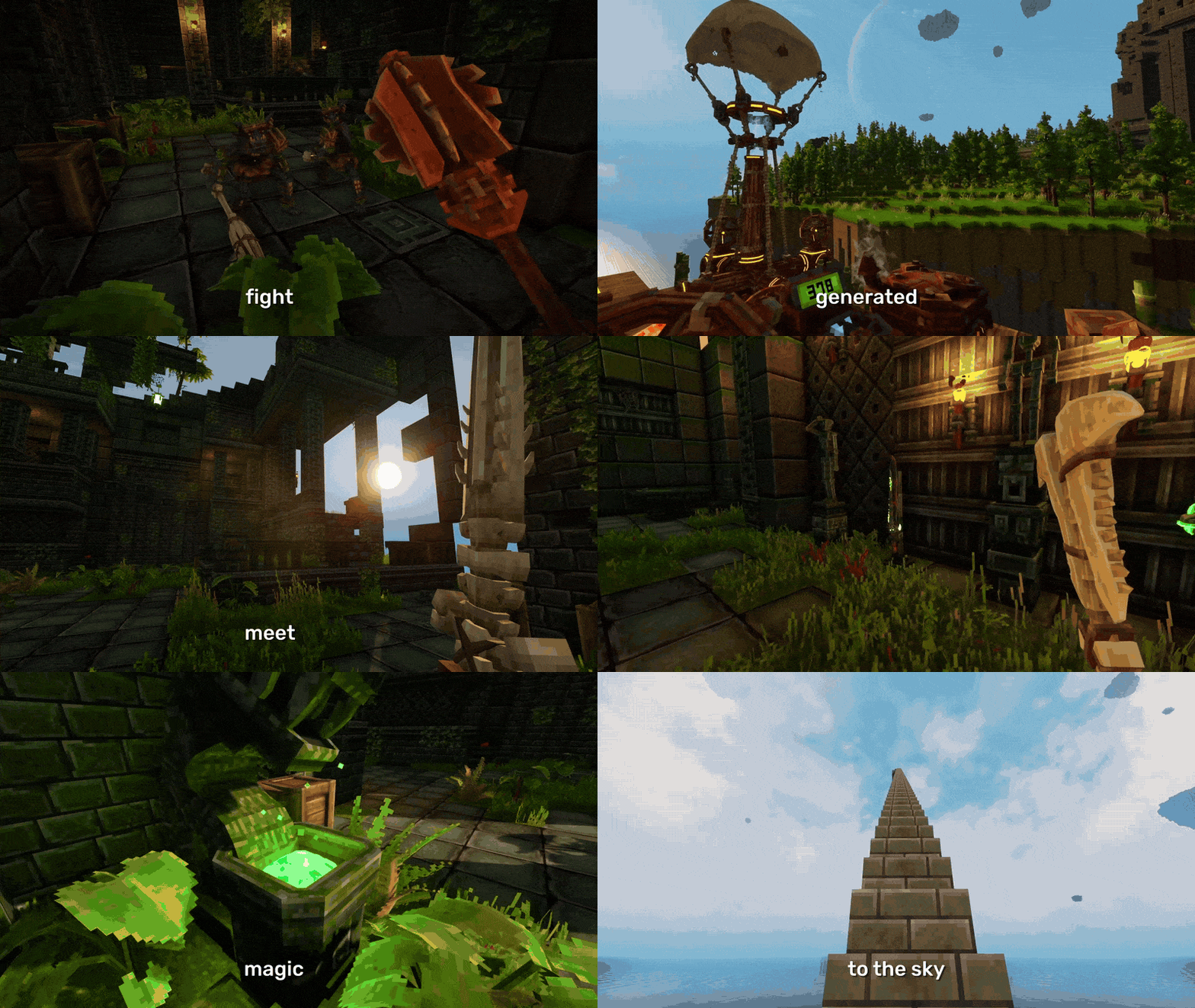



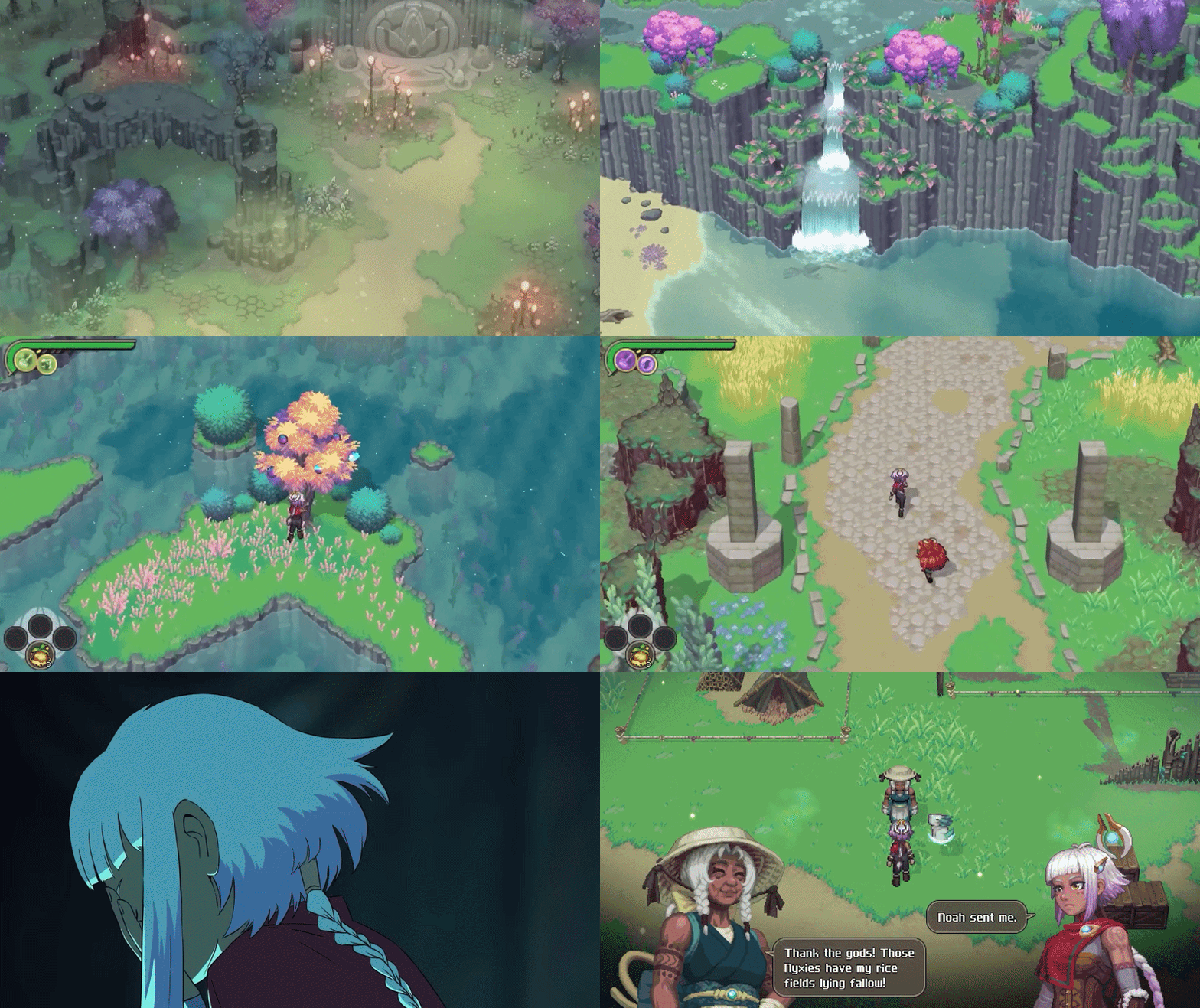
Alabaster Dawn reverently builds on classic action-RPGs but feels thoroughly modern, positioning itself as a hybrid experience that merges nostalgic game design philosophies with contemporary mechanics, pacing, and visual storytelling. It draws clear inspiration from genre-defining titles while introducing refined systems that elevate combat, exploration, and progression into a more fluid and accessible experience for today’s players.
Why Alabaster Dawn Feels Like a Modern Zelda Successor
Alabaster Dawn carries strong design echoes of classic action-adventure frameworks, particularly the structure popularized by early dungeon-based exploration games. Its emphasis on environmental puzzles, ability-gated progression, and interconnected regions naturally draws comparisons to modern legacy franchises.
What makes it feel like a modern successor is its smoother transition systems, reduced friction in exploration, and dynamic combat pacing. Rather than relying on rigid dungeon loops, it blends open traversal with modular challenge spaces, allowing players to approach objectives in multiple ways.
The result is a game that respects its lineage while eliminating many of the frustrations associated with older design models.
Alabaster Dawn Combat System Explained
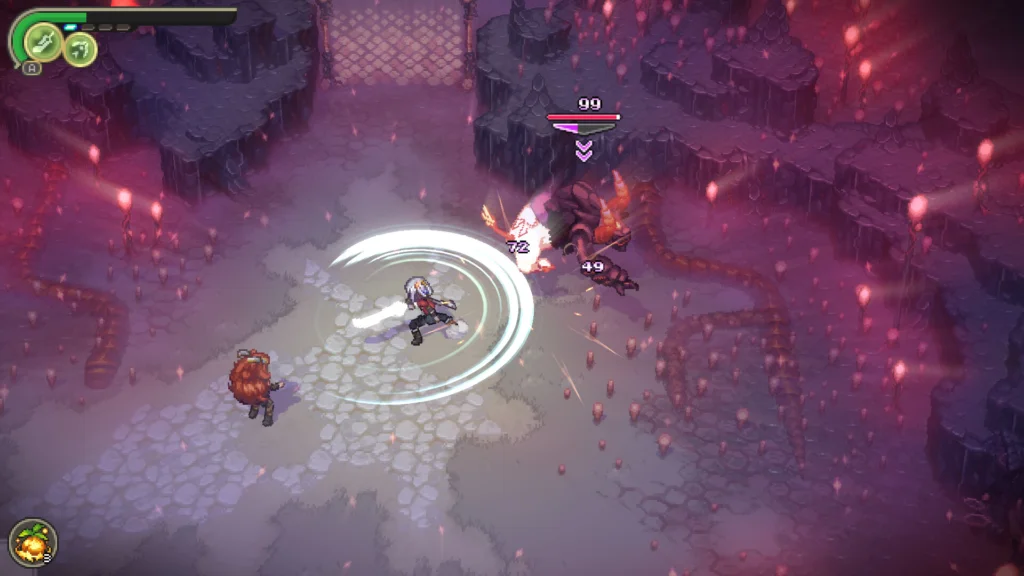
The combat system in Alabaster Dawn is built around responsiveness, timing, and adaptive skill usage. Unlike traditional action-RPGs that rely heavily on static combo chains, this system emphasizes situational decision-making.
Players can switch between light and heavy attacks, ranged abilities, and elemental skills, all of which interact with enemy weaknesses and environmental conditions. Dodge timing and positional awareness play a critical role, rewarding precision over brute force.
Enemy encounters are designed to evolve mid-fight, forcing players to adjust strategies dynamically rather than repeating fixed attack patterns.
How Alabaster Dawn Improves on CrossCode
Alabaster Dawn improves on foundational ideas seen in CrossCode by expanding combat fluidity and environmental interactivity. While CrossCode is known for its precision-based puzzles and fast-paced combat, Alabaster Dawn broadens these systems into a more seamless hybrid structure.
Key improvements include:
- More natural movement transitions between combat and exploration
- Expanded skill customization with layered progression paths
- Less segmented puzzle-combat separation
- Enhanced world cohesion with fewer loading interruptions
These refinements create a smoother gameplay loop that maintains challenge while improving accessibility.
Alabaster Dawn Early Access First Impressions
Early access impressions of Alabaster Dawn highlight its strong foundational systems and ambitious scope. Players consistently note the polished combat feel, visually distinct environments, and engaging progression structure.
While some balancing adjustments are still ongoing, the core experience already demonstrates a high level of design maturity. Exploration feels rewarding, and the pacing avoids the typical early access pitfalls of excessive repetition or incomplete mechanics.
The most frequently praised aspect is how complete the game already feels despite being in development.
Best Features in Alabaster Dawn So Far
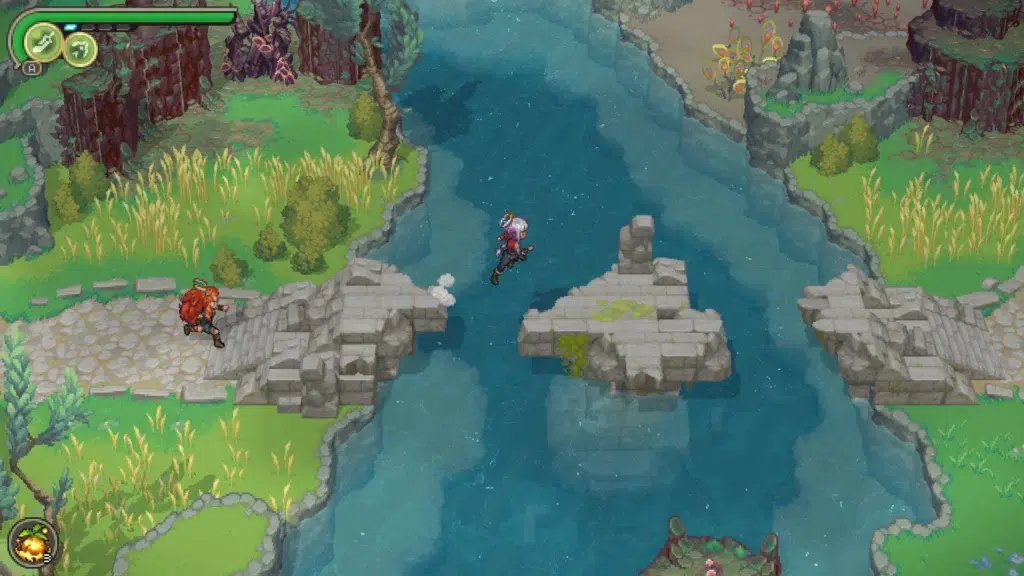
Several standout features define the early identity of Alabaster Dawn:
- Responsive hybrid combat system
- Deep skill and ability customization
- Interconnected world design
- Puzzle-integrated exploration
- Stylized but readable visual design
- Smooth progression pacing
Together, these systems create a cohesive experience that prioritizes engagement and flow over mechanical complexity for its own sake.
Alabaster Dawn Puzzle Design and Dungeon Mechanics
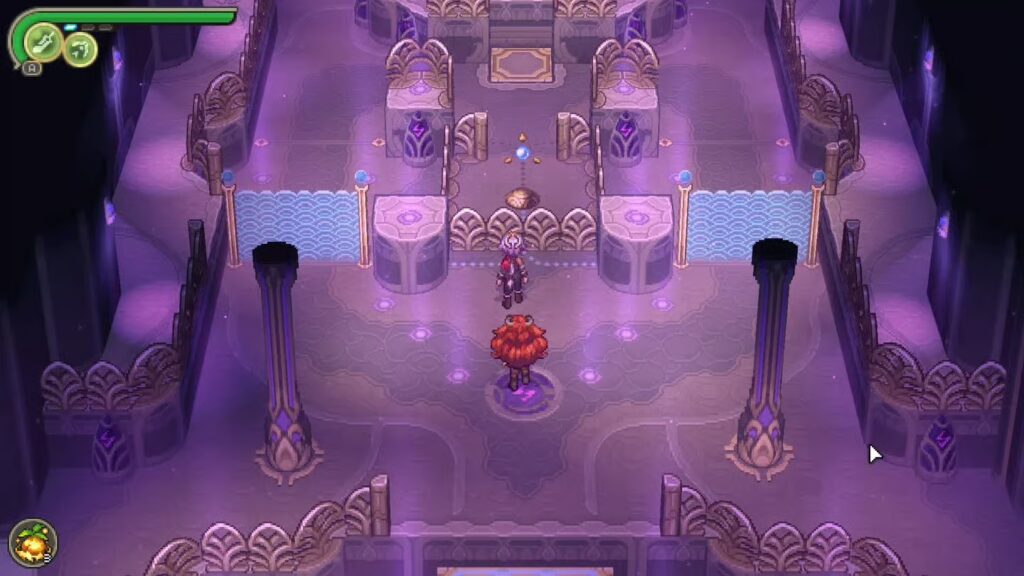
Puzzle design in Alabaster Dawn is deeply integrated into its core gameplay loop. Rather than isolating puzzles in separate rooms or zones, they are woven into exploration pathways and combat encounters.
Dungeon mechanics rely on layered interaction systems such as:
- Environmental manipulation
- Time-based triggers
- Elemental activation sequences
- Multi-stage traversal challenges
This design ensures that puzzles feel like natural extensions of the world rather than isolated gameplay interruptions.
Why Fans of Classic Action RPGs Should Play Alabaster Dawn
Fans of classic action RPGs will find Alabaster Dawn appealing due to its respectful reinterpretation of genre fundamentals. It retains the satisfaction of discovery, gradual power scaling, and dungeon-based progression while modernizing execution.
Key reasons include:
- Nostalgic structure with modern fluidity
- Skill-based combat with strategic depth
- Rewarding exploration loops
- Strong sense of progression and mastery
It serves as both a tribute and an evolution of the genre.
Alabaster Dawn Story Breakdown and World Lore
The narrative structure of Alabaster Dawn centers around a fractured world recovering from divine conflict and elemental imbalance. Players uncover lore through environmental storytelling, character interactions, and fragmented historical records.
Rather than relying heavily on exposition, the game builds its world organically, encouraging players to piece together its history through exploration.
Themes include restoration, forgotten power systems, and the consequences of divine interference in mortal realms.
Alabaster Dawn vs CrossCode Comparison
When comparing Alabaster Dawn vs CrossCode, several distinctions emerge:
- Alabaster Dawn offers more fluid exploration systems
- CrossCode focuses more heavily on precision puzzles
- Alabaster Dawn integrates combat and puzzles more seamlessly
- CrossCode maintains a more segmented gameplay structure
While both games share design DNA, Alabaster Dawn leans more toward modern hybrid action-RPG design principles.
Everything We Know About Alabaster Dawn in 2026
As of 2026, Alabaster Dawn continues to evolve through iterative updates and expanded content development. Known features include:
- Expanding world regions
- Additional divine weapon systems
- Enhanced enemy AI behaviors
- Ongoing balance refinements
- Broader narrative expansion
The development trajectory suggests a long-term vision focused on deepening systems rather than drastically changing direction.
How Alabaster Dawn Modernizes Retro Action RPG Gameplay
Alabaster Dawn modernizes retro action RPG gameplay by refining three core pillars: movement, combat, and progression.
Movement is smoother and more responsive, eliminating older stiffness in traversal systems. Combat emphasizes real-time adaptability rather than memorized patterns. Progression systems are layered, allowing players to build diverse playstyles without rigid class restrictions.
These changes collectively transform a familiar genre into a more dynamic and flexible experience.
Alabaster Dawn Divine Weapons and Skill Trees Guide
Divine weapons in Alabaster Dawn function as core progression anchors. Each weapon is tied to a specific elemental or thematic power set, influencing both combat style and exploration capabilities.
Skill trees are designed to complement these weapons, offering branching upgrades such as:
- Passive stat enhancements
- Active ability unlocks
- Combo extensions
- Elemental modifiers
This system encourages experimentation and replayability.
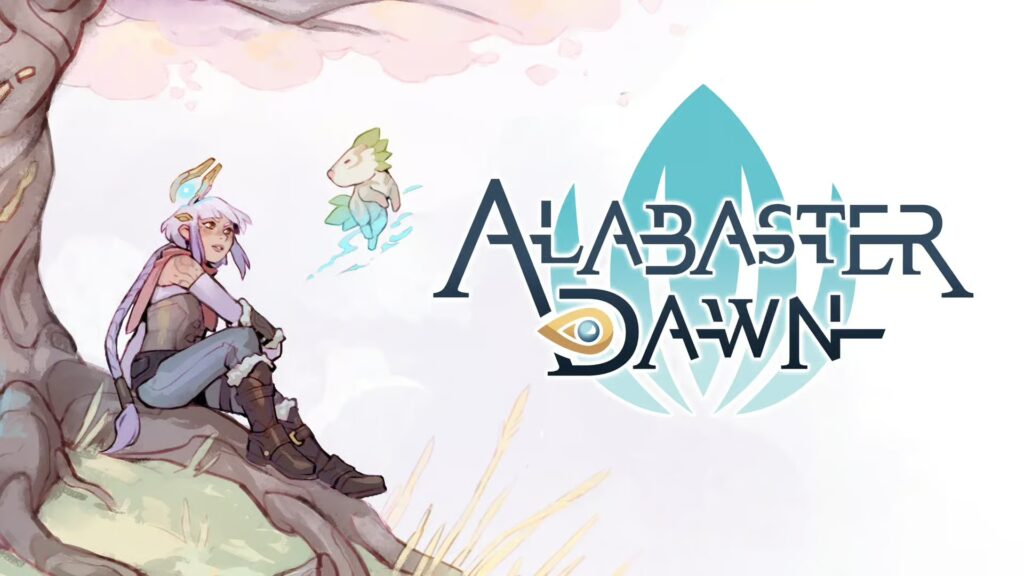
Why Alabaster Dawn Could Be the Next Great Indie RPG
Alabaster Dawn has strong potential to become a standout indie RPG due to its combination of polish, ambition, and system depth. It avoids common indie pitfalls by focusing on cohesive design rather than overextended mechanics.
Its strengths include:
- Strong identity rooted in classic inspiration
- Modernized gameplay systems
- High replay value through customization
- Balanced accessibility and depth
If development continues on its current trajectory, it could become a defining title in modern indie RPG design.
Alabaster Dawn Exploration, World Building, and Progression
Exploration in Alabaster Dawn is designed around discovery-driven progression. Players unlock new regions through ability acquisition, environmental interaction, and narrative milestones.
World building is tightly integrated into exploration, with visual storytelling and environmental clues revealing deeper lore. Progression feels organic, as new abilities directly influence how the world can be navigated and understood.
This creates a strong sense of growth tied directly to exploration.
The Rise of Modern Retro Action RPGs After CrossCode
The success of games like CrossCode has contributed to a broader resurgence of modern retro action RPGs. This trend emphasizes:
- Pixel-inspired or stylized visuals
- Fast-paced real-time combat
- Puzzle-integrated exploration
- Deep customization systems
Alabaster Dawn represents the next stage in this evolution, refining the formula into a more seamless and modernized experience that appeals to both nostalgic and new-generation players.
Frequently Asked Questions (FAQs)
- What type of game is Alabaster Dawn?
It is an action RPG that blends exploration, combat, and puzzle-solving. - Is Alabaster Dawn similar to CrossCode?
Yes, but it offers more fluid systems and modernized gameplay improvements. - Does Alabaster Dawn have open-world elements?
It features interconnected regions with semi-open exploration design. - How does combat work in Alabaster Dawn?
Combat is real-time, skill-based, and focused on timing and adaptability. - Are there skill trees in Alabaster Dawn?
Yes, players can customize abilities through branching progression paths. - Is Alabaster Dawn beginner-friendly?
It balances accessibility with depth, making it approachable for new players. - What makes Alabaster Dawn unique?
Its seamless blend of classic RPG design and modern mechanics. - Does Alabaster Dawn focus more on story or gameplay?
It balances both, with strong emphasis on exploration-driven storytelling. - Is Alabaster Dawn still in development?
Yes, it continues to evolve with ongoing updates and expansions. - Why is Alabaster Dawn getting attention?
Due to its polished systems and modern take on retro RPG design.
Conclusion
Alabaster Dawn reverently builds on classic action-RPGs but feels thoroughly modern by successfully merging nostalgic design principles with refined contemporary mechanics. Its combat, exploration, and progression systems work together to create a cohesive and engaging experience that stands out in the evolving landscape of indie RPGs. As development continues, it has the potential to solidify itself as a defining title in the modern action RPG genre.
Sources and Citations
- Action RPG Combat System Design Studies
https://dl.digra.org/index.php/dl/article/view/2433 - Indie RPG Development Patterns in the 2020s
https://wordsmiths.blog/indie-rpg-development-trends/ - CrossCode Gameplay and Mechanics Analysis
https://www.gamedeveloper.com/design/designing-i-crosscode-i-to-stand-out-in-the-retro-rpg-market - Modern Evolution of Retro RPG Systems
https://www.geniuscrate.com/the-evolution-of-rpg-mechanics-in-modern-games/ - Indie Action RPG Design Trends Overview
https://www.gamasutra.com/view/news/316421/Designing_CrossCode_to_stand_out_in_the_retro_RPG_market.php
Recommended
- Capcom Promises No GenAI In Its Games, But Wants To Use The Tech For “Efficiency” — What Capcom Actually Said to Investors
- The Studio Season 2 Will Give Madonna the Big Screen Biopic Real Life Never Did
- Nicolas Cage superhero detective in Spider-Noir: Release Date, Trailer, Cast, and Story (2026)
- Supergirl Trailer Reveals Kara’s 3-Day Race to Save Krypto
- Samson Coming To Consoles This Fall: Everything We Know
- Bizarre Lineage: What it Is, How to Play, Best Stands, Codes, Raids, and Beginner Progression Guide
- AionGuard Was Supposed To Be The Crimson Desert Of 15 Years Ago, But Was Canceled In A Text
- Jazzy Stealth Action Game Thick as Thieves Hits PC on May 20: Release Date, Gameplay, and What to Expect
- The CEO Who Saved Marvel From Bankruptcy: Peter Cuneo’s Turnaround Playbook
- DualSense Touchpad Support in UE5: Setup, Input Mapping, and Troubleshooting Guide