







In This Article (18 sections)
Why Shuhei Yoshida Wants Sony and Nintendo to Extend the Current Console Generation
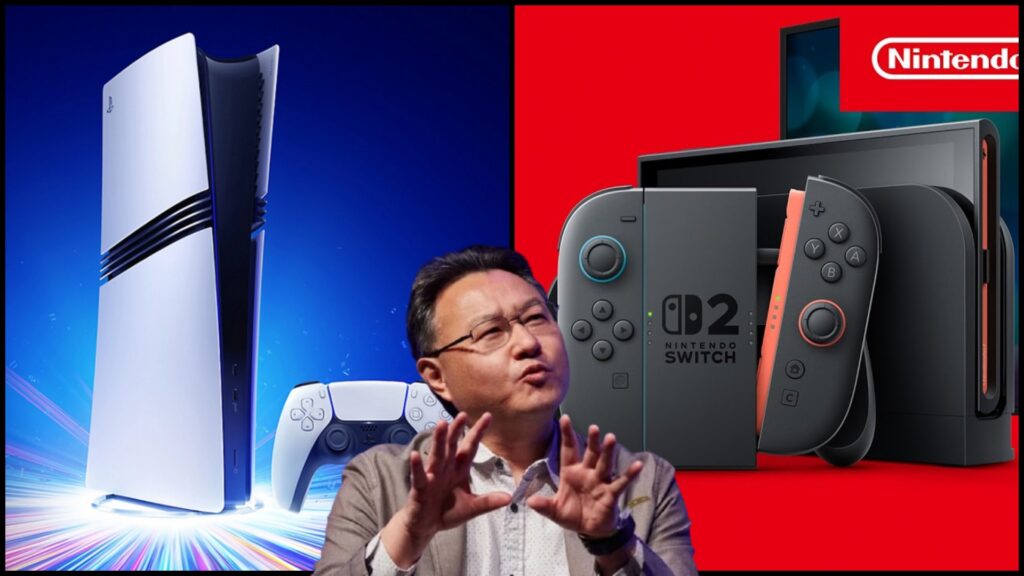
Shuhei Yoshida says Sony and Nintendo should extend the current console generation rather than rush players toward expensive replacements. His argument focuses on affordability and the continuing usefulness of the PlayStation 5 and Nintendo Switch 2, rather than opposition to technological progress. The distinction is important because Yoshida is offering an experienced industry figure’s recommendation, not announcing a PS6 delay or revealing a new Nintendo hardware schedule. The two consoles are also at very different stages of their respective lifecycles, which means the case for extending support does not necessarily apply to each platform in exactly the same way.
As of October 2, 2026, the central issue is not simply whether newer consoles could deliver greater performance. The more important question is whether those improvements would justify the higher cost of replacing existing hardware and whether developers and players would benefit more from another generation or from several additional years of support for current systems. Yoshida’s position is therefore about balancing technological advancement against affordability, installed hardware that remains useful, and the practical value of giving the existing generation more time before asking consumers to move on.
Shuhei Yoshida Argues for Longer Console Generations as Hardware Costs Rise
Yoshida’s central recommendation is that Sony and Nintendo “should try to keep the current generation as long as possible.” He ties that position to rising component costs and the limited amount consumers can reasonably spend on entertainment. His argument is not that technological progress should stop, but that players need a convincing reason to replace hardware that still delivers enjoyable experiences. Better specifications can provide that reason, but the improvement has to justify the additional expense compared with all the other ways a consumer could use the same money.
From that perspective, extending a console generation means increasing the value of an existing purchase through worthwhile software, useful improvements, and continued support rather than simply keeping aging hardware on sale indefinitely. The strongest interpretation of Yoshida’s position is therefore conditional: preserve a platform while it can still provide satisfying experiences at a reasonable cost, but recognize that the argument for replacement becomes stronger once technical limits begin to materially affect those experiences. Longevity and innovation are not necessarily opposites. The real issue is finding the point at which continued support remains more valuable than asking players to move to new hardware.
Industry Background and Player Upgrade Interests
Yoshida made these comments during the September 28, 2026 Vergecast episode “Shuhei Yoshida on the future of gaming,” where he discussed the changing economics of the industry and the hardware landscape with The Verge’s Sean Hollister. His background gives that discussion added context. Yoshida previously led Sony Interactive Entertainment Worldwide Studios and later worked with independent developers before leaving Sony on January 15, 2025, after 31 years with PlayStation. He is therefore speaking as a former executive offering an informed industry opinion, not announcing Sony’s plans or confirming the timing, specifications, or price of any unannounced successor hardware.
His assessment is that many players remain satisfied with their current systems and do not feel an urgent need to upgrade. That reasoning has been applied to PS5, Nintendo Switch 2, and sufficiently capable gaming PCs. However, this should be understood as an informed view rather than a representative consumer survey.
Satisfaction varies according to what people value. Someone mainly interested in cooperative games and a large software library may feel little need for new hardware, while another player who prioritizes consistently high frame rates, advanced lighting, and maximum image quality may be far more interested in an upgrade. Switch 2 also shows why a console’s appeal cannot be reduced to graphics specifications alone, since its handheld, tabletop, and television modes provide practical benefits that performance numbers do not fully capture.
Rising Hardware Costs and Successor Timing
Rising hardware costs strengthen Yoshida’s argument. Sony announced higher recommended US prices effective April 2, 2026, including $649.99 for PS5, $599.99 for PS5 Digital Edition, and $899.99 for PS5 Pro. Nintendo has also acknowledged pressure from memory and other components, while noting that exchange rates, oil prices, and other factors influence hardware pricing. For manufacturers, more expensive components create difficult trade-offs: passing those costs to customers can weaken demand, absorbing them can reduce margins, and lowering specifications to control price could make a new generation less compelling.
Delaying a successor could potentially improve the balance between cost and performance if component availability or pricing becomes more favorable, but waiting carries its own risks. Costs are not guaranteed to fall, new software opportunities may be postponed, and competing products could become more attractive in the meantime. The practical challenge is therefore timing a new generation when the hardware, price, supply situation, and software lineup all make sense together. Yoshida’s argument emphasizes the consumer side of that equation: if current consoles are still capable of delivering worthwhile experiences, extending their useful life may be more persuasive than asking players to pay for replacement hardware before the benefits clearly justify the cost.
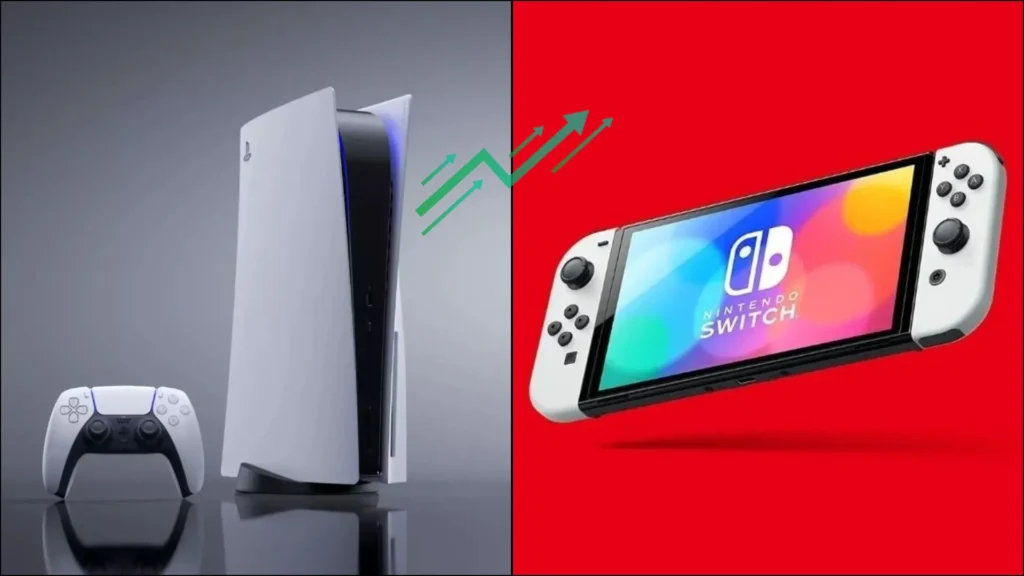
How Longer PS5 and Nintendo Switch 2 Lifecycles Could Shape Their Next Console Generations
The PlayStation 5 and Nintendo Switch 2 are at very different points in their lifecycles, so extending the current generation would mean something different for each company. PS5 first launched on November 12, 2020, in selected markets before a broader rollout on November 19, making it nearly six years old by October 2026. Nintendo Switch 2 launched much later, on June 5, 2025, so it is only about sixteen months old at the same point. Their launch dates are separated by more than four and a half years, which makes any shared call for longer hardware lifespans inherently different in practice.
For PS5, the question of longevity depends on what is meant by the end of a generation. That could refer to the launch of a successor, the period during which Sony continues selling PS5 hardware, the years in which new games continue to release for it, or simply how long individual owners keep using their consoles. Those milestones do not have to happen at the same time. A successor could launch while PS5 continues receiving games and support, and existing libraries would not suddenly stop working because newer hardware became available.
PS5 Pro, released on November 7, 2024, also remains part of the existing PS5 family rather than representing a new generation. Its arrival did not reset the platform’s original lifecycle. For calendar context, November 2027 would mark seven years since PS5 launched, while November 2028 would mark eight, but those anniversaries are not confirmed PS6 release windows. A meaningful assessment of PS5 longevity should instead follow actual software support, platform announcements, security updates, repair availability, compatibility policies, and multiplayer services, all of which can continue on different schedules.
Sony’s Unconfirmed Plans and Switch 2’s Longer Runway
A longer PS5 generation could theoretically push a successor further into the future, but Shuhei Yoshida’s comments do not establish that Sony has changed any release date. In its May 8, 2026 financial question-and-answer summary, Sony said it had not decided the timing or pricing of its next-generation platform and linked those decisions partly to memory costs, supply conditions, possible hardware-cost adjustments, and the wider business model. That is not the same as announcing a delay because there is no previously confirmed public date against which a postponement could be measured.
There is also no necessary conflict between extending PS5 support and developing its successor. Sony could continue improving current software and supporting the existing user base while simultaneously researching future hardware, preparing development tools, and evaluating when the economics of a new launch make sense. For players, the important distinction is therefore between an argument about what Sony should do and evidence of what Sony has actually decided. Yoshida’s comments do not confirm a PS6 launch year, delay, or cancellation.
Nintendo Switch 2 presents a different case because it is still a comparatively new platform. Extending its lifespan would mainly give the system more time to establish its identity, grow its library, and allow later buyers to adopt it without immediately anticipating another transition. Nintendo’s May 2026 briefing discussed medium- to long-term audience growth and an intention to sell Mario Kart World throughout the Switch 2 lifecycle, but it did not specify how long that lifecycle would last.
A longer runway could also make the platform more attractive to developers considering projects that require several years of production, since a very short hardware cycle could reduce the potential window in which those games can sell. That benefit would still depend on the size and engagement of the audience and on whether software sales justify the investment. Longevity would not guarantee that every future third-party game would appear on the system because some projects may still exceed its technical or design constraints.
Comparing Platform Priorities and Consumer Considerations
The two platforms also have different design priorities. Switch 2 has to support both handheld and docked play, giving developers multiple usage contexts to consider. Nintendo’s compatibility information also distinguishes between original Switch software that works properly and titles that are not fully compatible. PS5, meanwhile, is an older platform with a larger established library and a different balance between existing software support and future hardware planning.
For consumers, lifecycle comparisons should therefore focus on more than age alone. Important questions include whether the games they want are still being released, whether performance remains acceptable, whether older purchases retain value, and how clearly each company communicates ongoing support. Nintendo described Switch 2 as its first new gaming platform in eight years, showing that a long gap between systems is possible, but that does not amount to an eight-year commitment for Switch 2.
Sony and Nintendo could both pursue longer platform lifespans without following the same schedule. Extending support for PS5 would involve deciding how long an established six-year-old system should remain central to development, while extending Switch 2 would mean allowing a much younger platform more time to grow before another transition. A shared preference for longevity would therefore not imply synchronized successor launches or identical generation lengths.

Why More Powerful Hardware is Not Always Necessary and How Longer Console Generations Could Save Players Money
Yoshida does not believe there is widespread urgency for substantially more powerful hardware, including among developers, although that remains his assessment rather than an industry-wide conclusion. Sony’s explanation for PS5 Pro provides a useful counterpoint, with the company saying the upgraded model was intended to address requests from engaged players and game creators for better image quality without sacrificing smoother performance. Those positions are not mutually exclusive because different players and studios have different priorities. A team building a demanding simulation may run into very different technical limits from a developer making a stylized puzzle game, while one player may value higher frame rates and advanced visuals and another may prefer affordable access to a library they already enjoy.
Performance limits also involve more than graphics alone. A game can be constrained by CPU, GPU, or other parts of its workload, which means adding more graphics power will not automatically solve every problem. Frame-time differences help explain why stronger hardware can still matter in some cases: 30 frames per second allows about 33.3 milliseconds for each frame, while 60 frames per second cuts that budget to roughly 16.7 milliseconds.
Reaching the shorter target may require more capable hardware, reduced workload, or better optimization. Even then, technical ambition should be separated from production ambition. A faster console does not automatically create stronger stories, better level design, or more reliable development schedules. Hardware expands what is possible, but the value of that additional capability depends on how developers use it.
Upgrade Decisions Across PC and Console
Yoshida connected this argument to his own experience with gaming PCs. He said he had bought a capable machine around five years earlier and was considering replacing it when rising prices complicated that decision, later regretting that he had not upgraded a year sooner. The example makes the affordability issue more concrete, but it should not be treated as evidence that every PC upgrade has become uneconomical or as a measurement of average market prices.
The more useful approach is to ask what problem an upgrade actually solves. A desired game that will not run at all creates a different need from one that merely performs below a preferred frame rate, while a machine that already meets its owner’s expectations may provide little reason to replace it simply because something newer exists.
That same principle applies to consoles. New hardware provides better value when it solves a meaningful limitation, such as enabling experiences that cannot reasonably be delivered on the current machine. Replacing a console purely because another generation has started can offer poor value when the existing hardware still handles the games a player wants. Conversely, extending a generation has less appeal if technical limits prevent access to experiences that matter to the owner. The question is therefore not whether more power is inherently useful, but whether the benefit is substantial enough to justify the cost of replacement.
Longer Generation Savings and Support Risks
A longer console generation could reduce spending by increasing the useful life of hardware already in homes. If households replace consoles less frequently, major purchases can be spread across more years instead of combining a new machine, games, accessories, and possibly subscriptions within the same transition period. A hypothetical $500 console used for six years represents about $83.33 per year in purchase cost, while using the same machine for eight years reduces that figure to $62.50. That does not mean the owner receives money back, and the example excludes repairs, electricity, software, subscriptions, resale value, and inflation. The saving comes from obtaining more useful service from the original purchase and potentially postponing another large expense.
Longer ownership only has real value if the hardware remains practical to use. Software support, repair availability, compatibility, and reliability all matter alongside the release calendar. Extending a generation would be less reassuring if ordinary hardware failures made consoles difficult or uneconomical to maintain, just as a long software-support promise would have limited value if desired new games stopped appearing. Longevity is therefore best understood as a support proposition rather than simply delaying the next launch.
A delayed successor would also not automatically make the current console cheaper for new buyers. Existing owners may benefit from keeping what they already have, while someone entering the market later could still face a high purchase price. The strongest consumer benefit would be continued access to desirable new games without being forced into replacement hardware before it is necessary. Even after a successor arrives, players retain the choice to keep using their existing system, so the start of a new generation does not itself create an obligation to upgrade immediately.

Longer Console Generations Could Help Developers, but Delaying New Hardware Has Limits
A longer console generation could give developers a more stable hardware target, allowing teams to reuse technical knowledge, refine tools, and improve production processes instead of adapting immediately to another platform. This can be especially valuable when game development spans several years, since studios gain more certainty about the hardware and audience they are targeting by the time a project launches. Nintendo acknowledged in its May 2026 financial briefing that development cycles have grown longer and that it is adjusting its production processes accordingly.
An established platform can also provide a larger potential audience for projects that arrive later in the generation. However, total console sales should not be confused with the number of active players likely to buy a particular game. A longer generation only remains commercially useful when the reachable audience, expected revenue, and support costs still make continued development worthwhile. A large installed base does not guarantee visibility, sales, or profitability if a game fails to attract attention or meet expectations.
Technical Limits and Consumer Trade-Offs
Technical progress can also continue without replacing the console itself. Sony’s October 1, 2026 announcement of Quick Spectral Super Resolution, or QSSR, provides one example. The AI upscaling option was introduced for standard PS5, with Marvel’s Wolverine and Ghost of Yōtei identified as the first supported titles to receive patches. That shows how software techniques can improve the experience on existing hardware, but it does not mean every technical limitation can be solved through reconstruction or upscaling.
Extending a generation too far can create problems of its own. Games can be limited by different CPU, GPU, simulation, rendering, and logic workloads, so improving one part of the pipeline does not remove every bottleneck. If maintaining compatibility with older hardware requires major redesign, studios may have to reduce world complexity, remove features, or spend additional development time producing an acceptable version. In that situation, some of the advantages of a familiar platform can be offset by the engineering cost of supporting it.
There is also a consumer trade-off. Keeping hardware requirements stable benefits owners who remain satisfied with their current machines, but players seeking a substantial leap in performance or new capabilities may have fewer options. A new architecture can enable experiences that are difficult or impractical on older hardware. The goal should therefore not be to make a generation last as long as possible at any cost, but to delay replacement until new hardware can provide enough additional value to justify the financial and technical transition. Both premature replacement and indefinite postponement can create problems.
Yoshida’s Distinction for Xbox and Microsoft
Yoshida views Xbox differently because he sees Microsoft as having different strategic incentives. Rather than simply extending an established position, Microsoft is attempting to change how its hardware competes. In March 2026, Xbox described Project Helix as its next-generation first-party console designed to run Xbox console and PC games, while also stating that alpha hardware would begin reaching developers in 2027. That developer milestone does not establish a 2027 consumer launch, but it does show that Microsoft is actively preparing another hardware generation.
A company seeking to change its market position may have more reason to introduce a new product sooner than one focused on extending the advantages of an existing platform. Even then, a broader console-and-PC strategy would need clear explanations of compatibility, ownership, storefront access, and which services are required. The promise of access to more categories of games only becomes useful when customers understand which titles work and how their existing purchases carry over.
Microsoft would still face the same affordability pressure affecting the wider hardware market. A next-generation Xbox would need compelling software, clear practical advantages, and a price that customers are willing to accept. Yoshida’s distinction therefore does not suggest that Sony and Nintendo should stop innovating while Microsoft moves ahead. It reflects the idea that each platform holder can have different commercial incentives, technical priorities, and reasons for choosing when to introduce new hardware.
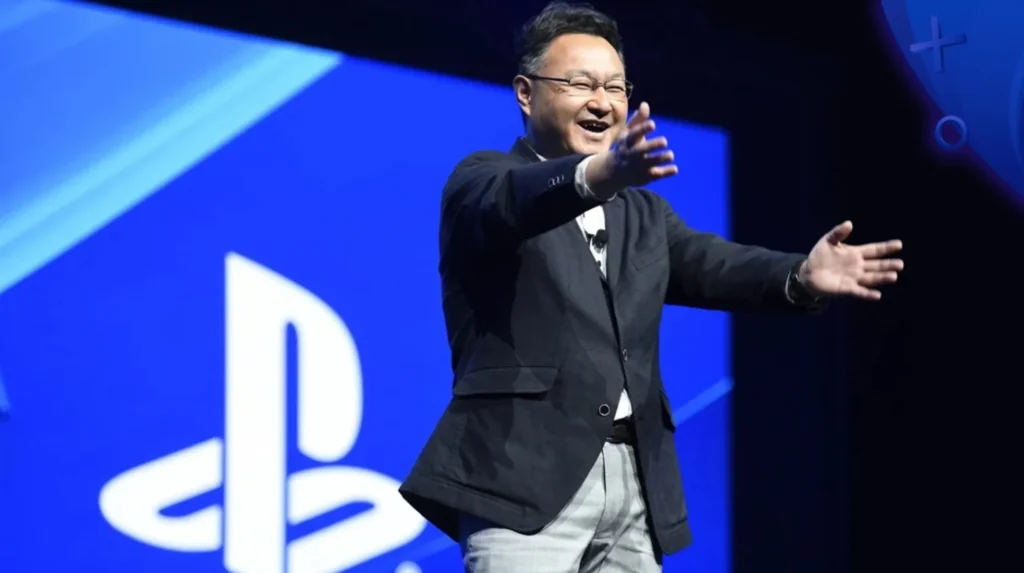
Sony and Nintendo Have Not Confirmed an Extended Console Generation
Shuhei Yoshida’s comments should not be treated as confirmation that Sony and Nintendo have jointly agreed to extend the current console generation, add a fixed number of support years, or change the launch timing of their next systems. His position is a recommendation about platform longevity rather than an announcement made on behalf of either company.
Sony’s May 2026 statement left the timing and pricing of its next-generation platform undecided, while reporting published on October 2 continued to describe the next PlayStation’s launch timing as unresolved rather than presenting an official release date. Nintendo has likewise discussed long-term Switch 2 growth and continued software sales, but those statements establish a business goal for the current platform rather than a fixed replacement year or an announced delay to future hardware.
The difference between continued support and hardware succession is also important. A company could introduce new hardware while continuing to release games, maintain services, and support owners of the previous system. Conversely, postponing a successor would not automatically guarantee that every game, repair service, accessory, or online feature would remain supported indefinitely.
The clearest conclusion is that Yoshida has argued in favor of keeping current hardware relevant for longer, while official disclosures from Sony and Nintendo show that cost, platform growth, and long-term support are genuine considerations. None of that currently amounts to a binding roadmap confirming that either company has formally extended its generation or revised the launch schedule for its next console.
Frequently Asked Questions (FAQs)
- What did Shuhei Yoshida say about extending the current console generation?
He argued that Sony and Nintendo should keep their current platforms going for as long as it remains practical, mainly because hardware is expensive and many players are still satisfied with what they already own. His point was about getting more useful life from existing consoles rather than replacing them simply because newer technology is possible. He was giving his own industry perspective, not announcing official policy for Sony or Nintendo. - Where did Yoshida discuss PS5 and Nintendo Switch 2 longevity?
He discussed the subject in the Vergecast episode “Shuhei Yoshida on the future of gaming,” published on September 28, 2026. The episode featured The Verge’s Sean Hollister speaking with Yoshida about hardware costs, platform lifecycles, player expectations, and the broader economics of the games industry. - Has Yoshida confirmed that PS6 has been delayed?
No. Yoshida’s comments do not confirm a delay because Sony has not publicly announced a fixed PS6 release date that could then be postponed. Sony’s own May 2026 disclosure said that the timing and pricing of its next-generation platform had not yet been decided, so Yoshida’s recommendation should be treated as an opinion about what Sony should do rather than evidence of a revised launch schedule. - How old are PS5 and Nintendo Switch 2?
As of October 2, 2026, PS5 is approaching six years since its original November 2020 launch, while Nintendo Switch 2 is only around sixteen months old following its June 5, 2025 release. That difference matters because extending the generation would mean something different for each company. Sony would be prolonging a mature platform, while Nintendo would mainly be giving a much newer system more time to grow. - Does PS5 Pro count as a new console generation?
No. PS5 Pro, which launched on November 7, 2024, is an enhanced model within the existing PS5 family rather than the start of a separate generation. It improves parts of the hardware experience but does not replace PS5 with a fundamentally new platform or reset the original console’s lifecycle. - Would a longer generation guarantee cheaper consoles?
No. A longer generation could help existing owners save money by delaying the need to replace hardware, but it does not guarantee that the current console itself will become cheaper. Sony’s April 2026 price increases show that even established hardware can become more expensive because of changing component costs and other economic pressures. - Do developers universally agree that more powerful hardware is unnecessary?
No. Yoshida’s comments do not establish an industry-wide consensus. Different developers face different technical demands, and some projects benefit more from stronger CPUs, GPUs, or additional performance headroom than others. Sony’s own PS5 Pro messaging also highlighted demand from both players and creators for better visual quality and smoother performance, showing that there are competing priorities. - Has Nintendo announced a fixed lifespan for Switch 2?
No. Nintendo has discussed medium- to long-term growth for Switch 2 and has referred to selling software throughout the system’s lifecycle, but it has not assigned the console a fixed number of years or announced when a successor will arrive. Previous Nintendo hardware cycles may provide historical context, but they do not establish a guaranteed timetable for Switch 2. - Is Xbox Project Helix confirmed for a 2027 retail launch?
No. Microsoft has said that alpha Project Helix hardware is planned to begin reaching developers in 2027. That is a development milestone intended to help studios prepare software and test the platform. It does not establish when the finished consumer system will launch or confirm that players will be able to buy it in 2027. - Should players replace a console as soon as its successor launches?
Not necessarily. The decision depends on whether the current console still runs the games the player wants, delivers acceptable performance, remains supported, and continues to provide good value. A successor may offer worthwhile improvements, but players who are satisfied with their existing system can reasonably continue using it until the benefits of upgrading become meaningful enough to justify the cost.
Conclusion
The argument that Sony and Nintendo should extend the current console generation is strongest when framed around useful value rather than resistance to progress. A platform deserves continued investment while it can deliver compelling games without imposing unreasonable compromises.
Equally, longevity should not become an excuse to ignore genuine technical limitations. More powerful hardware can matter, especially when it enables better performance or experiences that an older system cannot reasonably provide.
The sensible balance is to preserve existing customers’ investment while making any eventual transition worthwhile. Any transition should be evaluated against the needs of each platform’s audience, rather than a single industry-wide calendar.
Yoshida’s recommendation contributes to that debate without settling successor launch dates. GamesRadar+ The most important measure is not how long a generation lasts on a calendar, but how well it continues serving the people who use it.
Sources and Citations
- The interview’s publication details come from the Vergecast episode listing. VGChartz and GamesRadar+ provide reporting on Yoshida’s remarks; their accounts should be distinguished from official platform announcements. Apple Podcasts
- Sony’s financial question-and-answer summary, PS5 launch and Pro announcements, pricing update, and QSSR announcement support the discussion of PlayStation’s chronology, costs, and technology. Sony
- Nintendo’s launch announcement, system information, and May 2026 financial briefing support the Switch 2 discussion. Microsoft’s Xbox Wire announcement establishes the stated Project Helix development milestone, while Epic Games’ documentation explains the performance-bottleneck distinctions. Nintendo of Europe SE
Recommended
- Stuntman Is Getting a Revival With Knight Rider, Miami Vice, and Mad Max Action Everything We Know
- Subnautica 2 Update 1.1: Everything Confirmed for the First Big Content Patch
- CONFIRMED: Resident Evil Veronica Is a Third-Person Game, Full Details, Gameplay Perspective, and Remake Changes Explained
- Blindfire is Now Free to Play and Will Stick Around for ‘years’ so Players Can See What the Studio Created. Failed Online Shooter Won’t Shut Down Because ‘Games Are Art and Deserve to Be Preserved’
- Fatekeeper Official Early Access Release Date Trailer: June 2 Launch, Gameplay Details, Story, Platforms & Everything We Know
- Nintendo Developers Obsessed Over Getting Farting Right in Tomodachi Life Here’s Why It Took Years
- Dead or Alive 6 Last Round, 3D fighting game is back with five brand-new characters among the 29 available
- PlayStation Portal Guide (2026): Setup, Remote Play Tips, Cloud Streaming, and Troubleshooting
- Ares Interactive’s “AI-enabled development, marketing, and live-ops” secures $70M in Series A funding
- Star City: for All Mankind’s Soviet Spin-Off Explores Cold War Space Race Alternate History
- New Avengers: Doomsday Trailer Gives the Best Look Yet at RDJ’s Doctor Doom
- Magic: The Gathering – A Complete Guide to The Hobbit Prerelease
- Breathedge 2 Official Early Access Release Window: Expected Launch Date, Gameplay Details, Trailer Breakdown, and Everything We Know
- Forza Horizon 6’s Xbox Series X|S Quality and Performance Modes Explained: 4K/30 vs Dynamic 4K/60 (and Series S 1440p/30 vs 1080p/60)
- Dying Light: The Beast Restored Land Update Adds Free Content, New Survival Features, and a Persistent World
- What Is Stop Motion Animation? Why It Was Important to Animation: A Comprehensive History and Impact Guide



































































































