





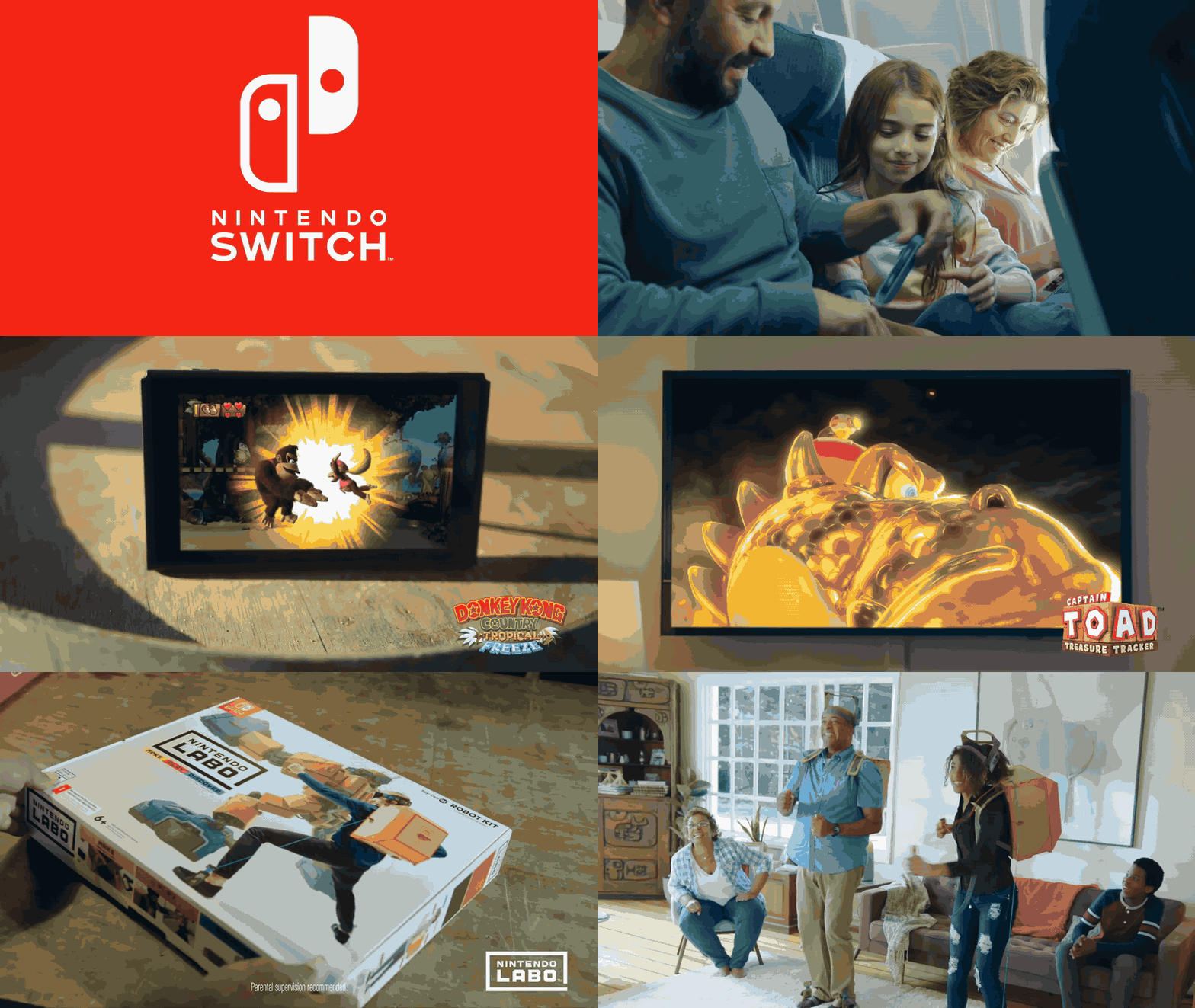
Monday, March 23, 2026 – In a surprising turn, a recent nationwide survey has revealed that the Nintendo Switch is now the second most popular brand among Japanese teenagers, outranking even mega-franchises like Disney and Pokémon. This finding comes from the Brand Japan 2026 report, an annual study that measures brand influence across Japan. The survey’s results highlight a significant generational shift in brand preferences, with digital entertainment and gaming now dominating young people’s hearts.
Below, we delve into the full breakdown of the Brand Japan 2026 results for teens under 20, explore why the Nintendo Switch has captured such immense popularity, and examine what these trends say about the future of gaming and youth culture in Japan. All sources are cited for verification and deeper reading.
Nintendo Switch more popular than Disney Pokémon and Nintendo survey explained
The Brand Japan 2026 survey, conducted by Nikkei BP Consulting, reveals that the Nintendo Switch has become one of the most beloved brands among Japanese teenagers. Ranking at #2 for respondents under 20, the console surpassed major names like Disney (#10), Pokémon (#7), and even its parent company, Nintendo (#3). This indicates the Switch is perceived as more influential and “cooler” by teens than established global entertainment franchises. The survey evaluated over 1,000 brands with a sample of approximately 37,000 respondents, validating the Switch’s status as a powerhouse for the younger demographic and highlighting a shift in what resonates with Generation Z.
Brand Japan 2026 survey results for Japanese teens under 20
Conducted in November 2025 and published in March 2026, the survey utilizes a “brand power” score based on popularity, perceived influence, and consumer loyalty. While the general population’s favorites differ, the under-20 category is dominated by digital entertainment, gaming, and accessible retail. The results reflect the priorities of teens, who value interactive media and practical, affordable brands over traditional or corporate identities.
Top 10 most popular brands among Japanese teens 2026 list
- YouTube: The top brand for teens due to its role as a primary source for entertainment, music, and learning. Its free, personalized content makes it a daily necessity.
- Nintendo Switch: Ranking #2, this hybrid console is a cultural phenomenon. Its flexibility for home or on-the-go play and its library of social games make it deeply ingrained in youth culture.
- Nintendo (Company): Ranked #3, the corporate brand carries immense goodwill and nostalgia. While it ranks #12 in the all-ages category, teens prefer the specific Switch hardware slightly more than the parent company.
- Daiso: A 100-yen shop chain popular for providing affordable snacks, stationery, and cosmetics to teens on a budget.
- Muji: Known for its minimalist “no-brand” aesthetic, its stationery and apparel appeal to the teen desire for simple, stylish, and reasonably priced quality goods.
- LINE: Japan’s dominant messaging app is the essential communication tool for 94% of teens, acting as a lifeline for social connection.
- Pokémon: While still iconic and celebrating its 30th anniversary era, it ranked 7th. It remains a pillar of youth culture but faces heavy competition from newer gaming content.
- Saizeriya: A budget Italian restaurant chain that serves as a popular social hub for students because of its inexpensive food and unlimited drink bar.
- Amazon: The go-to e-commerce platform for teens buying books, games, and electronics, reflecting the normalization of online shopping for Gen Z.
- Disney: Rounding out the top 10, Disney remains popular for its movies and theme parks, though its ranking suggests it is less dominant with Gen Z than with previous generations.
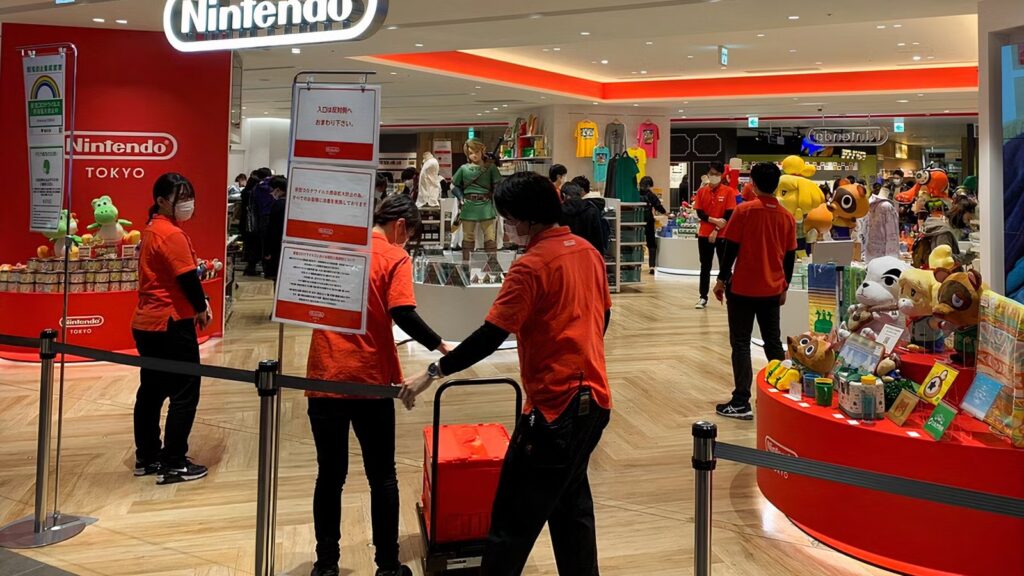
YouTube vs Nintendo Switch popularity in Japan youth survey
YouTube holds the #1 spot because of its universality, zero cost, and role as the “new television” for on-demand content. The Nintendo Switch follows closely at #2, which is notable given the financial investment required to own one. The two brands exist symbiotically: teens watch YouTube content about Switch games and then play those games on their consoles. Both function as platforms—one for content consumption and the other for interactive engagement—prioritizing digital screens in daily life.
how Nintendo Switch ranked higher than Pokémon and Disney
The Switch’s higher ranking over Pokémon (#7) and Disney (#10) is attributed to its interactive nature and current “cool factor.” While Pokémon is a long-standing franchise, the Switch is the modern device that enables many different gaming experiences, including Pokémon itself. Disney is perceived as slightly more old-fashioned or oriented toward younger children and families. The Switch serves as a contemporary social currency that teens use frequently, whereas traditional media like Disney movies are more passive experiences.
Nintendo vs Nintendo Switch brand popularity comparison Japan
Teens ranked the Nintendo Switch (#2) higher than Nintendo the company (#3), whereas the general population ranked the company (#12 overall) much higher than the console (#59 overall). For youth, the Switch is a tangible, daily object of enthusiasm that defines their era. Older generations have a broader respect for Nintendo’s corporate legacy and history, but for Gen Z, the Switch hardware has effectively become the face of the brand, overshadowing the corporate identity.
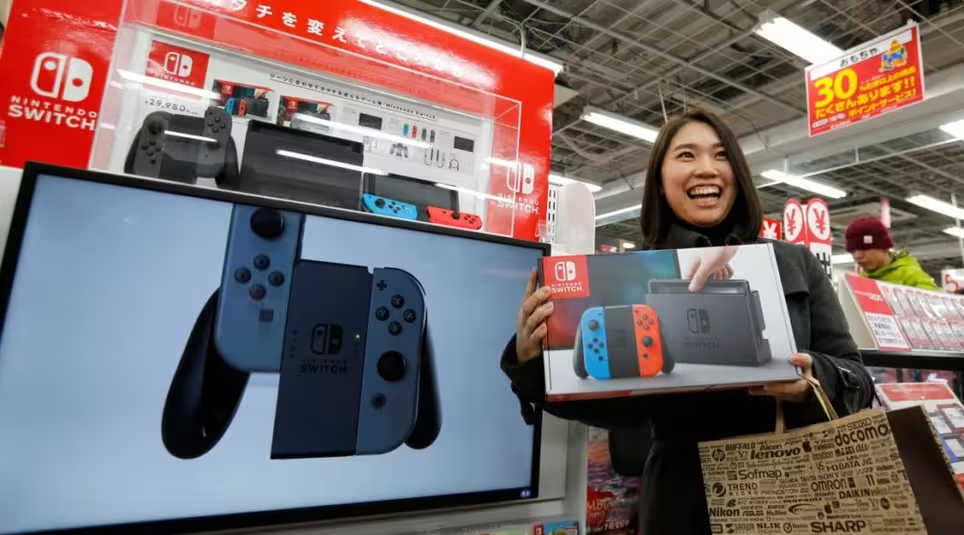
Generational gap in brand popularity Japan teens vs adults
There is a significant divide between the preferences of teens and the general Japanese population. The overall top 10 includes brands like Suntory (#1 overall, but #47 for teens), Panasonic (#4 overall, but #27 for teens), and Sony (#10 overall, but #40 for teens). Older generations value manufacturing giants, reliability, and traditional retailers. Teens, however, are largely indifferent to automotive brands (Toyota ranked #26 overall but #149 for teens) and legacy electronics. This gap highlights that while older adults value trust and quality in established sectors, Gen Z prioritizes interactive entertainment, digital connection, and experience-driven, value-oriented brands.
why gaming brands dominate Japanese youth culture in 2026
Gaming brands like Nintendo Switch, Nintendo, and Pokémon dominate the Brand Japan 2026 rankings because gaming is an integrated cultural identity for the current generation of teenagers.
- A Generation Raised on Games: Teens aged 13–19 have grown up with gaming as a constant part of life, leading to deep, emotionally charged connections with gaming brands that accompany them through adolescence.
- Social and Community Aspects: Interactive titles like Splatoon, Minecraft, and Animal Crossing serve as social platforms where teens form identities and communities, making these brands part of their lifestyle.
- Interactivity vs. Passive Media: Gaming provides a sense of agency and active engagement that creates stronger memories and attachments compared to passively watching movies or television.
- Ubiquity and Lifestyle Fit: Handheld consoles like the Switch are ideal for the Japanese lifestyle, fitting into school commutes and limited private living spaces.
- Cultural Trends: While traditional TV and Hollywood media interest has declined among youth, gaming brands have maintained momentum by constantly renewing their audience with a mix of nostalgia and innovation.
Nintendo Switch vs Sony and PlayStation popularity among teens
The survey reveals a stark divide between Nintendo and Sony in the youth market. While the Nintendo Switch ranked #2 for teens, Sony’s corporate brand placed 40th, and PlayStation brands did not appear in the top teen rankings.
- Platform Preference: The Switch’s portability and local multiplayer features cater to teen social habits, whereas the PlayStation 5 is a stationary, expensive home console that faced early stock shortages.
- Game Library: Nintendo focuses on all-ages, youth-friendly hits like Mario and Splatoon. Sony’s library often skews toward older-rated, cinematic experiences aimed at adults.
- Sales Disparity: Sales data from 2025 shows a massive gap in adoption; the Switch 2 and original Switch sold approximately 3.78 million and 1.52 million units respectively in Japan, while the PS5 sold only 0.88 million.
- Cultural Image: Nintendo is perceived as a friendly, childhood-oriented brand. Sony is seen as a broader international conglomerate, losing some of the youth-centric “cool” factor it held in previous decades.
- Local Play: The ability to share controllers and play in person makes the Switch the de facto choice for peer groups, creating a network effect that PlayStation currently lacks among Japanese teens.

how many people were surveyed in Brand Japan 2026 report
The Brand Japan 2026 report is a large-scale, authoritative study conducted by Nikkei BP Consulting.
- Sample Size: The survey included approximately 37,000 respondents from across Japan.
- Brand Scope: Participants evaluated over 1,000 brands spanning all industries, including tech, retail, and food.
- Robustness: The 26th annual iteration of this study used data collected in November 2025. The large sample size allows for reliable segmentation, such as the specific “under-20” demographic results.
impact of Nintendo Switch games on teen brand loyalty
The Nintendo Switch’s brand strength is reinforced by its game library, which serves as a primary driver of emotional attachment and loyalty.
- Exclusive Ambassadors: Popular titles like Splatoon 3, Animal Crossing: New Horizons, and various Pokémon entries are exclusive to or strongly associated with the Switch, making the console synonymous with the games teens love.
- Shared Memories: Social experiences, such as after-school tournaments or connecting during lockdowns, tie positive emotional memories directly to the hardware brand.
- Ecosystem Fandom: Nintendo’s strategy of cross-promoting characters (such as in Super Smash Bros.) creates an interconnected web of fandom where loyalty to one franchise leads to broader loyalty to the Switch platform.
- Continuous Engagement: Regular updates, DLC, and community events like “Splatfests” keep the brand relevant and discourage teens from switching to other entertainment platforms.
why Pokémon ranked lower than Nintendo Switch in Japan survey
Despite its global fame, Pokémon ranked #7 among teens, trailing the #2 ranked Nintendo Switch.
- Demographic Silos: Pokémon has its strongest appeal with children and younger teens; older teens (17–19) often begin to “age out” of the brand. This is reflected in the all-ages ranking, where Pokémon falls to 201st.
- Broad vs. Narrow Appeal: The Switch brand benefits from the aggregate popularity of many different franchises (Mario, Zelda, Splatoon), whereas Pokémon is a single IP.
- Perception of “Coolness”: While the Switch is seen as a general gaming device for all ages, some older teens view Pokémon as “kiddie,” potentially affecting its ranking in a brand preference survey.
- Platform Dependency: Many teens view the Switch as the provider of their entertainment. Since modern Pokémon games require a Switch, fans may attribute their aggregate enjoyment to the console brand itself.
- Hype Cycles: Pokémon’s influence fluctuates between major release peaks, while the Switch maintains a more constant presence through its diverse and rotating library of hits.
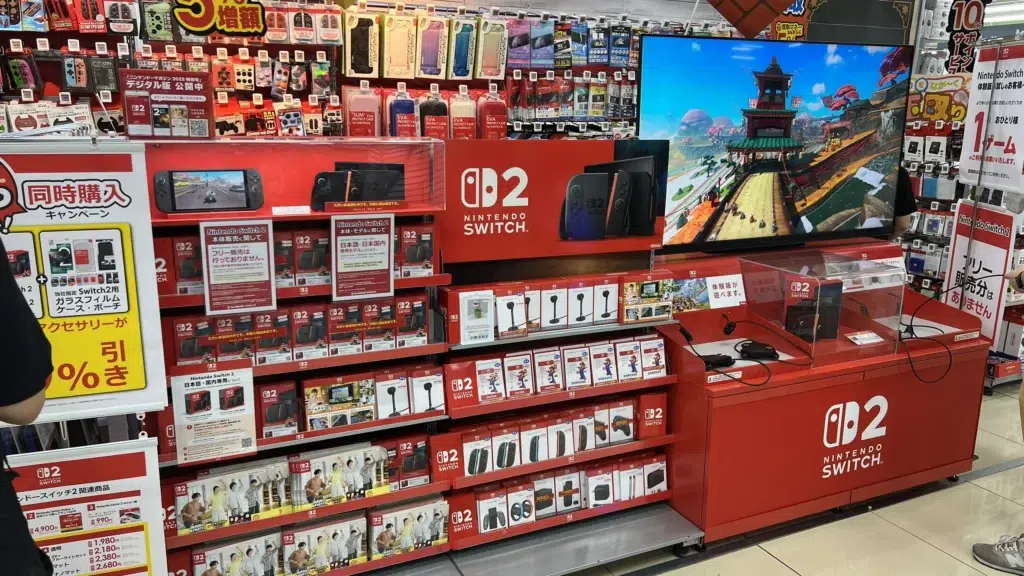
why Disney popularity is declining among Japanese teenagers
In the Brand Japan 2026 survey, Disney ranked 10th among teenagers and 14th overall, signaling a relative decline in its once-dominant influence.
- Changing Media Consumption Habits: Teens now prefer instant, bite-sized, or interactive content on platforms like YouTube, TikTok, and Netflix over traditional Disney films or TV shows.
- Rise of Japanese and Asian Pop Culture: Local franchises like Demon Slayer and Jujutsu Kaisen, along with K-pop, occupy the cultural space once held by Disney. Western formulas in Marvel or Star Wars skew older or remain niche in Japan compared to local anime.
- “For Kids” Perception: Core Disney characters and princesses are increasingly associated with childhood, leading older teens to gravitate toward edgier or more “teen-targeted” domestic content.
- Theme Park Fatigue and Cost: While Tokyo Disney Resort remains a popular outing, high costs and competition from Universal Studios Japan (featuring Nintendo and Harry Potter) mean it is viewed as a special occasion rather than a daily-use brand.
- Slight Decline in Novelty: Recent Disney and Marvel film outputs have not reached the “social phenomenon” status of earlier hits like Frozen, failing to capture the current youth zeitgeist.
- Brand Fragmentation: The Disney brand is diluted by its various components (movies, parks, merchandise), which may not present a unified “cool” identity to teens compared to the singular focus of gaming brands.
differences between youth and overall brand rankings in Japan
The survey reveals a significant gap between the priorities of teenagers and those of the general population.
- Teen Top 10: Focuses on digital entertainment (YouTube, Nintendo, Pokémon), social media (LINE), and affordable lifestyle brands (Daiso, Saizeriya).
- All-Ages Top 10: Includes legacy companies and household staples like Suntory (#1), Panasonic (#4), and Toyota (#26), which rank much lower among teens.
- Suntory Disparity: Ranked #1 overall but #47 for teens, primarily because the brand’s strength in alcohol is irrelevant to those under the legal drinking age of 20.
- Electronics and Utility: Legacy makers like Panasonic and Sony are valued by older generations for reliability, whereas teens view them as “parental” brands or utility providers rather than “cool” entities.
- Retail and Practicality: Brands like Aeon (malls) and Uniqlo (basics) are indispensable to adults for practical reasons, but teens do not identify them as “favorites” in the same way they do with entertainment-heavy brands.
- Google vs. YouTube: Adults value Google for information, while teens view it as a utility, preferring the interactive and creator-led environment of YouTube.
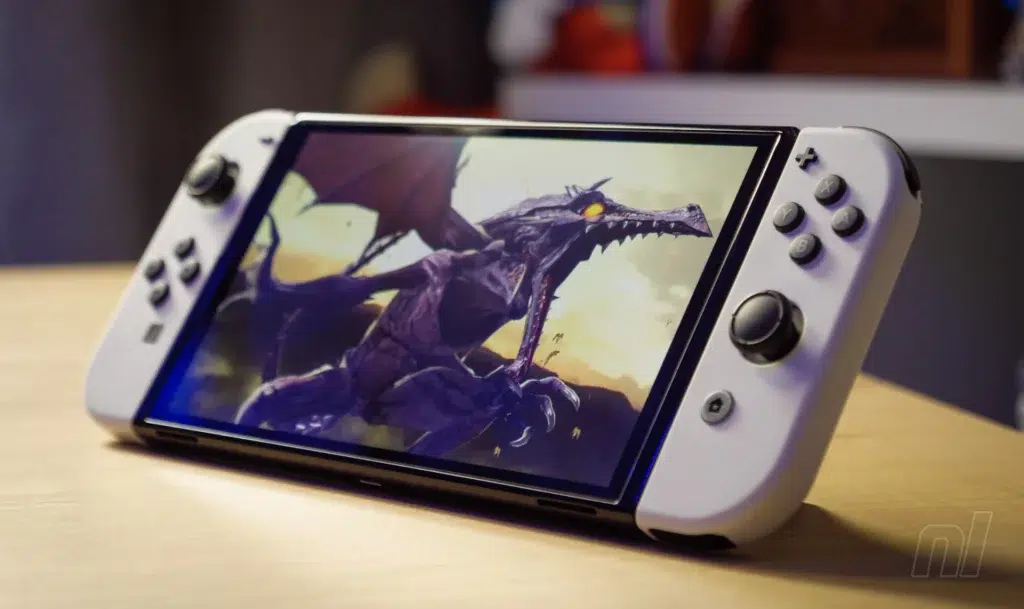
what brands Japanese teens love most in 2026 and why
The top brands for Japanese teens reflect a generation centered on social connection, digital engagement, and cost-effective independence.
- YouTube: Provides endless, tailored, and free content that acts as a social hub and a replacement for traditional television.
- Nintendo Switch: Celebrated as a social tool that enables bonding through local and online multiplayer, fitting perfectly into on-the-go lifestyles.
- Nintendo: Admired for a legacy of quality, safe, and joyful entertainment through iconic characters like Mario and Zelda.
- Daiso: Empowers teens with affordable self-expression, offering trendy stationery, cosmetics, and DIY goods for 100 yen.
- Muji: Appeals to a desire for minimalist style, maturity, and refined quality in school supplies and casual fashion.
- LINE: Functions as the essential digital lifeline for friendships, offering a private and expressive space for daily communication.
- Pokémon: Maintains relevance through a massive multimedia universe that combines childhood nostalgia with constant new game content.
- Saizeriya: Valued as a primary social hangout where students can enjoy independence and inexpensive meals for hours.
- Amazon: Provides autonomy and access to niche or global products that local stores may not carry.
- Disney: Remains a top 10 brand through the positive memories associated with theme parks and the romantic culture of adolescent dates.
how Nintendo Switch became the second most popular brand in Japan
The Switch’s rise is the result of a precise alignment with Japanese culture and lifestyles.
- Hybrid Innovation: Merging home and handheld gaming catered to Japan’s limited living spaces and heavy commuting habits.
- Cultural Phenomena: Massive hits like Splatoon, Animal Crossing: New Horizons, and Zelda: Tears of the Kingdom turned the console into a cultural centerpiece.
- Network Effects: With over 33 million units sold in Japan by late 2023, the console’s ubiquity made it a social necessity for peer groups.
- Inclusive Marketing: Nintendo positioned the Switch as a “toy for everyone” rather than a niche device for core gamers.
- Pandemic Role: During COVID-19 lockdowns, the Switch became a vital social network, deepening emotional ties to the brand through virtual interactions.
- Cross-Media Synergy: The success of the Super Mario movie and theme park expansions kept the hardware in the mainstream conversation.
what the Brand Japan survey reveals about future gaming trends
The 2026 data suggests that gaming is no longer a subculture but the primary driver of youth interest and industry evolution.
- Gaming as Mainstream Culture: Interactive media is poised to fully overtake passive media (TV/Film) in mindshare for future generations.
- Social Platforms: Future games will increasingly function as “metaverses” or social spaces focused on collaboration and user-generated content.
- Transmedia Integration: Success will depend on a brand’s ability to span multiple formats, including anime, movies, and physical theme parks.
- Gamification of Industries: Non-gaming sectors, such as automotive or education, may need to incorporate game-like experiences to remain relevant to Gen Z.
- Normalization of E-sports: The high engagement with competitive titles will lead to broader social acceptance and formalization of gaming as a skill-based career path.
- Decline of Non-Interactive Brands: Brands that fail to offer digital engagement or interactivity risk losing influence as the “active” consumption habits of youth become the adult standard.
Frequently Asked Questions (FAQs)
- What is the Brand Japan 2026 survey and who conducted it?
Brand Japan 2026 is the 26th annual brand evaluation study conducted by Nikkei BP Consulting. The survey included approximately 37,000 Japanese consumers who evaluated over 1,000 brands to measure popularity and influence. It provides comprehensive rankings for the general population as well as specific demographics, such as respondents under the age of 20. - Which brand is the most popular among Japanese teens in 2026?
YouTube is the #1 most popular brand among Japanese teenagers. It serves as an essential tool for entertainment, music, and education, reflecting the high value this demographic places on online video content and influencer culture. - Is Nintendo Switch really more popular than Disney and Pokémon among Japanese teenagers?
Yes. The survey ranked the Nintendo Switch at #2 for teenagers, while Pokémon placed 7th and Disney placed 10th. This indicates that the hybrid console currently carries more brand weight and resonance with Japanese youth than these long-standing entertainment franchises. - Why is Nintendo Switch so popular with Japanese teenagers?
The Switch’s popularity stems from its hybrid design, allowing for both home and portable play, which fits the mobile lifestyle of Japanese teens. Its success is also driven by a strong library of social and exclusive titles like Splatoon and Animal Crossing. It serves as a social hub where teens can connect and play together in person or online. - How does Nintendo Switch’s popularity compare to PlayStation’s among Japanese teens?
The Nintendo Switch dominates the youth market compared to PlayStation. While the Switch is #2, the Sony brand (including PlayStation) is #40 among teens. This disparity is due to the Switch’s portability and youth-oriented game library, whereas the PlayStation 5 is a stationary, high-end console that tends to skew toward older audiences. Sales figures from 2025 further support this, with the Switch family vastly outselling the PS5. - What are the top 10 brands among Japanese teenagers in 2026?
The top 10 brands for respondents under 20 are:- YouTube
- Nintendo Switch
- Nintendo (Company)
- Daiso
- Muji
- LINE
- Pokémon
- Saizeriya
- Amazon
- Disney
- Why do Japanese teens like YouTube so much?
Teens favor YouTube for its endless, free, and personalized content. It has largely replaced traditional television by providing on-demand music, vlogs, and tutorials. The platform’s ability to foster community through shared trends and creator interaction makes it an integral part of their daily routines. - Why is Pokémon less popular with adults in Japan?
While Pokémon is 7th among teens, it drops to 201st in the all-ages ranking. Many older adults did not grow up with the franchise and perceive it as primarily for children. Adult entertainment preferences differ, and as fans age, many move on to other interests, leaving the brand’s mindshare concentrated among younger demographics. - Is Disney becoming less popular among Japan’s youth?
Disney’s influence among teens is shrinking relative to prior generations, placing 10th in the youth survey. While still respected, it faces intense competition from local anime, games, and YouTube. Some teens view Disney as a nostalgic brand for children rather than a current obsession, though it remains a top choice for special occasions like trips to Tokyo Disneyland. - What do the Brand Japan survey results suggest about future gaming trends?
The results indicate that gaming will remain a central pillar of youth culture. Future trends include:- Deeper integration of gaming as a social platform.
- The expansion of gaming IPs into broader media like movies and anime.
- A continued preference for portable and convenient gaming hardware.
- The “gamification” of traditional industries to regain relevance with younger consumers.
Conclusion
The Brand Japan 2026 survey highlights a significant generational shift in brand perception. For Japanese teenagers, digital entertainment, gaming, and social connectivity are the dominant forces. The Nintendo Switch has established itself as a cultural touchstone that defines social interaction for Gen Z, outranking global icons like Disney and Pokémon. This reflects a broader move away from passive media toward interactive, user-driven experiences.
Key takeaways show that YouTube has become the primary media hub for youth, while gaming brands like Nintendo and Pokémon are central to their identity. Additionally, practical and affordable brands like Daiso and Muji remain highly valued for their ability to meet teen needs for style and value. Conversely, traditional industries such as automotive and legacy electronics are struggling to maintain influence with the under-20 demographic, indicating a widening gap in values.
Moving forward, the success of a brand will depend on its ability to offer interactivity, personalization, and social connectivity. As the current generation of tech-savvy teens enters the workforce, their preference for on-demand and gaming-centric content will continue to reshape the broader market. The Brand Japan 2026 survey serves as a roadmap for this new era, signaling that the future belongs to those who speak the digital and interactive language of the new generation.
sources and citation
- Video Games Chronicle – Chris Scullion, “Nintendo Switch is more popular among Japanese teens than Disney, Pokémon and Nintendo itself, survey finds” (Mar. 23, 2026)
https://www.videogameschronicle.com/news/nintendo-switch-is-more-popular-among-japanese-teens-than-disney-pokemon-and-nintendo-itself-survey-finds/ - AUTOMATON West – Đorđe P, “Nintendo Switch is the second most popular brand name among Japanese teenagers, beating Pokémon, Disney and Nintendo itself, according to large-scale survey” (Mar. 20, 2026) https://automaton-media.com/en/news/nintendo-switch-is-the-second-most-popular-brand-name-among-japanese-teenagers-beating-pokemon-disney-and-nintendo-itself-according-to-large-scale-survey/
- My Nintendo News – Sickr, “Japan: Nintendo Switch is 2nd most popular brand with teenagers, beating Pokemon, Disney and Nintendo itself” (Mar. 20, 2026)
https://mynintendonews.com/2026/03/20/japan-nintendo-switch-is-2nd-most-popular-brand-with-teenagers-beating-pokemon-disney-and-nintendo-itself/ - iXBT Games – “Nintendo Switch Takes Second Place in Ranking of Most Popular Brands Among Japanese Youth” (Mar. 21, 2026)
https://ixbt.games/en/news/2026/03/21/406687-nintendo-switch-zaniala-vtoruiu-strocku-v-reitinge-samyx-populiarnyx-brendov-u-iaponskoi-molodezi.html - GamesRadar+ – Anne-Marie Ostler, “Nintendo Switch overtakes the DS to become Japan’s best-selling console ever” (Feb. 6, 2024)
https://www.gamesradar.com/nintendo-switch-overtakes-the-ds-to-become-japans-best-selling-console-ever/ - AUTOMATON West – Amber V, “Japan’s console game market grew by 138.8% in 2025, driven by the Nintendo Switch 2” (Jan. 20, 2026)
https://automaton-media.com/en/news/japans-console-game-market-grew-by-138-8-in-2025-driven-by-the-nintendo-switch-2/ - AUTOMATON West – Đorđe P, “New top 100 ranking of Japanese people’s favorite games dominated by domestic classics like Mario and Pokémon – except for the number one spot” (Jul. 30, 2025)
https://automaton-media.com/en/news/new-top-100-ranking-of-japanese-peoples-favorite-games-dominated-by-domestic-classics-like-mario-and-pokemon-except-for-the-number-one-spot/ - Nikkei BP Consulting – Brand Japan 2026 official page (Japanese)
https://consult.nikkeibp.co.jp/branding/brand-japan/ - Nikkei BP Consulting – Brand Japan 2026 product/details page (Japanese)
https://www.nikkeibpm.co.jp/item/44/217/index.html - PR Times – Nikkei BP Consulting press release for “ブランド・ジャパン2026” survey details (Japanese, Mar. 2026)
https://prtimes.jp/main/html/rd/p/000000280.000041279.html
Recommended
- How do I create a cinematic camera effect in Blender?
- How to Create a Hyper Realistic Metahuman in Unreal Engine 5: Complete Workflow Guide
- How Mega Cat Studios Adapted God of War Into a Retro Pixel Art Game
- How The View Keeper Improves Blender Rendering Efficiency
- How to Add Realistic Dust, Hair, and Surface Imperfections in Blender to Increase Scene Realism
- Assassin’s Creed Shadows Winter Roadmap Includes Major Update 1.1.8, A Parkour Challenge, And Switch 2 Claws of Awaji DLC
- Can I add motion blur to a Blender camera?
- Resident Evil Requiem: Japanese Players Fight “Immersion-Breaking” Censorship — Why Gore Is Blacked Out in Japan
- What Is Camera Focal Length in Blender?
- Hellblade 2 Trailer and Unreal Engine: How Ninja Theory Showcased Next-Gen Cinematics